New Post

Jewish Historical Romance: A Jewish Colonial Love Story of the American Revolution

I can’t think of any author who wouldn’t appreciate the chance to talk about their new book—the research, the premise, the inspiration…well, you get my meaning. I had such an opportunity when I was asked to participate in an Author’s Q & A with Writergurlny. Click on the highlighted link to read the interview, or read a few snippets here:

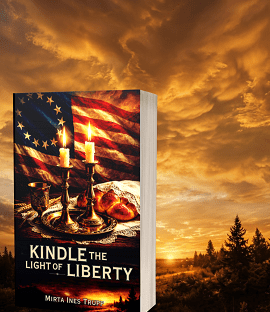
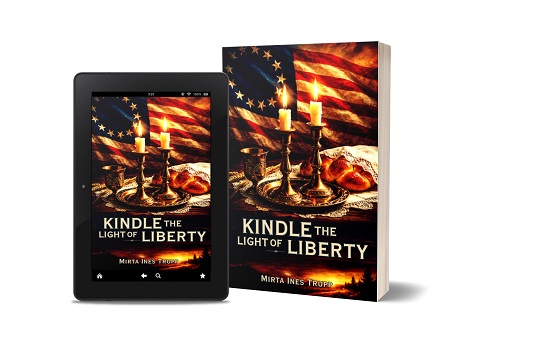
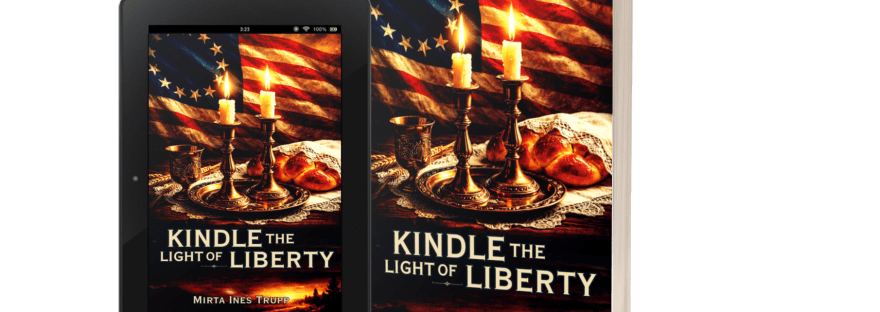
Getting the full scope of history goes well beyond a generic textbook. For every well-known person, there are many others whose names and histories are lost to time. Mirta Ines Trupp’s new historical novel, Kindle the Light of Liberty, is set in Philadelphia during the American Revolution.

AB: What was the inspiration for the book?

MIT: First of all, thanks for the opportunity! I appreciate your interest in my latest book.

The inspiration for Kindle the Light of Liberty grew from three longtime passions. As a grateful naturalized citizen of this country, I wanted to contribute to the celebration of America’s 250th anniversary by exploring a lesser-known aspect of the nation’s founding—the experiences and contributions of Jewish Americans during the Revolutionary era. I am also passionate about writing Jewish protagonists in wholesome, accessible fiction. Too often, Jewish characters are absent from historical novels or appear only in stories centered on persecution. I wanted to create a compelling, “clean” read that allows Jewish characters to take their place at the heart of an engaging historical story—one filled with courage, hope, and the pursuit of liberty. Finally, as a devoted Jane Austen reader, I have long admired her ability to illuminate universal truths through the lives of ordinary people. Austen showed that questions of family, duty, love, and social belonging can be every bit as compelling as grand historical events. In Kindle the Light of Liberty, I sought to emulate that vision by placing personal relationships and moral choices against the backdrop of a transformative moment in history, allowing readers to experience the American Revolution through the hearts and minds of the people living it.

AB: Did the idea of Rose come from anyone specific?

MIT: Rose wasn’t based on any one specific person, but she was certainly influenced by a few different sources. As I mentioned, I am a longtime Austen fan. I would be hard-pressed to deny the influence of Miss Elizabeth Bennet of Pride and Prejudice fame. I’ve always admired Lizzy’s intelligence, wit, and willingness to speak her mind, even when doing so is not the easiest path. Those qualities definitely found their way into Rose’s character. At the same time, I often joke that all of my heroines are, in some sense, a blend of myself and the women who came before me. Rose reflects some of my own interests, values, and perspectives, but she is also inspired by the resilience, strength, and determination I imagine in my female ancestors.

As a historical novelist, I spend a great deal of time thinking about the lives of the women who preceded us—the challenges they faced, the choices they made, and the dreams they carried. In many ways, Rose became a way for me to honor both my own heritage and the remarkable women whose stories were never written down but whose lives helped shape the generations that followed.

AB: What made you choose the American Revolution as opposed to another time?

MIT: That’s a great question. As I mentioned earlier, one of the original inspirations for the novel was the upcoming commemoration of America’s 250th anniversary. I wanted to explore the colonial era, but through a lens that readers don’t often encounter. When most people think about Jewish involvement in the American Revolution, if they think about it at all, they tend to recall a handful of financiers and wealthy merchants. I was struck by how history reduced Jewish colonials to a single dimension. Ancient tropes and European stereotypes shouldn’t dictate how historical novel readers—Jewish or not—understand the past.

The Revolutionary period offered a fascinating opportunity to challenge those assumptions and expand the narrative. I wanted to portray Jewish characters as fully realized people—patriots, neighbors, friends, daughters, sons, and, when called upon, individuals capable of courage and sacrifice. The American Revolution was not only a struggle for independence; it was also a moment when many different groups were asking what it meant to belong in a new nation. That question felt as relevant to me as ever, and it made the Revolutionary era the perfect setting for Rose’s story.

AB: What kind of research did you do? Was it more internet-based, or did you rely on physical texts?

MIT: My research was actually conducted mostly online. One of the great advantages of not living in colonial times is that so much history is literally at our fingertips. Newspapers, letters, diaries, maps, genealogy records, academic articles, and digitized books that once required travel to specialized archives can now be accessed from home. The challenge is no longer finding information—it’s finding the time and patience to follow the trail of sources wherever they lead, and remembering to come up for air once you’ve disappeared down a research rabbit hole!

That said, online research doesn’t mean superficial research. Many of the sources I consulted were digital versions of primary documents and scholarly works. In fact, even my beloved Jane Austen was part of my online research process. Her novels are available free of charge through Project Gutenberg, which makes it easy to search passages and revisit particular scenes. Of course, I also keep a well-worn copy of Pride and Prejudice on my desk. Whether I’m reading a digitized eighteenth-century newspaper or a printed history book, the goal is always the same: reliable information. It needs to help me understand the period as accurately and vividly as possible so that readers can feel as though they have stepped back in time.

AB: The hardest part of historical fiction is melding the real people/events with the fictional ones. How do you go about it?

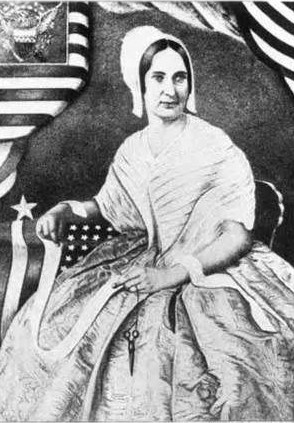
MIT: That’s probably the hardest—and most rewarding—part of writing historical fiction. The events themselves are often well documented, but people are much more complicated than the brief descriptions history leaves behind. When I encounter a historical figure, I try to look beyond the labels that have been attached to them. Take Rebecca Franks, for example.

Rebecca Franks

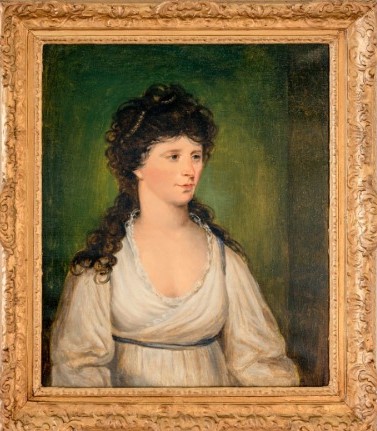
On the surface, she can be easy to categorize. She came from a prominent Jewish family, yet she was a Loyalist. She was a known flirt, witty, and resourceful (to put it kindly). She married an Englishman and ultimately lived in Britain as part of the aristocracy. Viewed from a certain angle, she might appear to have turned her back on both her countrymen and her heritage. But I found myself asking a different question: What made her the person she became? What hopes, fears, disappointments, and demands shaped her choices? The moment you start asking those questions, a historical figure stops being a name in a book and becomes a human being.

In many ways, that approach is influenced by a central idea in Judaism. At Passover, we are instructed to see ourselves as if we personally came out of Egypt. At Shavuot, we are encouraged to imagine ourselves standing at Sinai. Jewish tradition asks us to enter the story rather than merely observe it. As a novelist, I try to do something similar. I place myself in the position of my characters—both the real historical figures and the fictional ones—and ask what the world looked like through their eyes. What would I have believed? What would I have feared? What would I have hoped for? Once I can answer those questions, the boundary between history and fiction becomes much easier to navigate. The historical record provides the framework, but empathy helps fill in the spaces between the facts. That’s where the story comes alive.

AB: Philadelphia is as much of a character as the people. Did you deliberately choose the city, or was it an organic decision?

MIT: Absolutely deliberate! From the very beginning, I knew that if I was going to tell a story about Jewish life during the American Revolution, Philadelphia was the natural setting. I was drawn first to the city’s rich Jewish history. Philadelphia was home to one of the earliest and most important Jewish communities in colonial America, and many of the individuals I wanted to write about either lived there or passed through it. One figure who particularly intrigued me was Jonas Aaron, who arrived in Philadelphia in 1703 and is often considered the city’s first known Jewish resident. His presence is a reminder that Jewish history in Philadelphia stretches back long before the Revolution itself.

At the same time, Philadelphia was the political heart of the Revolution. The Continental Congress met there. Benjamin Franklin walked the streets. Betsy Ross lived and worked there. It was a city where world-changing events and ordinary daily life existed side by side. I was also fascinated by Philadelphia’s Quaker roots. William Penn’s vision created a colony that was remarkably welcoming for its time. While no eighteenth-century society was free from prejudice, Pennsylvania offered opportunities for religious minorities that were difficult to find elsewhere. Quakers, Jews, Anglicans, Presbyterians, and many others lived alongside one another, creating a vibrant and diverse community. That diversity made Philadelphia an ideal place to explore questions of identity, belonging, and citizenship during the founding of the nation.

AB: Rose and Nathan have a specific Elizabeth Bennet/Fitzwilliam Darcy energy to their relationship. Was this a deliberate choice, or did it emerge as a natural part of the writing process?

MIT: That’s a fair observation—Pride and Prejudice has been such a long-standing touchstone for me; Elizabeth and Darcy’s dynamic was always part of my creative landscape. At the same time, I didn’t want to simply recreate Austen in an American Revolutionary setting. Several of my other novels are “Austenesque” or straight-up Jane Austen fan fiction (JAFF), but I tend to introduce Jewish protagonists to the narrative, rather than portray Austen’s characters as Jews. There’s a reason for that approach.

What I’ve always found most powerful in Austen’s work is how clearly she shows the real stakes for women in her world: the very real fear of not marrying, of lacking financial security, of being labeled a spinster and therefore considered somehow “unfulfilled” or even nonessential in society. She also captures how profoundly a family’s social standing could shape the entire trajectory of a woman’s life, and how a single “wrong” choice could carry lifelong consequences. Those concerns absolutely echo through Rose and Nathan’s story, and in that sense, they do shadow Elizabeth and Darcy’s world. But as I wrote, those familiar Austen themes began to branch outward in new directions. Rose and Nathan are shaped by their Jewish identity, by a long history of displacement and persecution, and by the added weight of what it means to belong—or not belong—in a young nation trying to define itself. Their choices are not only about love, marriage, or reputation, but also about survival, continuity, and the question of whether a community that has endured centuries of exclusion can truly find a stable place in this new world. So I would say Austen gave me the emotional framework, but Rose and Nathan ultimately grew into something more layered—I hope! They are rooted in her world of social constraint and romantic tension, yet expand into broader historical and cultural realities that define their own lives.

New Post

June 11, 1776 to June 11, 2026: A Date Worth Celebrating

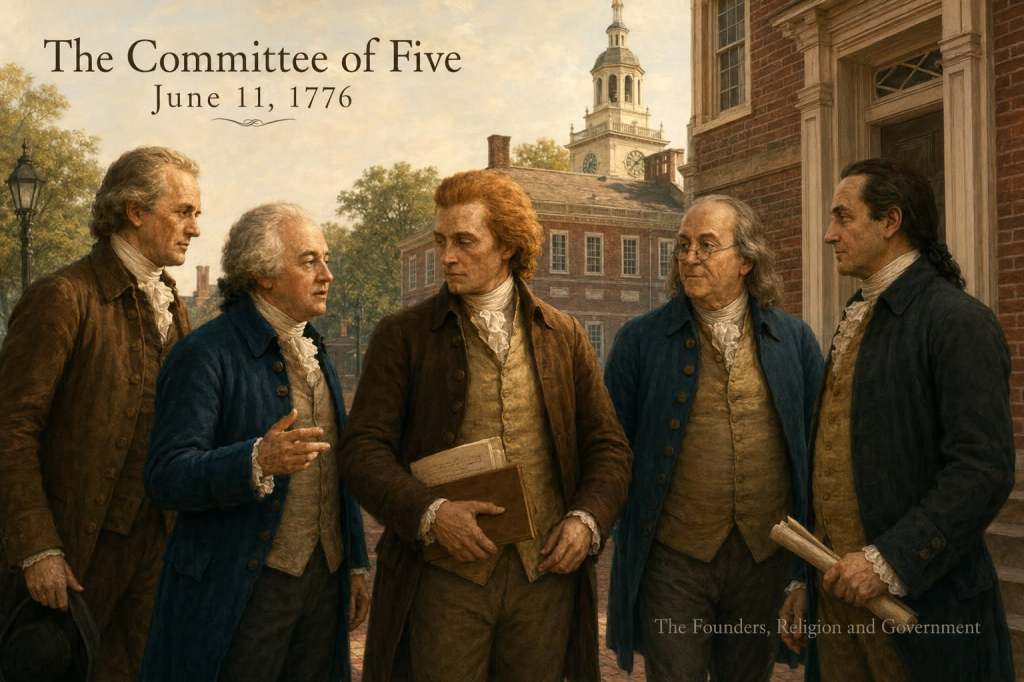
On June 11, 1776, the Second Continental Congress appointed the Committee of Five—Thomas Jefferson, John Adams, Benjamin Franklin, Roger Sherman, and Robert Livingston—to draft what would become the Declaration of Independence. Their task was nothing less than putting into words the principles upon which a new nation would be founded. Two hundred and fifty years later, on June 11, 2026, I am delighted to share a milestone of my own. The ebook pre-order for Kindle the Light of Liberty is now live on Amazon.

The timing feels especially meaningful.

My novel is set during the Revolutionary era and follows Rose, a young Jewish woman in Philadelphia, as she navigates friendship, family, faith, and the uncertain birth of a nation. Like the men charged with drafting the Declaration, my characters find themselves living through extraordinary times when the future is unwritten, and every choice carries consequences.

As I researched the period, I was struck by how often Jewish participation in the Revolution is remembered through a narrow lens, focused primarily on a handful of financiers and merchants. Kindle the Light of Liberty seeks to broaden that picture by portraying Jewish characters as fully realized people—friends, neighbors, patriots, and family members whose lives were shaped by the same hopes, fears, and sacrifices as their fellow Americans. Readers may also recognize traces of the social and emotional tensions that drew me to Jane Austen’s novels. Rose faces many of the same concerns that shaped women’s lives in Austen’s world: the importance of marriage, family expectations, financial security, and the consequences of a single ill-considered choice. Yet Rose and Nathan’s story unfolds within a different historical reality. Their lives are shaped not only by questions of love and reputation, but also by their Jewish identity and by the larger question of what it means to belong in a new nation still defining itself.

The journey toward publication has already brought wonderful opportunities to discuss the history behind the novel. On May 1, 2026, I was honored to appear as a guest author on History Imagined, where we discussed Jews in colonial America and the fascinating historical research that helped shape the story.

Early ARC (Advanced Reading Copy) readers have also begun sharing their thoughts.

From Claudia F. on Goodreads: Trupp takes the qualities I love most about Austen—witty observations, complex family relationships, social expectations, and a romance built on misunderstanding and mutual respect—and places them in Revolutionary Philadelphia…with Jewish patriots to boot! The result feels both familiar and entirely fresh.

From Judy K. on Goodreads: Trupp has done it again! As America prepares to celebrate its 250th anniversary, I can think of no better book to begin the festivities than “Kindle the Light of Liberty.”

From Mrs. W. on Goodreads: As America approaches its 250th anniversary, there seems no better time to remember that Jewish patriots were present at the nation’s founding—not standing on the sidelines, but helping to shape the course of events. 

On May 30, 2026, Writergurlny posted a thoughtful review of Kindle the Light of Liberty, highlighting the novel’s blend of historical detail, friendship, and romance. I’m also pleased to share that I’ll be returning to Writergurlny in the near future for an author interview.

There are several exciting events coming up over the next few months:

  • June 11–25, 2026: Kindle the Light of Liberty will be available to NetGalley reviewers.
  • June 28, 2026: Author Meet & Greet
  • July 4, 2026: Spotlight feature on Chick Lit Central
  • July 5, 2026: Author Meet & Greet
  • July 9, 2026: Hosted by The Coffee Pot Book Club
  • August 7, 2026: Guest post on Every Woman Dreams

As America approaches the 250th anniversary of independence, I am grateful for the opportunity to share a story set during the nation’s founding era. Historical fiction allows us to look beyond the familiar names and dates and imagine the lives of ordinary people who experienced extraordinary events firsthand. Through Rose’s eyes, readers can explore a Revolutionary America that includes voices too often overlooked, including the small but vibrant Jewish communities that helped build the new nation.

Thank you to everyone who has supported this book, reviewed it, hosted me on your blogs, or simply shared your enthusiasm for Revolutionary-era history. I look forward to celebrating the launch of Kindle the Light of Liberty with all of you in the weeks ahead.

Happy June 11th. Two hundred and fifty years ago, a committee began drafting a document that would change history. Today, I am honored to share a story inspired by the people who lived through those extraordinary times.

With love,
New Post

A National Shabbat for America at 250: How Jewish Memory Illuminates Liberty

In special honor of 250 glorious years of American independence, a national jubilee of prayer, praise, and thanksgiving has been designated for this Shabbat, Friday, May 15, 2026.

“We celebrate the contributions that Jewish Americans have made to our way of life, we honor their role in shaping the story of our Nation, and we remember that religious devotion, learning, and service to others are enduring pillars of a thriving culture,” the president stated. “Through every trial and triumph, the contributions of Jewish Americans have shaped our past, have strengthened our communities, and will continue to inspire American greatness for generations to come.”

The timing feels especially meaningful. On May 15, 1776 — exactly 250 years ago — the movement toward American independence took a decisive turn. Following the Fifth Virginia Convention’s resolution instructing its delegates to propose independence, the colonies moved more deliberately toward severing ties with Great Britain, setting the stage for the Declaration of Independence. Even Patrick Henry resigned his military commission to join the political struggle for liberty.

Yet amid revolutionary fervor, America’s founders also turned toward spiritual reflection. Congress proclaimed May 17, 1776, a “day of Humiliation, Fasting and Prayer,” revealing something often forgotten today: the first national government of the United States believed that public prosperity depended upon the moral and religious vitality of the people. Congress called for nothing less than a “spirit of universal reformation among all ranks and degrees of our citizens,” believing that such devotion would “make us a holy, that so we may be a happy people.”

There is another striking parallel. May 15, 1776 corresponded to the 26th of Iyar, during the counting of the Omer — the sacred forty-nine-day journey from Passover to Shavuot. For Jewish colonials, this timing would not have been incidental. Iyar has long been associated with healing — “I am God your healer” — and the Omer marks the movement from liberation to covenant, from freedom gained to freedom disciplined and sustained.

In the spring of 1776, those sacred weeks unfolded alongside the colonies’ own decisive movement toward independence. Passover had begun only weeks after the British evacuation of Boston, while the Omer stretched across the very period in which the Continental Congress shifted from reconciliation to preparing a declaration of independence. Colonial Jews, many of whom strongly favored the Patriot cause, often interpreted contemporary events through the language and memory of Jewish history.

Just as Passover recalls liberation from Egypt and the Omer counts the journey toward Sinai and national covenant, many Jewish colonials would have recognized in America’s struggle echoes of an older story: a people seeking freedom not merely from oppression, but toward moral purpose and self-governance. The symbolism would have been especially powerful. During the Omer, Jews engage in daily reflection and self-discipline in preparation for receiving the law at Sinai.

For Patriots — Jewish and otherwise — liberty demanded sacrifice, virtue, and responsibility. Freedom was never understood as mere release from authority, but as the difficult work of building a people capable of governing themselves.

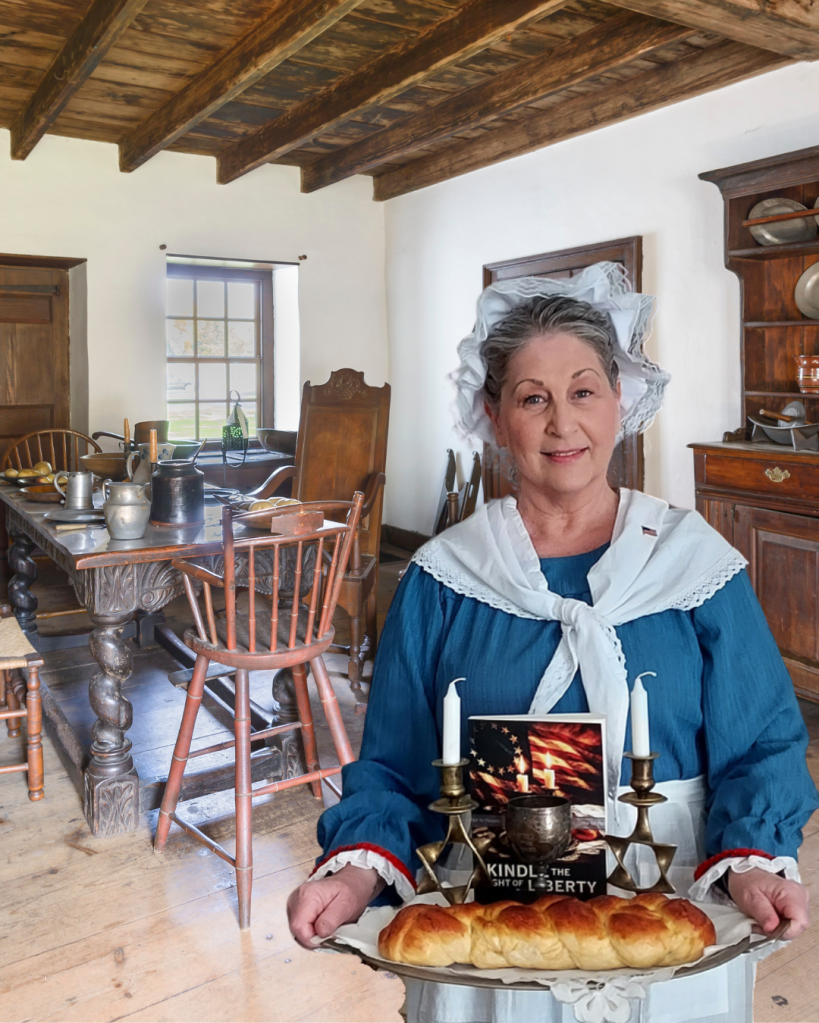
As I prepare for the release of Kindle the Light of Liberty, this moment feels particularly fitting. My novel explores not only the struggle for freedom, but the quieter truth that liberty is sustained by faith, memory, family, and the moral obligations we owe one another. Perhaps there is wisdom for all of us in Shabbat this weekend: to pause, gather with those we love, and remember that the light of liberty must continually be rekindled.

With love,

New Post

Jane Austen, the American Colonies, and the Fragility of Order


Americans have long embraced Jane Austen as though she somehow belongs to us.

We adapt her novels endlessly. We quote Elizabeth Bennet as if she were an old friend. Entire American industries have formed around Regency balls, tea culture, and Austen-inspired romance. Yet Austen herself appears to have regarded America with considerable suspicion.

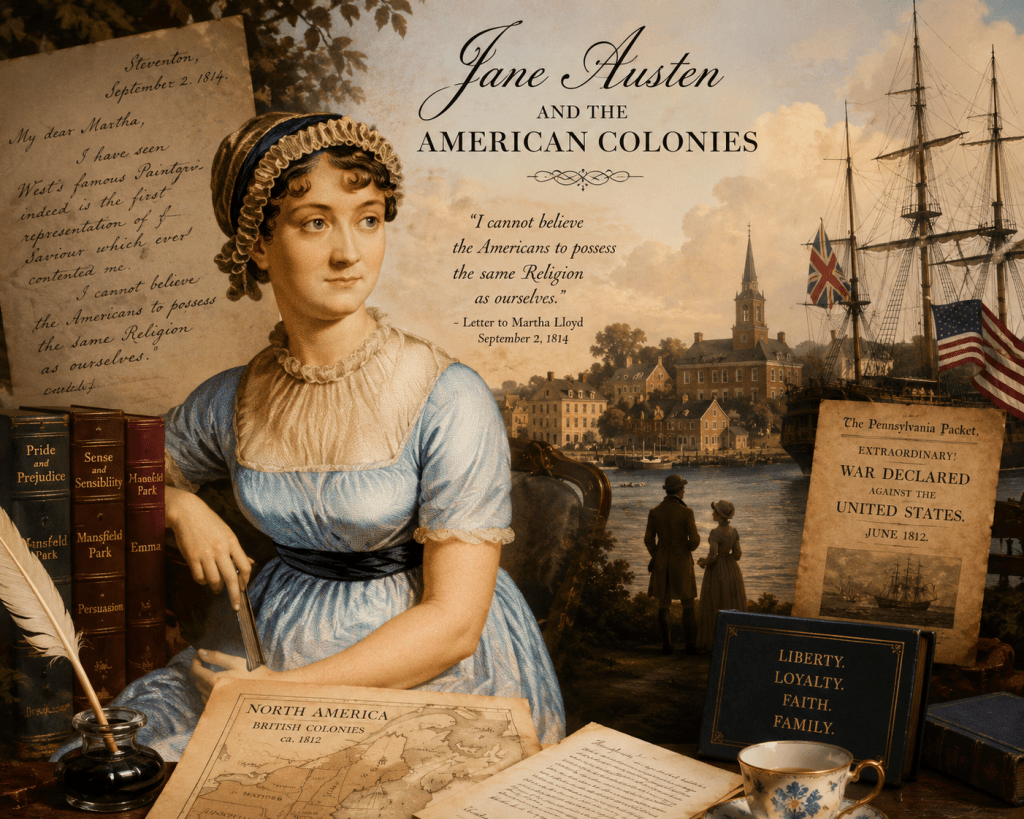
In an 1814 letter written during the War of 1812, Austen confessed that while Britain remained “a Religious Nation,” she could not believe Americans possessed the same religious seriousness. It is one of the clearest surviving glimpses of her feelings toward the young republic. To modern readers, this can feel surprising. Austen is often claimed as a proto-progressive writer whose intelligent heroines challenge social expectations. Surely such a woman would have sympathized with revolutionary ideals?

And yet Austen’s fiction consistently reveals a deep suspicion of rupture.

She was born in 1775, only two years after the Boston Tea Party and in the very year the American Revolutionary War began. She grew up in a Britain shaken by the loss of the colonies and later horrified by the violence of the French Revolution. To Austen’s generation, revolution did not necessarily signify liberty. It often signified instability, betrayal, bloodshed, and the collapse of inherited order.

And betrayal, notably, becomes one of Austen’s great fictional obsessions.

Again and again, her novels revolve around broken trust tied to money, advancement, or self-interest. In Sense and Sensibility, Willoughby abandons Marianne for wealth. In Emma, Frank Churchill deceives nearly everyone around him to preserve his inheritance prospects. In Pride and Prejudice, George Wickham’s trail of deception—from his attempt on Georgiana’s fortune to his ruinous elopement with Lydia—exposes how easily self-interest can dismantle a family’s social standing. Even the pragmatic marriage of Charlotte Lucas feels like a betrayal of shared ideals to Elizabeth, proving that trust is often sacrificed at the altar of security.  Finally, in Persuasion, Anne Elliot’s broken engagement becomes a quiet meditation on loyalty, regret, and wounded trust.

But Austen rarely discussed politics directly; instead, she wove its themes into the fabric of everyday life. In her novels, the tensions shaping nations often reveal themselves within families: through inheritance, courtship, duty, and belonging. The fractures of public life become emotional burdens that society must somehow bear together. I suppose, as a Jewish reader, this resonates with me. Contemporary culture often romanticizes revolution and social upheaval. Jewish history, however, tends to remember the cost.

Across centuries, revolutions, wars, and collapsing social orders rarely produced immediate freedom for Jews. More often, they unleashed uncertainty, scapegoating, displacement, or violence.

Stability itself became precious.

Maybe that’s why Austen’s suspicion of political rupture feels less alien to me than it might to some modern readers. Beneath the wit and courtship plots lies an intense concern with continuity: how families endure, how moral inheritance survives, and how fragile civilization can become when loyalty gives way to appetite and self-interest. This made a strong basis for my new novel, Kindle the Light of Liberty, which explores life in Colonial America during another age of uncertainty and transformation. For Jews living through the Revolutionary era, it was not merely a philosophical debate about liberty. It was personal and precarious. Jewish communities in places like New York City, Newport, Charleston, and Philadelphia had to navigate divided loyalties, economic instability, shifting governments, and the eternal question every Jewish community has faced in exile: will this society remain safe tomorrow?

Some Jews supported the Revolution enthusiastically. Others feared the chaos that revolutions inevitably unleash. Many simply hoped to preserve their families, faith, and fragile place within society while empires battled around them. That tension between liberty and stability, hope and uncertainty, reinvention and continuity feels profoundly Austenian to me—even though Austen herself may never have intended it so. After all, the author’s greatest conflicts are about what happens to human relationships when social structures begin to shift. Her characters must navigate competing claims of duty, desire, inheritance, class, morality, and personal freedom. Beneath the drawing rooms and courtships lies a deeper anxiety about continuity itself: what must be preserved, what may change, and what is lost when loyalty gives way to self-interest. That is one reason Elizabeth Bennet and Fitzwilliam Darcy profoundly influenced the dynamic between Rose Wachsman and Nathan Hirsch—characters in my own forthcoming novel. Their misunderstandings are not merely romantic obstacles; they reflect the delicate balance between personal freedom and communal expectation, individual judgment and inherited responsibility. Those tensions felt especially relevant to me while writing about Jews in Colonial America, where questions of loyalty, belonging, security, and identity were not theoretical abstractions, but daily realities.

Austen may never have trusted revolutions. But she understood what it meant to live in a world where old certainties were beginning to fracture. Perhaps that is why her novels still speak so powerfully to readers shaped by histories of displacement, endurance, and survival — to readers who know how fragile civilization, continuity, and belonging can become. If these themes resonate with you, I invite you to journey into the world of Kindle the Light of Liberty. Through the lives of Rose Wachsman and Nathan Hirsch, the novel explores what it meant for Jewish families to navigate a revolutionary age while trying to preserve faith, belonging, and hope in an ever-shifting world.

Kindle the Light of Liberty will be released this July.

With love,

New Post

My Guest Post on History Imagined; what an honor!

I had the honor of submitting a guest post on the History Imagined blog. I invite you to click on the link below and read the article. Please share your comments there; I’d love to read your thoughts on the topic of #jewsincolonialamerica

Shabbat Shalom and God Bless America!

New Post

In Honor of the 250th Anniversary of This Great Nation’s Independence: Let’s Discuss Jewish American Colonists

A candle to one is a candle to many ~ Talmud, Shabbos 23b

I am thrilled to share a first look at my new novel, Kindle the Light of Liberty, arriving on July 4, 2026! As we approach the 250th anniversary of this nation’s Independence, I wanted to write a tribute to the diverse, complex voices of the Revolutionary period—especially the Jewish colonists who fought for a home in the new Republic.

While my characters, Rose Wachsman and Nathan Hirsch, are definitely influenced by the sharp, social wit of Jane Austen, this story isn’t just about parlors and assemblies; it’s about the hidden sparks of rebellion carried by those whom history often overlooks.

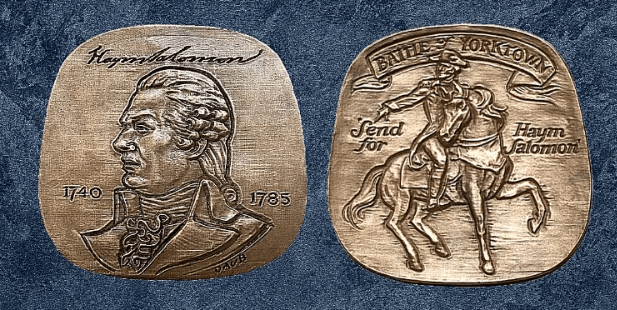
Remarkable figures navigated quiet alliances and treacherous loyalties before and after 1776. People such as: Frances Sheftall, Mordecai Sheftall, Haym Solomon, Issac Franks, The Gratz Family, Abigail Minis, Gerhom Mendes Seixas, Jonas Phillips, Moses Michael Hayes, Solomon Bush, and many more! We often focus on the muskets and battles, but liberty was also won in the shadows by men and women of profound faith and courage.

I’ve called this an American Revolution Love Story. I suppose you can interpret that in different ways. There is a familiar Pride and Prejudice trope, certainly, but as Jane Austen wrote, “there are as many forms of love as there are moments in time.” I can think of a few: Love of Country. Love of Heritage. Love of Liberty. 

It is such an honor to celebrate these unsung patriots as we prepare for this massive milestone in our nation’s history! Please look for the book on Amazon this July!

They had no voice. They held no power. Yet they helped decide the fate of a nation.

In the bustling streets of Philadelphia, Rose Wachsman has no time for the rigid expectations of her community—and even less for the infuriatingly reserved Nathan Hirsch.

She is a woman of the hearth, sharp-witted and fiercely loyal to the cause of liberty; he is a man of business and tradition, seemingly more concerned with ledgers than the fires of revolution.

But as the war moves from a tradesman’s chandlery to the parlors of the elite, Rose and Nathan find themselves forced into a dangerous game of intelligence and alliance. In a world that would rather forget their names, they must overcome their own prejudices to discover that their greatest adversary might be their only hope.

New Post

Jews and Christmas~ A look at Chess and its Role in the life of Regency Jews

Most everyone knows the modern quip that American Jews eat Chinese food on Christmas. Less remarked upon—but far older—is the tradition of playing chess. Its origins lie in the long and uneven Jewish experience of Christmas in Christian lands, yet its meaning has not been static. By the time of the Regency era in England, the custom no longer arose from fear, but from habit, memory, and choice.

For centuries across much of Eastern and Central Europe, Christmas Eve had been a perilous night for Jews. Authorities often warned—or compelled—Jewish residents to remain indoors during Christian holy days. Synagogues and schools were closed; travel after dark could invite harassment or violence. In some regions, Christmas celebrations coincided with pogroms and mob attacks. Rabbinic leaders, concerned for the safety of their students, prohibited leaving home to study Torah on that night. From these conditions emerged the practice known as 𝑵𝒊𝒕𝒕𝒆𝒍 𝑵𝒂𝒄𝒉𝒕.

Jews remained indoors not out of preference, but prudence. Because Torah study is traditionally associated with joy and spiritual elevation, it was avoided on 𝑵𝒊𝒕𝒕𝒆𝒍 𝑵𝒂𝒄𝒉𝒕 as a gesture of mourning—both for the immediate danger of the season and, over time, for the accumulated memory of lives lost during Christmas-time persecutions. In the absence of study and public activity, permitted forms of diversion filled the long winter hours. Chess, a game of logic, foresight, and disciplined thought, proved ideally suited. It required no public exposure, violated no religious prohibitions, and exercised the intellect. Cards and even modest gambling sometimes accompanied it, since Christmas was neither a Jewish festival nor the Sabbath.

Yet England offered a different setting. By the late eighteenth and early nineteenth centuries, Jews living in London—especially in areas such as Whitechapel, or in Manchester or Liverpool—did not face the same threats that had shaped 𝑵𝒊𝒕𝒕𝒆𝒍 𝑵𝒂𝒄𝒉𝒕 on the Continent. While full civic equality had not yet been achieved, English Jews enjoyed a level of legal protection, economic participation, and physical security rare in European Jewish history. Christmas Eve was not a night of shuttered fear, but one of quiet withdrawal from a holiday not their own. Staying in was less an act of survival than of cultural distinction.

In this context, chess persisted not as a response to danger, but as an inherited custom refined by circumstance. It became a familiar way to mark the evening: thoughtful, domestic, and communal. The game itself had long resonated within Jewish intellectual culture. Its emphasis on layered strategy and consequence mirrored modes of Talmudic reasoning. Medieval authorities recognized this affinity early on. Rashi, writing in eleventh-century France, discussed chess’s educational value and even encouraged Jewish women to play. In twelfth-century Spain, Abraham ibn Ezra famously praised the game in Hebrew verse:

𝑻𝒘𝒐 𝒄𝒂𝒎𝒑𝒔 𝒇𝒂𝒄𝒆 𝒆𝒂𝒄𝒉 𝒐𝒏𝒆 𝒕𝒉𝒆 𝒐𝒕𝒉𝒆𝒓,

𝒀𝒆𝒕 𝒏𝒐 𝒔𝒘𝒐𝒓𝒅𝒔 𝒂𝒓𝒆 𝒅𝒓𝒂𝒘𝒏 𝒊𝒏 𝒘𝒂𝒓𝒇𝒂𝒓𝒆,

𝑭𝒐𝒓 𝒂 𝒘𝒂𝒓 𝒐𝒇 𝒕𝒉𝒐𝒖𝒈𝒉𝒕𝒔 𝒕𝒉𝒆𝒊𝒓 𝒘𝒂𝒓 𝒊𝒔.

The Ashkenazi tradition of playing chess on Christmas Eve—now more than four centuries old—originated not in leisure, but in survival. What began as a response to fear and enforced isolation endured long after pogroms waned, preserved in Hasidic communities as a meaningful custom. A Hasidic story captures the deeper symbolism of the game:

𝑶𝒏𝒄𝒆, 𝑹𝒂𝒃𝒃𝒊 𝒀𝒐𝒔𝒆𝒇 𝒀𝒊𝒕𝒛𝒄𝒉𝒂𝒌 𝒘𝒂𝒔 𝒑𝒍𝒂𝒚𝒊𝒏𝒈 𝒄𝒉𝒆𝒔𝒔 𝒐𝒏 𝑵𝒊𝒕𝒕𝒆𝒍 𝑵𝒂𝒄𝒉𝒕 𝒘𝒊𝒕𝒉 𝑹𝒆𝒃 𝑬𝒍𝒄𝒉𝒐𝒏𝒐𝒏 𝑫𝒐𝒗 𝒐𝒇 𝑹𝒂𝒅𝒋𝒐𝒗. 𝑯𝒊𝒔 𝒇𝒂𝒕𝒉𝒆𝒓, 𝑹𝒂𝒃𝒃𝒊 𝑺𝒉𝒂𝒍𝒐𝒎 𝑩𝒆𝒓, 𝒆𝒏𝒕𝒆𝒓𝒆𝒅 𝒕𝒉𝒆 𝒓𝒐𝒐𝒎 𝒂𝒏𝒅 𝒒𝒖𝒊𝒆𝒕𝒍𝒚 𝒐𝒃𝒔𝒆𝒓𝒗𝒆𝒅, 𝒔𝒂𝒚𝒊𝒏𝒈 𝒐𝒏𝒍𝒚, “𝑰 𝒘𝒊𝒍𝒍 𝒏𝒐𝒕 𝒈𝒊𝒗𝒆 𝒂𝒏𝒚 𝒂𝒅𝒗𝒊𝒄𝒆.” 𝑾𝒉𝒆𝒏 𝒕𝒉𝒆 𝒈𝒂𝒎𝒆 𝒆𝒏𝒅𝒆𝒅, 𝒉𝒆 𝒔𝒑𝒐𝒌𝒆. “𝑨 𝑱𝒆𝒘 𝒔𝒉𝒐𝒖𝒍𝒅 𝒌𝒏𝒐𝒘 𝒕𝒉𝒂𝒕 𝒊𝒏 𝒕𝒉𝒆 𝒉𝒆𝒂𝒗𝒆𝒏𝒍𝒚 𝒔𝒑𝒉𝒆𝒓𝒆𝒔 𝒕𝒉𝒆𝒓𝒆 𝒂𝒓𝒆 𝒇𝒊𝒆𝒓𝒚 𝒂𝒏𝒈𝒆𝒍𝒔 𝒍𝒊𝒌𝒆 𝒕𝒉𝒆 𝒎𝒂𝒋𝒐𝒓 𝒑𝒊𝒆𝒄𝒆𝒔 𝒐𝒏 𝒂 𝒄𝒉𝒆𝒔𝒔𝒃𝒐𝒂𝒓𝒅. 𝑻𝒉𝒆𝒚 𝒄𝒂𝒏 𝒎𝒂𝒌𝒆 𝒈𝒓𝒆𝒂𝒕 𝒎𝒐𝒗𝒆𝒔, 𝒃𝒖𝒕 𝒕𝒉𝒆𝒚 𝒄𝒂𝒏𝒏𝒐𝒕 𝒓𝒊𝒔𝒆 𝒉𝒊𝒈𝒉𝒆𝒓 𝒕𝒉𝒂𝒏 𝒕𝒉𝒆𝒊𝒓 𝒔𝒕𝒂𝒕𝒊𝒐𝒏. 𝑻𝒉𝒆𝒏 𝒕𝒉𝒆𝒓𝒆 𝒂𝒓𝒆 𝒔𝒊𝒎𝒑𝒍𝒆 𝑱𝒆𝒘𝒊𝒔𝒉 𝒔𝒐𝒖𝒍𝒔, 𝒍𝒊𝒌𝒆 𝒑𝒂𝒘𝒏𝒔, 𝒂𝒅𝒗𝒂𝒏𝒄𝒊𝒏𝒈 𝒐𝒏𝒆 𝒔𝒕𝒆𝒑 𝒂𝒕 𝒂 𝒕𝒊𝒎𝒆. 𝒀𝒆𝒕 𝒘𝒉𝒆𝒏 𝒕𝒉𝒆𝒚 𝒓𝒆𝒂𝒄𝒉 𝒕𝒉𝒆 𝒐𝒕𝒉𝒆𝒓 𝒆𝒏𝒅 𝒐𝒇 𝒕𝒉𝒆 𝒃𝒐𝒂𝒓𝒅, 𝒕𝒉𝒆𝒚 𝒄𝒂𝒏 𝒃𝒆𝒄𝒐𝒎𝒆 𝒂𝒏𝒚 𝒑𝒊𝒆𝒄𝒆—𝒆𝒗𝒆𝒏 𝒂 𝒒𝒖𝒆𝒆𝒏. 𝑻𝒉𝒓𝒐𝒖𝒈𝒉 𝒔𝒆𝒍𝒇-𝒓𝒆𝒇𝒊𝒏𝒆𝒎𝒆𝒏𝒕 𝒂𝒏𝒅 𝒔𝒑𝒊𝒓𝒊𝒕𝒖𝒂𝒍 𝒘𝒐𝒓𝒌, 𝒂 𝑱𝒆𝒘 𝒄𝒂𝒏 𝒂𝒔𝒄𝒆𝒏𝒅 𝒕𝒐 𝒈𝒓𝒆𝒂𝒕 𝒉𝒆𝒊𝒈𝒉𝒕𝒔. 𝑩𝒖𝒕 𝒂𝒃𝒐𝒗𝒆 𝒂𝒍𝒍 𝒔𝒕𝒂𝒏𝒅𝒔 𝒕𝒉𝒆 𝑲𝒊𝒏𝒈—𝒕𝒉𝒆 𝑲𝒊𝒏𝒈 𝒐𝒇 𝑲𝒊𝒏𝒈𝒔—𝑾𝒉𝒐 𝒓𝒆𝒊𝒈𝒏𝒔 𝒔𝒖𝒑𝒓𝒆𝒎𝒆 𝒐𝒗𝒆𝒓 𝒂𝒍𝒍 𝒄𝒓𝒆𝒂𝒕𝒊𝒐𝒏.”

By the Regency period and certainly into the Victorian-era, chess had also become a site of Jewish cultural confidence. Jewish players were increasingly visible among Europe’s leading exponents of the game. Aaron (Albert) Alexandre, for example, emerged as a celebrated chess master and prolific writer. In 1838, he defeated Howard Staunton in a London match, cementing his reputation within England’s thriving chess world. He was followed by Wilhelm Steinitz who won the first official world championship in 1886 and Emanuel Lasker who domintated the title throughout the 19th century. Art, too, reflected this moment. In a well-known painting by Moritz Daniel Oppenheim, a chess game unfolds beneath the inscription:

ברוך אתה בבואך וברוך אתה בצאתך

If you look closely, you will see the Hebrew phrase which, translated, states: Blessed shalt thou be when thou comest in, and blessed shalt thou be when thou goest out.

The scene belongs to the age of Enlightenment, when Jewish participation in modern society was increasingly visible. Oppenheim’s chess-playing figures evoke not conflict, but dialogue—recalling, perhaps, the famous encounter in which the Swiss clergyman Johann Kaspar Lavater attempted, unsuccessfully, to convert Moses Mendelssohn. Mendelssohn’s calm refusal, calling for reason and tolerance, seems to mirror the chessboard itself, doesn’t it? A true debate is a contest of ideas conducted without coercion. At least, one can hope!

Today, playing chess on Christmas functions less as a response to danger and more as a conscious act of continuity. It is no longer an act of watchfulness born of necessity, but a way of passing the hours in quiet thought, while bearing witness to a modern world in which Jewish and Christian lives meet not in fear or exclusion, but in shared seasons and mutual respect.

Wishing you the joys of the season, with love,

New Post

Celebrating Jane Austen’s 250th birthday; A Jewish Austen Fan Fiction Author’s Review of the Year

It has been a grand celebration! All year long, Janeites from around the world have been celebrating Jane Austen’s 250th birthday. Naturally, there have been events in Chawton, Hampshire where the author lived and wrote her novels. The city of Bath in Somerset, held a Yuletide Birthday Ball. A special church service was held in Steventon in Hampshire where Jane was born. The Jane Austen Society of North America (JASNA), with a membership exceeding 6,000, organized balls, brunches, and teas across the land. Beyond this, thousands more around the globe—from Argentina to Israel, Australia to the Czech Republic, and places far and wide—gathered to commemorate the occasion. 𝑾𝒉𝒂𝒕 𝒂 𝒕𝒐-𝒅𝒐!

Professor Michael Kramp of Lehigh University in Pennsylvania invited me to participate in his ongoing public humanities research project entitled, “Jane Austen and the Future of the Humanities.” I’m still blushing…what an honor! We spoke of my passion of incorporating Jewish protagonists into Austen’s storylines and even explored the cultural and historical roots of Argentina’s vibrant Austen fandom. I will share that interview once the episode is ready to be released and aired on his podcast.

Soon after, I was contacted by Juana Libedinsky, journalist and novelist extraordinaire! She was conducting research for her (now released) book, Queremos tanto a Jane. The scope of that work speaks to the longevity of Austen’s popularity. One of my titles, The Meyersons of Meryton, had led Juana to me. She soon discovered that I had also written a JAFF with connections to colonial (or Regency) Argentina. We talked quite a bit about my immigrant experience and how I connected Austen with the Viceroyalty of Rio de la Plata in Celestial Persuasion.

Between the three of us, we covered Buenos Aires, New York, London, Las Vegas, Nevada and Bethlehem PA.!

Throughout this year, I have had the pleasure of attending Regency teas and was the guest speaker at various book clubs.

In May, I attended the annual Jewish Book Council’s Network Conference where I presented, The Jews of Donwell Abbey: An Emma Vagary. We were each given two minutes to “pitch” our book. No pressure, right? In all honesty, it was a strange combination of anxiety and pride and fun!

The culmination of the year was two-fold. I attended JAFFCon 2025, where I met with other authors and readers of Jane’s fandom. Lively discussions and informative presentations were coupled with games, raffles, dancing, and the partaking of refreshments!

Lastly, I attended the Vegas PBS Annual Tea, where we celebrated Jane’s birthday and enjoyed a wonderful presentation by world renown historian, author, and curator, Lucy Worsley. I heartfelt ‘thank you’ to Cindy Jensen for the invitation!

Austen’s fandom is alive and well! I look forward to new experiences, new stories, and connecting with my fellow Janeites throughout the world!

New Post

Celebrating Chanukah~ A Look at the Festival of Lights During the Regency Era

What’s a nice, Jewish girl to do when the vast majority of the population is snuggling by a roaring fire with Hallmark movies and Dickens’ classics? Well, I’ll tell you. If that nice, Jewish girl happens to write Jane Austen Fan Fiction, she may share a little bit of history on the Jewish Festival of Lights. She may also share a snippet or two from her novels to illustrate the true meaning of the season.

I’ll stop writing in the third person now…

I realize that we’re still in the fall season here in the northern hemisphere, and there are other holidays to commemorate before we head into the darkest part of the year. However, I felt that this post was well-timed as the Jewish community has been experiencing “the darkest part of the year” since the horrific events of October 7, 2023. To date, we are still waiting for all of our hostages to be returned.

In just a few weeks’ time, we will begin preparing our latkes and sufgenyiot for our holiday meals. Dreidels and coins will decorate our tables too. The battles that were won, the significance of the dreidels and coins, the reasons why we eat fried foods—or, even dairy—are all well documented; you can read more about it here.

A Great Miracle Happened There!

Chanukah tells the tale of an impossible victory over the mighty Greek army in the 2nd century. This was a true, historical event—a terrestrial miracle that serves as reminder that Jerusalem and the Temple were lost and recovered due to the Maccabean revolt against tyranny and forced assimilation.

The second miracle of the holiday, however, is not so tangible. It is the story of how a small vial of sanctified oil was able to keep the Temple’s menorah lit for eight days and nights. The flames of the chanukkiah (the Chanukah menorah) speak to faith (emunah) and trust (bitachon). In celebrating this holiday, we are encouraged to emulate these characteristics, even when the world is enveloped in darkness—even when we are heartbroken and our spirits are brought low. As an author of Jane Austen Fan Fiction (J.A.F.F.), I wanted to highlight these themes, and show how I have attempted to underscore their importance in my J.A.F.F. or Jewish Austen Fan Fiction.

The Hebrew greeting noted above is transliterated as Chag Chanukah Sameach, which means Happy Chanukah Holiday. No doubt, you have seen many different spellings of Chanukah, Hanukkah, even Januca—as it is written in Spanish. While many people call it a minor holiday—it’s not included in the Torah (the Five Books of Moses a.k.a. Pentateuch)—it has been commemorated by Jews for centuries… even in Jane Austen’s time.

On November 5, 1817, just prior to the holiday season in Regency England, tragedy struck. Princess Charlotte, the Prince Regent’s daughter, and heiress-presumptive to the throne, died after giving birth to a still-born son. The whole of the empire had been following this pregnancy; Charlotte was a favorite amongst the British people and her marriage to Prince Leopold of Saxe-Coburg-Gotha had been a love match. The public were besotted by their fairy-tale union and by what the couple’s future foretold; however, Charlotte’s death at the age of twenty-one threw a stunned nation into deep mourning.

The outpour of grief for the young woman and her child was said to be unprecedented. Mourning protocols were highly respected during this period of time. Needless to say, when the deceased was a member of the royal family, and a favorite at that, the public were united in their sorrow.

“It really was as though every household throughout Great Britain had lost a favourite child.” ~ Henry Brougham

The Royal Exchange, the Law Courts, merchants, tradesmen, and schools closed down. There was a shortage of black cloth, as everyone wished to show their respect by wearing mourning armbands. Jane Austen and her family would have participated in these rituals. Naturally, the Jewish community aligned themselves with their compatriots.

Per the Gregorian calendar, November 19, 1817 correlated to the Hebrew date of the 10th of Kislev, 5578. Prior to the tragic news, Jewish congregations throughout the land would have been planning for the upcoming Festival of Lights; Chanukah falls on the 25th of Kislev. However, all such preparations came to a halt upon receiving the sorrowful news.

On November 19th, a memorial service was organized for “prayer and psalms for the day of grief” in the Great Synagogue, St. James’s Place. Congregants were allowed to “pour out their complaint before the Lord, on the day of burial of H.R.H. the Princess Charlotte.”

Hyman Hurwitz, the head master of a “fashionable” Jewish school at Highgate, composed Mourn the Bright Rose: A Hebrew Dirge and it was chanted to the tune of a well-known composition, typically recited on the Ninth of Av—a tragic and solemn occasion on the Hebrew calendar.

Rabbi Tobias Goodman, known amongst his congregation as Reb Tuvya, spoke on “the universally regretted death of the most illustrious Princess Charlotte of Wales and Saxe-Coburg.” Rabbi Goodman quoted Ecclesiastes in saying, “A good name is better than precious ointment, and the day of death than the day of one’s birth.  It is better to go to the house of mourning than to the house of feasting, for that is the end of all men; and the living will lay it to his heart.”

I don’t know what followed. Perhaps the rabbi repeated the time-honored phrase, “Od lo avda tikvatienu,” (our hope is not extinguished) capturing the essence of Chanukah. He might have referenced Joseph and his brothers in Egypt, by saying: “Praiseworthy is he who places his faith in God” and “Remember I was with you.” Whatever else was said that day, I can only imagine the congregation went home with words of consolation and hope.

Jane Austen said, “My characters shall have, after a little trouble, all that they desire.” That speaks to her genius, of course. As in any book, there needs to be an arc to the storyline. There needs to be growth. The heroine must face her fears and rise above the obstacles placed in her path.

In my novels, these concepts are interwoven in Becoming Malka, Destiny by Design: Leah’s Journey, Celestial Persuasion, and most recently in The Jews of Donwell Abbey: An Emma Vagary. In keeping with Miss Austen’s playbook, my characters—Molly, Leah, Abigail and even Harriet Smith—all have a little trouble, but it is ultimately their faith and trust that helps achieve their Happily-Ever-After ending.

Of all my books, I think The Meyersons of Meryton highlights the Chanukah message best. In this story, due to a variety of unforeseen circumstances, Mrs. Meyerson—the rabbi’s wife—and Mrs. Bennet find themselves much in one another’s company. Miss Catherine Bennet (Kitty, as we know her) has endeared herself to the rebbetzin and her young daughter, Rachel. In a rather poignant moment, Kitty makes an emotive declaration and both Mrs. Meyerson and Mrs. Bennet are moved—most profoundly.

The passage below is a snippet of the final chapter, where Mr. and Mrs. Bennet have an interesting exchange.


An Excerpt from The Meyersons of Meryton

When the happy couples at length were seen off and the last of the party had departed Longbourn, Mr. and Mrs. Bennet were found in the dining room quite alone, sharing the last bit of port between them.

“What shall we do now, Mrs. Bennet, with three daughters married?”

Surprised at being asked her opinion, Mrs. Bennet gave the question some thought before replying. “I suppose we have earned a respite, husband. Let us see what Life has in store for us.”

“No rest for the weary, my dear, for soon Mary will leave us and then Kitty. We shall have to make arrangements for the inevitable. Perhaps you shall live with one of the girls when I am gone and Mr. Collins inherits the place.”

“Mr. Bennet,” she giggled, “you should have more bitachon.”

“I beg your pardon?”

Perhaps it was the port, or perhaps it was pure exhaustion, but Mrs. Bennet found she had no scruple in sharing the entire tale of Chanukah with her most astonished husband. “Pray Mr. Bennet,” she finally concluded, “what was the true miracle of this holiday?”

“The logical answer,” he replied dryly, “would point to the miracle of such a small group of men overcoming a fierce and mighty army.”

“No, that is not it.” She giggled, as a hiccup escaped her lips.

“Well then,” he sighed, “the esoteric answer would point to the miracle of the oil lasting eight nights.”

“No, Mr. Bennet. Again, you are incorrect.”

“Pray tell me, wife, what then was the miracle, for I can see that you may burst with anticipation for the sharing of it!”

“The miracle, sir, was that they had bitachon. I do hope I am pronouncing correctly. At any rate, it means trust. They knew they only had one vial of sacred oil and had no means to create more. They lit the candle and left the rest up to the Almighty. And that is exactly what we should do in our current circumstance.”

“My dear, it is a lovely tale and I am certain that it has inspired many generations before us and will inspire many generations after we are long gone, but it does not change the fact that Mr. Collins is to inherit Longbourn…”

“Longbourn is entailed to Mr. Collins if we do not produce a son.”

“Yes, and well you know that we have produced five daughters, although you are as handsome as any of them, Mrs. Bennet. A stranger might believe I am the father of six!” he said with sincere admiration.

“You flatter me, Mr. Bennet. I certainly have had my share of beauty, but I wish to say…”

“You were but a child when we wed,” he waved her silent, “not much more than Lydia’s age, if I recall. But, my dear, that is neither here or there, for in all this time a son has not been produced and there’s nary a thing to do for it!”

“Mr. Bennet, there is something I have been meaning to tell you. That is, if you could spare a moment of your time—or does your library call you away?”

His wife’s anxious smile made him feel quite the blackguard. Had he not made a promise in Brighton? Did he not vow he would change his ways? Mr. Bennet decided it was high time he put the good rabbi’s advice into practice. Bowing low, he replied, “Madam, I am your humble servant.”

Happier words had never been spoken.


No matter which holiday you celebrate this December, whether the lights of your chanukkiah or the lights of your Christmas tree shine brightly against the dark, wintery nights, I hope your home and your hearts are blessed with peace.

With love,