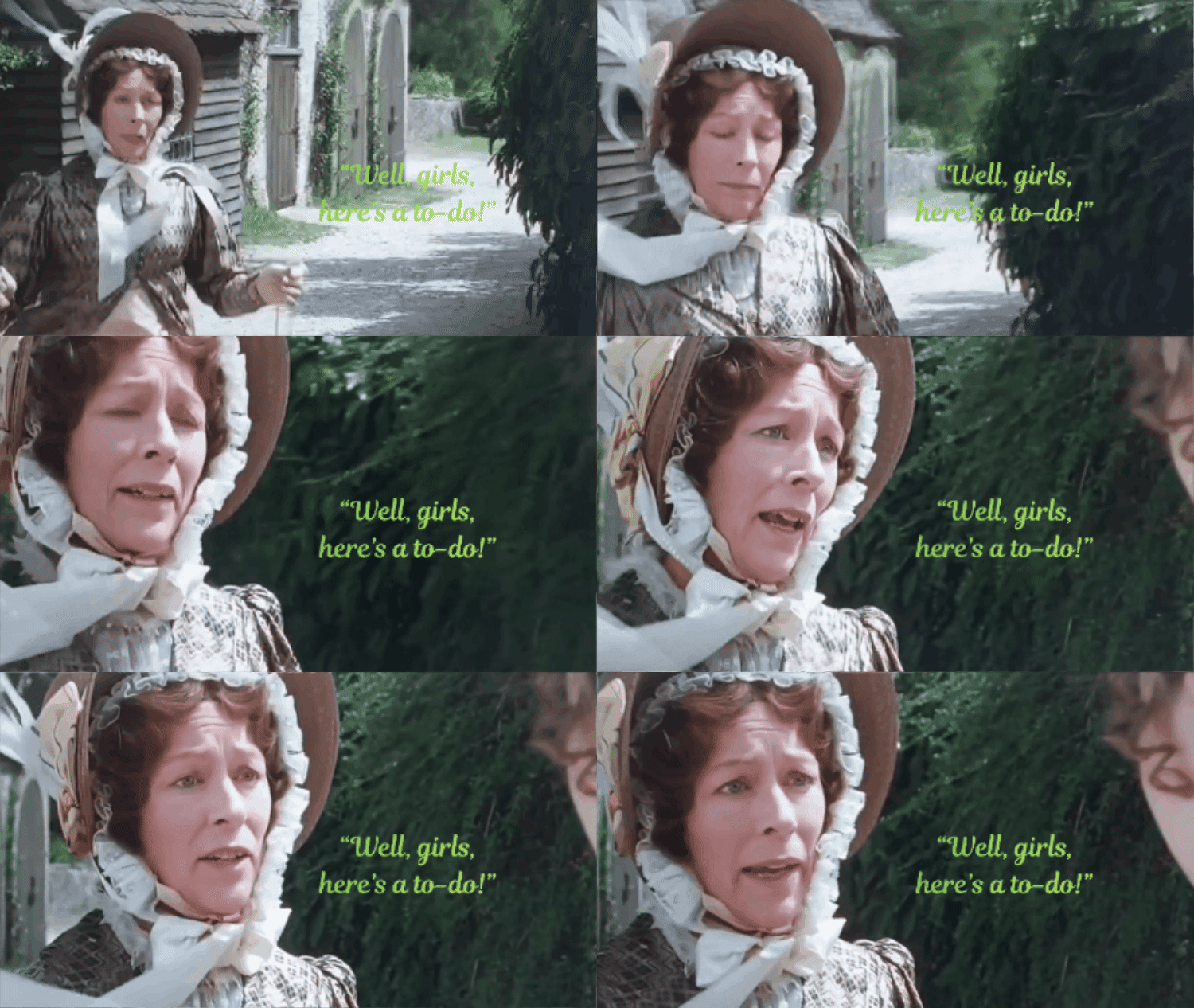
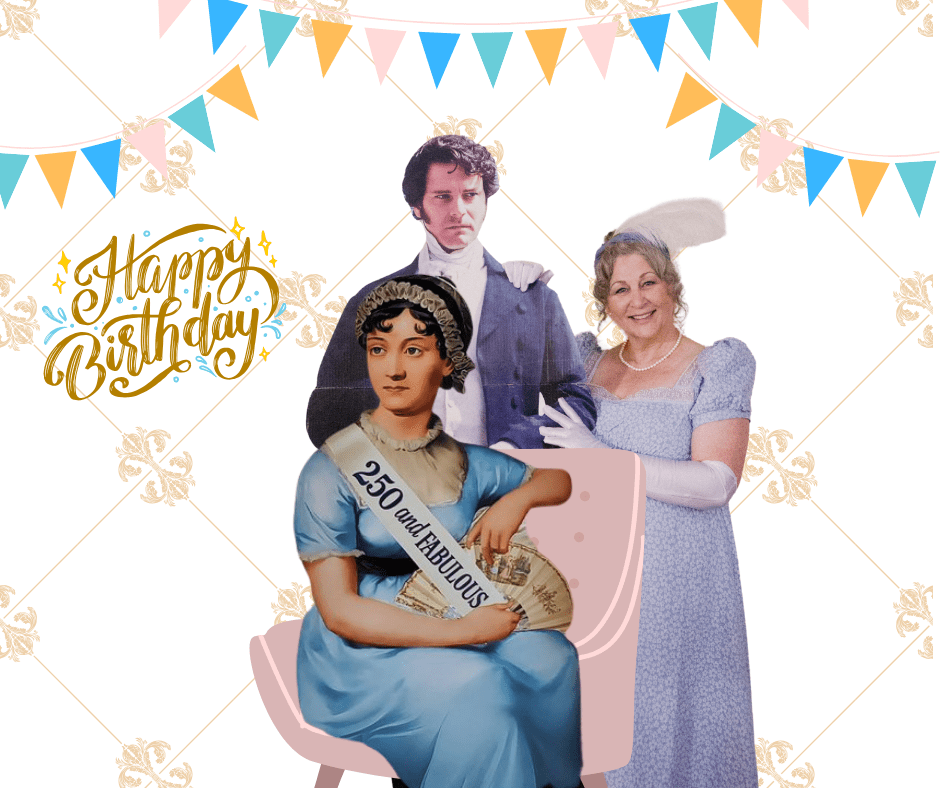
It has been a grand celebration! All year long, Janeites from around the world have been celebrating Jane Austen’s 250th birthday. Naturally, there have been events in Chawton, Hampshire where the author lived and wrote her novels. The city of Bath in Somerset, held a Yuletide Birthday Ball. A special church service was held in Steventon in Hampshire where Jane was born. The Jane Austen Society of North America (JASNA), with a membership exceeding 6,000, organized balls, brunches, and teas across the land. Beyond this, thousands more around the globe—from Argentina to Israel, Australia to the Czech Republic, and places far and wide—gathered to commemorate the occasion. 𝑾𝒉𝒂𝒕 𝒂 𝒕𝒐-𝒅𝒐!
Professor Michael Kramp of Lehigh University in Pennsylvania invited me to participate in his ongoing public humanities research project entitled, “Jane Austen and the Future of the Humanities.” I’m still blushing…what an honor! We spoke of my passion of incorporating Jewish protagonists into Austen’s storylines and even explored the cultural and historical roots of Argentina’s vibrant Austen fandom. I will share that interview once the episode is ready to be released and aired on his podcast.
Soon after, I was contacted by Juana Libedinsky, journalist and novelist extraordinaire! She was conducting research for her (now released) book, Queremos tanto a Jane. The scope of that work speaks to the longevity of Austen’s popularity. One of my titles, The Meyersons of Meryton, had led Juana to me. She soon discovered that I had also written a JAFF with connections to colonial (or Regency) Argentina. We talked quite a bit about my immigrant experience and how I connected Austen with the Viceroyalty of Rio de la Plata in Celestial Persuasion.
Between the three of us, we covered Buenos Aires, New York, London, Las Vegas, Nevada and Bethlehem PA.!
Throughout this year, I have had the pleasure of attending Regency teas and was the guest speaker at various book clubs.
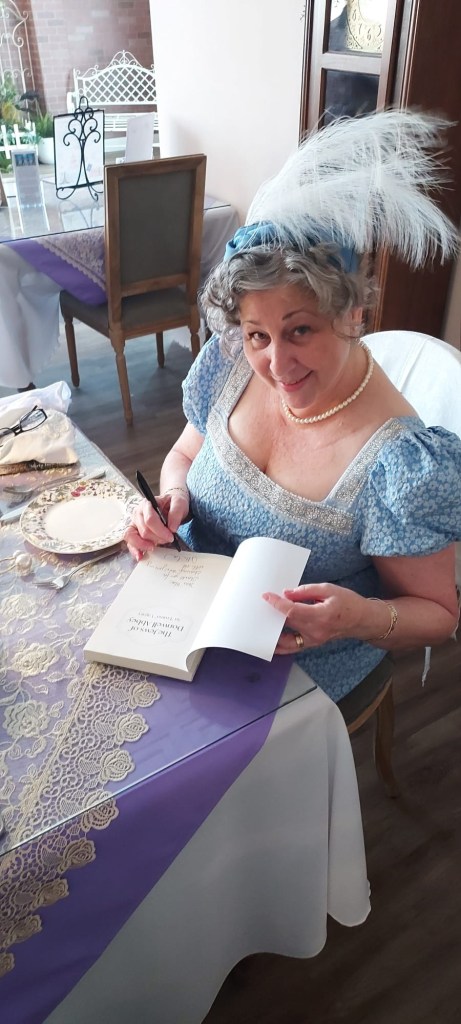
In May, I attended the annual Jewish Book Council’s Network Conference where I presented, The Jews of Donwell Abbey: An Emma Vagary. We were each given two minutes to “pitch” our book. No pressure, right? In all honesty, it was a strange combination of anxiety and pride and fun!
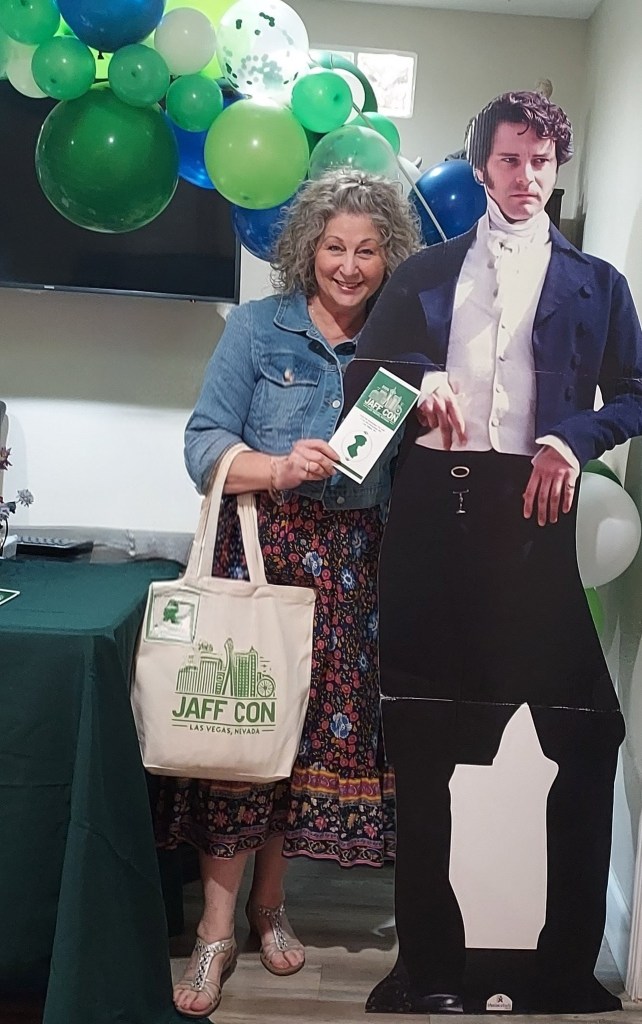
The culmination of the year was two-fold. I attended JAFFCon 2025, where I met with other authors and readers of Jane’s fandom. Lively discussions and informative presentations were coupled with games, raffles, dancing, and the partaking of refreshments!
Lastly, I attended the Vegas PBS Annual Tea, where we celebrated Jane’s birthday and enjoyed a wonderful presentation by world renown historian, author, and curator, Lucy Worsley. I heartfelt ‘thank you’ to Cindy Jensen for the invitation!
Austen’s fandom is alive and well! I look forward to new experiences, new stories, and connecting with my fellow Janeites throughout the world!
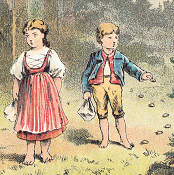
In The Jews of Donwell Abbey: An Emma Vagary, I weave a unique backstory into Jane Austen’s novel and allow Miss Harriet Smith to come to the forefront. Austen gives us a glimpse at this secondary character, this “natural daughter of nobody knows whom.” Readers must form their own conclusions—until the very end, when Austen provides a sentence or two in an attempt to wrap things up. But does she attempt to satisfy our curiosity—or does she mean to tease? In the famous Grimm’s fairy tale, Hansel and Gretel drop crumbs along their trail, leaving a path for others to follow. Can you guess where I’m going with this? Naturally, I had to follow the crumbs Austen left behind. There was another story to tell—I was sure of it—one with new characters and a Jewish storyline.
Austen provides a scenario in “Emma” that set my creative wheels in motion. I don’t want to reveal too much; but, for those of you who have read the original novel, the chapter that sends Mr. Elton off to London with Miss Smith’s portrait in hand provided my first crumb. A plot unfolded easily enough in my mind. The challenge was to ensure that historical events matched Austen’s timeline. You see, in other novels, I’ve used my own family’s immigrant experience to authenticate my protagonist’s journey. However, the exodus from Imperial Russia did not coincide with the Jewish population in Regency England. I had to look elsewhere. The timeframe allowed for a population of a majority of Sephardic Jews and a smattering of Ashkenazim of German descent.
This second crumb sent me whirling further down the rabbit hole until the Weiss family was created and I placed them in London. They were an immigrant family; their original home, I decided, was in the Judengassin—the Jewish ghetto in Frankfurt. I had to find the impetus for their migration, something catastrophic that opened the ghetto gates and allowed for their freedom. And here is the conundrum that all authors face. A plot is conceived, the players are named, but the story cries out for historical accuracy. It may only be a few sentences; but, as any author will tell you, that sense of time and place requires hours and hours of research. And that was precisely what happened to me.
Without batting an eye, I could tell you about the Jewish Colonization Association and the immigration from Imperial Russia to Argentina. I could describe the lives of Jewish gauchos or the “cuentaniks” of Buenos Aires. What I can’t—or couldn’t—do is explain how immigrants fleeing Germany’s infamous Judengasse (Jewish Street) found their way into an Austenesque novel.
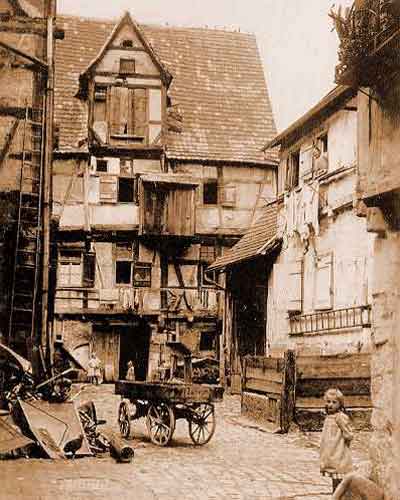
In Heinrich Heine’s book, “The Rabbi of Bacherach,” the narrative unfolds in the 15th century where Kaiser Friedrich III and Pope Pius II demand that twenty Jewish families be removed from their homes and resettled in the Judengasse. By the year 1500, approximately 100 people live in the area nicknamed, “The New Egypt.” One hundred people in 14 houses. By 1600, there were 3,000 people living in 197 houses, wooden structures that were crammed together, story upon story until they blocked out the sun, reduced air flow, and created hazards that resulted in massive fires—three of historic consequence in 1711, 1721, and 1774.
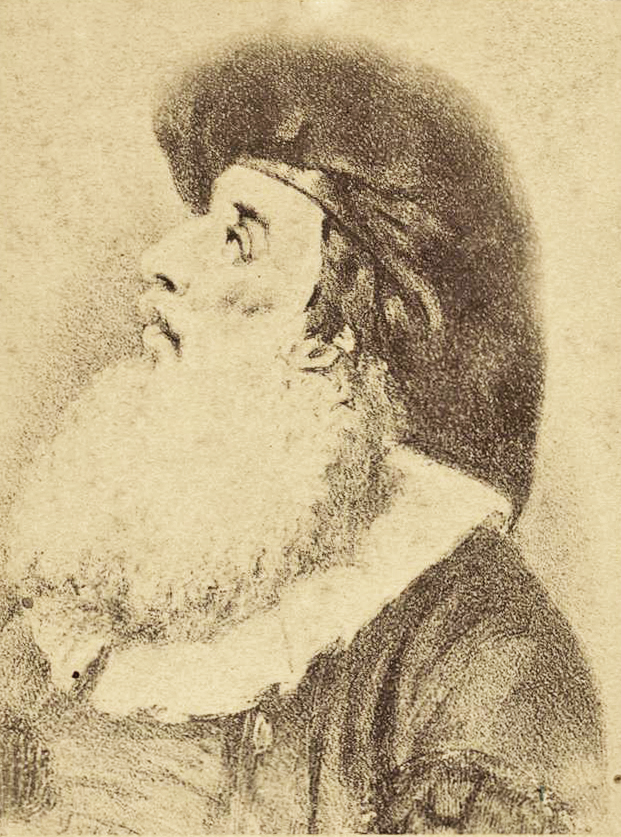
Rabbi Naphtali Cohen
Rabbi Naphtali Cohen was called to Frankfurt am Main after his house was destroyed on January 14, 1711. Summoned to testify before the court, it was noted that the fire consumed the entire Jewish ghetto, but the rabbi—known for his Kabbalistic practice—had had the audacity to survive. Not only did he survive, the kabbalist was accused of “preventing the extinguishing of the fire by ordinary means.” The rabbi was accused of witchcraft and summarily thrown into prison. He was set free by renouncing his title and practice.
Juda Low Baruch, otherwise known as the poet, Ludwig Borne, lived in the ghetto during the late 1700s. His memories are bleak, to say the least. “The highly celebrated light of the eighteenth century has not yet been able to penetrate [the Judengasse].” His writings expressed disgust, anger, despair—futility. “If one were to consider play in childhood as the model for the reality of life, then the cradle of these children must be the grave of every encouragement, every exuberance, every friendship, every joy in life. Are you afraid that these towering houses will collapse over us? O fear nothing! They are thoroughly reinforced, the cages of clipped birds, resting on the cornerstone of eternal ill-will, well walled up by the industrious hands of greed, and mortared with the sweat of tortured slaves. Do not hesitate. They stand firm and will never fall.”
Adolf von Knigge, a German author, blamed the horrific living conditions on his Christian brethren. In his work entitled, “The Story of My Life”, he reminds his audience that these Jewish families were once “craftsmen, wine-growers and gardeners.” They once lived freely and contributed to society; however, “ecclesiastical ordinances” reduced them to peddling and to “practices of usury.” The very people who condemned this once-proud society to live in squalor, were the first to criticize and ridicule. For Knigge, these actions were the very antithesis of an enlightened society. His work was known to speak out against “aristocratic courtly culture as [being] superficial, immoderate, and wholly lacking in inner values.”
In his novel, “Labyrinth,” Jens Baggesen describes the inhuman living conditions he witnessed in the Judengassin of Frankfurt. This Danish-German author advocated for German Jews, locked behind ghetto gates night after night, not to mention Sundays and on all Christian holidays. How could an enlightened society allow such a thing? They were denied the pleasure of open air, of walks in the parks and plazas. They couldn’t patronize restaurants or coffee shops, or “walk more than two abreast in the street.” Baggesen leant his voice to the growing movement for civil rights and Jewish emancipation.
Many people have heard the name Rothschild. Mayer Amschel Rothschild and his descendants are very likely the most famous people to have lived in the Judengasse. Their surname evokes images of great wealth and power. For some, the name inspires thoughts of moxie and resourcefulness. For others, it inspires thoughts of greed and manipulation. What is the truth?
By 1560, Mayer’s ancestor, Isak, was confined to living in the ghetto. It was common for residents to be known by their address, so the family surname was most likely taken from the red shield (zum roten schild) that hung at their front door. Isak and his family were known to be pious and relatively successful cloth merchants. By the time Isak died in 1585, he had accumulated an income of 2,700 gulden. His great grandson, Kalman, had an income more than twice as large, and his son, Moses—Mayer Amschel’s grandfather—continued to prosper by not only dealing with silks and other costly materials, but with rare and foreign coins. This was not an unusual practice; Frankfurt was centrally located and was popular with businessmen from various neighboring towns and countries—not to mention noblemen and politicians.
Mayer’s father, successful merchant and patriarch, continued to live in a modest home with his family. It had been designed to suit their business needs, with an office on the ground floor, a kitchen on the first floor, and bedrooms on the top level. Mayer was allowed to attend rabbinical school at Furth, although he later was known to have said that he “only studied his religion in order to be a good Jew.” When both his parents succumbed to an unknown, but inevitable, epidemic that attacked ghetto inhabitants, Mayer’s studies came to end. He returned home for a brief time, before being sent to Hanover to apprentice with his father’s associate, Wolf Jakob Oppenheim.
Mayer was just twelve years of age when his journey into the privileged and elite world began. He learned what it meant to be a “court Jew,” garnering knowledge from Oppenheim’s family, court agents to the Austrian Emperor and the Bishop of Cologne. He learned how to work with aristocrats who were always in the business of buying and selling rare coins, jewels, and medals. In this manner, Mayer returned to Frankfurt, somewhere around 1764, a prosperous and renown businessman. In 1769, he was granted the title of court agent. In August of 1770, at the age of twenty-six, he married his beloved, Gutle, the sixteen-year-old daughter of Wolf Salomon Schnapper, court agent to the Prince of Saxe-Meiningen. All this success, and yet, he and his wife were confined to the ghetto.
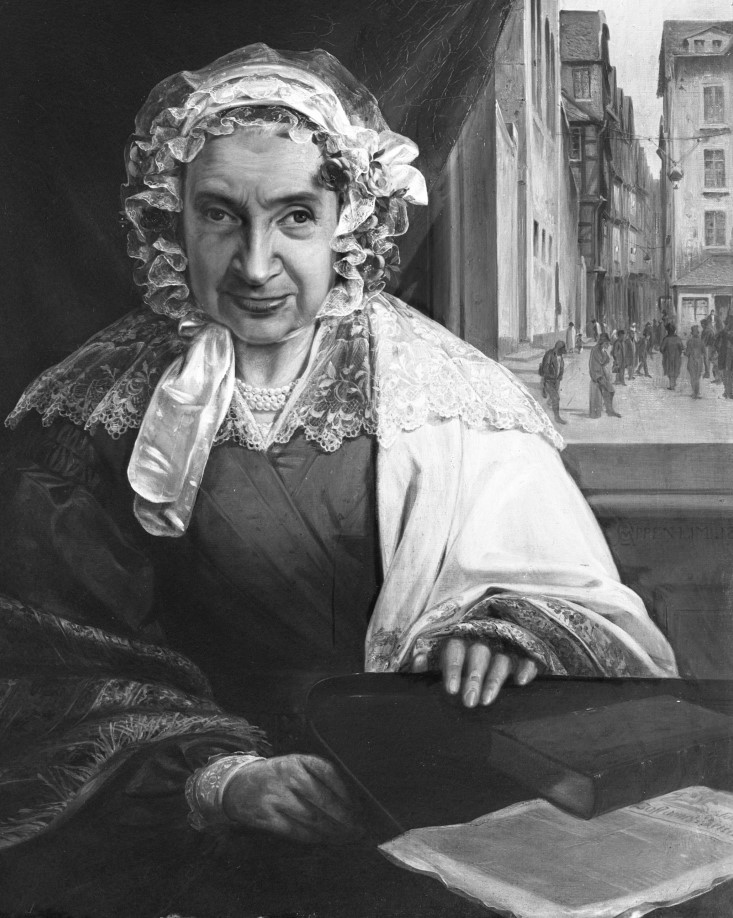
Gutle Rothschild
Mayer and Gutle went on to have a large family; nineteen children were born, ten survived. While Gutle managed home and hearth, Mayer continued to grow more prosperous. By the mid-1780s, the Rothschilds had accumulated approximately 150,000 gulden and were able to move into a new home—substantially larger, yet still behind the ghetto gates. The new house, known as “the green shield” (zum grunen schild—they didn’t change their name at this point), was approximately fourteen feet wide. The rooms were narrow and cramped. The children all slept together in the attic. Still, it was considered to be a desirable residence. It had its own water pump! The lavatory was outside in a small courtyard. From these humble beginnings, a powerful and philanthropic family emerged.
Rothschild Coat of Arms 1817
To this day, the Rothschilds are criticized, judged, and maligned. Everyone has an opinion on their legacy. Perhaps, like Rabbi Naphtali Cohen, it would have been better if they had succumbed to their wretched circumstances. Perhaps they should have had the decency to fail miserably. Perhaps it is envy that is behind the contempt for the Jew.
The antisemitism we are living today does not differ much from what we have seen in the past. But that’s why understanding our own history, even in the form of “light” historical fiction or so-called, “Chick Lit” is vital. The past may reveal many injustices, but it also reveals our courage and our determination to survive—and to thrive.
Dignity is a powerful thing. We shall use it to break through the walls of the ghetto and set ourselves free.” – Sara Aharoni
I set out to show you how one simple thought can lead to hours and hours of research. And that, I have done.
I needed to piece together the whys and wherefores in order to bring my fictional Weiss family to London, England. And that, I have done.
I didn’t realize that this post was going to end up being some sort of call to arms. If I have encouraged you to be proud of your heritage, to advocate for justice, to look to your non-Jewish friends for support, to fulfill your dreams and destiny; then, I am glad to say: that I have done! I suppose that’s what happens when you follow one little crumb.
That being said, the original point of this post was to show how all. that. research. led to this short excerpt. I hope you enjoy!
It was September 1794. Hannah Weiss, a young woman who had not yet reached her majority and had no real knowledge of the world beyond the four corners that united her neighborhood, believed herself to be in love with Yaacov Kupperman.
Left quite unrestrained by parents who were otherwise engaged in rebuilding their lives in a foreign land, Hannah and Yaacov’s childhood friendship blossomed. They shared the love of the written word and the love of adventure. Stolen moments were spent sharing tidbits of knowledge, whether acquired from the streets teeming with intriguing activity or from passages within a tattered book. Whispered promises and fanciful dreams became woven into their very existence. It seemed so natural a thing. They spoke of their future lives with the same assurance that their mothers would bake sweet challah for the Sabbath and their fathers would sleep through the rabbi’s sermon the following day. It was inevitable. It was bashert—it was meant to be.
On a cool, temperate evening, unencumbered by chaperones or naysayers alike, the besotted pair anticipated their wedding vows. Yaacov murmured his pledge to be Hannah’s knight in shining armor, such as the men from days of yore. He vowed to protect her, to provide for her. There would be no more talk of the Judengasse, of poverty, or fear. They were English now, and their lives would be the stuff of fairytales.
“You will speak with my papa?” Hannah whispered. “You will come by us for Shabbes?”
Yaacov gently tugged on a golden curl. “Do not speak in that foreign manner, my sweet one. Instead, you should say: Will you come to our house for the Sabbath? We are native Londoners, even if our parents were born in Frankfurt. Let us not speak as if we were still in the ghetto.”
“You would admonish me now?” she bristled. “After we—after just—”
“You are such a little girl! See how you blush!” Bringing her closer, Yaacov whispered, “Never fear, my dear heart. I will speak with your papa and should be pleased to share the Sabbath meal with your family. How else will I earn my mother-in-law’s favor?”
Hannah smiled at his teasing but persisted with her train of thought. “What of your papa? Oughtn’t you speak with him first? Perhaps now, you may become his partner!”
“Perhaps,” he chuckled. “My father certainly has high hopes for the family business. I will speak with him on the morrow after he has broken his fast. Rest assured, my love. We shall be wed before Chanukah.”
Later that evening, Hannah peeked out her window and gazed into the heavens. She sent up a prayer asking for forgiveness. She was not so ill-bred that her earlier actions did not cause her some shame. Perhaps they ought to have waited until after the words had been spoken—after they had stood under the wedding canopy and the rituals had been commemorated.
I shall be married soon enough, and all will be well!
Hannah murmured another grateful prayer, for her dreams would soon be fulfilled. By December, she would recite the blessings over the chanukkiah, the precious heirloom that had been in the family for generations. It would soon be passed on to the newest bride.
September went by in a flurry. October and November, although bathed in vibrant hues of red and gold, foreshadowed the bitterness that was yet to come. Hannah could not take pleasure in the riot of colors that fell upon the city, not when her eyes were clouded with remorse. Yaacov had not come for Shabbes that Friday evening. Indeed, he had not been seen for many months past.
Hannah considered asking for him at synagogue after services or when she encountered Mrs. Kupperman at the butcher, but the unspoken words stayed upon her lips. How would she respond if they questioned her? It was not becoming for a young, unmarried girl to ask after a young man, even if they had been friends and neighbors throughout their youth. People were certain to talk. To be sure, in this matter, there was no distinction between the ghetto of Frankfurt and the streets of London.
Today’s the day! I had planned for a different release date, but KDP (the publishing house for Amazon) works in mysterious ways…who am I to argue with their algorithms and stratagems? I’m happy to release the book on a Tuesday. As I mentioned in a previous post, Tuesdays are special in Jewish tradition. I will take all the extra blessings and positive vibes I can get!
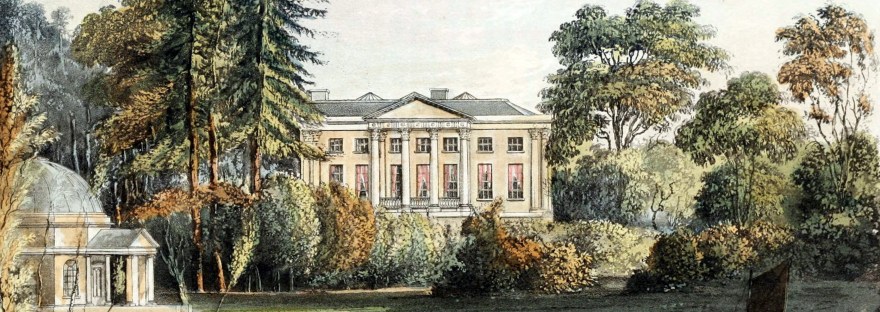
The Jews of Donwell Abbey is a retelling of Austen’s Emma. For those of you not familiar with the original text, allow me to fill in some of the blanks. The novel was first published in December 1815 and is set in the fictional country village of Highbury in England. Austen provided for two principal estates, namely Hartfield—where Emma Woodhouse resides with her father—and Donwell Abbey, the home of Mr. Knightley.
There are, of course, various friends and family members that enliven the story. The Westons, Mrs. and Miss Bates, Miss Fairfax, Mr. Churchill and Mr. Elton are members of the gentility and are all acquainted with Miss Emma Woodhouse, the main heroine of the story. Mrs. Goddard, the Cox family, and the Martins are not of the same social sphere, however they too are showcased in varying degrees. And then there is Miss Harriet Smith.
Harriet Smith is “the natural daughter of nobody knows whom”—a phrase that tells us instantly that this beautiful, yet unsophisticated girl, was born out of wedlock. She is raised in Mrs. Goddard’s school; and, when she completes her studies, Harriet becomes a parlor boarder. That is to say, she remains at the school and helps supervise and teach the younger pupils. Miss Emma Woodhouse takes notice of the charming young lady and takes Harriet under her wing—believing in her heart of hearts, that the girl must be the daughter of a gentleman; and therefore, in need of some guidance.
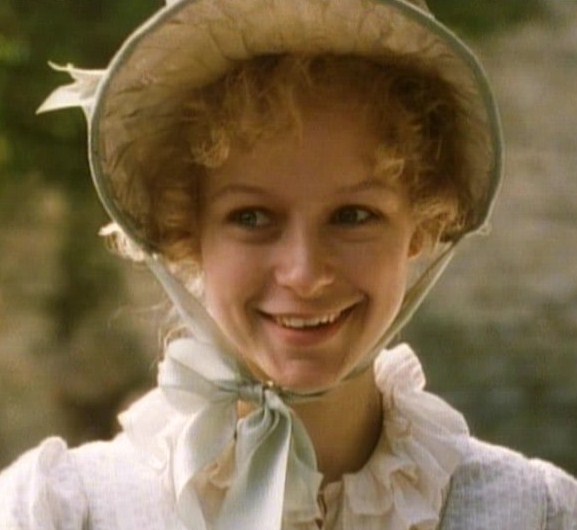
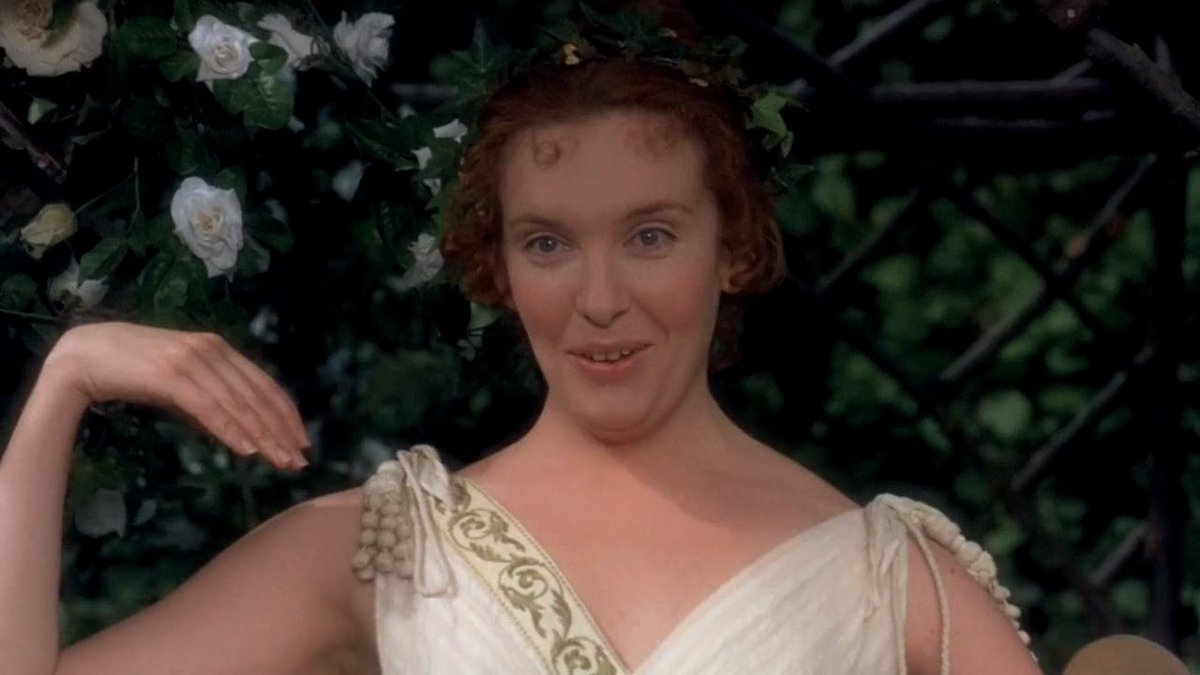
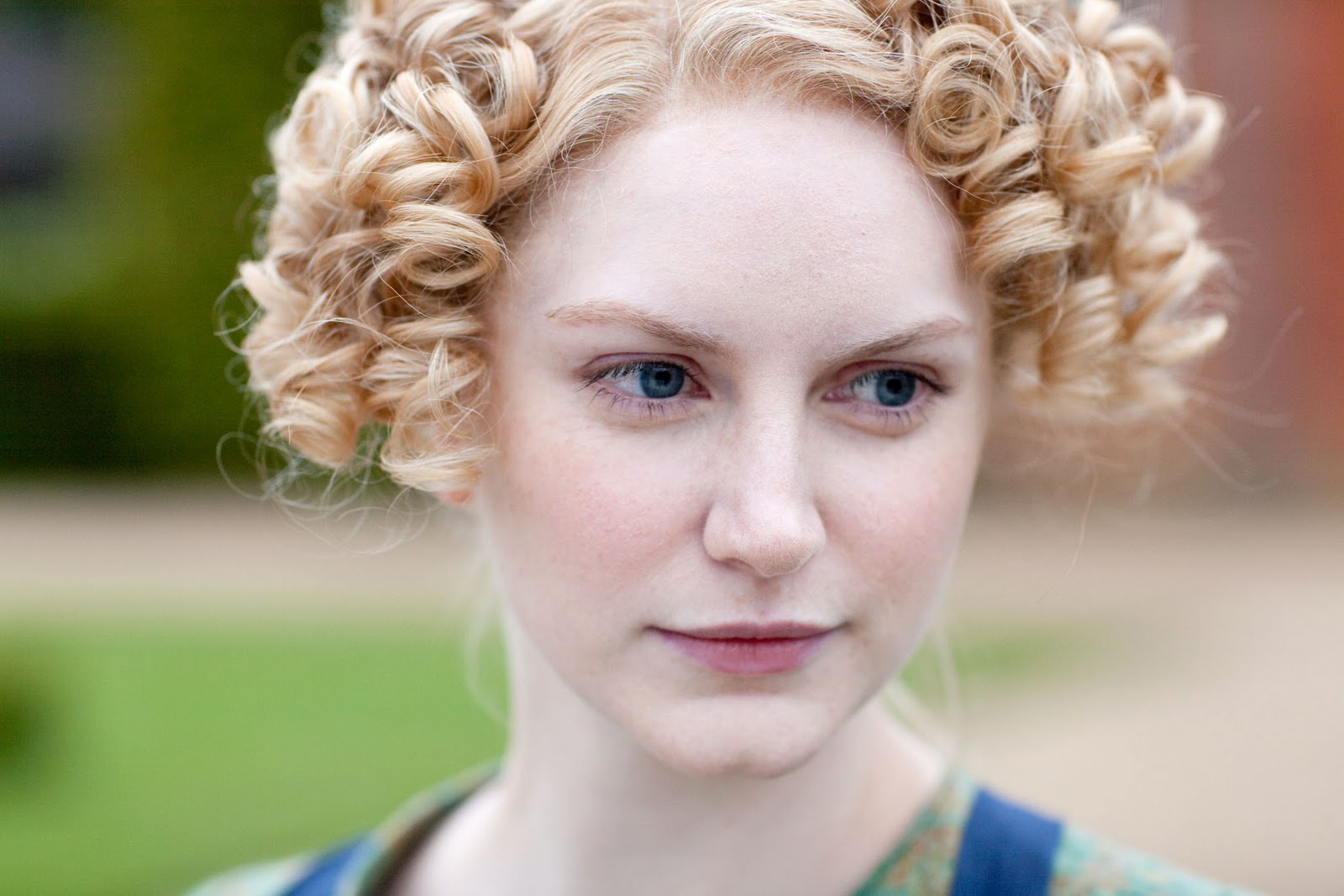
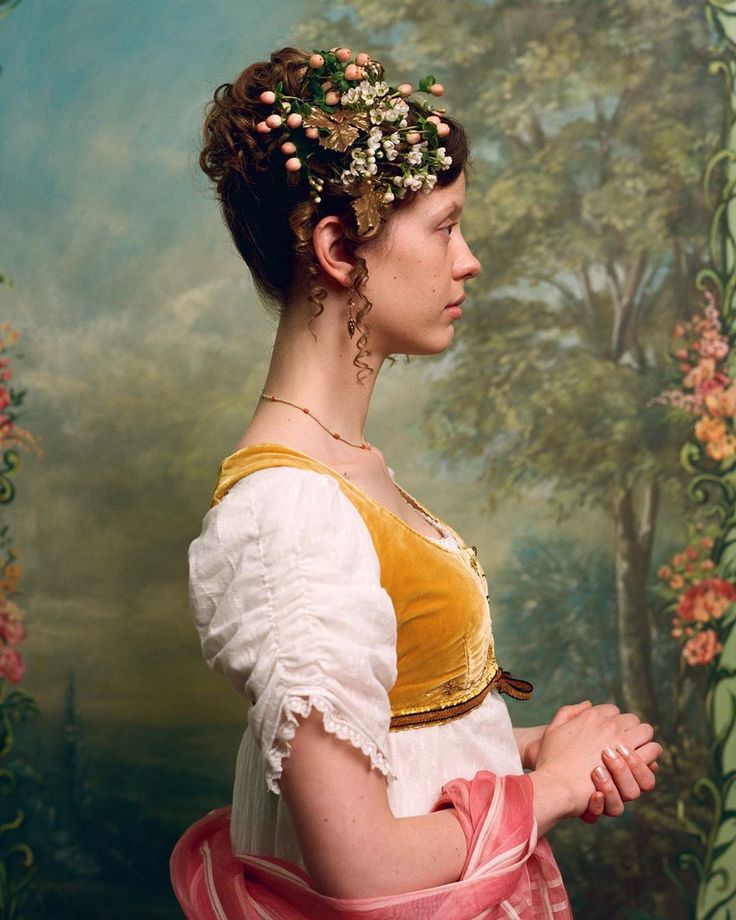
Which actress portrayed her best?
At the conclusion of her novel, Jane Austen reveals the truth about Harriet’s heritage, albeit the details are brief and wanting. However, in her usual— brilliant—style, the author gently nudges readers to address the many topics that concerned Georgian (Regency) society. Austen explores genteel poverty and elegant economy, such as what the Bates women must experience. The thin line of respectability and acceptance within the social spheres is showcased with the Cox, the Coles, and the Martins. The desperation to marry, and to marry well, is underscored by the ever-looming threat of becoming a governess or worse, yet, a spinster!
As in the past, Austen helped me spin a tale of my own. Harriet’s story, meant to be secondary in nature, moved to the forefront in my mind. The vague commentary about Harriet’s true parentage was thought-provoking to say the least! I couldn’t walk away from the opportunity! The end result is a novel that continues to address taboo subjects, such as the responsibility of caring and raising foster children, the enduring effects of post traumatic stress disorder, religious intolerance, spiritual growth…
Don’t worry! The story continues to be a light and entertaining read. I hope to have mimicked Austen’s touch—you will have to let me know. See what others have been saying here…
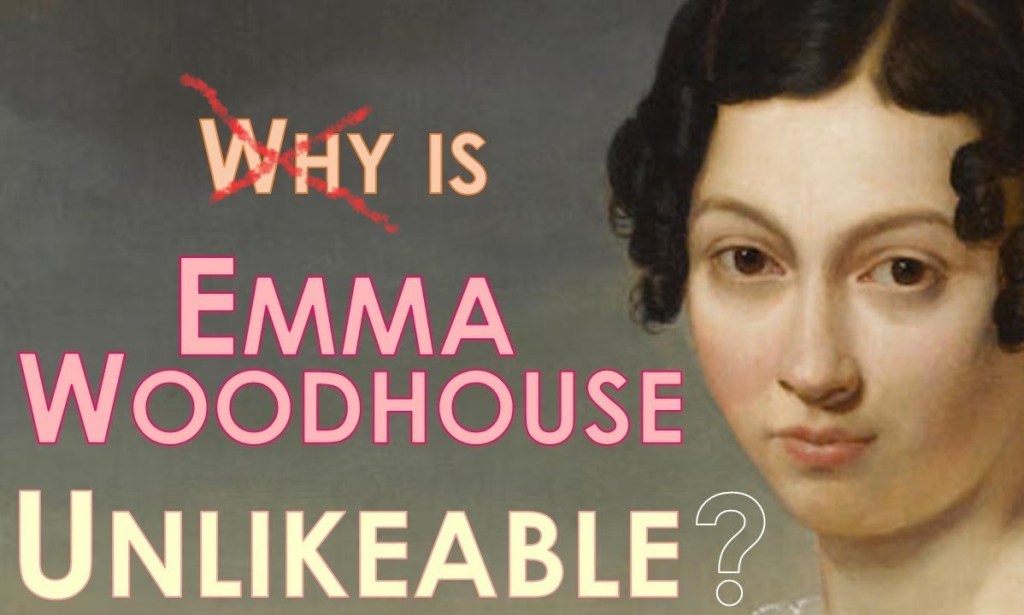
It all started—as these things often do—with a “what if…?” Over two years ago, a story plot came to mind for my least favorite Austen novel: Emma. I know I might ruffle some feathers, but I’m not alone in my feelings towards this novel.
I am going to take a heroine whom no one but myself will much like.” ~ Jane Austen
Miss Emma Woodhouse is said to be handsome, clever, and rich, with a comfortable home and happy disposition. She is twenty-one years of age and has lived with very little to distress or vex her. In other words, she comes across as a spoiled brat. She is a snob.
Emma is used to getting her own way, in particular with her father, her governess—actually, with everyone who acknowledges her station in life. She has too much time on her hands and becomes quite a “yachne“—a meddlesome, gossiping busybody (I know you’re thinking of the word “yente,” but that’s a misnomer).
In any event, Austen provides sufficient fodder for her character to evolve and grow. Like other Austenesque protagonists, Emma becomes relatable and, yes, even inspiring. But one question remains: Is Emma Woodhouse the true heroine in this story?
The “what if…?” I contemplated was complicated and required too much thought at a time when I was still fully engaged at my “day job.” Like they say nowadays: I didn’t have the bandwidth to handle another project, so I tucked away my idea for another day. The mind is a funny thing, however—at least, mine is!
Once the idea presents itself, I start visualizing how the story will unfold. I hear the dialogue, I imagine scenes and settings. Of course, this usually takes place at 3:00 in the morning when I’m trying to sleep. It’s exhausting. It’s unrelenting. It doesn’t stop until I start putting my thoughts down on paper.
And so began this latest novel: The Jews of Donwell Abbey: An “Emma” Vagary.
Editorial reviews are hard to come by, especially for an indie author who self-publishes. I have been blessed by an army of beta-readers and volunteers, and by a few generous professionals who provided the following testimonials:
“A creative, heartwarming take on a beloved story, The Jews of Donwell finally gives Harriet Smith her due.” ~ Caroline Warfield, author of An Open Heart, The Entitled Gentlemen series, The Ashmead Heirs series, Children of the Empire series, et cetera
“Trupp has written a charming and entertaining novel with The Jews of Donwell Abbey. A captivating read!” ~ Meryl Ain, author of Shadows We Carry and The Takeaway Men
“Blending Emma with a Jewish story line is an ingenious idea! Fans of Austen, and those who crave Jewish Regency stories rich in Jewish content, will find The Jews of Donwell Abbey an extremely satisfying read. L’ chaim!” ~ Rabbi Jo David (aka Nola Saint James, author of Regency Romances)
“The Jews of Donwell Abbey introduces a colorful dimension of minority identities in Jane Austen’s Emma. Trupp’s orchestration of history and mystery enriches the ongoing collection of stimulating rewrites of classical novels. A gift to Austen fans, it will interest all readers curious about the hidden facets of “proper” social intercourse in Georgian England.” ~ Yael Halevi-Wise, author of Interactive Fictions: Scenes of Storytelling in the Novel, Professor ofJewish Studies and English Literature
“Who could have guessed that under the genteel veneer of Jane Austen’s Regency England lurked secrets beyond what could have been openly addressed at the time? In The Jews of Donwell Abbey, Trupp brings sidekick Harriet Smith to the forefront, her mysterious origins are explained, and her ultimate happy ending turned into a lesson about tolerance, acceptance, and the miracles hidden within mundane lives. The perfect companion piece!” ~ Alina Adams, author of The Fictitious Marquis, Romance Writers of America’s first #OwnVoices Jewish Regency Romance
The book is scheduled to be released on Tuesday, November 5, 2024. Look for it on Amazon! I look forward to hearing (or reading) your thoughts!
Harriet Smith looked around the room she had shared with Miss Martin for these months past. She had been invited to spend the summer holiday with her schoolmates and was made to feel quite at home. Such a simple, yet evocative word. Home. It was the one thing she truly did not have of her own. It affected her keenly to leave just now, especially after the warm reception she had received; however, the circumstances surrounding her abrupt leave-taking were not of her doing. Harriet would have given anything to have remained for the three months complete, but it was a sorrowful event that had brought the visit to an end. The Martins had been thrown into a period of mourning.
Harriet had been roused from her slumber by foreign sounds, having grown accustomed to the natural cacophony of Abbey-Mill Farm. A messenger from the abbey had knocked upon the door, even before the family’s favorite rooster crowed his first morning’s call.
Wiping the sleep from her eyes, Harriet sat up and turned to her bedmate who had been awoken by the persistent rapping as well. Elizabeth bade her to be silent as they heard her brother’s footsteps pass their chamber and down the stairs. The youngest family member, Judith, thankfully remained asleep. She would have caused a great commotion, as was her wont, and they would have been unable to keep their awakened state—and curiosity—unknown.
As it happened, the girls were unable to make out anything of interest, for only a mumbled exchange could be perceived. Elizabeth removed the counterpane and edged her way to the door, placing her ear against the thick wood in the attempt to hear below. Harriet waited abed, holding little hope that her friend’s action would provide any clues. It was only when the messenger took his leave, and the front door was shut closed, that Mr. Robert Martin made his way back up the stairs.
Elizabeth scurried back to Harriet’s side, and pulling the bedlinens back into place, the girls awaited for news of what was amiss. They shared a moment of disappointment when they heard Mr. Martin knock upon his mother’s door. In truth, Harriet was more relieved than disappointed. She would have burned with embarrassment had Mr. Martin seen her in such a state—in her night rail and her hair rolled up in curling paper.
Elizabeth crept up against the door once again. The ploy proved more successful this time as her mother’s chamber was down the hall, and the voices were easily discerned.
“Baruch Dayan Emet,” Elizabeth heard her mother utter.
“Blessed is the Judge of Truth,” Elizabeth and her sister repeated quietly.
“What is it?” Harriet whispered. “What has happened?”
Elizabeth brought her finger to her lips as she pried opened the door, and motioned for the girls to come forward. Huddled together, they peered through the opening and watched Mrs. Martin reach for a sewing kit that had been thoughtlessly discarded atop a chest of drawers.
Withdrawing a pair of scissors from its cover, Mrs. Martin took hold of her son’s shirt collar and made a deep cut. Taking hold of the fabric, Robert deepened the cut with his own hands.
“A time to rend and a time to sew…do you know the verse, Harriet?”
“Yes, of course, I know it. It is from Ecclesiastes, but what does it signify?”
“Someone has died,” cried Judith.
“It could only be one person for Robert to perform such an act,” Elizabeth offered. “Grandpapa…”
Touched by this pronouncement, Harriet moved to embrace her friends, but Mrs. Martin caught sight of her daughters and called them hither.
“Mr. Knightley has sent word this morning,” she began. “Your grandpapa, peace be upon him, is no longer with us—now, now girls—” Mrs. Martin tightened her embrace, “we have been prepared for this eventuality. I beg you, be calm. Grandpapa, no doubt, has been reunited with his son, your own dear father, and your grandmama.”
Mrs. Martin brought a handkerchief to her lips and paused but for a moment. “We must dress and prepare the house. The rabbi will, no doubt, be visiting shortly.”
The family dispersed, each quietly seeing to their morning ablutions. Once dressed, the girls made their way downstairs and looked to their mother for direction. Harriet wished to be of service, though she knew her best efforts would only cause her friends additional work.
During her six-week visit, Harriet had learned that the Martin household was like no other of her acquaintance. The pantry and cupboards, indeed, all kitchen matters, were governed by a particular set of rules. Food preparation was of the utmost importance, as was the observance of the Sabbath, which began on Friday evenings and lasted through dusk the following day.
Unable to control herself, Harriet had asked the girls to explain this strange practice. She smiled now, recalling how Judy had rolled her eyes upon hearing yet another question, but it could not be helped. Harriet had always been a curious creature.
“Mysteries are the bane of my existence!” she had declared on more than one occasion. How she came to live at Mrs. Goddard’s school, she understood, was a mystery that could never be resolved. Therefore, at a very young age, Harriet determined that asking questions was her right—even if impertinent Miss! was often applied to her name.
Today, however, was another matter entirely. The household was in an uproar; the Martins were clearly distressed. Harriet would not add to their discomfort for the world, and so she sat quietly with her cup of tea and waited to be of service, and not a hinderance.
The cottage was not a grand home, not by any means, but Mrs. Martin had made it comfortable and had added feminine touches throughout. A framed mirror of respectable size had been placed by the front door where one could adjust one’s wrap or bonnet. Nonetheless, this instrument of vanity was the first to be draped with linen. The girls covered their hand-held mirrors and placed them face down upon their dressing tables. One’s toilette was not of importance on this sad day.
Mrs. Martin directed her son to gather as many small stools from around the farm that could be found while she swept the better of her two parlors. As mourners, the family would be seated low to the ground; those coming to condole would be offered the finer furniture—the upholstered chairs usually reserved to receive honored guests such as Mr. Knightley or his steward.
At length, Elizabeth put her friend to work, handing over a basket full of fresh eggs.
“Pray, set these to boil in the appropriate pot,” she instructed. “You know which one by now, dear Harriet.”
Before quitting the room, Elizabeth grabbed hold of her friend’s hand. “I know you are bursting with the need to ask your questions, but now is not the time. I promise I will explain it all—perhaps you will not find it that much different from your own family’s mourning rituals.”
These words, no doubt, were kindly meant; nonetheless, Harriet could not help but feel her shame even more profoundly. Whatever was Elizabeth thinking?
Family rituals? She did not have a family—other than Mrs. Goddard and the girls at school. In truth, she was all alone in the world. But it was not her custom to be petulant or dreary, and certainly not when her friends were in crisis.
Harriet gently placed the eggs to boil and was quite pleased, knowing she had chosen the proper pot. Indeed, Mrs. Martin had instructed her upon her first day at Abbey-Mill. The kitchen had been carefully prepared to house two separate sections: one for dairy products and preparation, and another for meat. Explanations as to why had not followed, and Harriet had to tuck her questions away for another time. She had collected a great list of questions during her visit, and it would take another six weeks to address each and every one!
Harriet overheard voices from the parlor as Mrs. Martin sent Judith to find a small table to set outside the door. Elizabeth was to follow with a bowl and pitcher of water. The girls were heard scurrying about, when Harriet heard yet another knock upon the front door. Checking on her pot of boiling water, she wiped her hands on a borrowed apron and peered into the foyer as Mrs. Martin welcomed the visitor.
The gentleman was unknown to Harriet, having never made his acquaintance in Highbury. In truth, upon further inspection, she found him to be oddly fascinating.
Dressed in unrelieved black, his long coat reached down to his calves. His pointed beard, peppered with gray, reminded Harriet of the Martin’s billy goat, and she nearly embarrassed herself by laughing aloud at the thought. She was unable to see the color of his hair, or if he had any at all, for he would not remove his hat—though he was in the presence of ladies. It was altogether strange to note that the man appeared to have ringlets on either side of his face!
Whatever could he be about?
Elizabeth and her sister had taken a seat by their mother’s side and signaled Harriet to join them in the parlor. While Mr. Martin offered the guest their most comfortable chair, Harriet quietly crept in, standing behind the girls in silent solidarity. The man opened a book he had withdrawn from his coat pocket and, speaking in the language that Harriet had grown accustomed to hearing in weeks past, began chanting a mournful prayer.
“Thank you for coming to us so quickly, Rabbi Kolman,” said Mrs. Martin after the family pronounced their amens. “We only just learned the news—you find us in quite a state.”
“One is never sufficiently prepared for these events, Mrs. Martin. Pray, do not make yourself anxious. Doctor Martsinkovsky, of blessed memory, would not burden his family and friends by being ill-prepared—even for his own funeral.” The rabbi allowed himself a slight chortle at his attempt at levity.
“My grandfather was known for his meticulous attention to detail,” said Mr. Martin. “He was the best of men.”
“Indeed. You will find that everything is in order, Mrs. Martin. The burial will take place this afternoon at three o’clock; our small congregation will accompany you during your seven days of mourning.”
“What?” gasped Harriet. “So soon?”
Elizabeth glared at her friend, who immediately understood her blunder. Bowing her head, Harriet silently vowed to say no more.
“Robert,” the rabbi continued, “you will want to unbolt the front door. It will be incommodious to be interrupted by visitors while at evening prayers. Whoever wishes to condole with the family will wash their hands before entering and come in quietly thereafter.”
“Yes, Rabbi Kolman,” replied Robert Martin. “I will see to it.”
“And girls,” the man said, addressing the Martin daughters, “make sure your dear mama does not tire herself with cooking and baking. The women of our congregation will fill the house with enough food to feed an army—certainly enough to last the week of mourning.”
The rabbi rose and shook hands with the man of the house and made for the door. “Remember to exchange your leather boots for other footwear. The weather has been relatively pleasant of late. I doubt you will be plagued with mud or muck. And one more thing! There is to be no shaving nor hair cutting—you young men today seem to have a penchant for fashion rather than following our traditions—for the whole of the week, mind!”
He gave a short bow to one and all before declaring: “May the Almighty comfort you among the mourners of Zion and Jerusalem.”
Taking to her feet upon the rabbi’s departure, Mrs. Martin clapped her hands to rouse the party from their melancholy. “That’s it, then,” said she. “Let us finish preparing ourselves…”
Another knock upon the door, however, interrupted Mrs. Martin’s directive. Harriet hoped whomever it was came bearing good news. She watched as Mr. Martin made for the door once again and was astonished to see Miss Emily Bickerton, her classmate, standing there. Sitting atop the pony trap was Peter, Mrs. Goddard’s manservant.
“Why, Emily!” cried Harriet. “Whatever do you do here?’
The young lady, known to Elizabeth and Judith Martin, for the foursome were at school together, was asked to enter and offered a glass of cool lemonade. This she was tempted to accept—the morning sun had taken its toll, even on the short ride—however, Emily Bickerton had been given a task, and she meant to discharge it with alacrity.
“Begging your pardon, Mrs. Martin,” she began and offered a quick bob of a curtsey. “I should be happy to take refreshment with you and my friends some other time. Mrs. Goddard has sent this note for you, ma’am.”
Having made her little speech, and handing over the missive, Emily turned to her classmates and took hold of their hands. “Harriet is to return with me,” said she. “Word was received that the doctor had passed—Oh! Please accept my condolences—Mrs. G. thought it best that Harriet return home.”
“Oh, no!” cried Elizabeth, her sister joining in unison. Even Mr. Martin seemed disappointed as his shoulders drooped even further, though he did not give voice to his objection.
Harriet felt herself blush. How kind they were to make such a fuss on her behalf. But she felt it only right to pack her things and return to school. Surely, she would only be in the way, and the family ought to have some privacy at such a time.
“Miss Smith,” said Mrs. Martin, as Harriet made for the staircase, “our present circumstances must draw your visit to a close, but you are such a sweet, unassuming girl, I know you will understand.”
“Pray, ma’am, be at ease. Naturally, I understand and should not wish to inconvenience you at such a time.”
“Our tradition requires us to observe certain practices, my dear, beginning with the full state of mourning for a week complete. Perhaps, after the following thirty-day period, when our restrictions are lessened, you girls may make arrangements to meet—certainly, you shall see each on Market Day or a visit to Ford’s.”
“Robert, now you must say something,” Judith decreed. “Lest Harriet feel she is not welcome by the whole family!”
Mr. Martin, it seemed, had no notion that he, too, was expected to add his farewell remarks. Caught unaware, he mumbled, “Miss Smith is always welcome at Abbey-Mill.”












 Mirta Ines Trupp~ Author