As a great fan of Jane Austen, it is not hard to imagine that I devour all sorts of material about the author and her life. Jane was the daughter of an Anglican clergyman. Her novels, as well as her personal correspondence highlight her connection to her faith. In reading fan-fiction, and following like-minded authors who are fans of Austen’s work, I’ve come across the practice of keeping a devotional. To be honest, I had to do some research on the subject. I thought it might just be a Christian practice. But, as I worked on my latest project, From Meidelach to Matriarchs: A Journal~ Jewish Women of Yesteryear to Inspire your Today, I found that I crafted something definitely Jew-ish.
Everyone likes to go their own way~ to choose their own time and manner of devotion.”
Jane Austen
Keeping a devotional journal is a way to reflect on your principles and what’ve you’ve gleaned from religious practice, readings, lessons, etc. It can help you focus on certain topics. It can help you track your progress while you set out on a spiritual journey.
Use it to:
Reflect, write down your thoughts, and applythe lessons
Write a prayerof your own
Set spiritual goals
Get creative
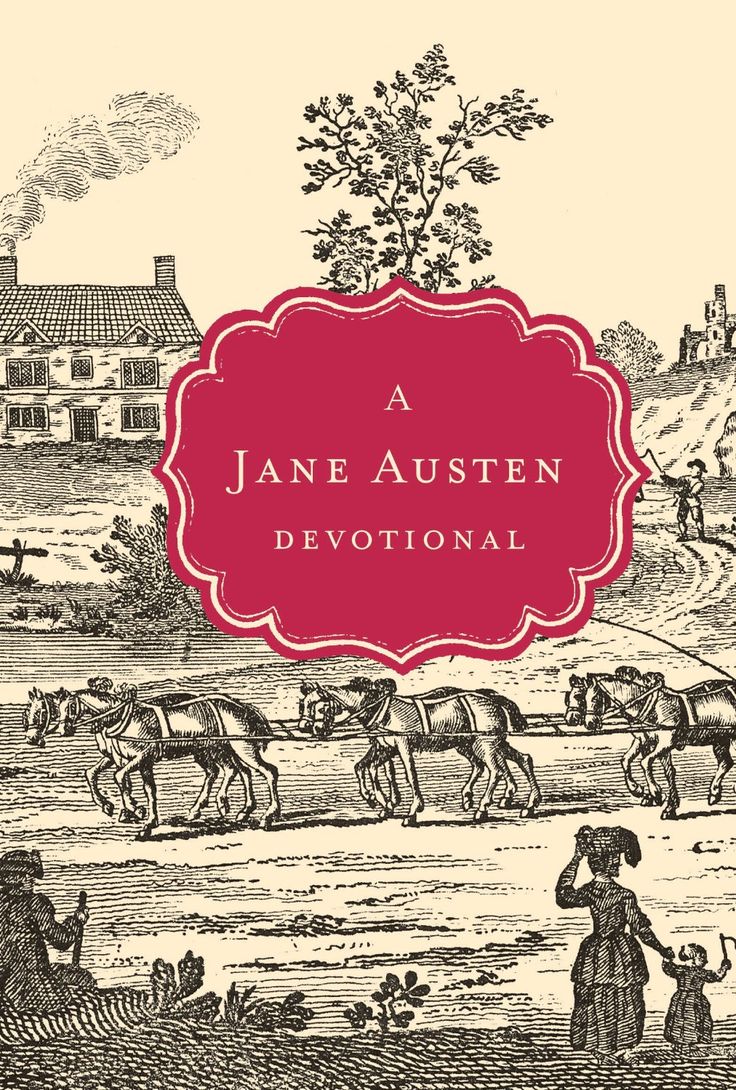
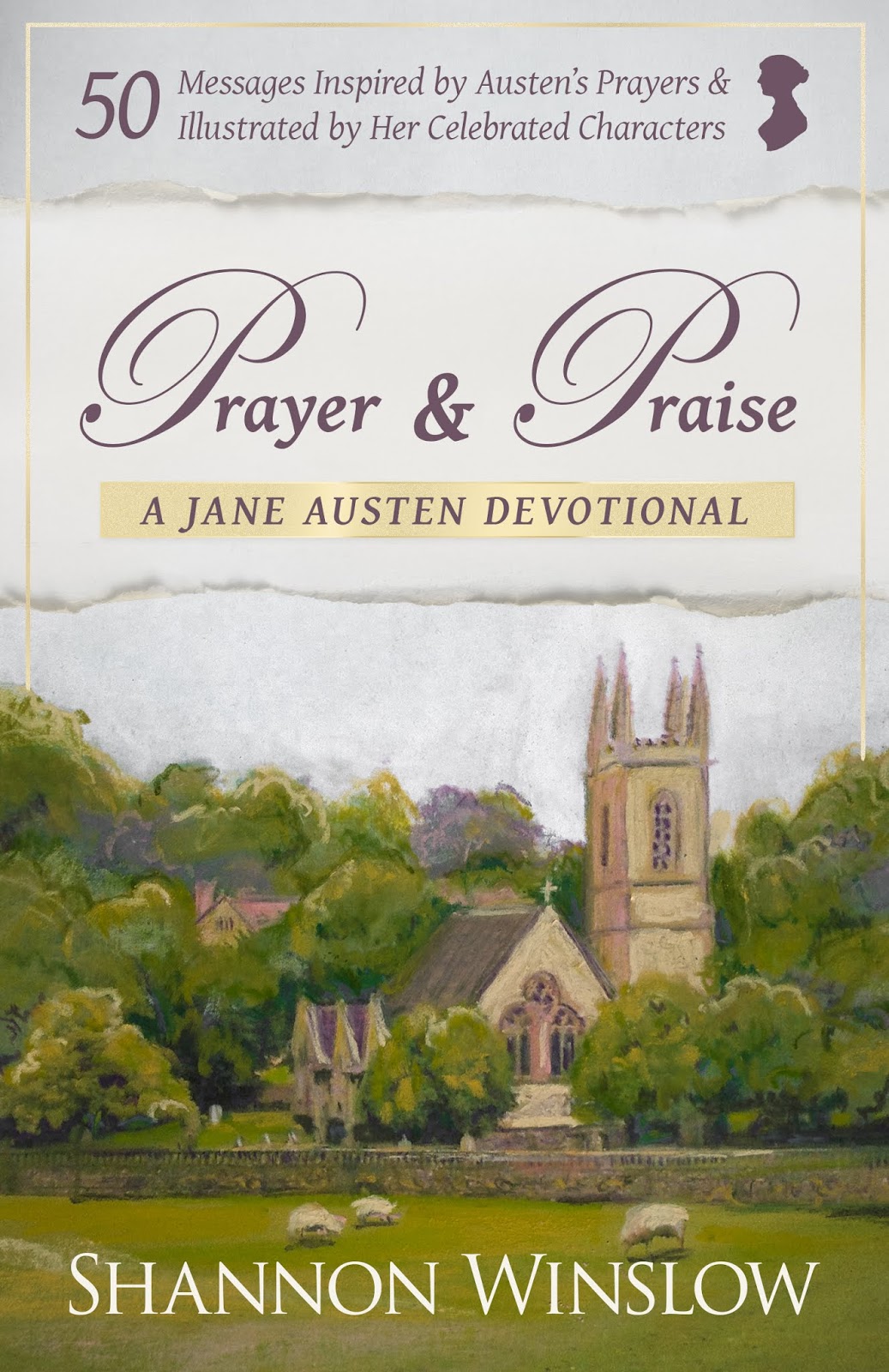
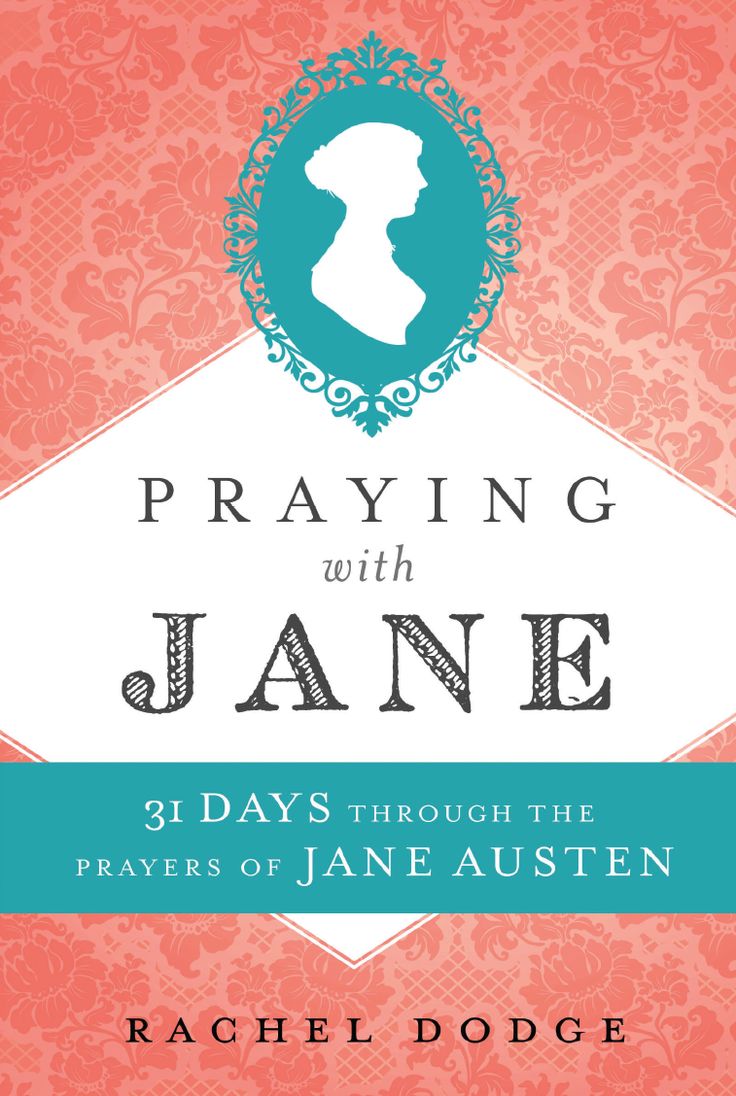
Here are three samples of non-Jewish authors who’ve done just that with their own Jane Austen devotional journals:
I know what you’re thinking. You’re already coming up with excuses.
Excuse #1: It doesn’t sound quite… kosher.
Some people pray and recite psalms and proverbs on a daily basis. Others say the words that in their hearts and minds. Some people attend services every week. Others only go to synagogue during the High Holidays. As Jews, we have rituals such as our morning prayers, tefillin, and blessings of thanksgiving. We do charitable work. We light our Shabbes candles. A devotional journal can be another ritual or tool in our spiritual connection.
Excuse #2: Ugh! I’m not interested in Jane Austen.
News flash: This journal is actually not at all related to Jane Austen.
Excuse #3: You’re too busy for another commitment.
What if you change your mindset and think of this as a self-care moment—a special treat, like a mani-pedi or meeting a friend for tea? What if you choose to use this journal, not only for its entertainment value, but to nourish your neshama, your Jewish soul? Here are some suggestions that you might find helpful:
Make an Appointment~ This is your time to reconnect
Decide on a timeframe~ Set a realistic amount of time aside. 15 minutes?
Choose a Place~ Set up a cozy nook, have a pen, highlighter, etc. handy
Be flexible ~ Life happens! Be kind to yourselfand adjust as necessary
Publication day is fast approaching! Stay tuned and follow this page for release updates.
The last blog post discussed the concept of expressive writing and my hopes for publishing something unique and thought provoking. This project is not a historical fiction based in Russia or Argentina. It’s not a Regency Romance in keeping with my love for Jane Austen. My sixth publication is a daily journal about—and more importantly, for—Jewish women. It will provide a bit of structure and a comfortable environment to reflect upon historical accomplishments, religious identity, moral questions, life cycle events, and so much more.
If you were to search for a daily journal on Amazon, the results would be staggering. As a matter of fact, in recent years the market has been overwhelmed with these so-called low content publications. These books have minimal, or even, no content— just pages of empty lines waiting to be filled with the consumer’s own thoughts. The author provides a quote or a simple phrase as motivation, but that’s about it. I’ve crafted something a bit different.
Technically, my project is considered medium content. There is some repetition in that I have provided space for you, the consumer, to write. However, rather than offering a quote or prayer as inspiration, I have provide a brief synopsis for each of the one hundred women showcased in the journal. After each snippet of history, there are three thoughtfully constructed questions to help you navigate through your thoughts and strengthen your resolve, your point of view—your faith.
Another factor that differentiates my project from other journals is that it’s specifically geared towards Jewish women. Naturally, everyone is welcome to enjoy it and learn from it. I believe any person of faith would find the journal an enlightening and useful tool. That being said, the P.O.V. for this project (Point of View—that’s me trying to show off my author’s vocabulary) is unapologetically Jewish. Jennifer Wulff, Certified Spiritual Director, believes that, “Expressive journaling becomes a sacred and holy space, where you can explore your deepest questions and strengthen the connections between yourself and the Divine.” Now, more than ever, it is important to find our own voice. To look back with pride and to look forward without fear. To be comfortable in our own skin.
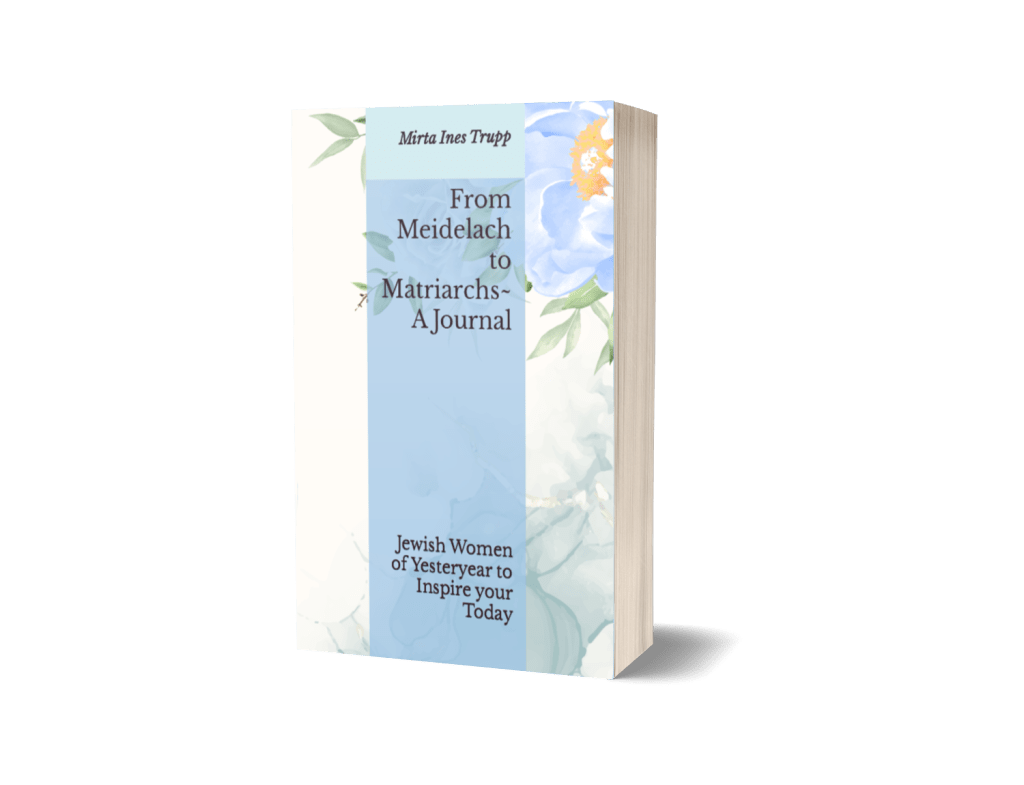
Shoyn! (as my bobe used to say) Enough already! I promised a cover reveal. So, here it is:
Nu? What do you think? Let me know in the comments below. Publishing Day is fast approaching! I look forward to hearing from you soon.
Alina Adams joins us today. Alina is a New York Times best-selling author, romance and mystery writer, soap opera industry insider, and a pioneer in online storytelling and continuing drama. She received her B.A. and M.A. in broadcast communications at San Francisco State University and firmly established herself in the world of television.
Throughout her career, she has worked as a television writer, researcher, website producer, content producer, and creative director. To say that I am in awe of the scope of her work is putting it lightly!
What an honor to welcome such a talented and inspiring author! Let’s get right to it, shall we?
Host: Alina, I was delighted when you contacted me and am thrilled to have you on the blog today. Please tell us about your latest project.
Guest: Thanks so much for having me, Mirta! My last historical fiction novel, The Nesting Dolls, took place in three time periods, 1930s Odessa, USSR during The Great Terror, 1970s USSR during the Jewish Refusnik movement, and present-day Brighton Beach, Brooklyn. (Well, 2019 Brighton Beach, Brooklyn, which means we got in just under the wire and didn’t have to address the pandemic.) So many of the emails I received and the reviews on Goodreads, etc… focused on the first part, 1930s Odessa (a Southern Ukrainian city that people have heard a lot more about now than they had when I first wrote The Nesting Dolls).
Readers told me they had no idea of what was going on in the USSR under Stalin, how repressive, paranoid, and dangerous it was to speak your mind – or even be accused of having done so. As a result, I decided to set my next book primarily in the same time period, but in a place few ever heard of: Birobidzhan, the first Jewish independent state of the 20th century, located on the border between Russia and China.
Host: I read The Nesting Dolls and can highly recommend it, although Part One resonated with me the most. My father’s side of the family lived in and around Odessa. Thankfully, they were able to immigrate prior to the Russian Revolution. Tell us, what intrigued you specifically about this time period?
Guest: Most of the historical fiction/romance set in Europe in the 1930s and 1940s focuses on World War II and the hideous war-crimes and crimes against humanity that took place there. Little attention is paid to what Josef Stalin was doing to his own people during the same time period. Modern estimates suggest he may have been responsible for as many as 9 million deaths, most of them people he designated as “enemies of the state.”
Yes, the USSR defeated Hitler – at the cost of a staggering 24 million people, including soldiers and civilians – but the country they were defending was, in many ways, no better.
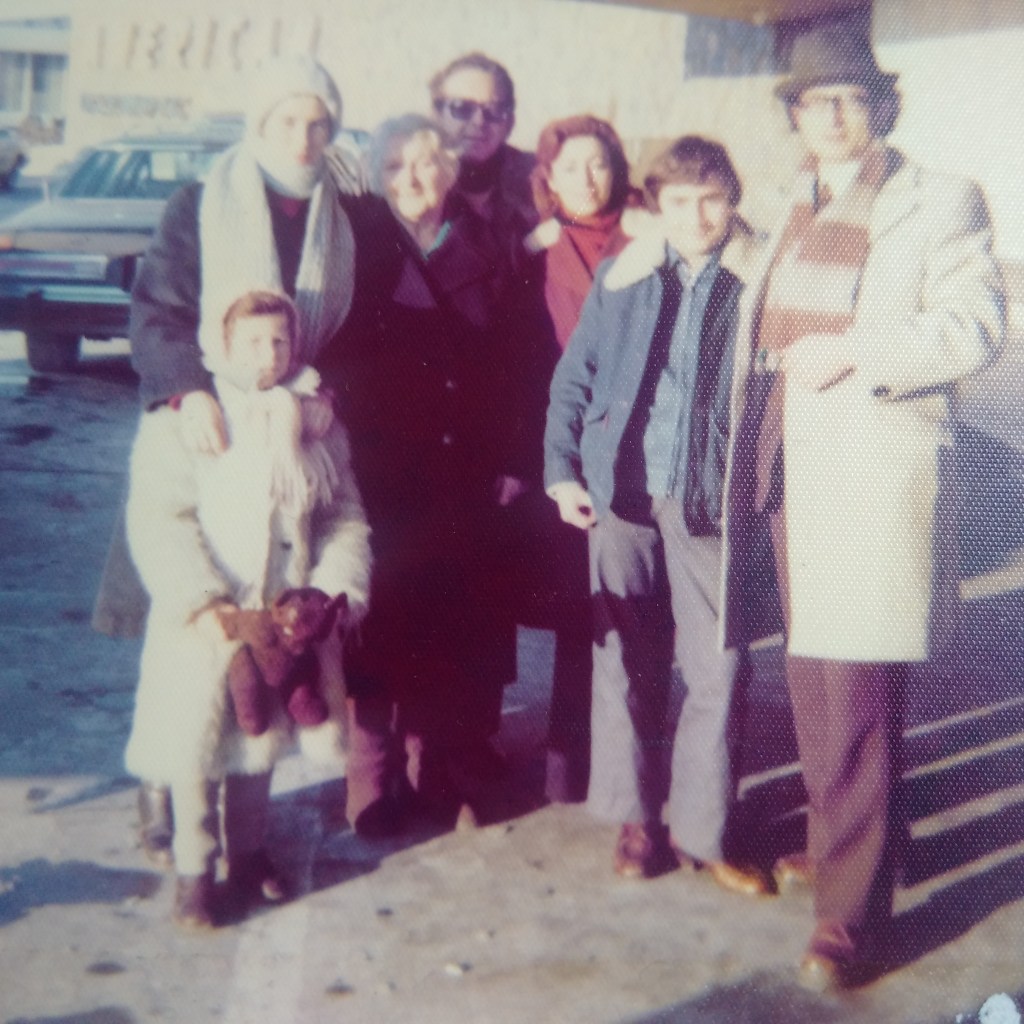
Arriving in New York City
I was born in Odessa, USSR, and grew up hearing stories not just of the war against the Fascists, but also what the Communists did, starting with the revolution, going through the deliberate starvation of the Ukraine (between 3 and 7 million deaths), to Stalin’s accusation that Jewish doctors were poisoning the local populace, knows as “The Doctor’s Plot,” right up until the country’s collapse in 1991.
In 1988, right after Gorbachev first came to power and perestroika made it possible for former Soviet citizens to go back and visit the country they’d fled, my mother and I traveled to Moscow and Odessa. That trip informs the one my characters take, also in 1988, as they go back to look for those they left behind.
Host: I agree with your assessment wholeheartedly. Novels focusing on that time period fail to consider what was going on in the rest of the world. My own family’s history living under Peron, or men of his ilk, is often overlooked. I applaud your efforts and strongly believe it is important sharing our stories. Why do you think Jewish Historical Fiction is an important, stand-alone, genre?
Guest: Just when it feels like we’ve told all the stories there are to tell, new ones pop up. Since “The Nesting Dolls” came out in July 2020, smack in the middle of the pandemic, I’ve been doing dozens of Zoom Book Club talks.
At nearly every single one, I ask, “What was the first Jewish independent state of the 20th century?” Nearly everyone says, “Israel.” When I tell them about Birobidzhan predating Israel by about 20 years, they’re amazed. Even the most educated Jews have never heard of it!
Host: I admit it. I’ve never heard of Birobidzhan. Kudos to you for highlighting this important piece of history. The Jewish community is a diverse and unique culture; yet—here in America—we tend to focus on two narratives: The Holocaust and Fiddler on the Roof-type themes. As you have pointed out, there is so much more to talk about! As an immigrant, would you care to share your thoughts on this topic?
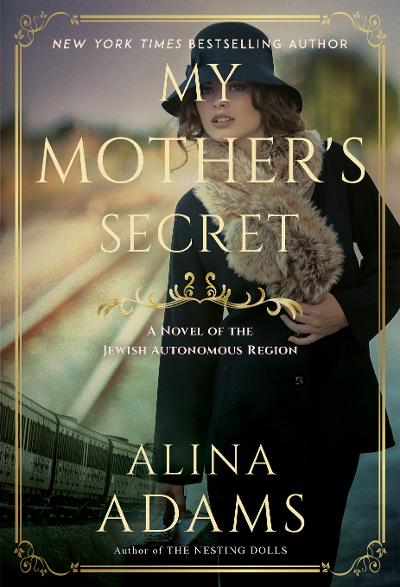
Guest: Yes, absolutely! One of the reasons I wrote both “The Nesting Dolls” and “My Mother’s Secret: A Novel of the Jewish Autonomous Region” was because I was tired of seeing only Fiddler and the Holocaust as the alpha and the omega of the Jewish experience, especially in Europe. It is so much broader than that.
My son calls it “Azhkanzie-normative,” but it goes even further than that. It’s Ashkanazie Jews in a very particular time and place, as though that were all there was.
Host: I like how you’ve put it: These subjects are not “the alpha and omega” of the Jewish experience. That has been my entire POV (point of view) when writing about Jewish Argentina. Our collective experience is much broader than these topics allow. Do you remember your first Jewish fiction that was non-Holocaust related?
Guest: I loved “Flowers in the Blood” by Gay Courter, about a wealthy Indian Jewish family.
Host: I have just researched the title. It sounds fascinating! Courter presents a unique story about Calcutta’s tight-knit Jewish community—something I don’t know much about. I appreciate authors who weave accurate history throughout the storyline. While doing your research, did anything come as a surprise?
Guest: My mother told me about a propaganda movie in Yiddish and Russian that she remembered being made to convince all the Jews of the world to move to Birobidzhan. We were able to find it on YouTube and watch it together. I don’t know what was worse, the clichés or the outright lies. You can see it too.
Host: Thanks for the suggestion! With your unique heritage and considerable education, you certainly have plenty of material to share. How long have you been writing? When did you consider yourself an author?
Guest: I’ve wanted to be a writer since before I even knew that was a job. My parents claim my first words were “pencil” and “paper.” I started sending out novels to publishers – and collecting rejections – when I was 17, a senior in high-school.
I finally sold my first book when I was 25, to Avon. It was a Regency romance, “The Fictitious Marquis,” which, believe it or not, actually had a Jewish woman as the heroine! Yes, it was possible, but she was also hiding her “tainted blood.” Years later, the Romance Writers of America named it the first #OwnVoices Jewish historical! Who knew?
Host: I’ve read “The Fictitious Marquis” and have included it on my Goodreads list! As a Janeite and a previous blogger for Austen Authors, I’m always happy to spread the word regarding Jewish Regency Romance.
Alina, I want to thank you for this fascinating and thought-provoking interview. I know you’ve touched many people with your stories—this audience included. Please let us know where we can find you online.
Guest: Thank you so much for hosting me, today. I can’t wait to hear what people think of “My Mother’s Secret: A Novel of the Jewish Autonomous Region,” and I’d love to answer any questions your readers might have about it, the USSR, writing in general or really pretty much anything!


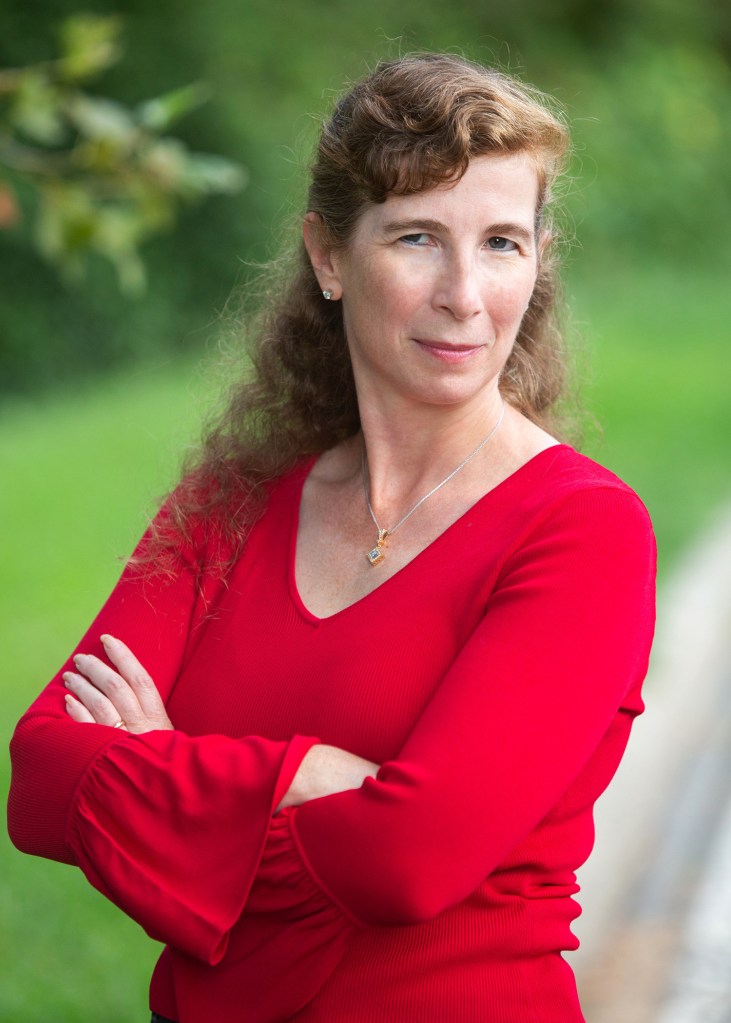
 Mirta Ines Trupp~ Author