
Today’s the day! I had planned for a different release date, but KDP (the publishing house for Amazon) works in mysterious ways…who am I to argue with their algorithms and stratagems? I’m happy to release the book on a Tuesday. As I mentioned in a previous post, Tuesdays are special in Jewish tradition. I will take all the extra blessings and positive vibes I can get!
The Jews of Donwell Abbey is a retelling of Austen’s Emma. For those of you not familiar with the original text, allow me to fill in some of the blanks. The novel was first published in December 1815 and is set in the fictional country village of Highbury in England. Austen provided for two principal estates, namely Hartfield—where Emma Woodhouse resides with her father—and Donwell Abbey, the home of Mr. Knightley.
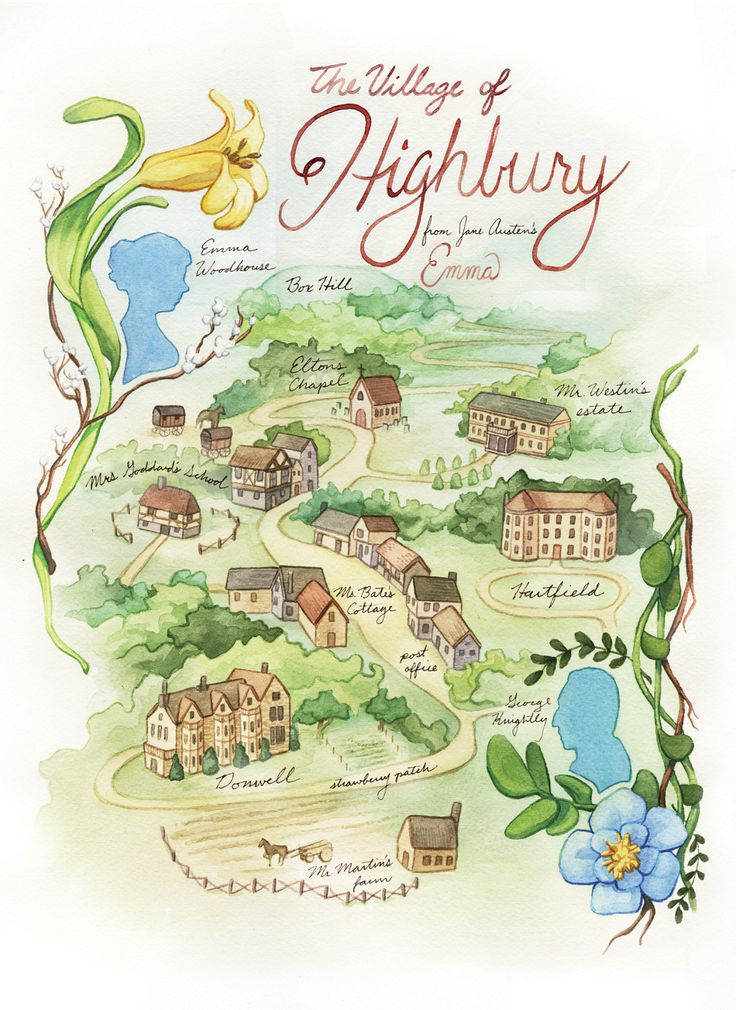
There are, of course, various friends and family members that enliven the story. The Westons, Mrs. and Miss Bates, Miss Fairfax, Mr. Churchill and Mr. Elton are members of the gentility and are all acquainted with Miss Emma Woodhouse, the main heroine of the story. Mrs. Goddard, the Cox family, and the Martins are not of the same social sphere, however they too are showcased in varying degrees. And then there is Miss Harriet Smith.
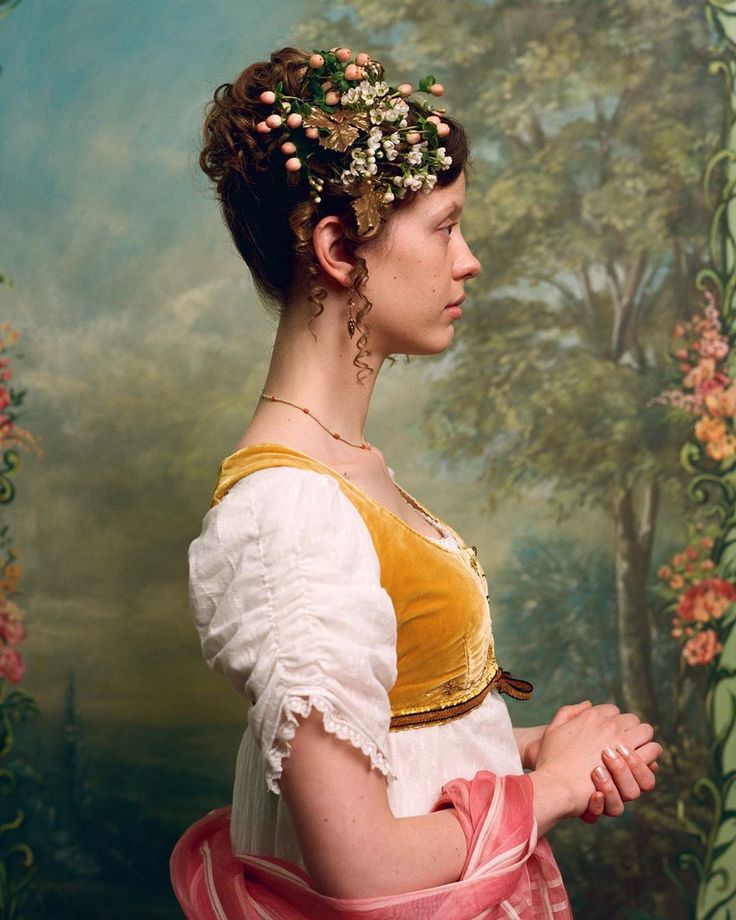
Harriet Smith is “the natural daughter of nobody knows whom”—a phrase that tells us instantly that this beautiful, yet unsophisticated girl, was born out of wedlock. She is raised in Mrs. Goddard’s school; and, when she completes her studies, Harriet becomes a parlor boarder. That is to say, she remains at the school and helps supervise and teach the younger pupils. Miss Emma Woodhouse takes notice of the charming young lady and takes Harriet under her wing—believing in her heart of hearts, that the girl must be the daughter of a gentleman; and therefore, in need of some guidance.
Which actress portrayed her best?
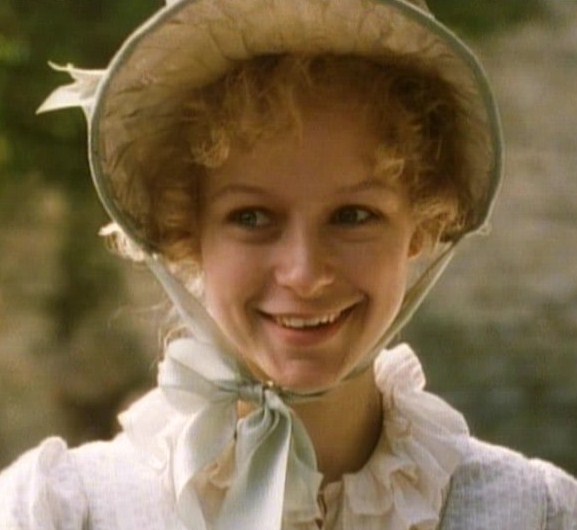
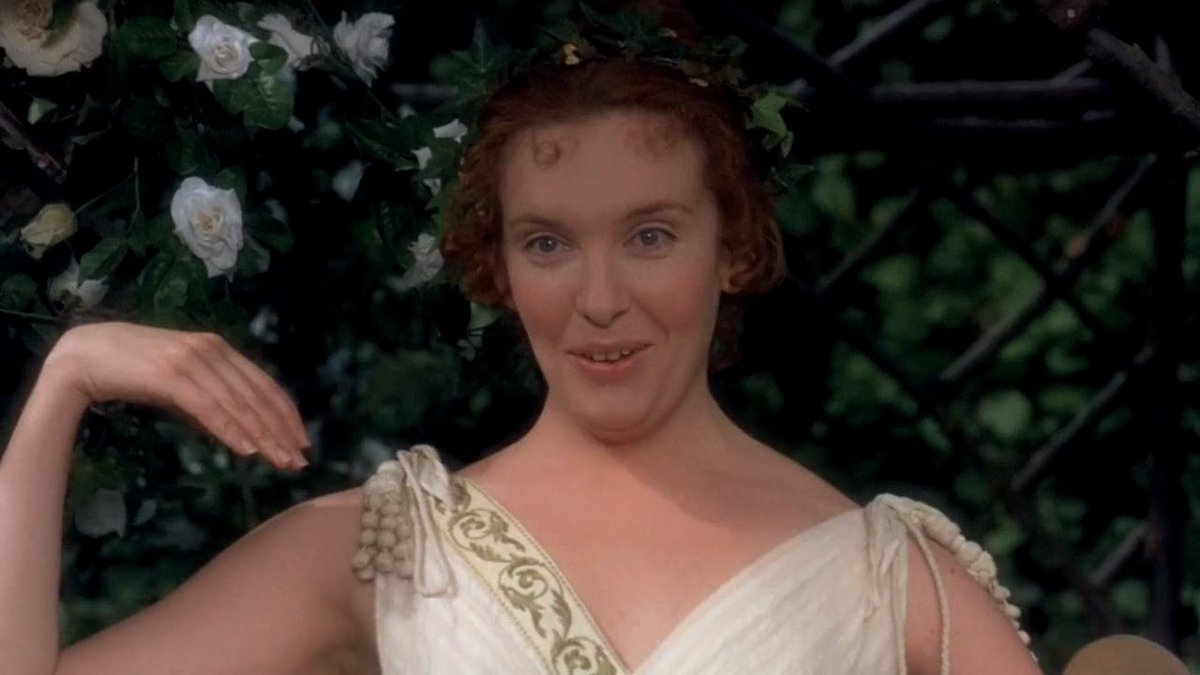
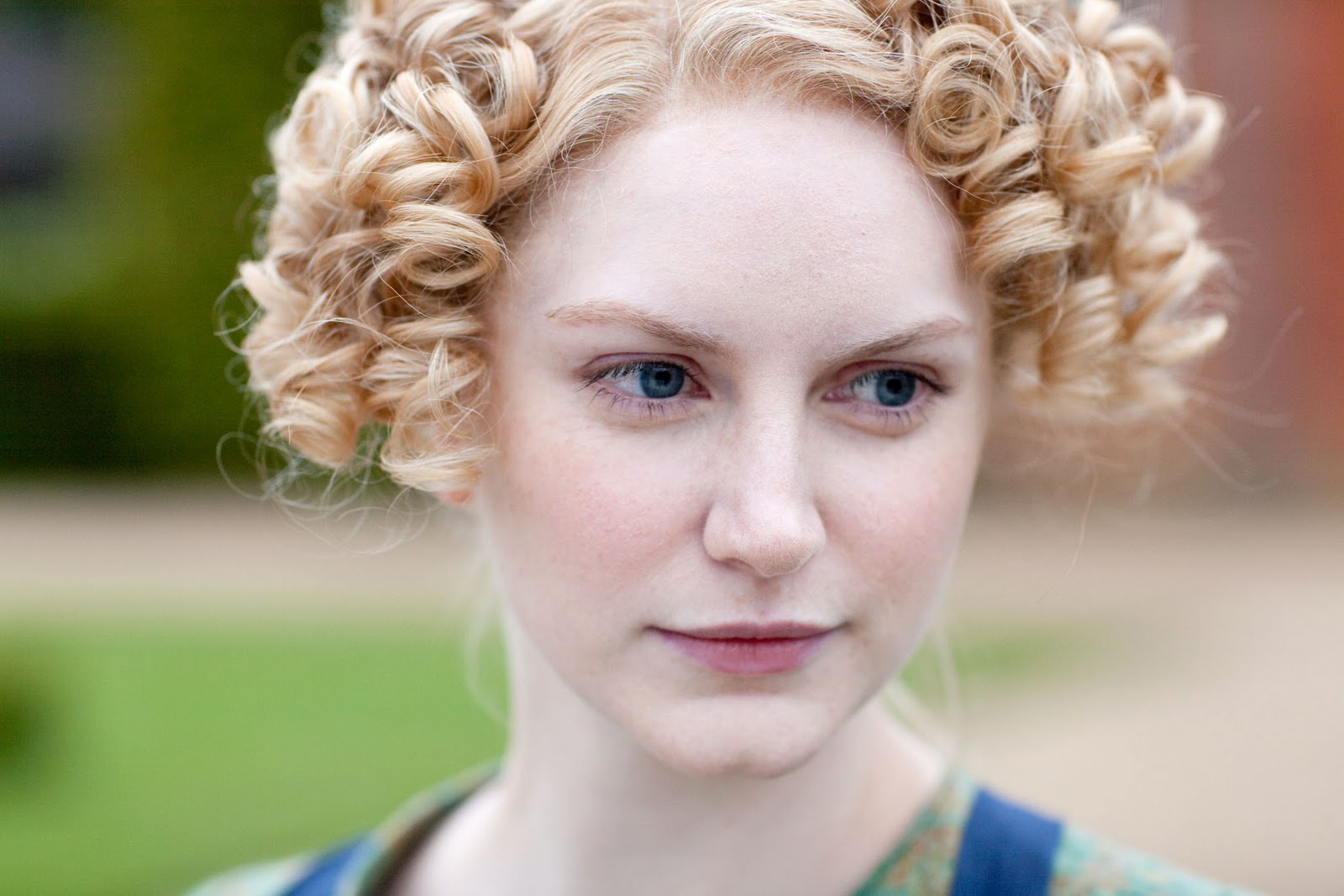
At the conclusion of her novel, Jane Austen reveals the truth about Harriet’s heritage, albeit the details are brief and wanting. However, in her usual— brilliant—style, the author gently nudges readers to address the many topics that concerned Georgian (Regency) society. Austen explores genteel poverty and elegant economy, such as what the Bates women must experience. The thin line of respectability and acceptance within the social spheres is showcased with the Cox, the Coles, and the Martins. The desperation to marry, and to marry well, is underscored by the ever-looming threat of becoming a governess or worse, yet, a spinster!
As in the past, Austen helped me spin a tale of my own. Harriet’s story, meant to be secondary in nature, moved to the forefront in my mind. The vague commentary about Harriet’s true parentage was thought-provoking to say the least! I couldn’t walk away from the opportunity! The end result is a novel that continues to address taboo subjects, such as the responsibility of caring and raising foster children, the enduring effects of post traumatic stress disorder, religious intolerance, spiritual growth…
Don’t worry! The story continues to be a light and entertaining read. I hope to have mimicked Austen’s touch—you will have to let me know. See what others have been saying here…
With love,

 Mirta Ines Trupp~ Author