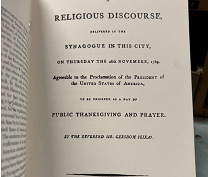
On November 26, 1789, America celebrated its first presidentially proclaimed Thanksgiving Day under the new Constitution. In New York City, a remarkable Thanksgiving service took place at Congregation Shearith Israel, led by its spiritual leader, Gershom Mendes Seixas. His message was extraordinary—not simply because of the occasion, but because of what it represented.
This story is especially meaningful to me because it reflects a larger chapter of American history that I explore in my book, Kindle the Light of Liberty, which tells the stories of Jewish American Patriots and their contributions to the founding of our nation. Seixas represents an important part of that story: a man whose Jewish identity and commitment to religious tradition went hand in hand with his devotion to American independence and the ideals of liberty.
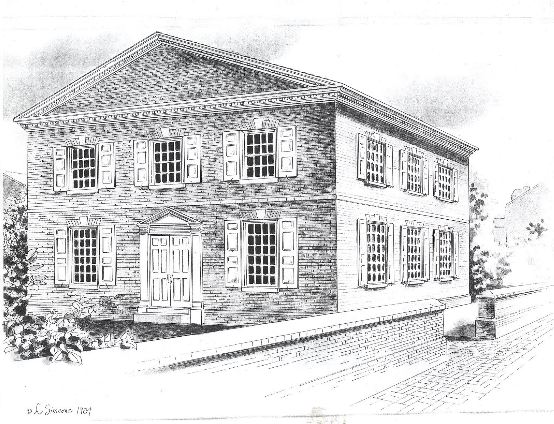
Seixas was the spiritual leader of New York City’s only synagogue during the Revolutionary era. A committed Patriot, he had urged his congregation to leave New York ahead of the British occupation in 1776. He led members of the congregation first to Stratford, Connecticut, and later to Philadelphia, carrying the synagogue’s sacred Torah scrolls with him. That act became a powerful symbol of the determination to preserve Jewish faith and identity even in the midst of war and displacement.
After the British evacuated New York in 1783, Seixas returned to lead his congregation. By then, the newly independent state of New York had already granted Jews equal civil rights under its 1777 Constitution. This was a remarkable development in a world where Jews had long experienced legal restrictions and exclusion. Just months before the Thanksgiving service, when George Washington was inaugurated as the first President of the United States in New York City on April 30, 1789, Seixas was one of fourteen clergymen invited to participate in the inaugural ceremonies—the only Jewish religious leader among them. So when President Washington proclaimed a national day of thanksgiving that November, Seixas had a deeply personal reason to celebrate.
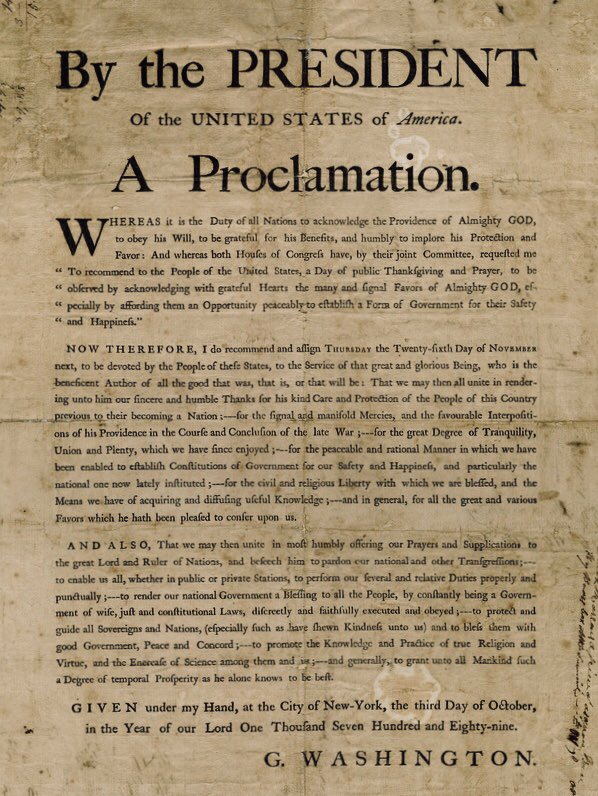
The Revolutionary War was over, religious liberty had advanced, and a new Constitution had been adopted. For a small Jewish community that had endured centuries of persecution and exile, the promise of American freedom was especially meaningful. But Seixas’s Thanksgiving sermon was about far more than gratitude for political independence.
Drawing upon Jewish text, particularly Psalm 100, he reminded his congregation that genuine thanksgiving begins with acknowledging God and living according to His commandments. And what does God require? Not simply prayer or expressions of faith, but righteous conduct, compassion, humility, and justice. He emphasized that faith must be demonstrated through actions. Citing the prophets, he reminded his listeners that they were called to “do justice, execute judgment, and walk humbly before the Lord.”
Then he made a remarkable connection between religious responsibility and citizenship. Seixas urged his fellow Jews to support the new American government, respect its laws, and contribute to the welfare of the broader community. He recognized that the Constitution offered them something previous generations could scarcely have imagined: an opportunity to participate as equal citizens in the political life of their country. He declared that it was their duty to support a government founded upon “the strictest principles of equal liberty and justice.”
And he did not stop there. He called upon his congregation to work together, setting aside prejudice and personal differences, and to unite in promoting the public good. His words were especially meaningful because America’s Jewish population was still remarkably small. Seixas drew upon the long history of the Jewish people, whose experiences of exile, persecution, and hope for restoration gave them a particular understanding of what it meant to find a place of refuge. He believed that the Jewish community had a special responsibility to demonstrate through its conduct what a faithful and righteous people could contribute to society.
His closing appeal was both deeply Jewish and profoundly American. He urged his congregation to live in brotherhood and harmony, to put aside their prejudices, to seek peace, and to pursue it. In doing so, they would become examples to the nations around them.
A Thanksgiving Message That Still Speaks to Us
There is something particularly moving about imagining this scene in November 1789: a Jewish congregation, in a young and still-fragile American republic, gathering to give thanks for the blessings of liberty. And its spiritual leader was not simply celebrating what America had given them.
He was reminding them of what they owed in return.
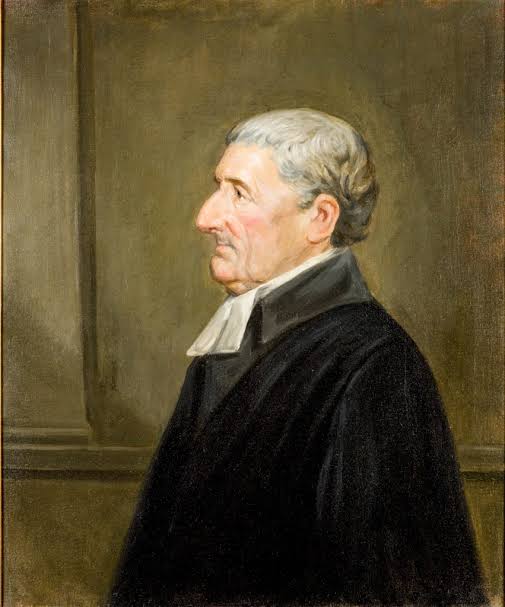
His message was that freedom is not merely something to receive and enjoy. It is something to protect; it is something to honor through our conduct. A just government requires responsible citizens. And gratitude must lead to action.
In many ways, Seixas’s message echoes the famous words of the Puritan leader John Winthrop, who had earlier urged his fellow settlers in Massachusetts to live as a community whose example would be watched by the world—a “city upon a hill.”
Seixas, speaking from an entirely different religious tradition, was drawing upon an even older biblical mandate: the prophetic call for Israel to be Or LaGoyim—”a light unto the nations.”
Both men expressed a remarkably similar vision: that a community’s character is revealed not only by what it professes to believe, but by how it lives. More than two centuries later, his Thanksgiving sermon remains a powerful reminder of the principles upon which a free and diverse society depends: faith, gratitude, justice, mutual respect, and a shared commitment to the common good. Perhaps that is a message worth remembering every Thanksgiving.
I wish you a meaningful yontif with your family and friends.
With love,

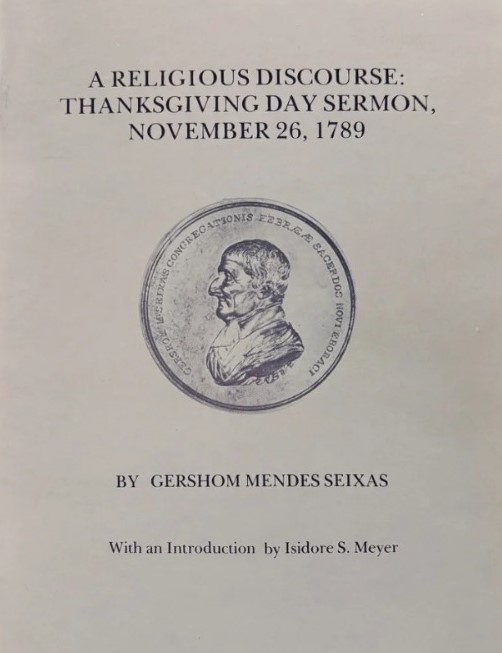
Historical source: Gershom Mendes Seixas, “A Religious Discourse: Thanksgiving Day Sermon, November 26, 1789,” edited with an introduction by Isidore S. Meyer (Jewish Historical Society of New York, 1977). The historical account and sermon are available through the Religion in America History Project.


