New Post

Jane Austen, the American Colonies, and the Fragility of Order


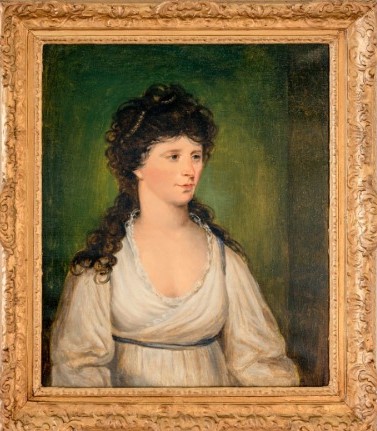
Americans have long embraced Jane Austen as though she somehow belongs to us.

We adapt her novels endlessly. We quote Elizabeth Bennet as if she were an old friend. Entire American industries have formed around Regency balls, tea culture, and Austen-inspired romance. Yet Austen herself appears to have regarded America with considerable suspicion.

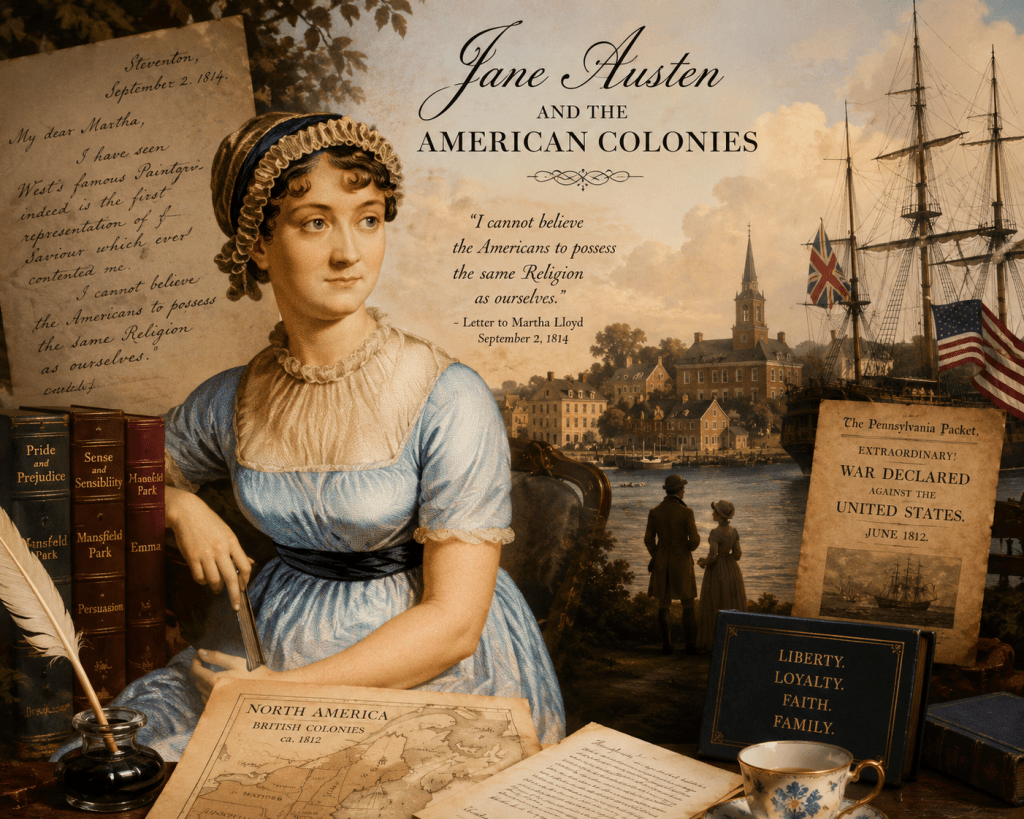
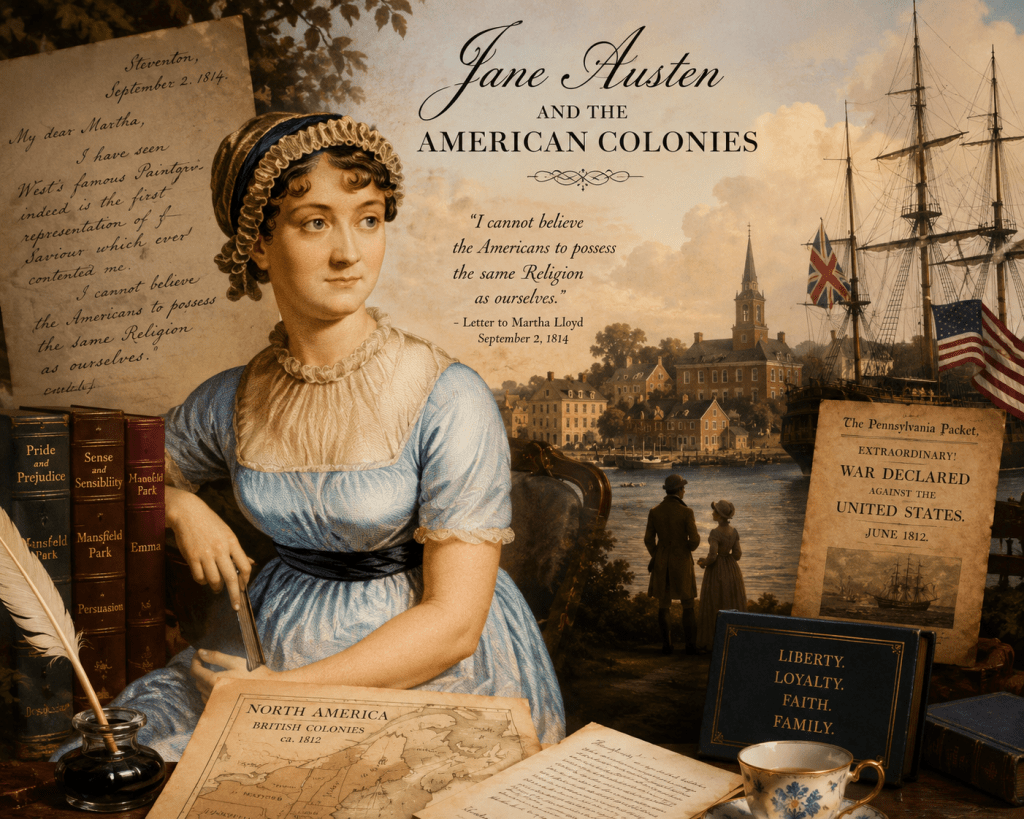
In an 1814 letter written during the War of 1812, Austen confessed that while Britain remained “a Religious Nation,” she could not believe Americans possessed the same religious seriousness. It is one of the clearest surviving glimpses of her feelings toward the young republic. To modern readers, this can feel surprising. Austen is often claimed as a proto-progressive writer whose intelligent heroines challenge social expectations. Surely such a woman would have sympathized with revolutionary ideals?

And yet Austen’s fiction consistently reveals a deep suspicion of rupture.

She was born in 1775, only two years after the Boston Tea Party and in the very year the American Revolutionary War began. She grew up in a Britain shaken by the loss of the colonies and later horrified by the violence of the French Revolution. To Austen’s generation, revolution did not necessarily signify liberty. It often signified instability, betrayal, bloodshed, and the collapse of inherited order.

And betrayal, notably, becomes one of Austen’s great fictional obsessions.

Again and again, her novels revolve around broken trust tied to money, advancement, or self-interest. In Sense and Sensibility, Willoughby abandons Marianne for wealth. In Emma, Frank Churchill deceives nearly everyone around him to preserve his inheritance prospects. In Pride and Prejudice, George Wickham’s trail of deception—from his attempt on Georgiana’s fortune to his ruinous elopement with Lydia—exposes how easily self-interest can dismantle a family’s social standing. Even the pragmatic marriage of Charlotte Lucas feels like a betrayal of shared ideals to Elizabeth, proving that trust is often sacrificed at the altar of security.  Finally, in Persuasion, Anne Elliot’s broken engagement becomes a quiet meditation on loyalty, regret, and wounded trust.

But Austen rarely discussed politics directly; instead, she wove its themes into the fabric of everyday life. In her novels, the tensions shaping nations often reveal themselves within families: through inheritance, courtship, duty, and belonging. The fractures of public life become emotional burdens that society must somehow bear together. I suppose, as a Jewish reader, this resonates with me. Contemporary culture often romanticizes revolution and social upheaval. Jewish history, however, tends to remember the cost.

Across centuries, revolutions, wars, and collapsing social orders rarely produced immediate freedom for Jews. More often, they unleashed uncertainty, scapegoating, displacement, or violence.

Stability itself became precious.

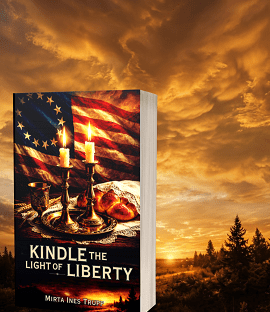
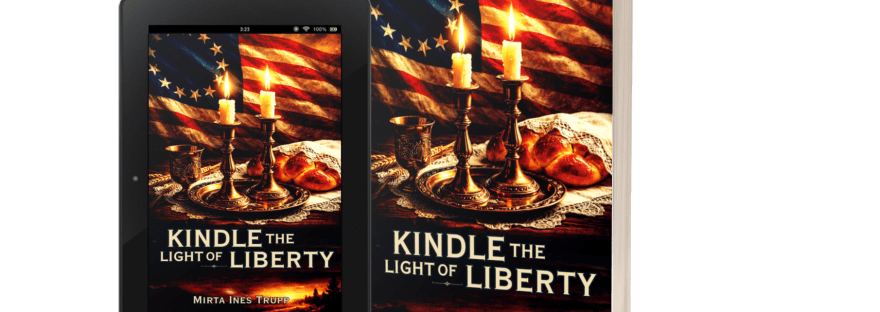
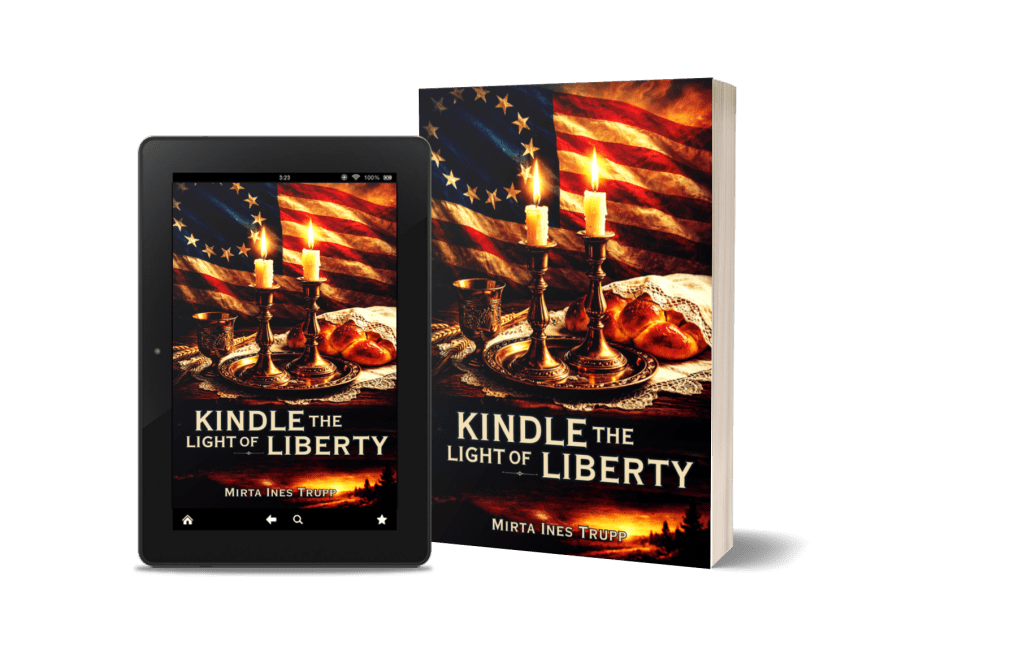
Maybe that’s why Austen’s suspicion of political rupture feels less alien to me than it might to some modern readers. Beneath the wit and courtship plots lies an intense concern with continuity: how families endure, how moral inheritance survives, and how fragile civilization can become when loyalty gives way to appetite and self-interest. This made a strong basis for my new novel, Kindle the Light of Liberty, which explores life in Colonial America during another age of uncertainty and transformation. For Jews living through the Revolutionary era, it was not merely a philosophical debate about liberty. It was personal and precarious. Jewish communities in places like New York City, Newport, Charleston, and Philadelphia had to navigate divided loyalties, economic instability, shifting governments, and the eternal question every Jewish community has faced in exile: will this society remain safe tomorrow?

Some Jews supported the Revolution enthusiastically. Others feared the chaos that revolutions inevitably unleash. Many simply hoped to preserve their families, faith, and fragile place within society while empires battled around them. That tension between liberty and stability, hope and uncertainty, reinvention and continuity feels profoundly Austenian to me—even though Austen herself may never have intended it so. After all, the author’s greatest conflicts are about what happens to human relationships when social structures begin to shift. Her characters must navigate competing claims of duty, desire, inheritance, class, morality, and personal freedom. Beneath the drawing rooms and courtships lies a deeper anxiety about continuity itself: what must be preserved, what may change, and what is lost when loyalty gives way to self-interest. That is one reason Elizabeth Bennet and Fitzwilliam Darcy profoundly influenced the dynamic between Rose Wachsman and Nathan Hirsch—characters in my own forthcoming novel. Their misunderstandings are not merely romantic obstacles; they reflect the delicate balance between personal freedom and communal expectation, individual judgment and inherited responsibility. Those tensions felt especially relevant to me while writing about Jews in Colonial America, where questions of loyalty, belonging, security, and identity were not theoretical abstractions, but daily realities.

Austen may never have trusted revolutions. But she understood what it meant to live in a world where old certainties were beginning to fracture. Perhaps that is why her novels still speak so powerfully to readers shaped by histories of displacement, endurance, and survival — to readers who know how fragile civilization, continuity, and belonging can become. If these themes resonate with you, I invite you to journey into the world of Kindle the Light of Liberty. Through the lives of Rose Wachsman and Nathan Hirsch, the novel explores what it meant for Jewish families to navigate a revolutionary age while trying to preserve faith, belonging, and hope in an ever-shifting world.

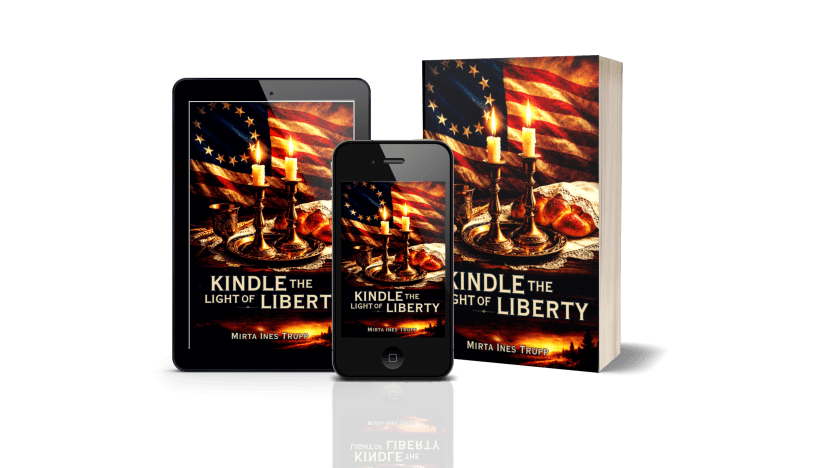
Kindle the Light of Liberty will be released this July.

With love,

New Post

In Honor of the 250th Anniversary of This Great Nation’s Independence: Let’s Discuss Jewish American Colonists

A candle to one is a candle to many ~ Talmud, Shabbos 23b

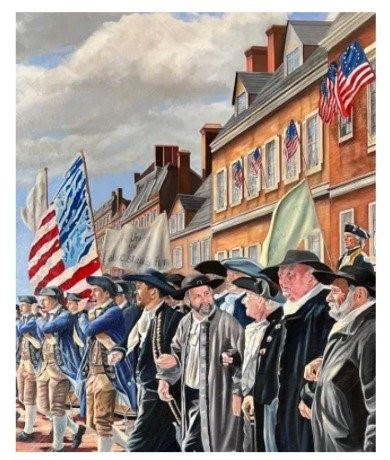
I am thrilled to share a first look at my new novel, Kindle the Light of Liberty, arriving on July 4, 2026! As we approach the 250th anniversary of this nation’s Independence, I wanted to write a tribute to the diverse, complex voices of the Revolutionary period—especially the Jewish colonists who fought for a home in the new Republic.

While my characters, Rose Wachsman and Nathan Hirsch, are definitely influenced by the sharp, social wit of Jane Austen, this story isn’t just about parlors and assemblies; it’s about the hidden sparks of rebellion carried by those whom history often overlooks.

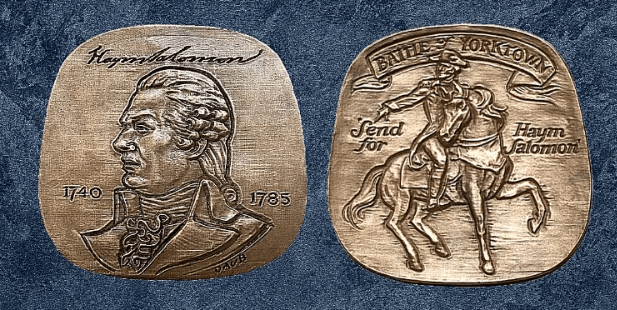
Remarkable figures navigated quiet alliances and treacherous loyalties before and after 1776. People such as: Frances Sheftall, Mordecai Sheftall, Haym Solomon, Issac Franks, The Gratz Family, Abigail Minis, Gerhom Mendes Seixas, Jonas Phillips, Moses Michael Hayes, Solomon Bush, and many more! We often focus on the muskets and battles, but liberty was also won in the shadows by men and women of profound faith and courage.

I’ve called this an American Revolution Love Story. I suppose you can interpret that in different ways. There is a familiar Pride and Prejudice trope, certainly, but as Jane Austen wrote, “there are as many forms of love as there are moments in time.” I can think of a few: Love of Country. Love of Heritage. Love of Liberty. 

It is such an honor to celebrate these unsung patriots as we prepare for this massive milestone in our nation’s history! Please look for the book on Amazon this July!

They had no voice. They held no power. Yet they helped decide the fate of a nation.

In the bustling streets of Philadelphia, Rose Wachsman has no time for the rigid expectations of her community—and even less for the infuriatingly reserved Nathan Hirsch.

She is a woman of the hearth, sharp-witted and fiercely loyal to the cause of liberty; he is a man of business and tradition, seemingly more concerned with ledgers than the fires of revolution.

But as the war moves from a tradesman’s chandlery to the parlors of the elite, Rose and Nathan find themselves forced into a dangerous game of intelligence and alliance. In a world that would rather forget their names, they must overcome their own prejudices to discover that their greatest adversary might be their only hope.

New Post

Shabbat Shalom~ Commentary from a Jewish Regency Romance Author on Celebrating Independence Day

Here in the United States of America, we will soon celebrate the 246th anniversary of our independence. And as a grateful immigrant, I will soon be celebrating my 60th year in this great nation. The blessings are boundless; a deep sense of pride and patriotism continues to fill my heart.

I come from a long line of immigrants. I wish I could trace my lineage with some level of accuracy beyond that which I know: Russian Jews that settled in Argentina thanks to Baron Hirsch and the Jewish Colonization Association. My family later immigrated to the U.S. and I’ve spent a life time explaining, to all who ask, why there are blue-eyed Jews that speak Spanish.  I try to explain the diaspora. I try to explain the complex history of our immigration. I try to explain that there have been Jews in South America since 1492… “when Columbus sailed the ocean blue.” Quite often, this fact is met with shock. Quite often, this fact only brings up the next question:

How long have Jews been in the good ol’ USA?

As a history buff and a great fan of historical fiction, these questions—for the most part—please me. It is a subject near and dear to my heart! But it is for that very reason, that these questions are also bittersweet. Most people have some understanding, or knowledge, of the massive wave of immigration in the early 20th century. Stories of Ellis Island have been made popular and encompass the history of many peoples that came to these shores. But the story of Jewish immigration doesn’t begin with familiar scenes from “Fiddler on the Roof” or “Yentl.” Here’s a fact for you: Jews have been in both North and South America since the fifteenth century. They found their way here escaping the Spanish Inquisition; however, there is documented proof of observant Jews in colonial America. In fact, it is estimated that there were approximately 2,000 Jews living here and at least seven Sephardic (Iberian Peninsula Jews) congregations. Congregation Shearith Israel was founded in New York City in 1655. Rhode Island’s Yeshuat Israel in Newport began 1658. Congregation Mickve Israel served the people of Savannah, Georgia as early as 1733.

These Jews were from all across Europe. Their list of reasons for leaving hearth and home were the very same that other immigrants could enumerate. They sought freedom. They sought prosperity. They sought peace of mind. And when the colonies united against England, these Jewish immigrants answered the call in some form or fashion.

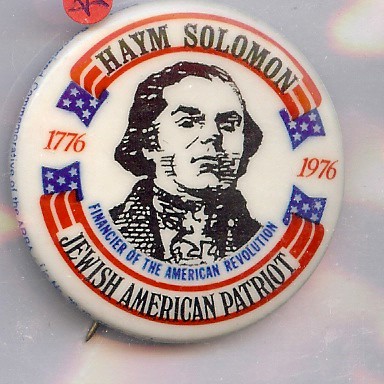
Haym Salomon rendered immeasurable service to the Revolution by providing financial support in desperate times. His service to this nation should be heralded by all. Aaron Lopez of Newport and Isaac Moses of Philadelphia also had the means to assist the cause. Risking their source of revenue, as well as their lives, these merchants sailed their own ships past British blockades and brought clothing, guns, and food to deprived soldiers. Many other Jewish patriots took up arms. In South Carolina, for example, one troop had so many Jewish soldiers, they were dubbed the “Jews’ Company.” In 1776, Francis Salvador, the first Jewish State Legislator of South Carolina, was killed fighting against Loyalists and their Cherokee allies.  In 1777, Lieutenant Solomon Bush discovered a spy in George Washington’s headquarters. The lieutenant was taken prisoner by the British, although he was later released.

Needless to say, women also supported the cause. Abigail Minis was a prominent businesswoman in Georgia during the American Revolutionary War. Left a widow at a young age, she took charge of the family finances. A patriot, Minis also put her hospitality and resources to good use— earning fame and admiration amongst the troops. Legend has it that Mrs. Minis met George Washington in 1791 when he visited her tavern in Savannah. Unfortunately, that can’t be confirmed. Her daughter, Leah, however did meet with the president years later. Mrs. Minis was 91 years of age at the time. She was surely kvelling at that honor, as any mother would!

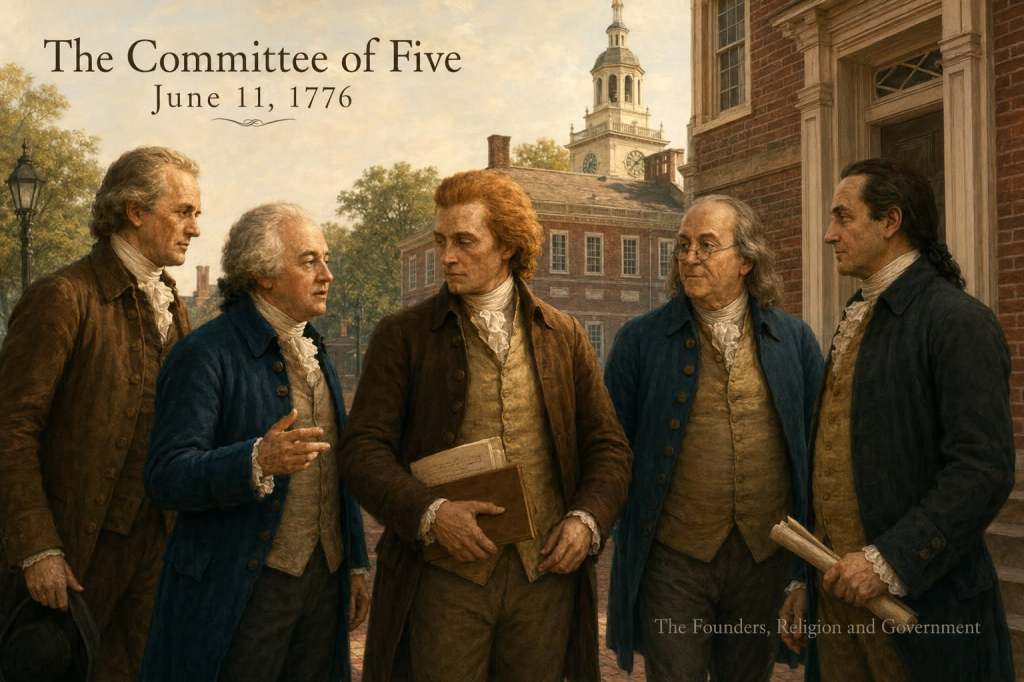
The Mill Street synagogue was a central anchor for the Jewish community in the city of New York since its founding in 1730. In 1766, Gershom Mendes Seixas became the hazzan, or cantor, of the congregation. Although he was not an ordained rabbi, he lead the Jewish community and encouraged their integration into their new society. He was an ardent patriot and supported the cause; and when the British captured New York, Mendes Seixas led the congregation to its temporary home in Philadelphia.  

In the Post-Revolutionary period, Mendes Seixas strived to undergird the patriotism felt by the Jewish community. To reinforce their significance in the American tapestry, he wrote President Washington and asked for a statement of recognition—and reassurance—from the new government.

Deprived as we heretofore have been of the invaluable rights of free Citizens, we now (with a deep sense of gratitude to the Almighty disposer of all events) behold a Government, erected by the Majesty of the People—a Government, which to bigotry gives no sanction, to persecution no assistance—but generously affording to All liberty of conscience, and immunities of Citizenship: deeming every one, of whatever Nation, tongue, or language, equal parts of the great governmental Machine

In probably one of the most important presidential letters in American history, Washington wrote back.

It is now no more that toleration is spoken of as if it were the indulgence of one class of people that another enjoyed the exercise of their inherent natural rights, for, happily, the Government of the United States, which gives to bigotry no sanction, to persecution no assistance, requires only that they who live under its protection should demean themselves as good citizens in giving it on all occasions their effectual support. . .

May the children of the stock of Abraham who dwell in this land continue to merit and enjoy the good will of the other inhabitants—while everyone shall sit in safety under his own vine and fig tree and there shall be none to make him afraid.

May the father of all mercies scatter light, and not darkness, upon our paths, and make us all in our several vocations useful here, and in His own due time and way everlastingly happy...”

This message highlights an extraordinary moment in history and for American Jewry. Here, in this great country, we were given freedom of speech, freedom of religion, freedom of enterprise. And as an immigrant, I know that freedom is rare and fragile. On this Shabbat, and on this anniversary of independence, I simply wanted to acknowledge that fact and say thank you. God Bless America!

God bless America,
land that I love.
Stand beside her
and guide her,
through the night with a light from above.
From the mountains
to the prairies
to the oceans white with foam,
God bless America,
my home sweet home,
God bless America,
my home sweet home.

גאָט בּענטש אַמעריקע,
לאַנד װאָס איך ליבּ,
שטײזע בּײַ איר,
מַדְרִיךְ זײַ איר
איבּראל לײַכט א שטראל אונז צוליבּ
פון די בּערג בּיז
צו די פּרײריעס
בּיז די יאמן װײַס מיט שױם
גאָט בּענטש אַמעריקע,
מײַן זיסע הײם
גאָט בּענטש אַמעריקע,
מײַן זיסע הײם

Jewish Historical Fiction

Inspiration

There is an adage that states: “Write what you know.” Another axiom urges: “Write the book you wish to read.” That is exactly what set me on this path. I have a penchant for all things Judaic, along with a great passion for period fiction, but I couldn’t find anything to satisfy my cravings for a fusion of these two worlds! There are a few “mash ups” out there- if you look hard enough- but I found most of them to be filled with stereotypical characterizations of the Jewish community. When I did find something of merit, the material was intense, heavy reading. Daniel Deronda comes to mind as a good example. Of course, there is a wealth of dark Fiction and Nonfiction that speaks to the atrocity of anti-Semitism throughout the ages, but I was inspired to shine the light on the Regency period, as well as the Victorian and Edwardian. My own family history of immigration takes place just prior to the Russian Revolution and I wanted to bring attention to the heroic steps taken by Baron Maurice Hirsch, his wife, Baroness Clara, and the Jewish Colonization Association.

My favorite, go-to books speak of the landed gentry, aristocrats and high society. It’s pure escapism, I know; nevertheless, I was inspired to create elegant, successful, philanthropic characters. The Brodskys- the famed Sugar Kings -are a prime example. And no Jewish Historical Fiction worth its weight in tea and kamishbroit can overlook Lady Judith and her husband, Sir Moses Montefiore. I wanted to write about Jewish ladies, fashionably dressed, taking tea in the drawing room of a well-appointed estate. I wanted to present a cultured, well-established family living “Jewishly” in Mother Russia, England, and Argentina. Argentina, you ask? Yes! I wanted to write about the emigration to this “New Jerusalem,” as it speaks to the courage of my own ancestors and countless others who risked everything for the sake of future generations.

There is no denying the horrors of Jewish history. In every era, there are voices that cry out to be heard. My point of view is not to quiet those voices, but to allow others to join in the chorus. It is important to remember the beauty and the joy of our culture. To remember the laughter, the talent and the tenacity of our ancestors. Their goals and achievements should not be forgotten. As Tevye once sang, “To Life! To Life! L’chaim!”