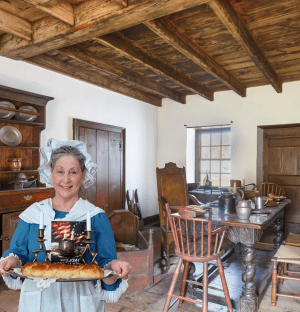
In special honor of 250 glorious years of American independence, a national jubilee of prayer, praise, and thanksgiving has been designated for this Shabbat, Friday, May 15, 2026.
“We celebrate the contributions that Jewish Americans have made to our way of life, we honor their role in shaping the story of our Nation, and we remember that religious devotion, learning, and service to others are enduring pillars of a thriving culture,” the president stated. “Through every trial and triumph, the contributions of Jewish Americans have shaped our past, have strengthened our communities, and will continue to inspire American greatness for generations to come.”
The timing feels especially meaningful. On May 15, 1776 — exactly 250 years ago — the movement toward American independence took a decisive turn. Following the Fifth Virginia Convention’s resolution instructing its delegates to propose independence, the colonies moved more deliberately toward severing ties with Great Britain, setting the stage for the Declaration of Independence. Even Patrick Henry resigned his military commission to join the political struggle for liberty.
Yet amid revolutionary fervor, America’s founders also turned toward spiritual reflection. Congress proclaimed May 17, 1776, a “day of Humiliation, Fasting and Prayer,” revealing something often forgotten today: the first national government of the United States believed that public prosperity depended upon the moral and religious vitality of the people. Congress called for nothing less than a “spirit of universal reformation among all ranks and degrees of our citizens,” believing that such devotion would “make us a holy, that so we may be a happy people.”
There is another striking parallel. May 15, 1776 corresponded to the 26th of Iyar, during the counting of the Omer — the sacred forty-nine-day journey from Passover to Shavuot. For Jewish colonials, this timing would not have been incidental. Iyar has long been associated with healing — “I am God your healer” — and the Omer marks the movement from liberation to covenant, from freedom gained to freedom disciplined and sustained.
In the spring of 1776, those sacred weeks unfolded alongside the colonies’ own decisive movement toward independence. Passover had begun only weeks after the British evacuation of Boston, while the Omer stretched across the very period in which the Continental Congress shifted from reconciliation to preparing a declaration of independence. Colonial Jews, many of whom strongly favored the Patriot cause, often interpreted contemporary events through the language and memory of Jewish history.
Just as Passover recalls liberation from Egypt and the Omer counts the journey toward Sinai and national covenant, many Jewish colonials would have recognized in America’s struggle echoes of an older story: a people seeking freedom not merely from oppression, but toward moral purpose and self-governance. The symbolism would have been especially powerful. During the Omer, Jews engage in daily reflection and self-discipline in preparation for receiving the law at Sinai.
For Patriots — Jewish and otherwise — liberty demanded sacrifice, virtue, and responsibility. Freedom was never understood as mere release from authority, but as the difficult work of building a people capable of governing themselves.

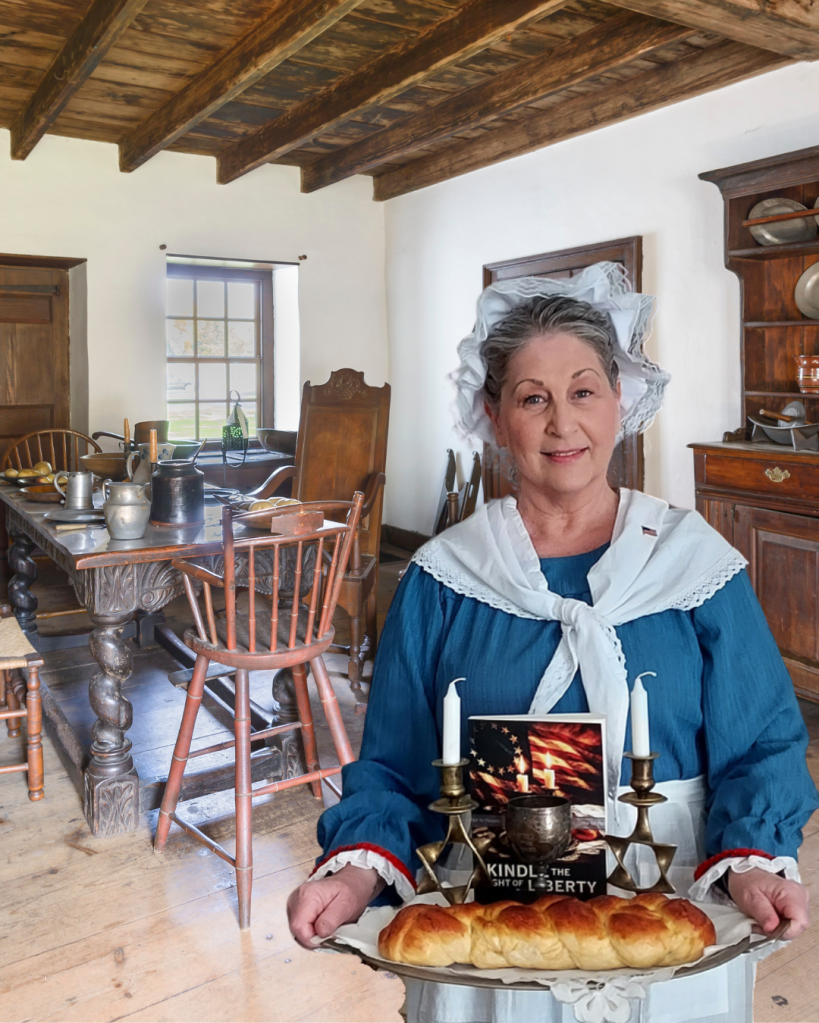
As I prepare for the release of Kindle the Light of Liberty, this moment feels particularly fitting. My novel explores not only the struggle for freedom, but the quieter truth that liberty is sustained by faith, memory, family, and the moral obligations we owe one another. Perhaps there is wisdom for all of us in Shabbat this weekend: to pause, gather with those we love, and remember that the light of liberty must continually be rekindled.
With love,