It has been a grand celebration! All year long, Janeites from around the world have been celebrating Jane Austen’s 250th birthday. Naturally, there have been events in Chawton, Hampshire where the author lived and wrote her novels. The city of Bath in Somerset, held a Yuletide Birthday Ball. A special church service was held in Steventon in Hampshire where Jane was born. The Jane Austen Society of North America (JASNA), with a membership exceeding 6,000, organized balls, brunches, and teas across the land. Beyond this, thousands more around the globe—from Argentina to Israel, Australia to the Czech Republic, and places far and wide—gathered to commemorate the occasion. 𝑾𝒉𝒂𝒕 𝒂 𝒕𝒐-𝒅𝒐!
Professor Michael Kramp of Lehigh University in Pennsylvania invited me to participate in his ongoing public humanities research project entitled, “Jane Austen and the Future of the Humanities.” I’m still blushing…what an honor! We spoke of my passion of incorporating Jewish protagonists into Austen’s storylines and even explored the cultural and historical roots of Argentina’s vibrant Austen fandom. I will share that interview once the episode is ready to be released and aired on his podcast.
Soon after, I was contacted by Juana Libedinsky, journalist and novelist extraordinaire! She was conducting research for her (now released) book, Queremos tanto a Jane. The scope of that work speaks to the longevity of Austen’s popularity. One of my titles, The Meyersons of Meryton, had led Juana to me. She soon discovered that I had also written a JAFF with connections to colonial (or Regency) Argentina. We talked quite a bit about my immigrant experience and how I connected Austen with the Viceroyalty of Rio de la Plata in Celestial Persuasion.
Between the three of us, we covered Buenos Aires, New York, London, Las Vegas, Nevada and Bethlehem PA.!
Throughout this year, I have had the pleasure of attending Regency teas and was the guest speaker at various book clubs.
In May, I attended the annual Jewish Book Council’s Network Conference where I presented, The Jews of Donwell Abbey: An Emma Vagary. We were each given two minutes to “pitch” our book. No pressure, right? In all honesty, it was a strange combination of anxiety and pride and fun!
The culmination of the year was two-fold. I attended JAFFCon 2025, where I met with other authors and readers of Jane’s fandom. Lively discussions and informative presentations were coupled with games, raffles, dancing, and the partaking of refreshments!
Lastly, I attended the Vegas PBS Annual Tea, where we celebrated Jane’s birthday and enjoyed a wonderful presentation by world renown historian, author, and curator, Lucy Worsley. I heartfelt ‘thank you’ to Cindy Jensen for the invitation!
Austen’s fandom is alive and well! I look forward to new experiences, new stories, and connecting with my fellow Janeites throughout the world!
What’s a nice, Jewish girl to do when the vast majority of the population is snuggling by a roaring fire with Hallmark movies and Dickens’ classics? Well, I’ll tell you. If that nice, Jewish girl happens to write Jane Austen Fan Fiction, she may share a little bit of history on the Jewish Festival of Lights. She may also share a snippet or two from her novels to illustrate the true meaning of the season.
I’ll stop writing in the third person now…
I realize that we’re still in the fall season here in the northern hemisphere, and there are other holidays to commemorate before we head into the darkest part of the year. However, I felt that this post was well-timed as the Jewish community has been experiencing “the darkest part of the year” since the horrific events of October 7, 2023. To date, we are still waiting for all of our hostages to be returned.
In just a few weeks’ time, we will begin preparing our latkes and sufgenyiot for our holiday meals. Dreidels and coins will decorate our tables too. The battles that were won, the significance of the dreidels and coins, the reasons why we eat fried foods—or, even dairy—are all well documented; you can read more about it here.
A Great Miracle Happened There!
Chanukah tells the tale of an impossible victory over the mighty Greek army in the 2nd century. This was a true, historical event—a terrestrial miracle that serves as reminder that Jerusalem and the Temple were lost and recovered due to the Maccabean revolt against tyranny and forced assimilation.
The second miracle of the holiday, however, is not so tangible. It is the story of how a small vial of sanctified oil was able to keep the Temple’s menorah lit for eight days and nights. The flames of the chanukkiah (the Chanukah menorah) speak to faith (emunah) and trust (bitachon). In celebrating this holiday, we are encouraged to emulate these characteristics, even when the world is enveloped in darkness—even when we are heartbroken and our spirits are brought low. As an author of Jane Austen Fan Fiction (J.A.F.F.), I wanted to highlight these themes, and show how I have attempted to underscore their importance in my J.A.F.F. or Jewish Austen Fan Fiction.
חג חנוכה שמח
The Hebrew greeting noted above is transliterated as Chag Chanukah Sameach, which means Happy Chanukah Holiday. No doubt, you have seen many different spellings of Chanukah, Hanukkah, even Januca—as it is written in Spanish. While many people call it a minor holiday—it’s not included in the Torah (the Five Books of Moses a.k.a. Pentateuch)—it has been commemorated by Jews for centuries… even in Jane Austen’s time.
On November 5, 1817, just prior to the holiday season in Regency England, tragedy struck. Princess Charlotte, the Prince Regent’s daughter, and heiress-presumptive to the throne, died after giving birth to a still-born son. The whole of the empire had been following this pregnancy; Charlotte was a favorite amongst the British people and her marriage to Prince Leopold of Saxe-Coburg-Gotha had been a love match. The public were besotted by their fairy-tale union and by what the couple’s future foretold; however, Charlotte’s death at the age of twenty-one threw a stunned nation into deep mourning.
The outpour of grief for the young woman and her child was said to be unprecedented. Mourning protocols were highly respected during this period of time. Needless to say, when the deceased was a member of the royal family, and a favorite at that, the public were united in their sorrow.
“It really was as though every household throughout Great Britain had lost a favourite child.” ~ Henry Brougham
The Royal Exchange, the Law Courts, merchants, tradesmen, and schools closed down. There was a shortage of black cloth, as everyone wished to show their respect by wearing mourning armbands. Jane Austen and her family would have participated in these rituals. Naturally, the Jewish community aligned themselves with their compatriots.
Per the Gregorian calendar, November 19, 1817 correlated to the Hebrew date of the 10th of Kislev, 5578. Prior to the tragic news, Jewish congregations throughout the land would have been planning for the upcoming Festival of Lights; Chanukah falls on the 25th of Kislev. However, all such preparations came to a halt upon receiving the sorrowful news.
On November 19th, a memorial service was organized for “prayer and psalms for the day of grief” in the Great Synagogue, St. James’s Place. Congregants were allowed to “pour out their complaint before the Lord, on the day of burial of H.R.H. the Princess Charlotte.”
Hyman Hurwitz, the head master of a “fashionable” Jewish school at Highgate, composed Mourn the Bright Rose: A Hebrew Dirge and it was chanted to the tune of a well-known composition, typically recited on the Ninth of Av—a tragic and solemn occasion on the Hebrew calendar.
Rabbi Tobias Goodman, known amongst his congregation as Reb Tuvya, spoke on “the universally regretted death of the most illustrious Princess Charlotte of Wales and Saxe-Coburg.” Rabbi Goodman quoted Ecclesiastes in saying, “A good name is better than precious ointment, and the day of death than the day of one’s birth. It is better to go to the house of mourning than to the house of feasting, for that is the end of all men; and the living will lay it to his heart.”
I don’t know what followed. Perhaps the rabbi repeated the time-honored phrase, “Od lo avda tikvatienu,” (our hope is not extinguished) capturing the essence of Chanukah. He might have referenced Joseph and his brothers in Egypt, by saying: “Praiseworthy is he who places his faith in God” and “Remember I was with you.” Whatever else was said that day, I can only imagine the congregation went home with words of consolation and hope.
Jane Austen said, “My characters shall have, after a little trouble, all that they desire.” That speaks to her genius, of course. As in any book, there needs to be an arc to the storyline. There needs to be growth. The heroine must face her fears and rise above the obstacles placed in her path.
Of all my books, I think The Meyersons of Meryton highlights the Chanukah message best. In this story, due to a variety of unforeseen circumstances, Mrs. Meyerson—the rabbi’s wife—and Mrs. Bennet find themselves much in one another’s company. Miss Catherine Bennet (Kitty, as we know her) has endeared herself to the rebbetzin and her young daughter, Rachel. In a rather poignant moment, Kitty makes an emotive declaration and both Mrs. Meyerson and Mrs. Bennet are moved—most profoundly.
The passage below is a snippet of the final chapter, where Mr. and Mrs. Bennet have an interesting exchange.
An Excerpt from The Meyersons of Meryton…
When the happy couples at length were seen off and the last of the party had departed Longbourn, Mr. and Mrs. Bennet were found in the dining room quite alone, sharing the last bit of port between them.
“What shall we do now, Mrs. Bennet, with three daughters married?”
Surprised at being asked her opinion, Mrs. Bennet gave the question some thought before replying. “I suppose we have earned a respite, husband. Let us see what Life has in store for us.”
“No rest for the weary, my dear, for soon Mary will leave us and then Kitty. We shall have to make arrangements for the inevitable. Perhaps you shall live with one of the girls when I am gone and Mr. Collins inherits the place.”
“Mr. Bennet,” she giggled, “you should have more bitachon.”
“I beg your pardon?”
Perhaps it was the port, or perhaps it was pure exhaustion, but Mrs. Bennet found she had no scruple in sharing the entire tale of Chanukah with her most astonished husband. “Pray Mr. Bennet,” she finally concluded, “what was the true miracle of this holiday?”
“The logical answer,” he replied dryly, “would point to the miracle of such a small group of men overcoming a fierce and mighty army.”
“No, that is not it.” She giggled, as a hiccup escaped her lips.
“Well then,” he sighed, “the esoteric answer would point to the miracle of the oil lasting eight nights.”
“No, Mr. Bennet. Again, you are incorrect.”
“Pray tell me, wife, what then was the miracle, for I can see that you may burst with anticipation for the sharing of it!”
“The miracle, sir, was that they had bitachon. I do hope I am pronouncing correctly. At any rate, it means trust. They knew they only had one vial of sacred oil and had no means to create more. They lit the candle and left the rest up to the Almighty. And that is exactly what we should do in our current circumstance.”
“My dear, it is a lovely tale and I am certain that it has inspired many generations before us and will inspire many generations after we are long gone, but it does not change the fact that Mr. Collins is to inherit Longbourn…”
“Longbourn is entailed to Mr. Collins if we do not produce a son.”
“Yes, and well you know that we have produced five daughters, although you are as handsome as any of them, Mrs. Bennet. A stranger might believe I am the father of six!” he said with sincere admiration.
“You flatter me, Mr. Bennet. I certainly have had my share of beauty, but I wish to say…”
“You were but a child when we wed,” he waved her silent, “not much more than Lydia’s age, if I recall. But, my dear, that is neither here or there, for in all this time a son has not been produced and there’s nary a thing to do for it!”
“Mr. Bennet, there is something I have been meaning to tell you. That is, if you could spare a moment of your time—or does your library call you away?”
His wife’s anxious smile made him feel quite the blackguard. Had he not made a promise in Brighton? Did he not vow he would change his ways? Mr. Bennet decided it was high time he put the good rabbi’s advice into practice. Bowing low, he replied, “Madam, I am your humble servant.”
Happier words had never been spoken.
No matter which holiday you celebrate this December, whether the lights of your chanukkiah or the lights of your Christmas tree shine brightly against the dark, wintery nights, I hope your home and your hearts are blessed with peace.
Today’s post is a little bit of this and a little bit of that. It’s not an Author’s Interview—not in so many words. It’s not about one of my books—not in so many words.
You see, I didn’t interview Juana Libedinsky; in fact, it was the other way around. And while I will share a little of our conversation, this post is about the world-wide cultural phenomenon that is Jane Austen’s fandom. But let me go back and start over…
Juana is a columnist for one of Argentina’s most popular daily newspapers, La Nación, and is a cultural correspondent in New York for Uruguay’s newspaper, El País. A graduate of the University of San Andrés, she completed master’s degrees in Sociology of Culture at the National University of San Martín and in Reporting and Cultural Criticism at New York University. In addition, Juana was a New York Observer Fellow at New York University and a Wolfson Press Fellow at the University of Cambridge. Juana’s work has been published periodically in Vanity Fair and Spain’s Condé Nast Traveler. If that weren’t enough, Juana is the author of English Breakfast and Cuesta abajo—a first-person testimony about the dramatic skiing accident suffered by the author’s husband.
Before all the above was accomplished, Juana, of course, was a child much like any other. Born and raised in Argentina, her parents enjoyed attending flea markets and collected interesting objects to fill their home. I learned from Juana that, come hail or high water, the family would search through “the ugly, the kitsch, and the banal” like impassioned archeologists searching for buried treasure—much to Juana’s displeasure.
What did Juana prefer to do? She preferred reading. She discovered Jane Austen early on thanks to a distant relative, a relative with British ancestry. Partaking tea and scones whilst enjoying Austen apparently was a thing in the town of Acassuso, a locality of San Isidro. There, Juana fell in love with Austen’s happily-ever-after stories.
Unfortunately, these early reading experiences were based on poor translations that distorted the author’s original intent. Austen’s humor—that infamous irony—was all but removed by sentimental, decorous, dialogue. It wasn’t until much later, that Juana discovered the power of Austen’s genius— thanks to updated translations that were finally made available. Here Juana discovered the truth: underneath the romance, the author was a keen observer of society. Austen’s novels were actually witty commentary on class issues, gender issues, and a hypocritical society. Austen wasn’t simply an author of classics, but “a modern, ironic, political writer who was deeply observant of her social environment.”
Jane Austen Society of North América
Wanting to join in the celebration of Jane Austen’s 250th birthday, Juana—along with being a wife and mother and journalist—came up with an idea for a new book. This “little book,” as she calls it, was not meant to convince anyone to love Jane or celebrate her work. Juana simply wanted to share a chronicle of adventures she undertook while experiencing Austen’s world-wide fandom.
Living in New York, Juana was fortunate enough to participate in the Jane Austen Society of North America’s various celebrations. But, it didn’t stop there! She traveled across the pond and visited London, Winchester, Bath and Chawton, attending balls, routs, and soirées in Regency attire.
“Nos llaman los Janeites. El término, utilizado ya desde el siglo XIX, designa a quienes sentimos una conexión emocional intensa con las novelas, los personajes y el universo moral de Austen. Carga con un matiz de burla –por los excesos que puede implicar esa devoción–, pero también con un fuerte componente de orgullo por la pertenencia.”
Credit: La Nacion
This is when Juana contacted me…when she was in England…out of the blue…to my Total. And. Complete. Shock.
Imagine it! I receive an email from this renown journalist—from La Nacion—asking if I would be interested in being interviewed for her new book.
She told me that she had read, The Meyersons of Meryton, and was excited to find that we had so many things in common.
We spoke of our love of Austen, of our ties to Argentina, and how we both experienced frustration as young readers with regards to fiction and Judaism. I laughed when I heard the trials she had experienced with her name. The “J” and “H” are quintessential problems for Spanish/English speakers. “Juana” was pronounced Kuana or Guana or Huana—it reminded me of my own experiences as Mirna, Mirda or worse yet, Merda. Ugh!
In any event, we shared emails, WhatsApp messages, and Messenger texts as Juana continued to travel. We finally set a date for the interview where I had the honor of participating in a dialogue that ended up in Juana’s book.
But she wasn’t done yet.
After traveling through England, Jane Austen Argentina was the next stop! She happily returned to Buenos Aires to partake in Austenesque activities and, of course, took the opportunity to visit her parents. They even had time to return to the flea markets in San Telmo, where she found old copies of those “imperfect” Austen translations. Juana shared that she no longer resented those works—or the time spent seeking buried treasure—because these experiences lead her to Jane in the first place. I love how she states the sentiment: “I suppose that, like Elizabeth, Emma, Anne, Catherine, Fanny, Marianne, I grew up.”
“Con picardía y erudición en el tema, Juana Libedinsky ha escrito un libro festivo, que celebra la creatividad y fineza de una autora que ha resistido la destemplada prueba del tiempo y es una voz imprescindible del canon de la literatura occidental.”
Juana’s book, Queremos tanto a Jane, was recently published. It is available in Spanish, which speaks to Austen’s popularity throughout Latin America. In the passage below, I share a translated version of our interaction (thanks to AI).
Translated excerpt from “Queremos tanto a Jane,” by Juana Libedinsky
In fact, back in Winchester, during an impromptu chat with other enthusiasts at the café across from the cathedral, I discovered an author I hadn’t heard of before: Mirta Ines Trupp. I immediately felt that her books needed to reach my Argentine friends. Her story would turn out to be as astonishing as Amy’s and her Mr. Darcy, the bookseller on Corrientes Street.
Trupp’s book, The Meyersons of Meryton, was first recommended to me. Written in 2020, it featured Jewish characters: As far as we know, Jane Austen never met any Jews, although Jewry Street—which commemorates the Jewish moneylenders and merchants who lived there before their expulsion from England in 1290—runs through Winchester, where Austen went to receive medical treatment for a then-unknown illness, possibly autoimmune, and where she died at age 41.
But that detail, Mirta told me, was secondary. I had been put in touch with her by the prestigiousJewish Book Council in the United States, an organization with which she collaborates. Mirta told me that, when she was a girl, all the stories with Jewish characters were like The Diary of Anne Frank, Fiddler on the Roof, or The Merchant of Venice. Spoiler: they didn’t end well, and she would have given anything to read one where a Jewish girl could see herself represented—without death or sacrifice.
Moreover, there are no traces of antisemitism in Jane Austen’s novels, something rare for her time. According to theologian Shalom Goldman, although the phrase “rich as a Jew” appears in Northanger Abbey, it’s not spoken by Austen herself—it comes from John Thorpe, a thoroughly unpleasant character, suggesting that Austen used the phrase to expose his pomposity and prejudice, not to normalize it.
“Jane Austen was the daughter of a clergyman; I don’t doubt her capacity to love and to recognize and value the humanity in everyone. I have faith that her most beloved characters would have been able to move beyond prejudice. In a sense, that’s what one of her greatest novels portrays,” Mirta explained to me over the phone from Las Vegas, where she lives.
Trupp’s first J.A.F.F. book introduces the Meyersons into the world of Pride and Prejudice. But it’s in her second, Celestial Persuasion, that the real surprise appears: she moves Austen’s characters to the Río de la Plata. Captain Wentworth from Persuasion crosses paths with San Martín, Alvear, and Mariquita Sánchez de Thompson, as well as with young English Jews who arrive, full of hope, drawn by the ideals of independence in a land free from inquisitions and persecution.
Of course, all of that serves as a backdrop for a grand love story.
Mirta was born in Buenos Aires, but when she was very young her family moved to Houston and, later, to Los Angeles. “My dad started working with Pan Am. That allowed us to travel to Argentina frequently—sometimes, for several months at a time; my life was always with one foot on each side,” she says.
In high school, she read Pride and Prejudice as part of the curriculum—and lost her mind. “The classic story: I fell in love with English history, with the fashion of the era, and above all, with Mr. Darcy. I could never think of anyone else again,” she laughs.
Although—she did. She met her “Mr. Darcy from Almagro,” as she naturally calls him, during one of her trips to visit family. They married in California, had three children, and later moved to Las Vegas. But it wasn’t until the kids left for college—and the empty nest syndrome hit—that Mirta began writing her Austen adaptations.
“I had already done something autobiographical about my ancestors who came from Russia to the Jewish colonies in Entre Ríos and La Pampa; then I wrote a couple of fiction books about that. It was something I enjoyed researching, and I did it for fun, but I got so many comments, so many requests to continue, that I began to investigate what might have happened to Jews who arrived even earlier—and that became the theme of a new novel.”
The spark was the 1813 painting entitled, The National Anthem in the Home of Mariquita Sánchez de Thompson—the scene of the anthem’s first performance—an oil by Pedro Subercaseaux that hangs in the National Historical Museum. When Mirta saw it, she had an epiphany. The women, in their empire-waist dresses, could have stepped straight out of a Jane Austen novel. And though the painting doesn’t identify everyone depicted, it’s believed that one of the military men represents Martín Jacobo Thompson, Mariquita’s husband and Argentina’s first naval prefect, who trained in the British navy and maintained ties with English sailors all his life.
For Mirta, the conclusion was immediate: “He could easily have been friends with Captain Wentworth! And through him, could have met Mariquita, San Martín, Alvear… All of them were highly educated and could have crossed paths with English Jews of certain standing and education in England who, through the navy, also came to know the southern part of the Americas.”
In Persuasion, Captain Frederick Wentworth proposes to Anne Elliot when they are young, but she rejects him under family pressure—he had no fortune or position. Hurt, he goes to sea. Austen’s novel mentions some ships and destinations, but she never specifies a route or offers detailed geography. What matters is that Wentworth returns triumphant and wealthy enough to marry her, completely reversing his initial situation.
For Mirta, this means he could have been in the Río de la Plata—and that when he returned to England, his heart wasn’t entirely closed to a second chance with Anne thanks to the “persuasion” of the good friends he had made there.
The book is utterly charming, and today—to her surprise—Mirta has become a recognized figure in the world of Jane Austen retellings. Scholars consult her for research; she participates in conferences, book fairs, and podcasts commemorating the 250th anniversary of Austen’s birth.
She admits that jumping between Las Vegas, Regency England, and the Viceroyalty of the Río de la Plata isn’t easy—but she has the time now. “I retired last year from my job within the local government. My husband and I don’t go to casinos, and we’ve already seen Céline Dion and The Phantom of the Opera too many times, so now I can dedicate myself to this.”
What she loves most, she says, is when she’s invited to Jewish book fairs. “I go dressed as a Regency character, bring extra costumes, and people—the ones you least expect—get interested and sometimes even dress up too. Around me, there are brilliant books about the Inquisition, the pogroms, the Holocaust, the current surge in antisemitism. Clearly, I’m not Tolstoy. But there’s always a line at my booth. And if what I do serves, even just a little, to lift people’s spirits, I think Jane Austen would have approved.”
I am thrilled to have participated in Juana’s inspired project. To say that it was an honor to have been included along with other renown authors, professors, and academics doesn’t suffice. There is something very special about sharing this interest—this love—with other Janeites. I’m certain that Juana’s experience with Austen’s fandom was just the beginning of many more brilliant opportunities to gather, to discuss, and to debate the genius of Austen.
Juana—Juanita—I hope you’ll call me before you go on your next world-wide tour, because—to paraphrase your own words—I don’t want to take off my empire dress anymore!
Here’s to more celebrations and more engaging conversations!
Months ago—after having the honor and the delight of being interviewed by author and journalist for the Argentine newspaper La Nación, Juana Libedinsky—I began planning today’s blog. Our discussion was not about Columbus Day or the Anusim (crypto or converso Jews) but rather about Jane Austen—naturally.
photo credit: Chris Beliera
However, Juana posed a question that stirred my curiosity to previously unexplored heights. I wanted to write about my discoveries here today. Needless to say, no one could have predicted that we’d be on the verge of seeing our beloved meshpucha home once more.
The hostages are said to be released within the next several hours.
Uploading a blog post today of all days seemed a bit…indifferent and self-serving. But, upon further thought and introspection, I found some interesting connections between today’s news headlines. At least, it was interesting to me—I hope you’ll let me know your thoughts in the comments section below.
The Hebrew word “anusim” (אֲנוּסִים), is derived from the root א-נ-ס (Aleph-Nun-Samekh). The etymology of the word meaning crypto or converso Jew, suggests the concept of being forced or coerced. The Hebrew word “asurim” (אסורים), refers to one who is physically restrained, held captive or hostage.
The Asurim we have long prayed for, and are anxiously awaiting, are a living reminder of “coerced vulnerability, of innocence bound.” If we reflect on the descendants of the Anusim (those forcibly converted in Spain, Portugal, etc.), it is hard not to see the correlation between the trauma of stolen individuality and the loss of the sacred, of innocence, and of peace of mind.
According to our tradition, we—as a community, as a family—bear the duty to remember, redeem, and restore. Freedom—whether of the body or soul—is an act of redemption. I learned this today while contemplating whether or not I should upload this post—a post about Christopher Columbus, about the Spanish Inquisition, about members of Klal Israel who were lost to us because they were coerced and held spiritually captive.
When I was a child, October 12th was celebrated as Columbus Day. Today—well, not so much. The day is now acknowledged as Día de la Raza (Day of the Race) or Día de la Hispanidad (Day of Hispanicity). Some communities prefer to acknowledge the day with celebrations of Indigenous Peoples’ Day or even Discoverers’ Day. In other words, we have gone from a Day of Observance, where President Franklin Delano Roosevelt invited “the people of the United States to observe Columbus Day, in schools and churches, or other suitable places, with appropriate ceremonies that express the public sentiment befitting the anniversary of the discovery of America” to outright disregard, disdain, and disrespect.
Christopher Columbus—Cristoforo Colombo or Cristóbal Colón— was the son of Domingo Colón y Susana Fontanarossa. There has been an ongoing debate about the family being cryptic or converso Jews. There hasn’t been any concrete evidence to prove that point, but it is interesting to note that Columbus had close ties with Sephardic Jews, and conversos, and his famous voyage in August 1492 coincided with the Jewish community’s final expulsion from Spain.
Coincidence? You tell me. And also ponder this interesting tidbit: Columbus used Hebraic or Kabbalistic notations on his documents and diaries. Why?
There are thirteen surviving personal letters written by Columbus to his son Diego. With dates ranging from November 1504 to February 1505, twelve of these letters display the Hebrew letters ב״ה, which are understood to be shorthand for Baruch Hashem (Blessed be He or With God’s help). And when he was and his crew were stranded in Jamaica among the Taíno peoples, Columbus used his knowledge of Jewish astronomy in order to save the day.
Columbus and his crew were running short of supplies. Relations with the Taíno were…stressed. By consulting the Ephemerides of Abraham Zacuto, a renowned Jewish astronomer, Columbus noted that a lunar eclipse was due on February 29, 1504. In order to secure food and shelter, Columbus told the Taíno that his God was angry at their refusal to help, and that His wrath would be made known with the disappearance of the Moon. As this “magical” phenomenon began to unfold, the Taíno, naturally, were terrified. Columbus “promised” to intercede with his God on their behalf; and, when the Moon reappeared, the matter was quickly resolved to everyone’s satisfaction. Yes, Columbus manipulated an indigenous people to his own benefit. My point, however, is this event showed yet another connection to Judaic practice and knowledge.
Why would Columbus have known the works of a Spanish Jew?
Juana Libedinsky was in the midst of writing her upcoming book, Queremos tanto a Jane (scheduled to be published in November 2025) when she called me to talk about my fascination with Jane Austen. To say that I am honored to have a small part in her latest project would be an understatement! We discussed my novel, Celestial Persuasion, that takes place in the Viceroyalty of Río de la Plata—otherwise known as Argentina—and how I incorporated a Jewish storyline into Jane Austen Fan Fiction. Juana touched upon one of my recurring pet peeves: Why don’t we ever read about Jews in historical fiction outside of the Inquisition or the Holocaust? Why are Jewish fictional characters always portrayed in a demeaning light, money lenders and rag peddlers? Naturally, the question about Jews in Argentina was posed.
Juana asked if I could substantiate my suggestion that Jewish people have been in that country since the famous voyage of 1492. At the moment, unfortunately, I could only rely on conjecture based on family anécdotas—anecdotes—and Argentine history. I promised Juana that I’d look further into the matter. When I wrote Celestial Persuasion, I completed hours and hours of research on the internet. But, now, I had another resource: ChatGPT. In truth, I am not a fan of AI—much like the Taíno, this “magic” terrifies me. That being said, I couldn’t resist trying to find out more on the subject of early Jewish immigration to the New World.
This is only the tip of the iceberg:
Conversos, Hidden-Jews, New Christians, or Those with Unknown Heritage:
Juan Cardoso Pardo
Born in Lisbon, possibly one of the first conversos to arrive in the Río de la Plata
On April 16, 1614, the (Roman Catholic) Buenos Aires City Council imprisoned the 22-year-old teacher. He was accused of not teaching the Apostles’ Creed and not praying with his students
Diego Núñez
Born in Córdoba del Tucumán, Diego was the son of a Portuguese converso. Like his father, Diego was a physician; unlike his father, Diego was suspected of being unfaithful to Catholicism.
While in prison, Diego circumcised himself, and urged others accused of Judaizing to maintain their faith at all costs
Subjected to torture and starvation for twelve years, he later was burned at the stake in 1639
Diego de León Pinelo
Born in Córdoba del Tucumán in 1608. His father, Diego López de Lisboa y León, and mother, Catalina de Esperanza Pinelo, were conversos who fled the Inquisition
The family was often under suspicion and harassed by colonial authorities; however Diego went on to be Argentina’s first literary figure
Ensign Juan Rodríguez Estela
A wealthy Portuguese rancher, he married a daughter from a family of conquistadors.
He was suspected of Judaizing and sent to prison, where he was tortured to confess, and later burned at the stake
Manuel de Lucena
Lived in Buenos Aires in the mid-to-late 1600s
Accused of practicing Judaism by the Inquisition of Lima
Secretly observing Shabbat, avoiding pork, and Catholic rites
The outcome of his trial is unclear in surviving records, but his arrest is well documented, one of the few documented instances of a converso persecuted in Buenos Aires
Domingo Faustino Sarmiento (President of Argentina from 1868 to 1874)
Born in San Juan, Argentina, 1811 to Paula Zoila Albarracín y Irrázabal, a descendant from the Acosta family.
Sarmiento’s maternal grandmother, María Jesús de Irrázabal y Acosta, was the daughter of Miguel de Acosta.
Miguel descended from Gaspar de Acosta, a Portuguese settler in colonial Chile/Argentina.
Through the Acosta line, Sarmiento also descends from the Antúnez and Gómez/González families. These families are documented in early colonial Chile and Cuyo (today western Argentina), where many Portuguese conversos settled during the 17th century
This is supported by Inquisition trial records in Lima and Cartagena and archival documents showing New Christian status in colonial Chile and Argentina.
Juan Manuel de Rosas aka Juan Manuel José Domingo Ortiz de Rosas y López de Osornio (Nicknamed “Restorer of the Laws”, was an Argentine politician and army officer who ruled Buenos Aires Province and briefly the Argentine Confederation)
Born in Buenos Aires 1793 to Agustina López de Osornio, who was connected to the Machado family
María Antonia de la Trinidad de Azcuénaga y Basavilbaso (the daughter of María Rosa de Basavilbaso y Urtubia, daughter of Domingo de Basavilbaso) and/or María López de Osornio are the descendants of Ana de Machado, a 17th-century member of the Portuguese Machado family in Buenos Aires
Carlos María de Alvear (A soldier and statesman, Supreme Director of the United Provinces of the Río de la Plata in 1815)
Born in Santo Ángel, Misiones Orientales (now Brazil) in 1789 to María Balbina de Sáenz de la Quintanilla y de la Cámara. She was from a noble Spanish family, but her ancestry includes names such as Fonseca and Cámara. Both were associated with Portuguese conversos
His father, Diego de Alvear y Ponce de León was born in Montilla, Córdoba, Spain, of Andalusian and Portuguese origin.
The Portuguese surname “Alvear” is documented among New Christian families in Porto, Lisbon, and Seville. The Alvear family in Iberia included notaries, merchants, and soldiers, professions frequently held by New Christians.
Members in the Alvear lineage appear in Portuguese and Spanish Inquisition records accused of Judaizing.
José Hernández (One of Argentina’s most important literary and political figures of the 19th century, best known for his epic poem, Martín Fierro)
Born in San Martín, Buenos Aires in 1834 to Isabel Pueyrredón whose ancestry includes: the Sosa, Rojas, and Alcaraz families.
The surname Sosa is of Portuguese origin, and appears frequently in Inquisition records in Brazil and Peru. Several New Christian families named Sosa fled from Portugal to Brazil and the Río de la Plata in the 16th–17th centuries.
The Sosa family of Corrientes and Santa Fe, were active in trade and law in the 17th century, had crypto-Jewish connections
Mariquita Sanchez de Thompson aka María Josefa Petrona de Todos los Santos Sánchez de Velasco y Trillo ( A founding mother and patriot)
Born in 1786 to Petrona Trillo y Cárdenas, a descendant from the Trillo, Cárdenas, and del Valle families.
The Trillo surname appears in Portuguese Jewish naming patterns in Seville and Lisbon in the 16th century
There are Inquisition records from Peru and Brazil in which individuals named Trillo were tried for Judaizing
In Buenos Aires, Trillo family members were involved in trade, a common profession of New Christians
Father, Don Tomás Antonio Sánchez de Velasco y Pérez, belonged to the Sánchez de Velasco family—an established Castilian-Creole family in Buenos Aires
The del Valle surname is found in Inquisition records across the Iberian world.
Juan del Valle and other family members were tried in Cartagena and Lima for Judaizing
Families named del Valle were sometimes of Sephardic origin, and migrated to the Americas under false Christian identities
The Cárdenas, Trillo, and possibly Velasco lines include individuals involved in colonial trade, which was disproportionately managed by (Portuguese) New Christians
The last Jews left Spain on the 9th of Av or August 2, 1492. A member of a wealthy converso family, Luis de Santángel, loaned most of the money for Columbus’ voyage. Many speculate that it was Santángel’s “desire to help his persecuted brothers.” On his second voyage to the New World, Columbus set sail with 17 ships and approximately 1200 men. The expedition was paid entirely by the gold, and other valuables, confiscated by Spain from the expelled Jews. This also coincides with log entry written by Columbus which stated: “The object was to secure the property of the secret Jews for the state treasury … [and to] confiscate the property of those who openly professed to be Jews.”
Whatever else can be said about Christopher Columbus, I can’t help but think of the multitude of people who were saved from the Auto-da-Fé (a ritualized, public penance carried out by “relaxing’ or burning the Judaizer as a form of spiritual release or purification) because of his voyages. What does this have to do with Jane Austen Fan Fiction? Nothing—and everything. Everything because fan fiction is a medium that allows an author to incorporate his or her own culture, religion, and traditions into Austen’s beloved classics. Fan fiction allowed me to imagine a Jewish young woman journeying from England to the fledgling nation of Argentina—a country that would abolish the Inquisition laws from its constitution on March 23, 1813.
The Anusim, whether tradesmen, laborers, teachers, soldiers, entrepreneurs or statesmen, were born into Jewish families. Somewhere along the line, they were forced to convert, to flee and abandon their homes, their livelihoods, their faith and culture. Their descendants, for the most part, were lost to the people Israel. Kabbalistic and Hasidic sages viewed these conversions as a metaphor for exile. Their physical beings were coerced by outside forces, and they were trapped in a cultural assimilation. Their souls, too, were held captive by circumstance, and these souls yearned to return, for Teshuva.
According to an article on Chabad.org, it doesn’t matter if a Jew converts or if a Jew lives a secular lifestyle or if, God forbid, a Jew is held captive and is unable to fulfill the rites and responsibilities of his or her faith. That Jew remains “intimately bonded with the God of Abraham.” God “awaits the moment this precious soul will return.” Just as we await, with bated breath, for the release of the hostages; the Asurim, who have too long been boundin exile. May their physical, emotional, and spiritual souls find healing and Ge’ullah—redemption.
Today, when we witness the hostages restored to their families, we will recite:
A Funny Thing Happened on the Way to a “Run 4 Their Lives” Hostage Awareness Walk. For those of you in this audience who are today-years-old, my opening statement alludes to an old vaudeville line—and a 1962 musical that is filled with humorous situations and mistaken identities. But I digress…
I wish with all my heart that I could have met today’s guest author under different circumstances; but, until our meshpucha (our family) are released from captivity, we will walk in our neighborhoods—across the country and around the world—to raise awareness that the hostages Are. Still. There.
On one such walk, after having walked together week after week, Lauren and I discovered that we both write historical fiction. Up until that moment, we saw each other as concerned Jews; two middle-aged women outraged at the lack of basic, human rights for innocent people held hostage for two years as of today.
Lauren Tallman, author
Needless to say, we were very excited to learn we had other—more pleasant—things in common. And before any of you “couch referees” or “armchair critics” judge my choice of adjective or lack of vocabulary, excited is absolutely apropos! As you will soon learn, Lauren is much accustomed, shall we say, to that particular sentiment.
According to her website, Lauren Tallman “is a fearless voice in modern erotica and candid conversation.” Yes, you read that correctly. Lauren, also known as Lady Tallman or Lady of Glencoe, founded the Erotic Writers Group of Las Vegas in 2014. She has been a member—and is the current vice president—of the Henderson Writers Group (HWG) since 2009, where her stories have been accepted into six HWG anthologies.
In addition, my lady, Lauren is a columnist for the Vegas Voice where she writes about Health & Wellness and informs us that, “Seniors Still Do It.”
After doing a little research of Lauren’s online presence, I learned my new friend was born in Lithuania. Her arrival to Nevada was quite the trajectory, as stated here: “Her journey spans six cities across four countries, with thirty unforgettable years spent in Israel before making Las Vegas her home in 2006. Her diverse life experiences fuel her writing — bold, raw, and unapologetically honest.”
Lauren’s books, How To Have An Affair And Not Get Caught, Harem of the Dragon, Taste the Kiss Feel the Fire, Anthology X, and Come Again? have received world-wide recognition.
Talk about spicy!
“How did you come to write these provocative narratives,” I asked.
Lauren didn’t miss a beat.
“Because I’m good at it,” she replied.
I wasn’t altogether sure if she meant if she was good at writing or, you know… Very well, I’ll say it: sex.
Naturally, I shared my—um—passion for Jane Austen Fan Fiction with Lauren. And, after giving it a bit of thought, she and I are not so far apart in our writing style. We both are fulfillers of fantasy, we both are devisers of dreams. Certainly Austen cannot be considered a purveyor of erotica, but her writings did contain sexual undertones and innuendo. Think of Northanger Abbey and Mansfield Park.
In this JSTOR post by Beth Lau, Catherine Moreland is shown to “be an astute sexual and social strategizer who ends up marrying the most eligible man in the novel.” And in this essay, author Avrom Fleishman urges caution in “simply assuming that Jane Austen came under Evangelical influence…in order to explain a presumed moralizing tone in the novel.”
“Sexuality is not a topic which springs immediately to mind on considering Jane Austen’s novel, “Mansfield Park,” but, in fact, much of the energy of the novel derives from the powerful machinations of sexual politics and much of the novel’s interest comes from the usually suppressed—though all the more fervid for that—love of Fanny for Edmund.” ~
Giulia Giuffre, “Sex, Self and Society in Mansfield Park”
No, Austen’s contemporaries were certainly not puritanical. Courtesans were prominent in London society. Sexual relationships were often discussed openly, and literature and art were often a celebration of sensuality. If we had a ha’penny every time we read about a couple “anticipating their vows”, we Regency fans would be set for life!
In fact, when comparing the Georgians, Victorians, and Edwardian eras, the Georgians (the era, not the country!) “were considered less prudish about sexual relations compared to the Victorians, who were often seen as more repressive due to strict moral codes. The Edwardians, while still influenced by Victorian values, began to show more openness towards sexuality and social norms.”
I have whet your appetite, I do believe, and expect that you are hungry for more. Do try to curb your frustration. Restrain your lust for the upcoming salacious dialogue because, without further ado, I’ll get on with the interview!
Host: You are very welcome, Lauren. Please tell us about your work.
Guest: As a writer of erotica, I say my genre is “historical fiction with sensual undertones.” It very well tells what I write: erotica. Several books were published after Harem of The Dragon. After many requests, the sequel is now in the works.
Host: That’s fascinating — “historical fiction with sensual undertones” really captures how you weave emotion and history together. Humanity’s struggles are naturally a combination of frenzied passions, often seen through a cultural or spiritual lens. With that in mind, what are your thoughts on Jewish Historical Fiction? Why is it an important, stand-alone, genre?
Guest: It’s imperative! Fiction always has a seed of truth, based on things we heard at family dinners or read in history class. Those seeds make the story line. Making the stories fiction allows us to read fascinating tales while unwittingly absorbing facts about our people. It’s difficult to read our history. It’s clever to blend it into fiction while still getting truths and facts across.
Host: That’s a wonderful point — by weaving truth into fiction, readers can connect emotionally to history they might otherwise find too painful or heavy to face directly. It’s such an effective way to preserve culture and pass on knowledge through story. Here in the United States, our exposure to Jewish narratives often centers on two main threads — the Holocaust and Fiddler on the Roof-type themes of shtetl life. But as you suggest, there’s so much more to explore, from different eras, places, and diverse perspectives. Could you share some titles of your favorite non-Holocaust Jewish fiction — stories that reveal other sides of Jewish experience and identity?
Guest: My Name Is Asher Lev by Chaim Potok – a Hasidic boy with artistic inclinations which almost destroys his family and life. A little heavy but very well done.
I felt I was hearing Flavius Josephus when I read The Wars of The Jews. I was there with him. I could see the battles and survival.
Exodus by Leon Uris – I literally took the book to the library (that’s how long ago I read it) and read what I could about the creation of Israel. I looked up the facts such as the name of the real Exodus captain and found where Moshe Dayan was jailed (as used in the book). Ben Gurion was quoted: “…as a piece of propaganda, it’s the greatest thing ever written about Israel.”
The Source by James Michener is a must— I read it while living in Israel. When I realized it was about Megiddo, I drove out there. I searched every inch of the tell. The story was etched in my brain. I studied the tunnel and saw how the rock had been chipped by hand to make way to the source/water, the bringer of life. Trust me, I just stood there and understood the need to live, to survive, for themselves and thousands of years later, for me.
Host: Those are such powerful selections, Lauren, each one not only captures a pivotal moment in Jewish history but also brings it to life through deeply personal storytelling. I love how you described standing at Megiddo after reading The Source — that image of tracing history with your own footsteps is incredibly moving. I appreciate authors who weave accurate history throughout the storyline. While completing research for your novels, did anything particularly affect or move you? Were there any discoveries or moments that truly took you by surprise?
Guest: In Harem, I had 125 pages of research, indicating what they ate, where they slept, their customs, and so much about the difference between Emperor and commoner. No matter what you write, you can’t help but be moved when reading history. How could you know that gold/yellow could only be worn by the Emperor during the Ming Dynasty, and anyone daring to wear it was executed. How could you know that the Star of David worn by Holocaust victims was yellow indicating the color of urine. Without a word, the star was made to be a symbol of the lowest of low. What comes as a surprise? The agility, the rage, and the ability of people to rise up, to become greater than before, yet not as great as they would be in the future.
Host: Lauren, that’s a powerful observation. The resilience of people to rise, transform, and keep striving for something greater is truly timeless. It’s that same human spirit that often defines the heart of historical fiction, even when the setting or circumstances change. As you know, Regency Romance is a favorite genre of mine; however, Jane Austen did not consider herself to be a romance author and she was not labeled as a “Regency” novelist during her time. That being said, Austen’s narratives did impart a sense of physical attraction, of longing. We “Janeites” are familiar with the social taboos of sexual conduct and the corresponding gossip that usually follows. Talk to us about the taboos of today—in a society where apparently “everything goes.”
Guest: It doesn’t go. America is straight-laced compared to most countries. As a writer of erotica, I see people show their disdain for written sensuality. They feel ashamed or, worse, embarrassed about desire. There are affairs – I know, I wrote the book, How to Have an Affair and Not Get Caught. In public, people walked past me at a book signing. But they bought the book online or through my website (laurentallman.com). They don’t talk the talk, but they certainly walk the walk. In short, ‘everything goes’ may happen behind closed doors but speaking to the average Joe about passion doesn’t fly. Taboo means ‘something that is not acceptable’. Passion, want, need, and pure desire have been labeled taboo. How sad.
Host: That’s an insightful statement, because those “unacceptable” feelings have driven some of the greatest stories ever told. Authors lend authenticity to their narratives by not shying away from natural emotions or diverse, complicated scenarios. Which leads me to my next question regarding walking the same ground, so to speak, as your characters. Have you visited any of the locations you’ve written about?
Guest: I try to. I write a monthly column in The Vegas Voice, regarding senior relationships. When I wrote about the hot springs in Cali, I spent the night there. Making love under the stars? I stayed out under the stars, to see if it was doable. (It is doable.) Actually, being at a location gives me far more information than just calling on the phone or looking up a place on the net. And people love to talk and share information that you would never have known otherwise.
Host: Lauren, you are an adventurer! How long have you been writing? When did you first consider yourself an author?
Guest: Oh, forever! Even as a child I could tell a good story. Not that I knew anything about the art but the stories weaved in the senses: rain dripping from tree leaves and hurling to the ground, ivory clouds, the sound of skates on ice. My first book, The Erotic Tales of Renni (not published, long story) was written 35 years ago. When I first published the affair book, I realized I was a true author. Since then I’ve written short stories, my forte, as well as books. At first it was difficult to say “I am an author.” Someone told me, “You worked hard on your book. You researched, edited, and marketed it. You deserve the title author.” They were right.
Host: I wholeheartedly agree! Of late, the term “Historical Romance” seems to equate with a narrative containing sexual language or scenes ranging from “clean reads” to soft porn to something rated XXX. While some readers prefer “drawing room romance” to “bedroom romance” —where adult activities are carried out behind closed doors—there is a massive audience that wants the spice level turned up all the way. In your experience; and, speaking in general terms, how does an American audience differ to that of an Israeli audience?
Guest: Day and night. In Israel I can speak about Harem, which has ‘edgy’ erotica, or any of my many short stories, without missing a beat. They commend me for writing an interesting, and truly sensual, story. Here, I had to change the wording on Harem’s cover, from erotic to sensual. Israelis listened, sipped their coffee, and asked questions!
Americans would first say, “I don’t read porn.” And I’d answer, “Neither do I.” They’d stare are me. I often explain, “Erotica is a whisper. It is sensual. It is tender. It can be edgy because sensuality comes in different levels.”
By the way, my books don’t have one “dirty” word in them. A nice Jewish girl from Brooklyn doesn’t say those things. So I turned to erotica which shows you sensuality rather than tells you. I wouldn’t write, “He grabbed her (fill in the blank).” Rather, I write, “Her skin felt like silk under his fingers.”
Host: I love that you make it your own and have no need to apologize or explain your style.
“I could not sit seriously down to write a serious Romance under any other motive than to save my life, and if it were indispensable for me to keep it up and never relax into laughing at myself or other people, I am sure I should be hung before I had finished the first chapter. No – I must keep my own style and go on in my own way; and though I may never succeed again in that, I am convinced that I should totally fail in any other.” ~ Jane Austen
Host: Lauren, thank you for participating on another fascinating, Author’s Interview! Before we end our chat, is there anything else you’d like to add?
Guest: Yes, thank you. My books can be found on my site laurentallman.com. My podcasts and columns are on The Vegas Voice site (thevegasvoice.net). Id like to share the last paragraph in Harem:
I jumped out and walked alone until I reached the edge of the mighty wall.
I breathed in the brisk air. My nostrils flared and my chest burned as a fire waited to burst forth.
The waves crashed but dared not splash onto me.
The wind swirled but did not have the courage to dry my eyes.
I raised my arms, clenched my fist, and shouted out to the ebb and flow of the water.
“I am Long, Chief Eunuch of the Emperor’s Harem. Hear me waters. Hear me wind. Scream my name to the sky and say, I am the dragon.”
Thanks, again, Lauren! And thank you, reading audience! I hope you’ve enjoyed the post and I look forward to hearing your thoughts in the comments below.
English poet, Lord Byron and Jane Austen lived through the Napoleonic Wars and the Regency era. Austen was twelve years his senior; her family moved in different social circles. It is very likely the pair never met. They were, however, distantly related by marriage…distantly, being the key word. Bryon’s great-aunt Isabella married William Musgrave. Williams’s great-uncle, the Reverend James Musgrave, was the husband of Catherine Perrot, Jane Austen’s mother’s great-aunt. Yes, the kinship was remarkedly distant; yet, interestingly enough, Austen did find a place for the Musgra(o)ve name in “Persuasion” and “The Watsons.” And, in a letter penned on Monday, September 5, 1796, Jane Austen wrote the following to her sister, Cassandra: Mr. Richard Harvey is going to be married; but as it is a great secret, and only known to half the neighborhood, you must not mention it. The lady’s name is Musgrave.
Austen was certainly familiar with Byron’s titles, such as “Oriental Tales,” “The Giaour,” and “The Corsair.” We can safely assume this is an accurate statement because Miss Anne Elliot and Captain Benwick discuss his work in “Persuasion.” And as for Byron’s recognition of Austen’s work; a recent study of Byron’s book collection revealed the poet owned first editions of “Sense and Sensibility,” “Pride and Prejudice,” and “Emma.”
Austen and Byron were the two great Romantic writers with a sense of humour.” ~Peter W Graham, Professor of English
It is interesting to note that both, Austen and Byron, worked with publisher, John Murray. In a letter to Cassandra, written on Sunday, November 26, 1815, Austen stated: “I did mention the P. R. in my note to Mr. Murray; it brought me a fine compliment in return. Whether it has done any other good I do not know, but Henry thought it worth trying.”
According to the audit of Byron’s library, it was John Murray himself who provided the copy of “Emma”—complete with its dedication to the Prince Regent.
Austen’s work was published while the Romantic movement was still in its infancy. Romanticism was, partly, in response to the previous Age of Reason—the Enlightenment—and had nothing to do with romantic love. It was meant to address our “greatest mental faculty”—our imagination. It was meant to make us think about the world in its entirety, the physical and spiritual realm, and humanity’s relationship with nature. I’m not the first one to say that Austen’s Realism encompasses some of these attributes, or that her insight into human nature overlaps with Byron or Keats. In “Persuasion,” we follow Captain Wentworth’s metamorphic growth as he comes to terms with his faults and convoluted feelings. We rejoice in Captain Benwick’s transformation from a widower, wallowing in grief, to a man who rallies and loves again. We admire Miss Anne Elliot’s impassioned, internal dialogues; we understand her musings of nature and her longing for time alone to ponder and reconcile her thoughts. All attributes of Romanticism…
He is a rogue of course, but a civil one.” ~ Jane Austen
One could speculate, and rightly so, that Jane was referring to Byron in the above-mentioned quote. He was thought to be a degenerate. His own mother thought him to be a wastrel, with no care of money or duty. But Austen was not speaking of Byron. She was referring to her publisher, John Murray. “He offers £450 [for Emma]—but wants to have the copyright of M. P. & S&S included. It will end in my publishing for myself I dare say,” Austen told Cassandra in one of her many letters home.
As an independent author myself, I see that Austen shared something else with Byron. She despaired to see her work in print, but she knew her worth. In a letter dated November 30, 1815, the author wrote her niece, Fanny Knight, saying, “People are more ready to borrow & praise, than to buy—which I cannot wonder at;—but tho’ I like praise as well as anybody, I like what Edward calls pewter too.”
Byron’s association with Murray earned him nearly £20,000 over ten years, in comparison to the approximate £668 that Austen earned during her lifetime. That being said, Byron began to feel exploited by his publisher and confronted him on more than one occasion. Murray was first, and foremost, an astute businessman. Naturally, he was concerned about his customers’ tastes and opinions, especially when his famed poet attracted increasingly negative attention, both in his personal life and with his controversial causes.
I am worth any ‘forty on fair ground’ of the wretched stilted pretenders and parsons of your advertisements.” ~ Lord Byron
Portrait by Philips, supplied by The Public Catalogue Foundation
George Gordon Byron (1788–1824) was known for his passionate and flamboyant nature. He was a man given to romantic liaisons and extensive traveling. Sometimes, his travel plans were not of his own volition. Facing threats of personal violence—even hanging—Byron was forced to flee England on several occasions. His friendship with the Shelleys is well known, as is his love for supporting the underdog, lending his voice—and his pen—to the Greeks in their fight for freedom from the Ottoman Empire.
In May of 1813, Isaac Nathan, the son of Polish immigrants, placed an advertisement in the London Gentleman’s Magazine regarding a new project entitled, Hebrew Melodies—a collection of music well over one thousand years old. Nathan was not a newcomer to London society. He had been working as a music historian at St James’s Palace and was a singing master to Charlotte, Princess of Wales. It may have been due to this royal connection that Byron’s friend, the Honourable Douglas Kinnaird, suggested he contact the aspiring composer.
Isaac Nathan
Between October 1814 and February 1815, the poet and the musician did, indeed, work together. Their first collaboration included “She Walks in Beauty”—a poem that predated their partnership, although Nathan married this work to a known melody used for Adon Olam, a song for the Sabbath morning service. He set the first volume of Byron’s poems to music for voice and piano in April 1815— presumably for the Pesach (Passover) holiday which was commemorated that year from April 24th through May 2nd. It was printed by T. Davidson of Lombard Street and published by John Murray—and dedicated to the Princess by royal permission. Before absconding from England, Byron bestowed the copyright of the publication to Nathan.
Nathan sent his partner a gift with the following note: My Lord, I cannot deny myself the pleasure of sending your Lordship some holy biscuits, commonly called unleavened bread, and denominated by the Nazarites Motsas, better known in this enlightened age by the epithet Passover cakes; and as a certain angel by his presence, ensured the safety of a whole nation, may the same guardian spirit pass with your Lordship to that land where the fates may have decreed you to sojourn for a while.
The following response was received: Piccadilly Terrace, Tuesday Evening~ My dear Nathan, I have to acknowledge the receipt of your very seasonable bequest, which I duly appreciate; the unleavened bread shall certainly accompany me on my pilgrimage; and, with a full reliance on their efficacy, the motsas shall be to me a charm against the destroying Angel wherever I may sojourn; his serene highness, however will, I hope, be polite enough to keep at desirable distance from my person, without the necessity of besmearing my door posts or upper lintels with the blood of any animal. With many thanks for your kind attention, believe me, my dear Nathan,yours very truly, BYRON
Not all of the poems in Hebrew Melodies are specifically Jewish in theme, but they do express sympathy for the plight of the Jews. Due to his enthusiasm for supporting “foreign liberation struggles,” the poet’s teaming up with Isaac Nathan may not have been much of a surprise to society. George Canning, a British statesman, once said that Byron was, “a steady patriot of the world alone, the friend of every country but his own.” Whether he meant to be, or not, he was immensely popular with Zionists. In fact, Anglo Jews said if their political organization had only begun a few decades earlier, Lord Byron may have been “its champion.”
Zionist poetry owes more to Byron than to any other Gentile poet.” ~ Nahum Sokolow
According to those in the know, there is no evidence that Byron “saw the Jewish tragedy as amenable to a political solution.” Yet, the poem “Oh, Weep For Those!” laments that the Jews have no home. Listen to the melody here
The work was later translated into Hebrew by J.L. Gordon as Zemirot Yisrael (1884) and into Yiddish by Nathan Horowitz (1926). Thanks to these translations, settlers of the First Aliyah (1881 – 1903) sang, “Oh! Weep for Those!” to their own—improvised—tune. Theodor Herzl, the father of modern Zionism, may have even quoted it at the Second Zionist Congress 1898.
Byron’s influence on his own generation of Russians surpassed that of Tolstoy. ~ Vladimir Jabotinsky
Having received such accolades and support from Jewish leaders, one would think that Lord Byron was Klal Israel’s chief advocate. That, sadly, was not the case. Byron’s main interest was championing Greek independence and, in that cause, Greek Christians did not favor their Jewish neighbors. In 1821, all one thousand Jewish inhabitants were massacred in Tripolitsa, along with their Muslims counterparts. Byron did not repudiate the action. A few years later, in 1823, Byron wrote, “The Age of Bronze”—a poem that raged against land barons, including Anglo Jews such as Rothschilds, as “living on the blood, sweat, and tear-wrung millions.” It is said that Byron was well aware of the flaws in some of his philosophies and causes. His willingness to look past them is the dark side of Romanticism, where reason is completely overwhelmed by Man’s ability to do evil.
Theodore Herzl
That said, Herzl, and many of his followers, believed that Zionism owed a debt of gratitude to Romanticism. These authors provided the inspiration—the impetus—for Jews finally returning to their homeland. It seems that, despite religious, political, or geographic differences, Lord Byron remained popular with Jewish readers. Perhaps it was because they could identify with the man’s passionate nature and questioning mind.
The Romantics encouraged us to feel the full spectrum and intensity of human emotion: joy, grief, love, anger, veneration, jealousy, pride… They asked us to observe an object of beauty, or empathize with someone’s pain, in order to transcended rational thought; and in doing so, to connect with the essence of humanity.
In this day and age, where we text and post and rage without thought of the pain we may cause—or the Truth we may be concealing—I wonder if we shouldn’t take a page from the Romantics, and connect to something greater than ourselves. Just the ramblings of an Independent Author…
Even in the midst of all this anguish, we still wake up and thank God for returning our souls to our bodies—such is His faith in us. We fulfill our commitments, never setting aside the pain, never forgetting the fear—knowing we are not alone. Klal Israel is our meshpucha.
A new day will rise, life will go on. Everyone cries, don’t cry alone…” Written Keren Peles, interpreted by Yuval Raphael
For several months, I have been preparing for the 27th annual Jewish Book Council Network Conference. This is a whirl-wind, high-tech event where traditional and independent authors are allowed exactly two-minutes to pitch their books to organizations across North America, including JCCs, synagogues, Hillel groups, Jewish Federations, and cultural centers.
My initial draft was revised and rewritten numerous times even before I had my coaching session with a program advisor. There were Zoom meetings for technical support, ensuring visual and audio were functioning at optimum performance levels—not to mention the many questions and concerns presenters had regarding virtual backgrounds, appropriate attire, and what the program director meant by ‘Up Next’ and ‘Up Now.’
After my practice session and the group orientation, I felt energized and ready to go. My office was reorganized and spruced up. I changed my outfit three times. I adjusted the camera at least as many times. I went to sleep…well, I went to bed, but couldn’t rest. I kept repeating my lines and thinking of different ways I might change my cadence, projection, or tone.
Before tossing the bedsheets aside the next morning, I murmured, “Modah ani lefanecha…” Thank you, God. I had been waiting for a day such as this! I was excited. I was motivated. I was going to nail my presentation. It was only a few minutes later when I heard the devastating news. A young couple had been murdered in the nation’s capital. Senselessly. Without cause. Without any consequence to the situation in the Middle East.
After October 7th, after watching endless protests, after hearing antisemitic vitriol being spewed from the mouths of useful idiots, I thought my heart was beyond breaking.
I was wrong.
At some point, I went online and checked my emails. I wondered if the conference would be postponed—cancelled, even—but then remembered that putting off a simcha or joyful event was not in keeping with Jewish tradition. Was that only for weddings? No, it wasn’t; but, more to the point, we have been here before. We don’t retreat. We don’t back down.
The conference was not cancelled.
The Jewish task is not to fear the real world but to enter and transform it.” Rabbi Lord Sacks
At the appointed time, the authors joined the webinar. We supported each other in our grief and shock, and we went on. I heard the others present their stories; some poignant, some humorous. Each, at its core, a testament to our resilience as a people.
At the end, we all held up our books, those little pieces of ourselves that we are bravely sending out into the world, and took a group picture. I was so nervous! I guess the point is that I shouldn’t have been. After all, I was speaking to my meshpucha…
The following is what I managed to say within the allotted time:
Hi! I love everythingabout Jane Austen and Fan Fiction. By incorporating Jewish storylines into Austen’s work, I hope to showcase that Jews were an integral part of every-day, Regency society. By 1815, the year that “Emma” was first published, Jewish communities had re-established themselves all throughout England—many in the upper echelons of society. I’m thinking of the Rothschilds, Goldsmids, and Montefiores. “The Jews of Donwell Abbey: An Emma Vagary” allows readers to escape to the charm of the Regency era, but there isso much more.
Miss Harriet Smith, a secondary character in Austen’s original story, faces judgement and scorn due to her humble—and questionable—circumstances. Characters struggle with romantic angst and foolish misunderstandings, pettiness and bigotry too; however, in keeping with Austen’s morality and Jewish teachings, there also is spiritual growth. Yes, Harriet finds herself attending fine dinners, assemblies, and soirees, but it’s herinner battles that provide an element of introspection and self-determination. What is more Jewish than that?
Jane Austen wrote: “Think only of the past as its remembrance gives you pleasure.” These words encourage us to recall our triumphs—even over small, every-day challenges. Given the times, our community craves such assurance and inspiration.
The Jews of Donwell Abbey delivers a touch a whimsy, but it also inspires pride and cultural cohesion. It nurtures that quintessential Jewish quality called: hope. Let’s indulge in an afternoon of tea and conversation! We’ll talk about Jews in the Regency era and their often— overlooked—contributions to society.
Having had time to think back on the day’s events, I might have changed a word or two. With all due respect to Austen and her well-meaning advice, I’d update the statement to say:
Think only of the past, as it remembrance gives you strength and propels you forward.
We will overcome this darkness, we will dance again, and laugh again, and write heartwarming love stories. Baruch dayan ha’emet and may Yaron and Sarah’s memory be for a blessing.
In “The Jews of Donwell Abbey: An Emma Vagary,” the spot light is on Miss Harriet Smith. As stated—so succinctly, I might add—by Mr. Knightley in the original novel, she is the “natural daughter of nobody knows whom.” Austen’s famed protagonist and resident know-it-all, Miss Emma Woodhouse, assumes she knows her prodigy’s genealogy; however, as the story unfolds, her imagination does not serve her well. Yes, I will say it: Miss Woodhouse is rather clueless. More to the point—and the reason for this post—Mr. Knightley’s admonishment provided enough encouragement to write my own version of Austen’s “Emma.”
No, that’s not quite right. I wasn’t encouraged. I was provoked!
In my previous post, I referenced Hansel and Gretel from the famed Grimm’s fairy tale. We all remember how these youngsters left a trail of bread crumbs, hoping others would follow. Whether or not Austen meant to tease future authors of fan fiction with a few suggestions, or hints, is irrelevant. I relished the opportunity to gather said crumbs and gently fold them into a new version, one that incorporated a Jewish storyline. It was a natural progression for me, but I understand that some readers might question the legitimacy of such a plot. They may ask if the Jewish population in Regency England could merit such diversity and inclusion in an Austenesque novel.
The answers were waiting for me as I tumbled down the rabbit hole…
Sometime around 1690—when exiled Jews were allowed to return to England— a synagogue for the Ashkenazi community was constructed in London. At the time, it was known as Duke’s Place Synagogue, and was probably one of the earliest of its kind.
Six or seven years later, additional land was acquired for the establishment of a Jewish cemetery. By 1722, the congregation had outgrown the original structure and a new building was consecrated, thanks mostly to the philanthropy of Moses Hart. Some six decades later, between 1788 and 1790, with the influx of Eastern European immigrants, the Great Synagogue of London was redesigned in order to accommodate its growing numbers. The principal donor, this time, was Judith Levy, daughter of Moses Hart.
Of course, there were other Jewish communities outside of London. Synagogues, schools, and cemeteries could be found in Cornwall, Dover, Exeter, Plymouth, Ramsgate, and Sussex to name just a few. Prayer boards were typically paced in the entryways of these sacred spaces, the ancient words were made readily available for all who wished to pray on behalf of the royal family.
A Society for Visiting the Sick was established sometime around 1722, as well as A Society for the Cure of the Soul (Hebrath Refuath haNephesh). There was as an Orphan Aid Society (Hebrath Gidul Yethomim) and a society for “dowering poor brides.” Another group helped the destitute with clothing and other provisions, and a Society for Ransoming Captives (Hebrath Pidion Shevuyim) was created to “help those reduced to slavery by the barbarous customs of Mediterranean or Muscovite warfare.”
Such institutions had always formed an important part of the Jewish community, but as Anglo-Jews strove to assimilate, and be accepted in English society, it became evident that something else had to be done in order to retain—and to motivate—the community to remain religiously observant. In 1789, David Levi published a new daily prayer book (a siddur), the first publication of Hebrew liturgy with English translation.
Therefore, the answer to the posited question is: Yes! There was sufficient numbers of Jews to merit a Jewish storyline in an Austenesque novel—if, indeed, one actually needs to rationalize or justify the need for a Jewish storyline, but I digress.
Credit: Pinterest
In fact, the Jewish population of England was over 18,000 by the time Austen introduced her readers to Miss Emma Woodhouse and friends in 1815. By 1880, the number soared to over 60,000! While a normal person might be satisfied with that level of research, I’m here to tell you that my quest was not yet complete.
My ancestors left Imperial Russia somewhere in between 1899 and 1910. They immigrated to Argentina. During that same time period, Ellis Island was receiving wave after wave of immigrants from all across Eastern Europe. But what was going on over in Western Europe, and how could I use those events to get my fictional character, Doctor Yosef Martsinkovsky, to Surrey, England?
Austen fans are sure to know about The Napoleonic Wars, which lasted from 1803-1815. These conflicts had monumental ramifications throughout Europe at large, but the timeframe didn’t coincide with my story. I needed something of similar magnitude; and so, I followed the trail through the rabbit hole once again…
The Seven Years’ War was an attempt to prove dominance. The “usual players” involved included: Prussia, Hanover (a separate state at the time) and Britain battling against Austria, France, Spain and Imperial Russia.
The conflict raged on from 1756-1763, at the same time the British colonies in North America were making their voices heard.
Over in Prussia, Frederick the Great was busy…being notthat great. His “Revised General Privilege” doctrine of 1750 allowed for the exploitation of successful Prussian Jews and the persecution of all others. In many instances, the population was worse off than their contemporizes in other lands; and, now — whether facing danger on the battlefield or facing danger at home—these Jewish communities were at the point of extinction.
The Seven Years’ War is often referred to as the first true world war. Upon its conclusion, and after all the treaties were signed, the world was a different place. Taking advantage of the First Partition of Poland in 1772, Frederick the Great expelled thousands of Jews from their homeland. This research, by the way, not only helped draft my outline, but also corroborates my family’s understanding of how our Trupp ancestors migrated from Lithuania to Ukraine. Again…I digress.
Having resolved two points that needed substantiating, I was ready to move on. Please take a moment to enjoy the excerpt below, where Mr. Knightly addresses the party at Hartfield and introduces Doctor Martsinkovsky to one and all.
Mr. Knightley began to pace, attracting the company’s full attention. “My father, the Colonel,” he declared, “owed his life to Doctor Martsinkovsky.”
“You have the right of it, good sir!” cried Mr. Woodhouse.
“Oh, dear! I do hope you will spare us some of the details, Mr. Knightley,” cried Miss Bates. “Pray remember we have yet to dine. Is that not right, Mama?” she said, patting her matriarch’s wrinkled hand. “Would that you could save the details for when you and the other gentlemen are enjoying your port and cigars. We are rather delicate, are we not Mama, and do not wish to hear that which might ruin our appetite.”
Mr. Knightley did not offer a reply, though he did perform a curt bow. Harriet felt a great story was about to unfold as the gentleman began his discourse, inviting one and all to recall the summer of ‘57.
He asked the party to recall how great armies had been on the move, not only on the continent but across the ocean in the Americas. Complex strategies had moved the King’s men like chess pieces upon a checkered board. Mr. Knightley reminded those old enough to remember how Austria united itself with France and how Frederick II, in turn, aligned his kingdom with the English Crown.
“And with that, Prussia’s invasion of Saxony brought the leading nations of Europe to war,” said Mr. Knightley. “Frederick not only required English funds to support his campaign, he required English troops.”
“How could anyone of us forget, sir?” asked Mr. Weston. “Only think of the men we lost—just in this parish alone—I will never forgive the king’s own son for causing so much pain. The coward!”
“Do allow Mr. Knightley to continue, dearest,” said Mrs. Weston, laying a soothing hand upon her husband.
“It is true; the Duke of Cumberland was sent to command the Hanoverian Army. His regiment, the 1st Battalion of Grenadiers, included my father. The Grenadiers were sent to support the Hanoverians—nearly 40,000 strong—to prevent French troops from crossing the Weser River. My father proposed that men be strategically placed to defend the Rhine; however, the duke rejected the plan!” Mr. Knightley’s fist came crashing down upon a side table. “This miscalculation cost them the day and much more.”
“Mr. Knightley, you are not yourself,” said Miss Woodhouse. “I insist you sit down and have a cup of my father’s good wine. If you need to hear my capitulation, sir, here it is: I surrender! There is no need to continue in this manner—all to explain how a foreigner of no consequence came to live among us.”
“Emma, my dear!” cried Mrs. Weston. “That is badly done!”
“How do I offend, Mrs. Weston? As hostess, is it not my duty to see to my guests’ comfort? Why spoil Serle’s dinner with all this talk of war?”
“I fear Harriet has asked one too many questions,” Mrs. Goddard supplied. “Perhaps it would be best, dear, to refrain from posing another.”
“Not at all, Mrs. Goddard; however, in the interest of time, I will endeavor to measure my words and bring closure to the tale,” Mr. Knightley said and bowed to Miss Woodhouse. “The Duke of Cumberland’s hapless orders did indeed lose the battle at Hastenbeck. His retreat, as Mr. Weston intimated, was a matter of shame and needless casualties—among the wounded, of course, was my father.”
“Were his injuries severe, sir?” Harriet asked, unwittingly prolonging Miss Woodhouse’s vexation.
“To be sure, it never fails to astonish how my father survived that day, shattered and beaten as he was.”
“It was all due to the good doctor,” cried Mr. Woodhouse. “I may be in my dotage, but I know what I have seen and the healing I have personally experienced by that man’s hand.”
“Now, Papa, there is no need—”
“Miss Smith,” Mr. Woodhouse continued, “if only I could make you understand the consideration given to cleanliness—the rituals observed by his people. Tell them, Mr. Knightley! Tell them, for my proclivities must always appear foolish to one and all.”
“Oh no, sir!” cried Miss Bates. “That we cannot allow! Is that not so, Mama?” She enunciated loudly into her mother’s ear, though the lady was beside her. “Mr. Woodhouse says he is foolish. Such condemnation of a gentleman we hold in high esteem—why the idea…no! Never that!”
The gentleman waited until the lady had done. Harriet could only admire Mr. Knightley’s patience and solicitude, knowing that the party intended to hear the full of the story and that the gentleman was inclined to comply. In an effort to acknowledge Miss Bates’ protest, Mr. Knightley offered her a brief smile before continuing with his explanation.
“Thanks must be given to the good men who carried their injured to the nearest military outpost, marching across blackened fields littered with the remnants of the battle. When my father awoke, he found himself being prepared for the surgical theatre, such as it was. He noted a surgeon washing his hands as he moved from one patient to the next. The Prussians mocked the man, making gestures and smirking behind his back as he approached my father’s gurney. He, in fact, was not a surgeon, as my father surmised. Yosef Martsinkovsky introduced himself as the physician assigned to the British troops. The Prussians preferred to be attended by their own kind.”
“I do not understand, sir,” said Harriet. “Was he not Prussian, himself?”
“Indeed,” replied Mr. Knightley, glaring at Miss Woodhouse. “He was Prussian by birth; however, the doctor was considered a foreigner because he was an Israelite in faith.”
Read more about the good doctor, Miss Woodhouse, and Miss Smith in, “The Jews of Donwell Abbey: An Emma Vagary.” Get your copy here!
In The Jews of Donwell Abbey: An Emma Vagary, I weave a unique backstory into Jane Austen’s novel and allow Miss Harriet Smith to come to the forefront. Austen gives us a glimpse at this secondary character, this “natural daughter of nobody knows whom.” Readers must form their own conclusions—until the very end, when Austen provides a sentence or two in an attempt to wrap things up. But does she attempt to satisfy our curiosity—or does she mean to tease? In the famous Grimm’s fairy tale, Hansel and Gretel drop crumbs along their trail, leaving a path for others to follow. Can you guess where I’m going with this? Naturally, I had to follow the crumbs Austen left behind. There was another story to tell—I was sure of it—one with new characters and a Jewish storyline.
Austen provides a scenario in “Emma” that set my creative wheels in motion. I don’t want to reveal too much; but, for those of you who have read the original novel, the chapter that sends Mr. Elton off to London with Miss Smith’s portrait in hand provided my first crumb. A plot unfolded easily enough in my mind. The challenge was to ensure that historical events matched Austen’s timeline. You see, in other novels, I’ve used my own family’s immigrant experience to authenticate my protagonist’s journey. However, the exodus from Imperial Russia did not coincide with the Jewish population in Regency England. I had to look elsewhere. The timeframe allowed for a population of a majority of Sephardic Jews and a smattering of Ashkenazim of German descent.
This second crumb sent me whirling further down the rabbit hole until the Weiss family was created and I placed them in London. They were an immigrant family; their original home, I decided, was in the Judengassin—the Jewish ghetto in Frankfurt. I had to find the impetus for their migration, something catastrophic that opened the ghetto gates and allowed for their freedom. And here is the conundrum that all authors face. A plot is conceived, the players are named, but the story cries out for historical accuracy. It may only be a few sentences; but, as any author will tell you, that sense of time and place requires hours and hours of research. And that was precisely what happened to me.
Without batting an eye, I could tell you about the Jewish Colonization Association and the immigration from Imperial Russia to Argentina. I could describe the lives of Jewish gauchos or the “cuentaniks” of Buenos Aires. What I can’t—or couldn’t—do is explain how immigrants fleeing Germany’s infamous Judengasse (Jewish Street) found their way into an Austenesque novel.
In Heinrich Heine’s book, “The Rabbi of Bacherach,” the narrative unfolds in the 15th century where Kaiser Friedrich III and Pope Pius II demand that twenty Jewish families be removed from their homes and resettled in the Judengasse. By the year 1500, approximately 100 people live in the area nicknamed, “The New Egypt.” One hundred people in 14 houses. By 1600, there were 3,000 people living in 197 houses, wooden structures that were crammed together, story upon story until they blocked out the sun, reduced air flow, and created hazards that resulted in massive fires—three of historic consequence in 1711, 1721, and 1774.
Rabbi Naphtali Cohen
Rabbi Naphtali Cohen was called to Frankfurt am Main after his house was destroyed on January 14, 1711. Summoned to testify before the court, it was noted that the fire consumed the entire Jewish ghetto, but the rabbi—known for his Kabbalistic practice—had had the audacity to survive. Not only did he survive, the kabbalist was accused of “preventing the extinguishing of the fire by ordinary means.” The rabbi was accused of witchcraft and summarily thrown into prison. He was set free by renouncing his title and practice.
Juda Low Baruch, otherwise known as the poet, Ludwig Borne, lived in the ghetto during the late 1700s. His memories are bleak, to say the least. “The highly celebrated light of the eighteenth century has not yet been able to penetrate [the Judengasse].” His writings expressed disgust, anger, despair—futility. “If one were to consider play in childhood as the model for the reality of life, then the cradle of these children must be the grave of every encouragement, every exuberance, every friendship, every joy in life. Are you afraid that these towering houses will collapse over us? O fear nothing! They are thoroughly reinforced, the cages of clipped birds, resting on the cornerstone of eternal ill-will, well walled up by the industrious hands of greed, and mortared with the sweat of tortured slaves. Do not hesitate. They stand firm and will never fall.”
Adolf von Knigge, a German author, blamed the horrific living conditions on his Christian brethren. In his work entitled, “The Story of My Life”, he reminds his audience that these Jewish families were once “craftsmen, wine-growers and gardeners.” They once lived freely and contributed to society; however, “ecclesiastical ordinances” reduced them to peddling and to “practices of usury.” The very people who condemned this once-proud society to live in squalor, were the first to criticize and ridicule. For Knigge, these actions were the very antithesis of an enlightened society. His work was known to speak out against “aristocratic courtly culture as [being] superficial, immoderate, and wholly lacking in inner values.”
In his novel, “Labyrinth,” Jens Baggesen describes the inhuman living conditions he witnessed in the Judengassin of Frankfurt. This Danish-German author advocated for German Jews, locked behind ghetto gates night after night, not to mention Sundays and on all Christian holidays. How could an enlightened society allow such a thing? They were denied the pleasure of open air, of walks in the parks and plazas. They couldn’t patronize restaurants or coffee shops, or “walk more than two abreast in the street.” Baggesen leant his voice to the growing movement for civil rights and Jewish emancipation.
Many people have heard the name Rothschild. Mayer Amschel Rothschild and his descendants are very likely the most famous people to have lived in the Judengasse. Their surname evokes images of great wealth and power. For some, the name inspires thoughts of moxie and resourcefulness. For others, it inspires thoughts of greed and manipulation. What is the truth?
By 1560, Mayer’s ancestor, Isak, was confined to living in the ghetto. It was common for residents to be known by their address, so the family surname was most likely taken from the red shield (zum roten schild) that hung at their front door. Isak and his family were known to be pious and relatively successful cloth merchants. By the time Isak died in 1585, he had accumulated an income of 2,700 gulden. His great grandson, Kalman, had an income more than twice as large, and his son, Moses—Mayer Amschel’s grandfather—continued to prosper by not only dealing with silks and other costly materials, but with rare and foreign coins. This was not an unusual practice; Frankfurt was centrally located and was popular with businessmen from various neighboring towns and countries—not to mention noblemen and politicians.
Mayer’s father, successful merchant and patriarch, continued to live in a modest home with his family. It had been designed to suit their business needs, with an office on the ground floor, a kitchen on the first floor, and bedrooms on the top level. Mayer was allowed to attend rabbinical school at Furth, although he later was known to have said that he “only studied his religion in order to be a good Jew.” When both his parents succumbed to an unknown, but inevitable, epidemic that attacked ghetto inhabitants, Mayer’s studies came to end. He returned home for a brief time, before being sent to Hanover to apprentice with his father’s associate, Wolf Jakob Oppenheim.
Mayer was just twelve years of age when his journey into the privileged and elite world began. He learned what it meant to be a “court Jew,” garnering knowledge from Oppenheim’s family, court agents to the Austrian Emperor and the Bishop of Cologne. He learned how to work with aristocrats who were always in the business of buying and selling rare coins, jewels, and medals. In this manner, Mayer returned to Frankfurt, somewhere around 1764, a prosperous and renown businessman. In 1769, he was granted the title of court agent. In August of 1770, at the age of twenty-six, he married his beloved, Gutle, the sixteen-year-old daughter of Wolf Salomon Schnapper, court agent to the Prince of Saxe-Meiningen. All this success, and yet, he and his wife were confined to the ghetto.
Gutle Rothschild
Mayer and Gutle went on to have a large family; nineteen children were born, ten survived. While Gutle managed home and hearth, Mayer continued to grow more prosperous. By the mid-1780s, the Rothschilds had accumulated approximately 150,000 gulden and were able to move into a new home—substantially larger, yet still behind the ghetto gates. The new house, known as “the green shield” (zum grunen schild—they didn’t change their name at this point), was approximately fourteen feet wide. The rooms were narrow and cramped. The children all slept together in the attic. Still, it was considered to be a desirable residence. It had its own water pump! The lavatory was outside in a small courtyard. From these humble beginnings, a powerful and philanthropic family emerged.
Rothschild Coat of Arms 1817
To this day, the Rothschilds are criticized, judged, and maligned. Everyone has an opinion on their legacy. Perhaps, like Rabbi Naphtali Cohen, it would have been better if they had succumbed to their wretched circumstances. Perhaps they should have had the decency to fail miserably. Perhaps it is envy that is behind the contempt for the Jew.
The antisemitism we are living today does not differ much from what we have seen in the past. But that’s why understanding our own history, even in the form of “light” historical fiction or so-called, “Chick Lit” is vital. The past may reveal many injustices, but it also reveals our courage and our determination to survive—and to thrive.
Dignity is a powerful thing. We shall use it to break through the walls of the ghetto and set ourselves free.” – Sara Aharoni
I set out to show you how one simple thought can lead to hours and hours of research. And that, I have done.
I needed to piece together the whys and wherefores in order to bring my fictional Weiss family to London, England. And that, I have done.
I didn’t realize that this post was going to end up being some sort of call to arms. If I have encouraged you to be proud of your heritage, to advocate for justice, to look to your non-Jewish friends for support, to fulfill your dreams and destiny; then, I am glad to say: that I have done! I suppose that’s what happens when you follow one little crumb.
That being said, the original point of this post was to show how all. that. research. led to this short excerpt. I hope you enjoy!
It was September 1794. Hannah Weiss, a young woman who had not yet reached her majority and had no real knowledge of the world beyond the four corners that united her neighborhood, believed herself to be in love with Yaacov Kupperman.
Left quite unrestrained by parents who were otherwise engaged in rebuilding their lives in a foreign land, Hannah and Yaacov’s childhood friendship blossomed. They shared the love of the written word and the love of adventure. Stolen moments were spent sharing tidbits of knowledge, whether acquired from the streets teeming with intriguing activity or from passages within a tattered book. Whispered promises and fanciful dreams became woven into their very existence. It seemed so natural a thing. They spoke of their future lives with the same assurance that their mothers would bake sweet challah for the Sabbath and their fathers would sleep through the rabbi’s sermon the following day. It was inevitable. It was bashert—it was meant to be.
On a cool, temperate evening, unencumbered by chaperones or naysayers alike, the besotted pair anticipated their wedding vows. Yaacov murmured his pledge to be Hannah’s knight in shining armor, such as the men from days of yore. He vowed to protect her, to provide for her. There would be no more talk of the Judengasse, of poverty, or fear. They were English now, and their lives would be the stuff of fairytales.
“You will speak with my papa?” Hannah whispered. “You will come by us for Shabbes?”
Yaacov gently tugged on a golden curl. “Do not speak in that foreign manner, my sweet one. Instead, you should say: Will you come to our house for the Sabbath? We are native Londoners, even if our parents were born in Frankfurt. Let us not speak as if we were still in the ghetto.”
“You would admonish me now?” she bristled. “After we—after just—”
“You are such a little girl! See how you blush!” Bringing her closer, Yaacov whispered, “Never fear, my dear heart. I will speak with your papa and should be pleased to share the Sabbath meal with your family. How else will I earn my mother-in-law’s favor?”
Hannah smiled at his teasing but persisted with her train of thought. “What of your papa? Oughtn’t you speak with him first? Perhaps now, you may become his partner!”
“Perhaps,” he chuckled. “My father certainly has high hopes for the family business. I will speak with him on the morrow after he has broken his fast. Rest assured, my love. We shall be wed before Chanukah.”
Later that evening, Hannah peeked out her window and gazed into the heavens. She sent up a prayer asking for forgiveness. She was not so ill-bred that her earlier actions did not cause her some shame. Perhaps they ought to have waited until after the words had been spoken—after they had stood under the wedding canopy and the rituals had been commemorated.
I shall be married soon enough, and all will be well!
Hannah murmured another grateful prayer, for her dreams would soon be fulfilled. By December, she would recite the blessings over the chanukkiah, the precious heirloom that had been in the family for generations. It would soon be passed on to the newest bride.
September went by in a flurry. October and November, although bathed in vibrant hues of red and gold, foreshadowed the bitterness that was yet to come. Hannah could not take pleasure in the riot of colors that fell upon the city, not when her eyes were clouded with remorse. Yaacov had not come for Shabbes that Friday evening. Indeed, he had not been seen for many months past.
Hannah considered asking for him at synagogue after services or when she encountered Mrs. Kupperman at the butcher, but the unspoken words stayed upon her lips. How would she respond if they questioned her? It was not becoming for a young, unmarried girl to ask after a young man, even if they had been friends and neighbors throughout their youth. People were certain to talk. To be sure, in this matter, there was no distinction between the ghetto of Frankfurt and the streets of London.
Today’s the day! I had planned for a different release date, but KDP (the publishing house for Amazon) works in mysterious ways…who am I to argue with their algorithms and stratagems? I’m happy to release the book on a Tuesday. As I mentioned in a previous post, Tuesdays are special in Jewish tradition. I will take all the extra blessings and positive vibes I can get!
The Jews of Donwell Abbey is a retelling of Austen’s Emma. For those of you not familiar with the original text, allow me to fill in some of the blanks. The novel was first published in December 1815 and is set in the fictional country village of Highbury in England. Austen provided for two principal estates, namely Hartfield—where Emma Woodhouse resides with her father—and Donwell Abbey, the home of Mr. Knightley.
There are, of course, various friends and family members that enliven the story. The Westons, Mrs. and Miss Bates, Miss Fairfax, Mr. Churchill and Mr. Elton are members of the gentility and are all acquainted with Miss Emma Woodhouse, the main heroine of the story. Mrs. Goddard, the Cox family, and the Martins are not of the same social sphere, however they too are showcased in varying degrees. And then there is Miss Harriet Smith.
Harriet Smith is “the natural daughter of nobody knows whom”—a phrase that tells us instantly that this beautiful, yet unsophisticated girl, was born out of wedlock. She is raised in Mrs. Goddard’s school; and, when she completes her studies, Harriet becomes a parlor boarder. That is to say, she remains at the school and helps supervise and teach the younger pupils. Miss Emma Woodhouse takes notice of the charming young lady and takes Harriet under her wing—believing in her heart of hearts, that the girl must be the daughter of a gentleman; and therefore, in need of some guidance.
Which actress portrayed her best?
At the conclusion of her novel, Jane Austen reveals the truth about Harriet’s heritage, albeit the details are brief and wanting. However, in her usual— brilliant—style, the author gently nudges readers to address the many topics that concerned Georgian (Regency) society. Austen explores genteel poverty and elegant economy, such as what the Bates women must experience. The thin line of respectability and acceptance within the social spheres is showcased with the Cox, the Coles, and the Martins. The desperation to marry, and to marry well, is underscored by the ever-looming threat of becoming a governess or worse, yet, a spinster!
As in the past, Austen helped me spin a tale of my own. Harriet’s story, meant to be secondary in nature, moved to the forefront in my mind. The vague commentary about Harriet’s true parentage was thought-provoking to say the least! I couldn’t walk away from the opportunity! The end result is a novel that continues to address taboo subjects, such as the responsibility of caring and raising foster children, the enduring effects of post traumatic stress disorder, religious intolerance, spiritual growth…
Don’t worry! The story continues to be a light and entertaining read. I hope to have mimicked Austen’s touch—you will have to let me know. See what others have been saying here…
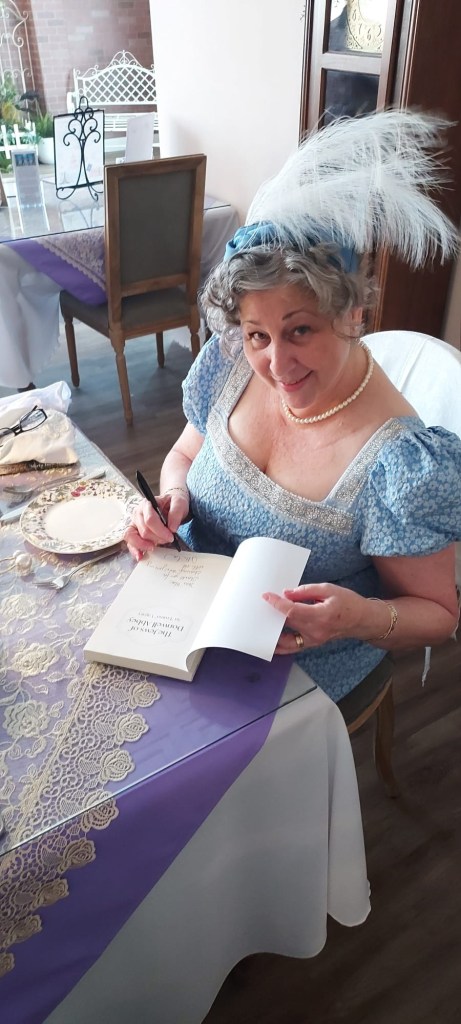

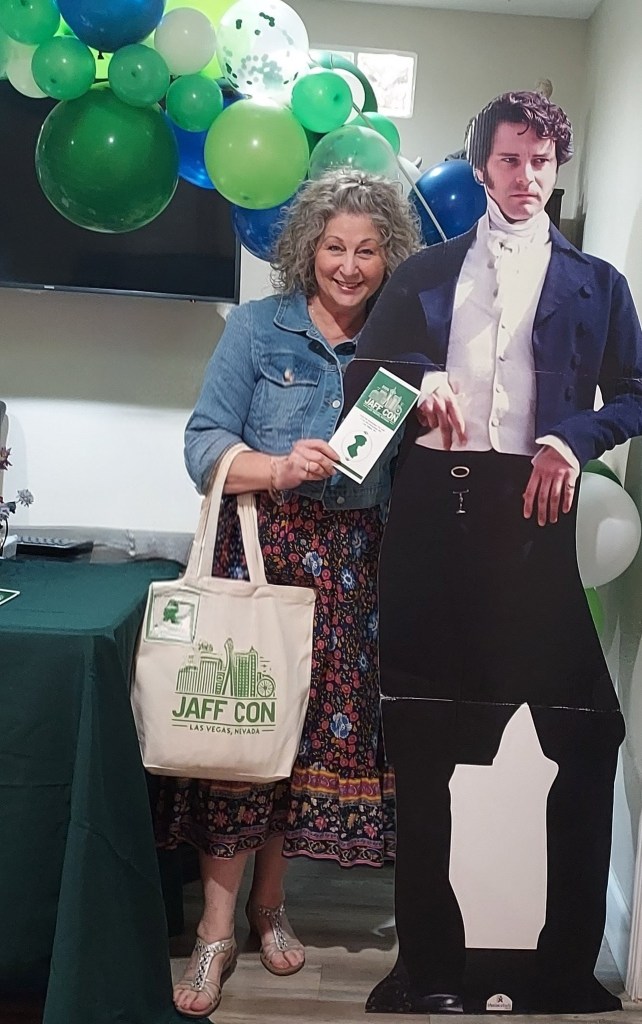
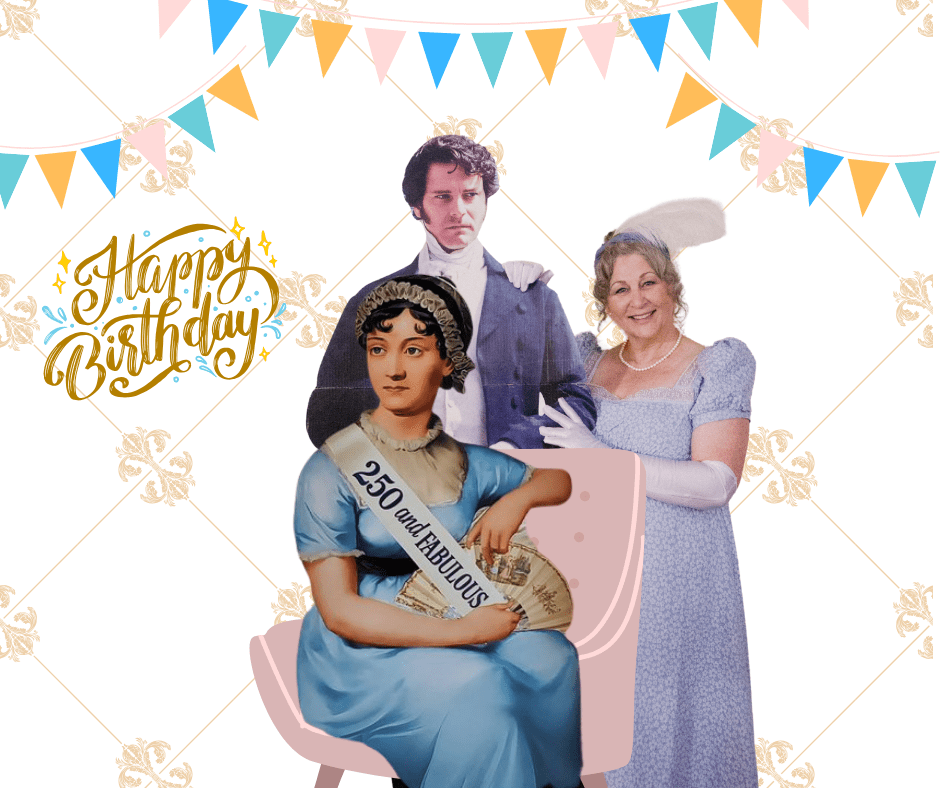
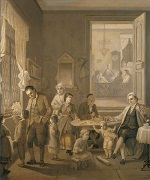

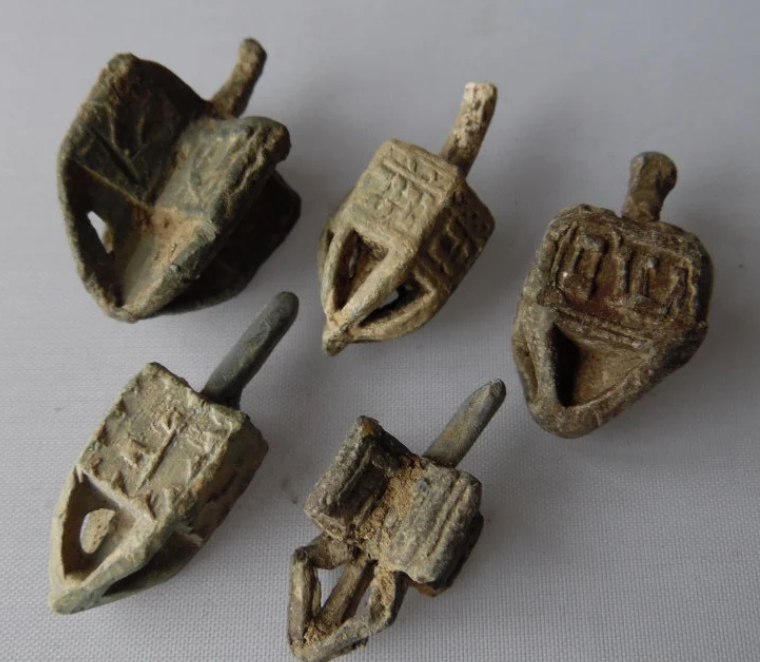
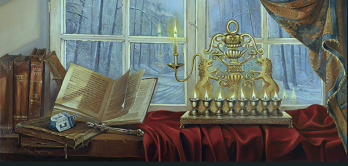
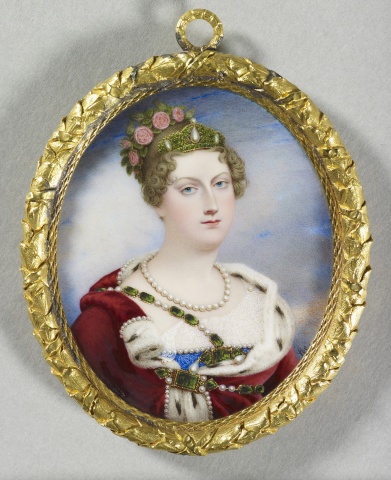
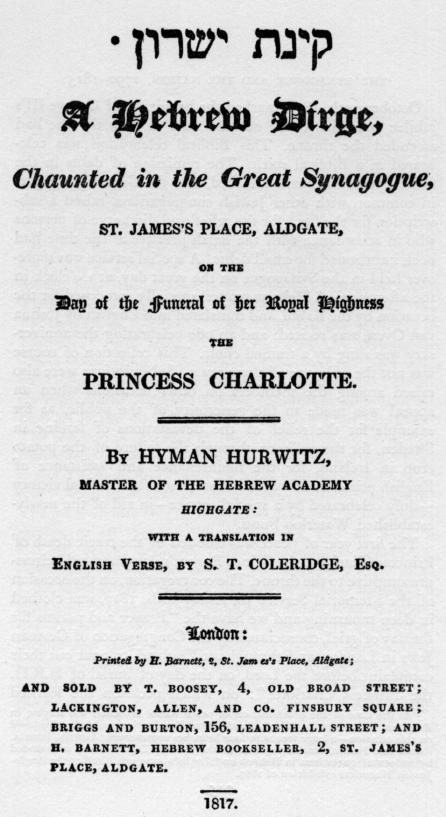
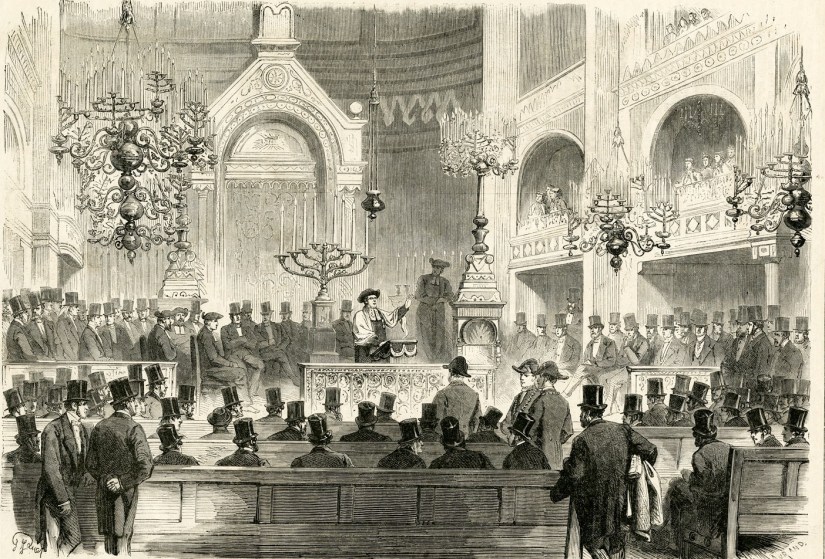

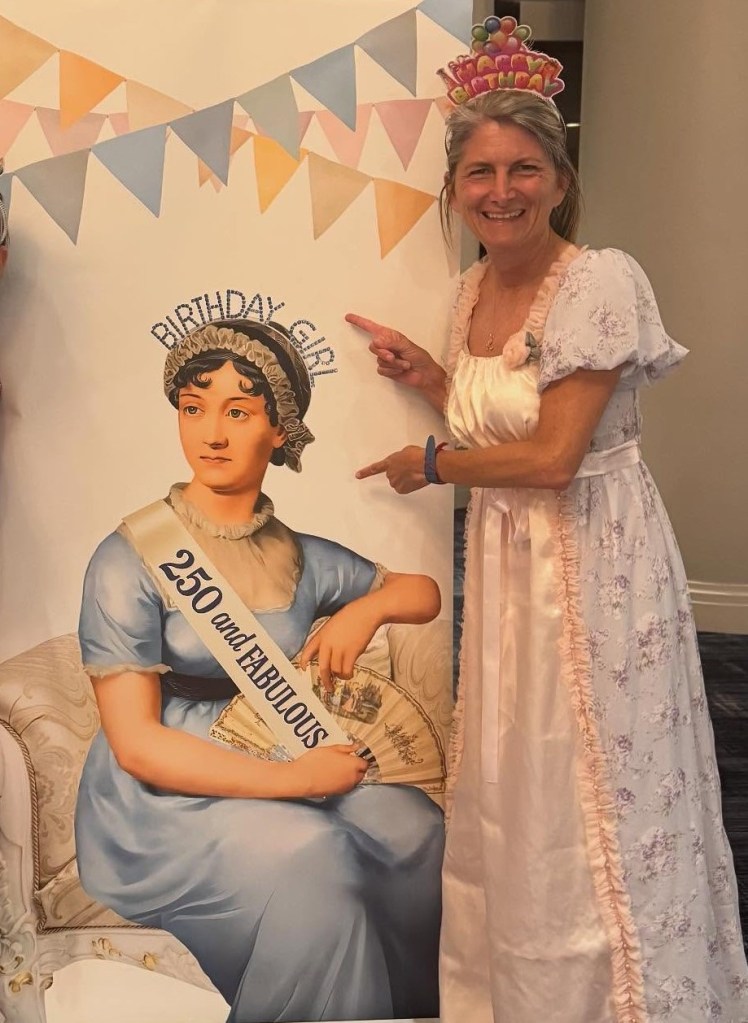
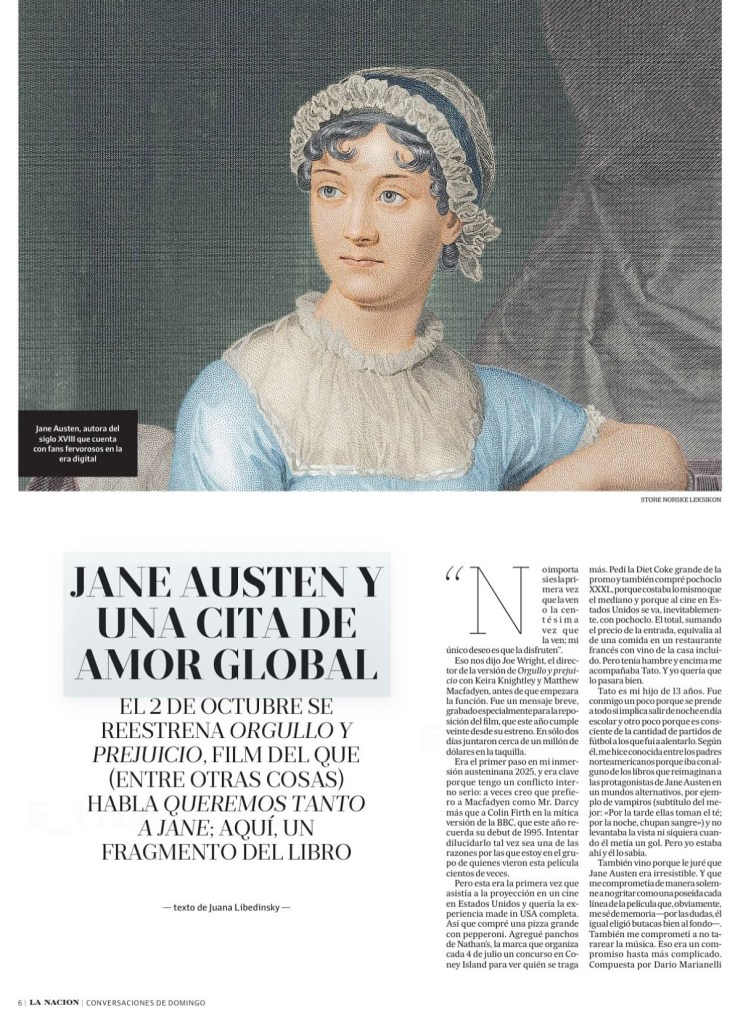
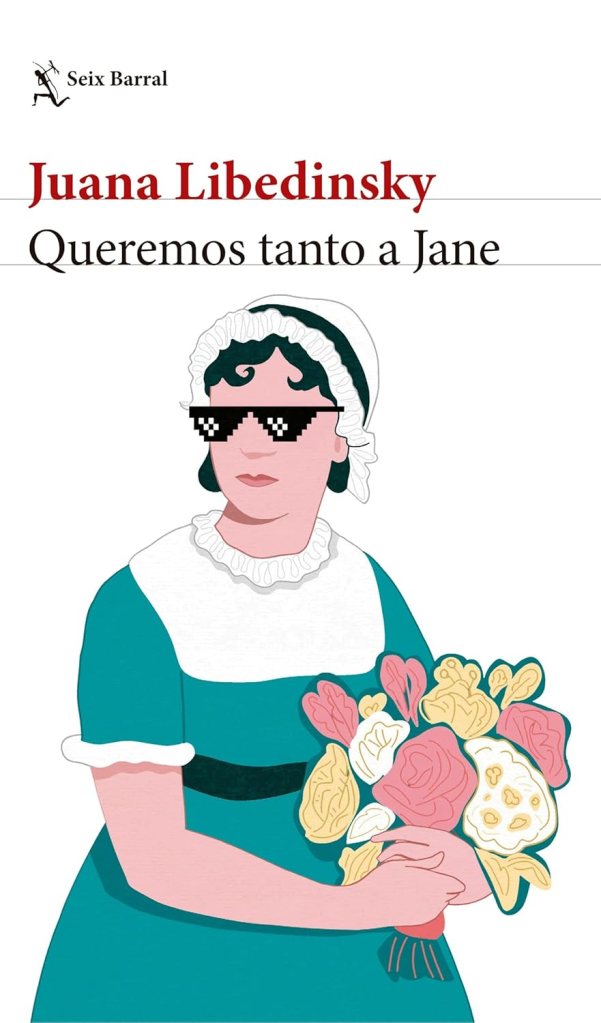
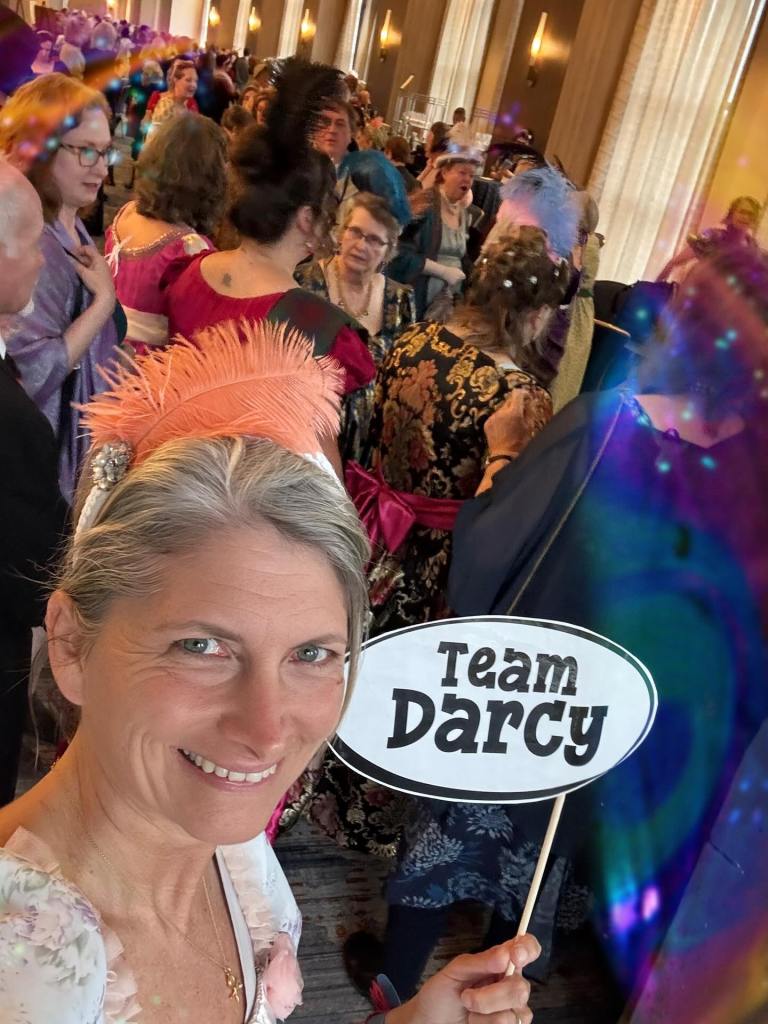

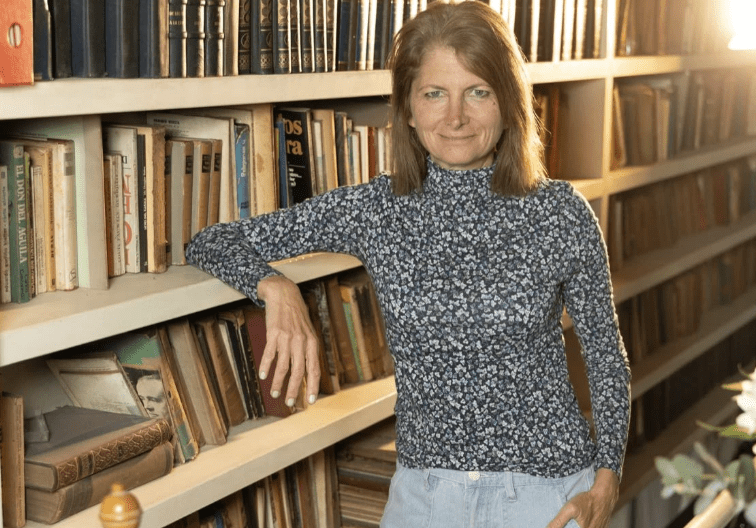
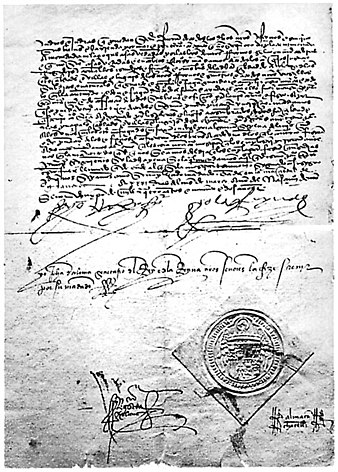
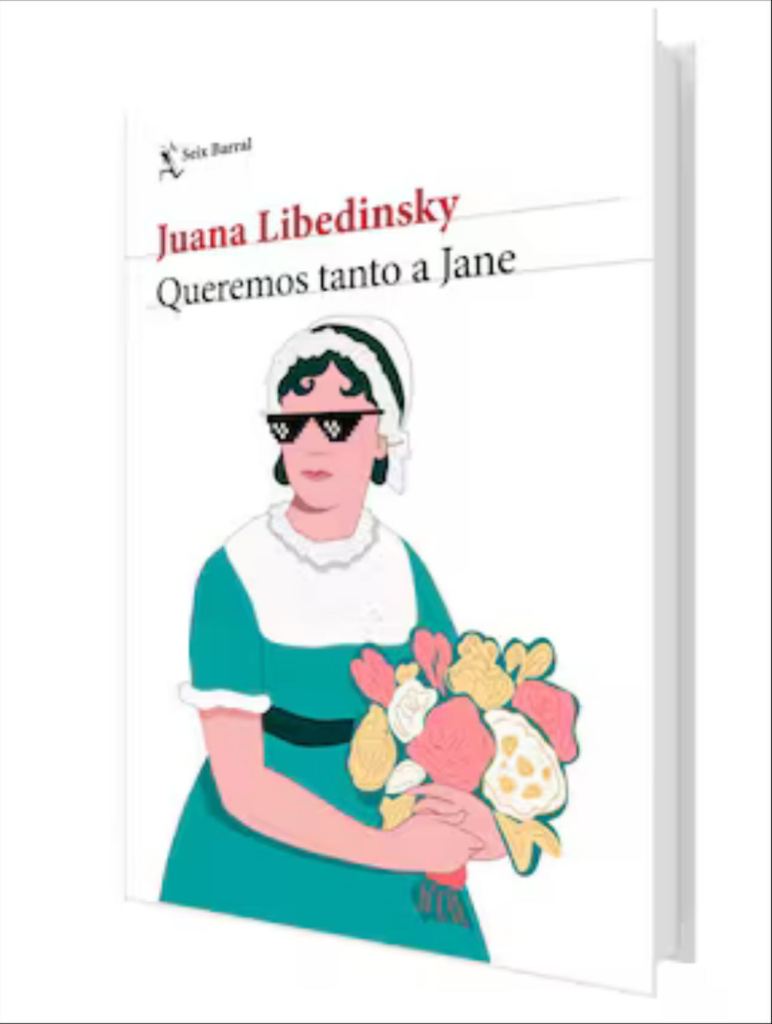





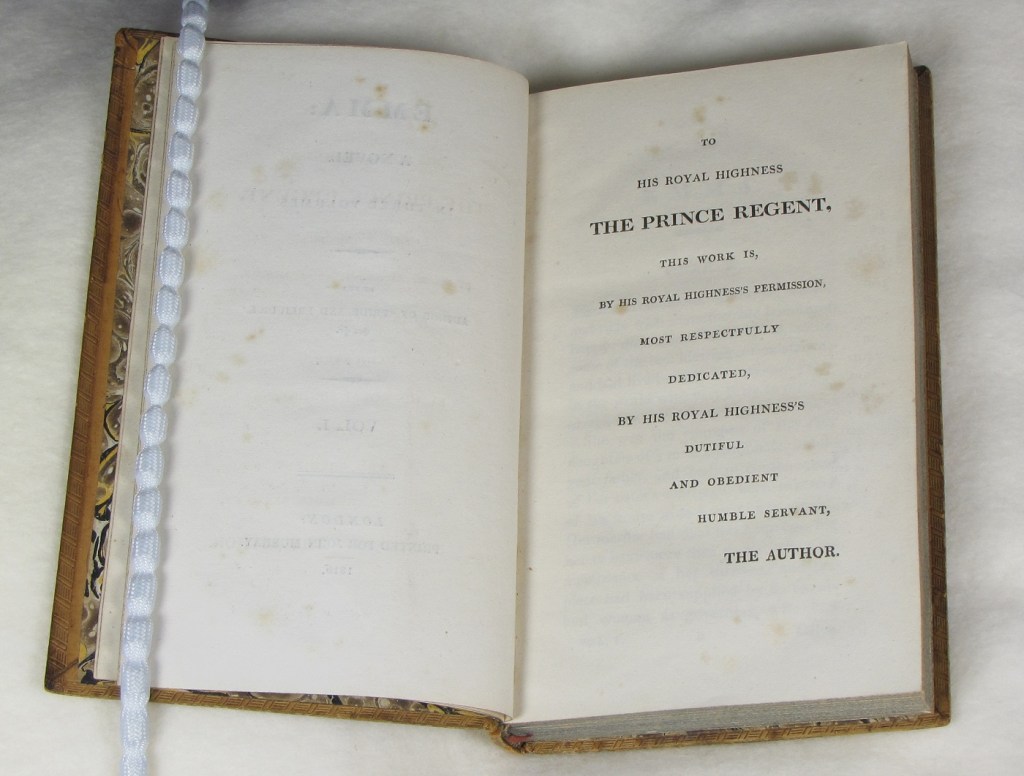
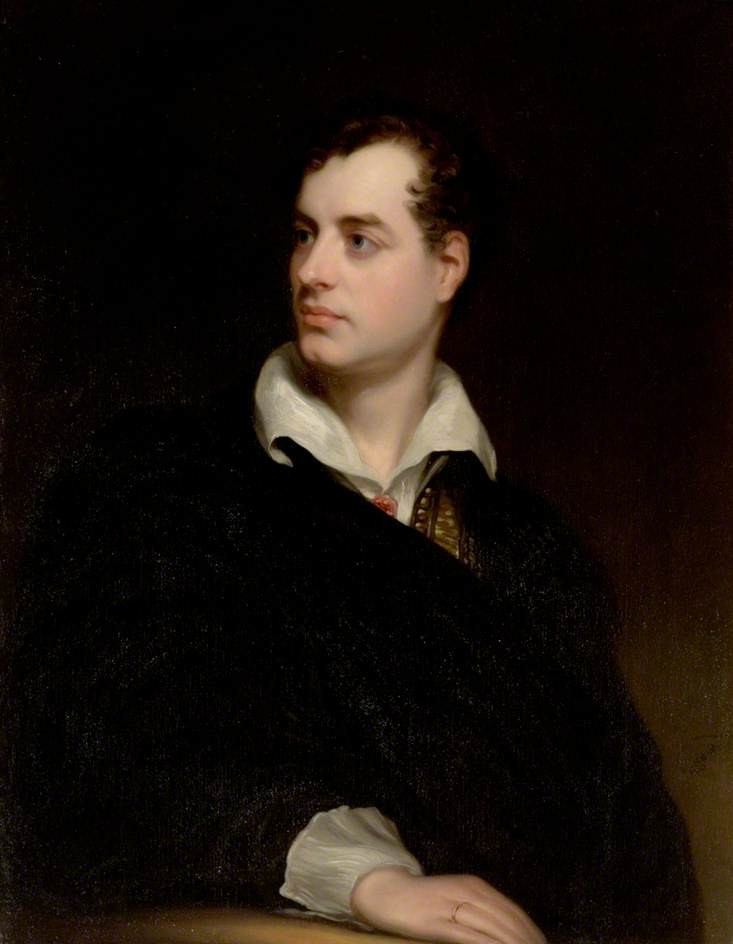
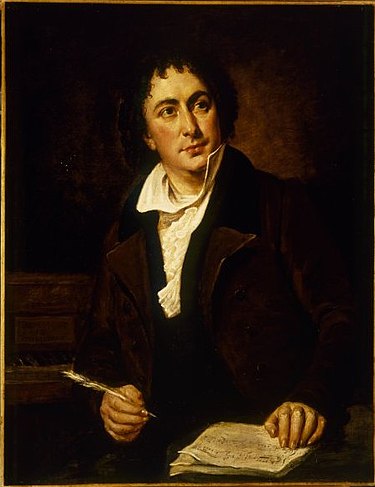
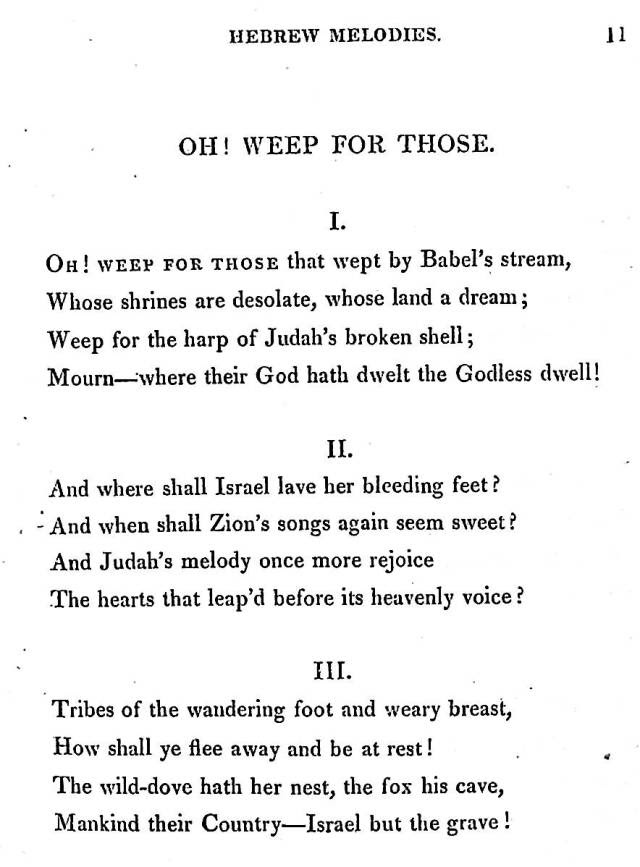
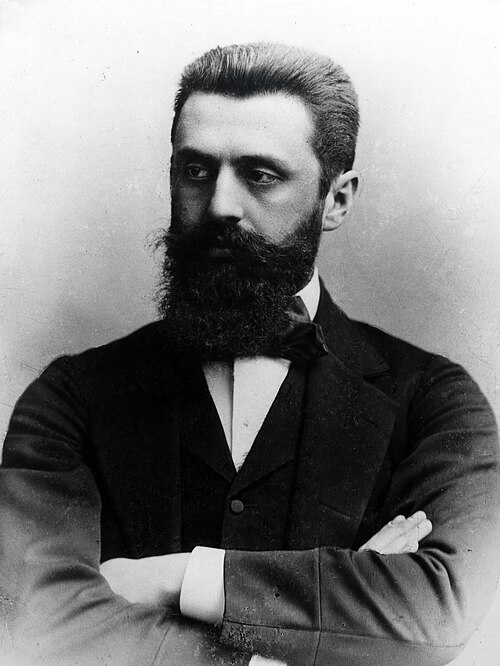

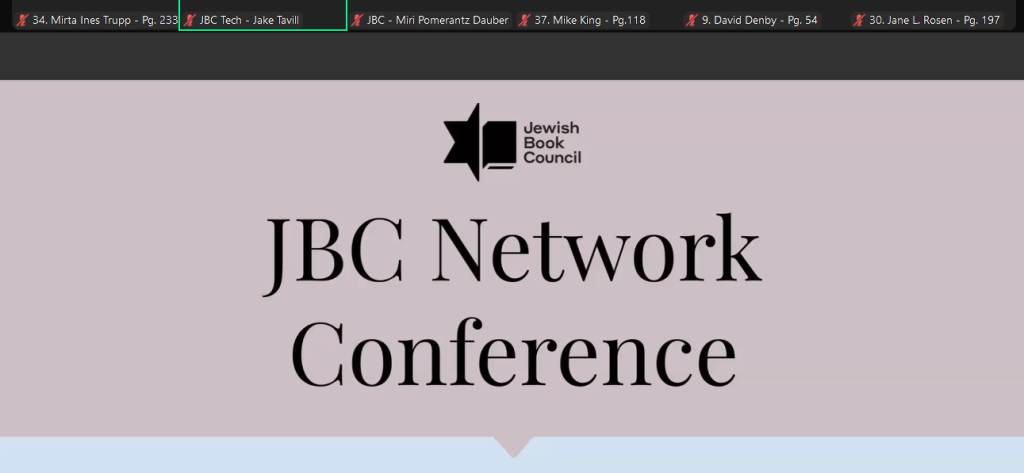
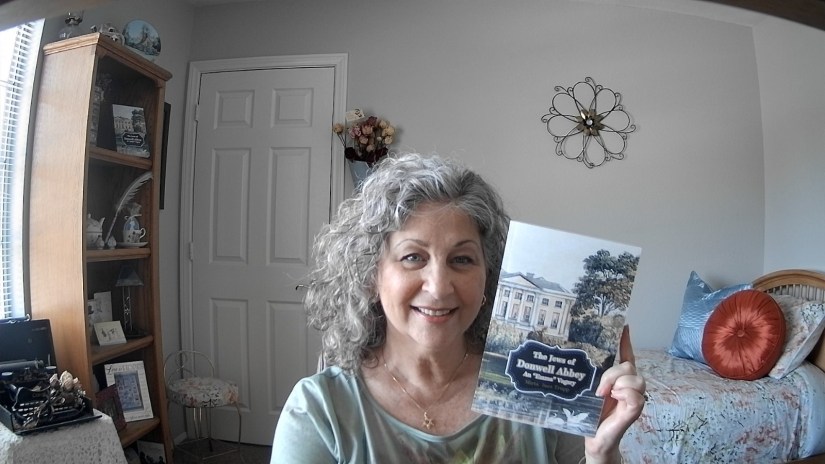
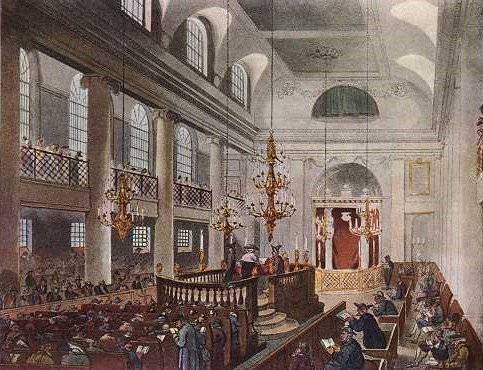
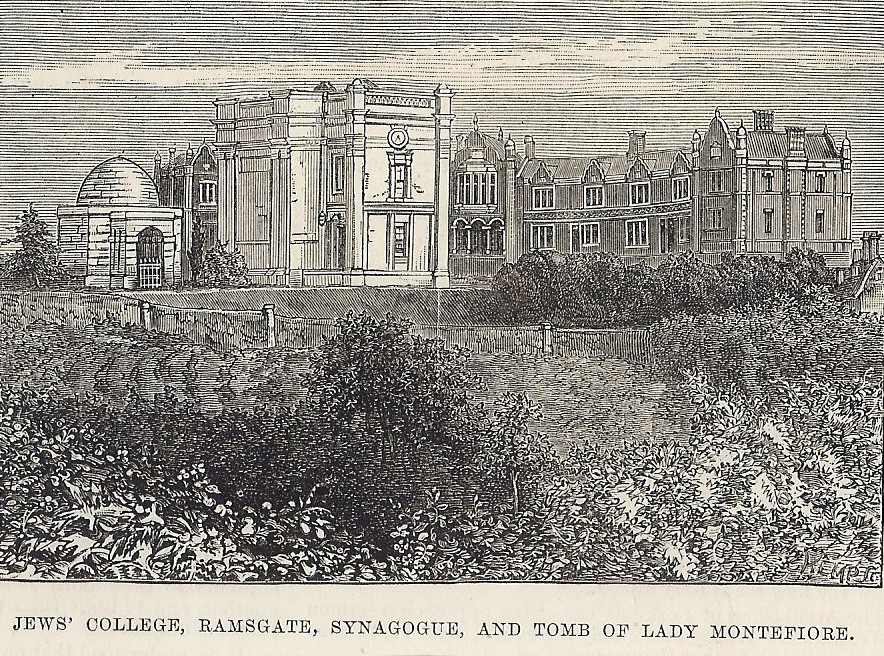
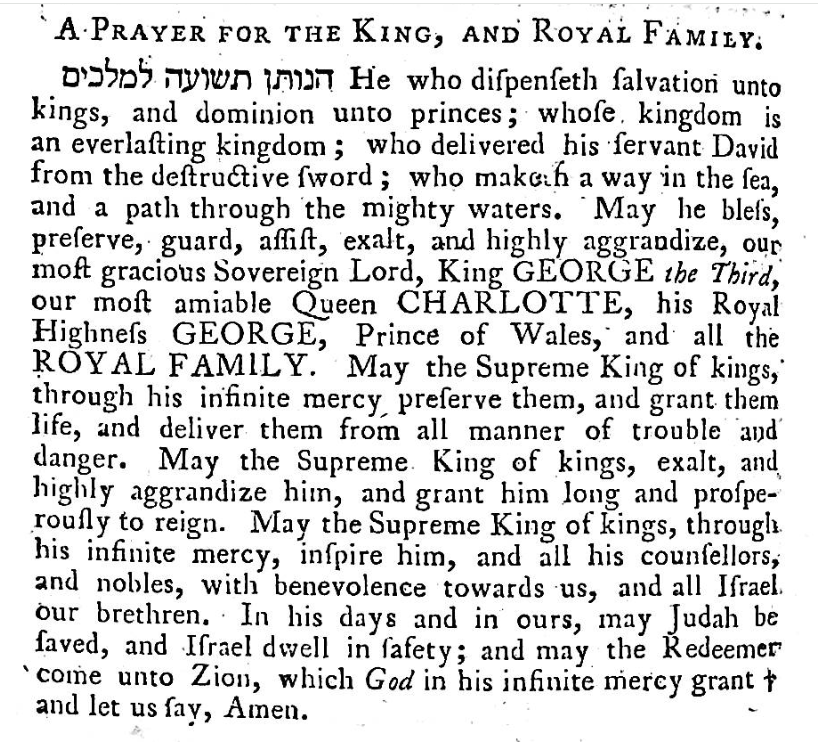
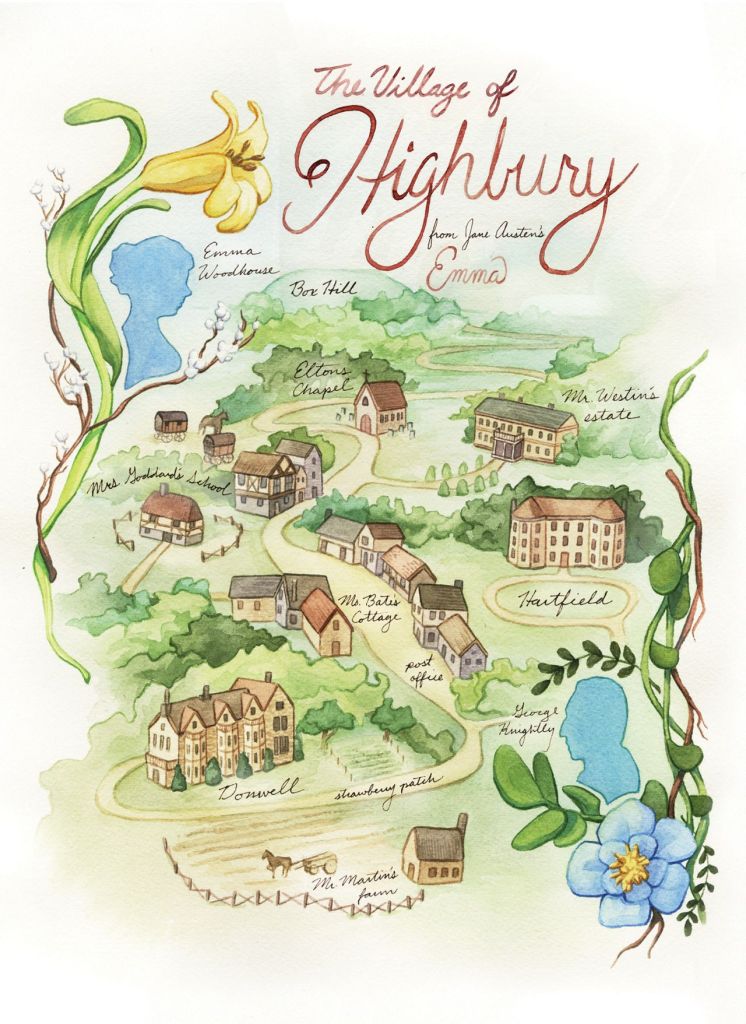
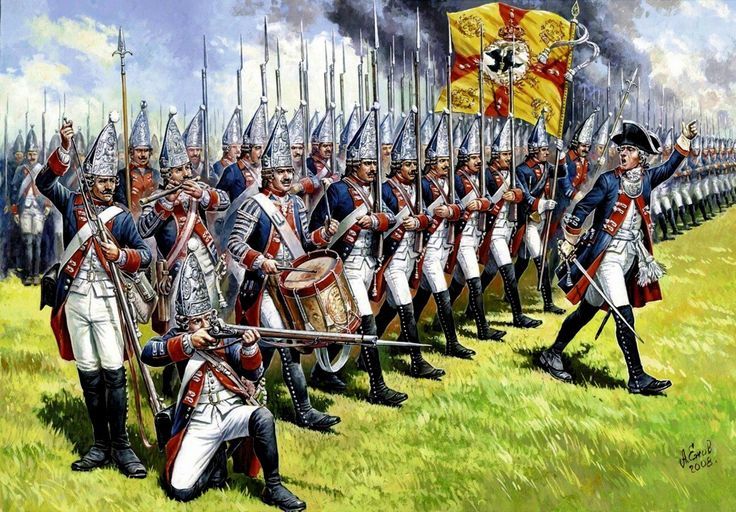
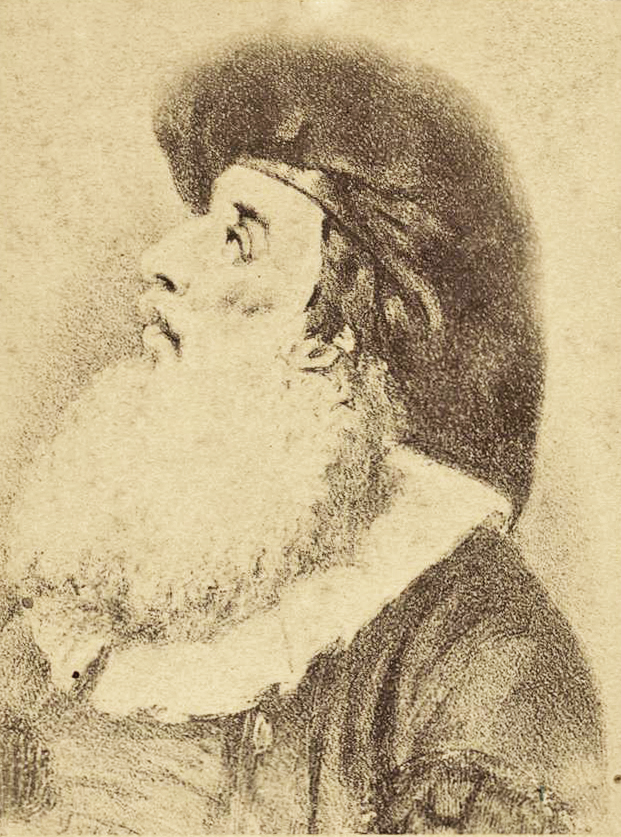
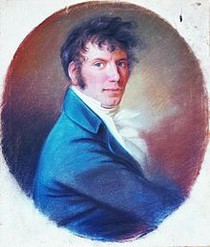
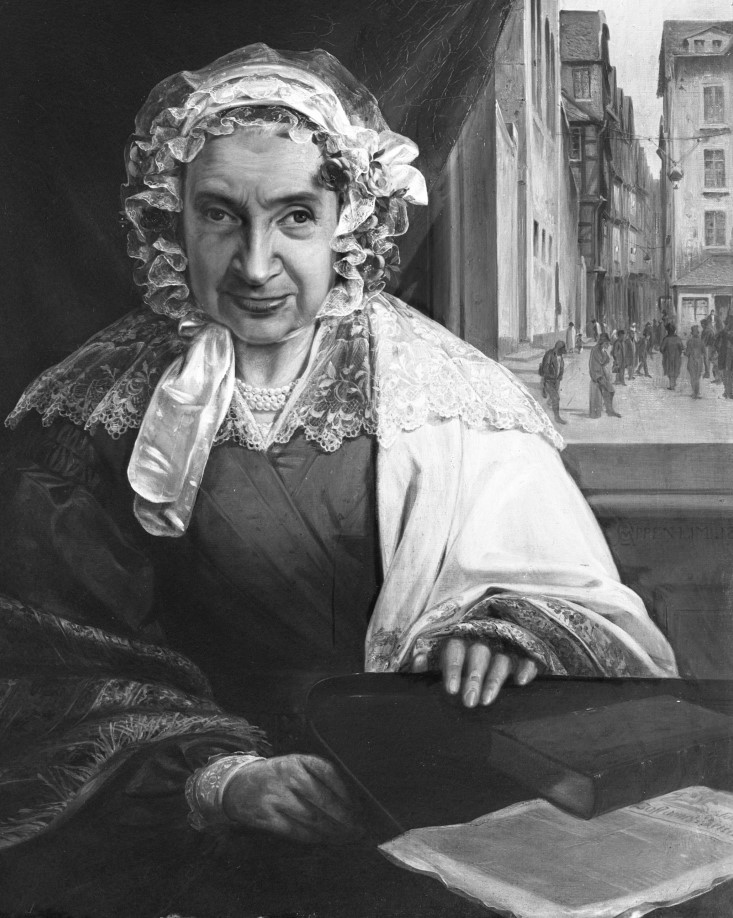


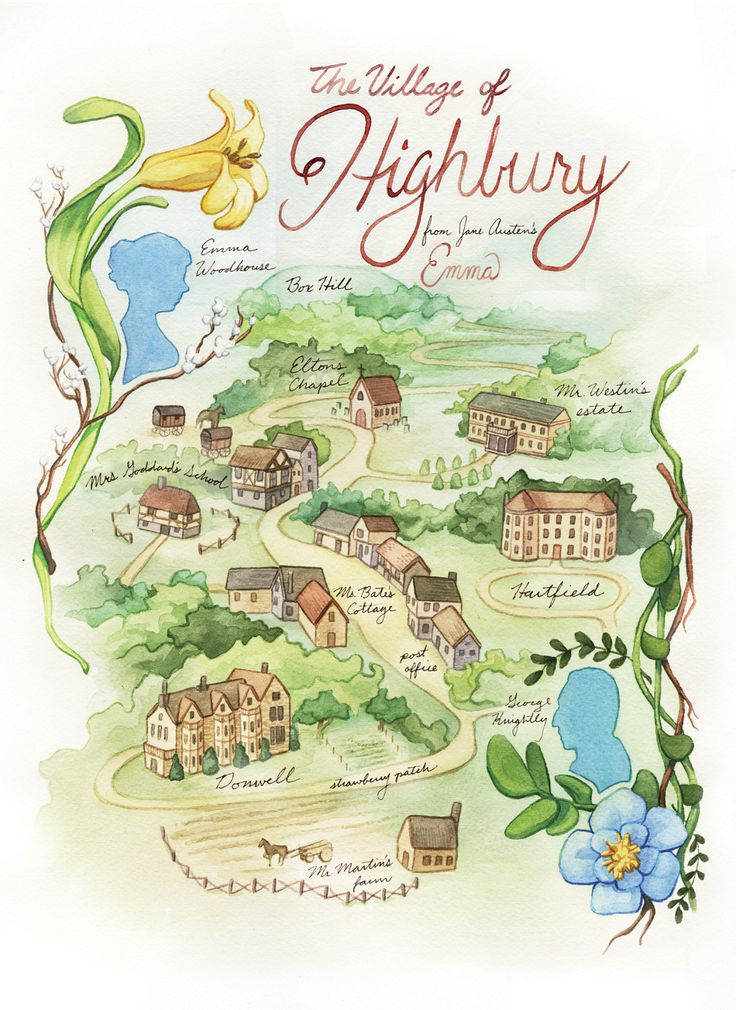
 Mirta Ines Trupp~ Author