New Post

Publishing Day: A Revolutionary Jewish Fiction I Couldn’t Find on the Shelf~

As America commemorates the 250th anniversary of its independence, I’m delighted to announce that Kindle the Light of Liberty is now available on Amazon.

Like many readers who love early American novels, I grew up surrounded by familiar stories. We know the Pilgrims. We know the Puritans and the Quakers. We know Washington, Franklin, Adams, and Jefferson. Historical fiction has given us countless perspectives on the birth of our nation. But one question kept nagging at me:

Where were the Jews?

Not because we weren’t here—but because we so rarely appear in the founding narrative.
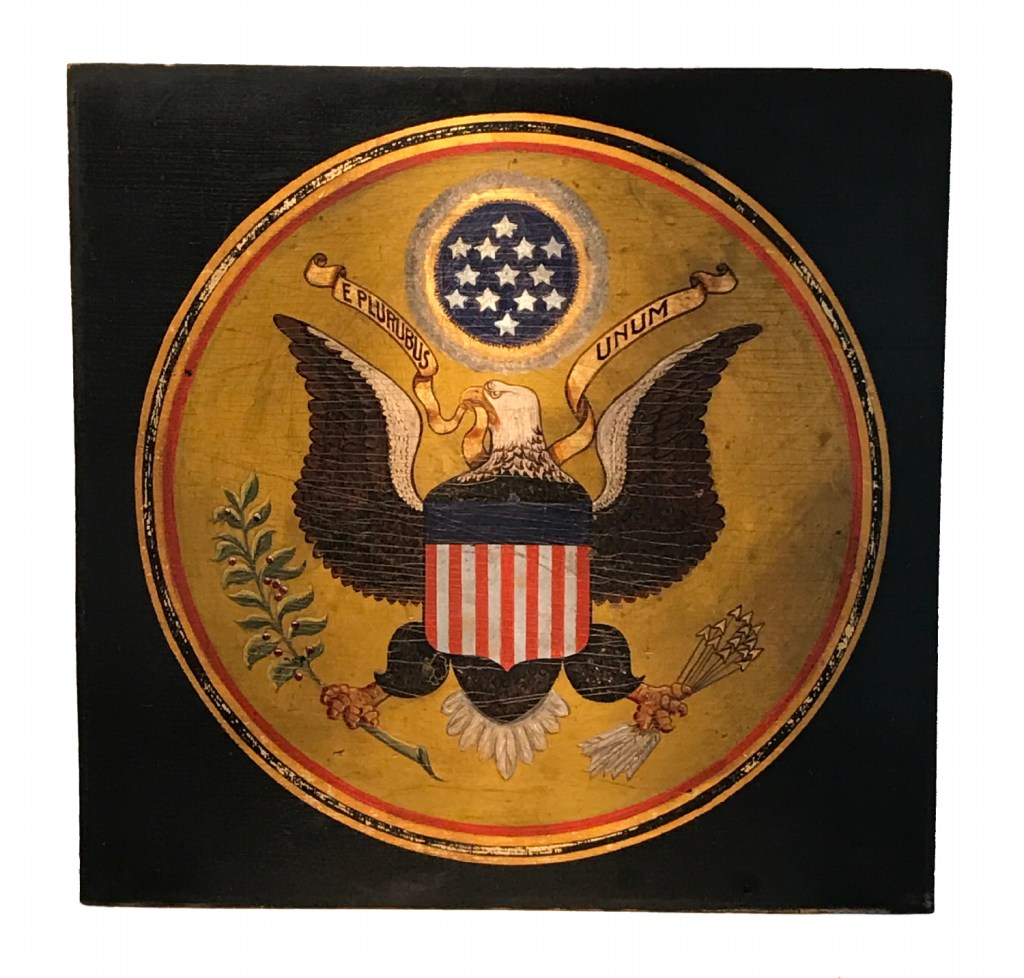
Great Seal of the United States

Historians have long documented the lives of America’s colonial Jewish communities. Adam Jortner’s A Promised Land: Jewish Patriots, the American Revolution, and the Birth of Religious Freedom, Oscar Reiss’s The Jew in Colonial America, and Laurens Schwartz’s Jews and the American Revolution: Haym Salomon and Others all remind us that Jewish families were very much part of the American story. They built businesses, raised children, prayed in their houses of worship, argued over politics, supported different sides of the conflict, and helped shaped an emerging nation. Yet when I looked for novels that placed Jewish families at the center of Revolutionary America, I found surprisingly few.

That absence became the beginning of Kindle the Light of Liberty.

Set in Philadelphia, the novel follows Jewish colonists wrestling with questions of identity, faith, and loyalty as their city transforms into the cradle of Revolution. The story unfolds not only in the streets and meeting houses, but around kitchen tables, inside shops, through letters, and clandestine conversations. Rose Wachsman and her family live alongside neighbors whose lives are equally shaped by uncertainty—including Betsy Ross—because history wasn’t experienced in isolated communities. It was shared.

And just as Jane Austen used drawing rooms and assemblies to critique a changing world, her sharp social commentary inspired me to view the American Revolution through the intimate, high-stakes lens of one Jewish household.

Yes, I said Jane Austen.
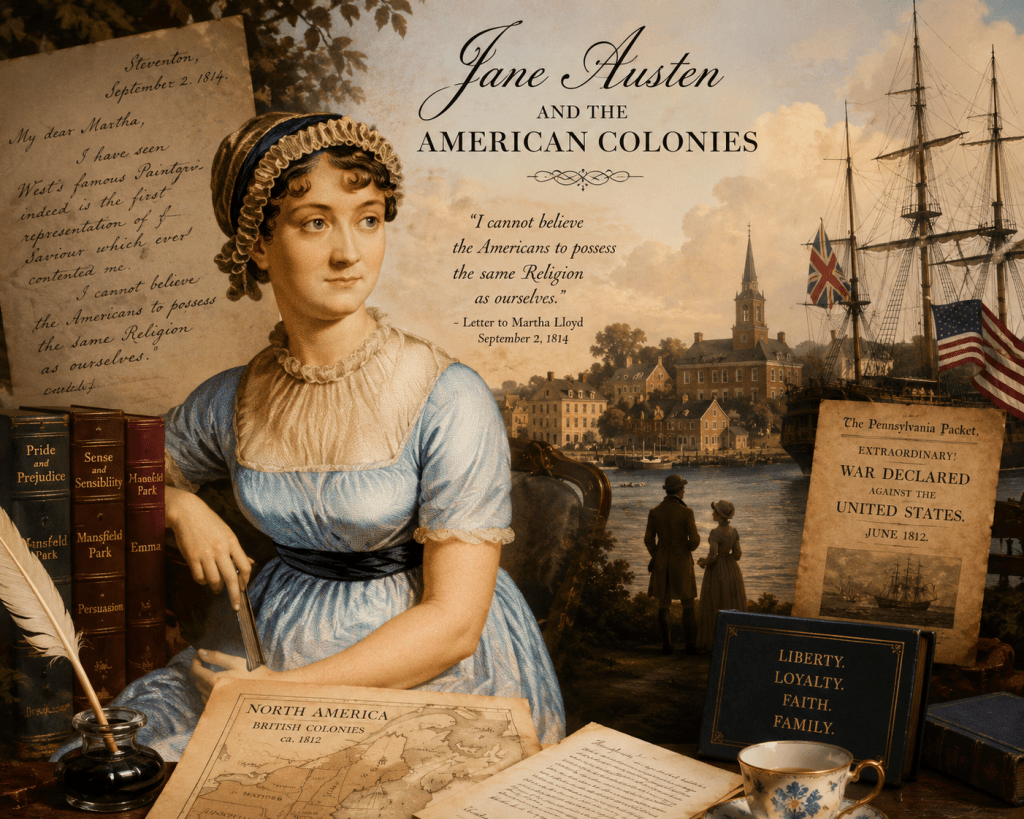
People often are surprised by my literary influences; Austen doesn’t seem to be a logical choice when contemplating a novel set in this era. At first glance, I understand that it does seem an unlikely pairing! But Austen understood something timeless about human nature: history provides the backdrop, yet stories endure because of the people who live through it. That’s her genius and the secret to her longevity. She mastered the art of the domestic canvas—showing how massive societal shifts echo through family dinner tables and neighborhood gossip.

Elizabeth Bennet taught generations of readers that first impressions can be wonderfully, painfully wrong. Her wit, compassion, and willingness to reexamine her assumptions helped inspire my own heroine, Rose Wachsman. And if readers catch a glimpse of Fitzwilliam Darcy in Mr. Hirsch—reserved, honorable, occasionally misunderstood—I will happily plead guilty! They may also recognize faint echoes of Caroline Bingley, Mr. Wickham, or even Lady Catherine de Bourgh. After all, every story needs its social climbers, charmers, and people whose polished exteriors conceal far less admirable motives.

That’s why Austen still captivates us more than two centuries after her birth. She reminds us that beneath every great historical event are ordinary people navigating pride, prejudice, family expectations, misunderstandings, and deeply human connections.

That’s the novel I wanted to read. And that’s the novel I wrote.

A Revolutionary story where the Jewish experience isn’t a footnote.

A love story grounded in history.

And a reminder that America’s founding was always more diverse, more interconnected, and more human than we sometimes imagine.

Sneak Peek: Read an Excerpt from Chapter Four:


Rose tallied the chandlery’s goods with a restless precision. She found her thoughts snagging on the great gamble taking place blocks away. Had the divided loyalties finally snapped the cord of their resolve?

For weeks, men dawdled at her father’s counter, stripped of their coats and their patience in equal measure. Women lingered after completing their purchases, feigning an interest in a particular scent or the quality of soap, but their voices were lowered and their eyes watchful as they spoke of those grave matters which now threatened the balance of their world. Her father maintained a most rigorous display of neutrality, attending to every wick and ledger with a public diligence intended to keep his doors unbarred—not merely for the sake of the coin, but for the quiet, folded messages that were expected to pass through his hands in the shadows of the shop.

The burden of such secrets required a mask of perfect indifference, a performance that was put to an immediate test by a most unexpected visitor. One afternoon, while the bells of Christ Church tolled noon, Mr. Hirsch entered the candle shop and found Rose and Hannah Ellicott passing the time of day.

He stood tall in the doorway, his dark coat impeccably cut, appearing remarkably untouched by the stifling heat that had caused the rest of the city to wilt. His hair, tied simply at the nape, lent him an austerity that suited his grave expression. Rose noted a sharp, discerning flare of his features—a movement so fleeting she might have imagined it had her own pulse not quickened in response. She had hoped the clean fragrance of the honeycomb and citrus peel would mask the heavy, acrid scent of the rendering kettles, but the sudden, rigid set of his jaw suggested her efforts had been in vain.

Steadying her breathing and smoothing her apron, Rose masked any flicker of concern. She cared little if a stray smudge of soot marked her cheek. Boiling berries and rendering raw comb was a messy business; it followed that it was an odorous one. The result, however—the sweet-smelling soaps and tapers born of that labor—softened the edges of their world.

Given his apparent state, Nathan Hirsch was plainly not a man given to softened edges.

Rose felt rather than saw the shift in Hannah beside her as her friend’s missive slipped swiftly into the folds of her apron. She curtailed any emotion that would give her away, although she noticed Mr. Hirsch’s eyes registered the exchange. The gentleman had not yet approached the pair. In fact, he had not greeted Rose in his usual way. The simple nod she was afforded possessed nothing of his accustomed formality. And it gave her pause.

“The mail has come early today?” he asked.

His tone was mild. Too mild for her liking. What game was he playing? Rose felt the ridge of the wax seal from within her apron’s pocket. Wax was meant to protect. It could just as easily betray. She could not trust him. The letter was bound for Savannah. If it failed to reach its destination, a family might be ruined—or worse.

“Just the butcher’s bill,” she said lightly. “Mistress Ellicott was good enough to drop it off, seeing that she had to collect her weekly order of tapers. It is a small kindness we extend to one another.”

“Yes,” Hannah quickly added. “It helps when one must tend one’s shop. Sometimes Mrs. Riley or even little Tommy comes to our aid—such a good boy, that one. Always willing to help carry our little packages or knick-knacks.”

Rose resisted the urge to reproach her friend. Mr. Hirsch’s mouth, she noticed, curved ever so faintly—not in amusement, but in something like…recognition.

“Ah,” he said softly. “How clever you are.”

His gaze lingered on Rose’s face with cool intensity, as if attempting to reconcile the woman before him with some private conclusion.

“I would encourage you,” he continued, “to be selective in choosing couriers for your… knick-knacks. You would not wish anything to fall into the wrong hands.”

Rose met his eyes steadily, though her pulse hammered against her ribs. It was a moment that required a most calculated diversion; she must lead his thoughts away from the missive he had observed—away from the dangerous reality of their schemes and into the safer, if more painful, territory of society’s parlors.

“I thank you, sir, for your concern. Pray tell me—how may I be of service?” she asked with the civil indifference of a tradesman’s daughter.

“Was there something amiss with your mother’s order,” Rose continued with practiced calm, “or perhaps you seek a gift for a young lady? For Miss Franks, perchance? I believe my cousin has a particular partiality for our lavender soaps.”

He hesitated. It was a silence of a most distressing duration, and one which frightened her more than a direct accusation would have.

“Be at ease, Miss Wachsman,” he said at last. “I have been commissioned to acquire an additional dozen of the bleached tapers, if you please.”

Though she found the request odd—she had, after all, filled his mother’s order only two days prior—Rose turned to retrieve the items at once, willing her hands not to tremble beneath his keen observation. Mr. Hirsch had not shifted from his place; his dark eyes, however, took in every detail. Every shelf and display was scrutinized. Nothing, it would appear, was too small for the gentleman’s attention. Rose set the wrapped candles upon the counter between them—a small barricade of paper and twine.

“You keep busy,” he said. “I suppose you have felt the effects of the recent blockade.

“Indeed, sir. We have felt it exceedingly,” replied Rose. “We pray that the strain does not prove too hard to bear—for ourselves and for our families.”

Mr. Hirsch nodded his understanding as he placed his payment beside the parcel Rose had presented.

Sterling! He paid in sterling.

The silver coins caught the light with a cold, indisputable authority which the paper Continental notes could never hope to mimic. Rose found her gaze anchored to them a second longer than propriety allowed, her mind racing to reconcile the gleam of the King’s metal with the man who stood so unruffled before her.

Something unreadable flickered across his face. “Is there anything… amiss?” he asked, repeating her words.

She searched his expression for accusation—or mockery—but found neither. “No, not at all, sir. I thank you for your custom.”

He inclined his head. “Then I wish you a good day, Miss Wachsman; Mistress Ellicott.”

Rose watched him make his way toward the door. The question of where his loyalties truly lay rose to her lips with such force she very nearly put it to him directly.

“Mr. Hirsch.”

He paused, his hand upon the latch. “Yes, Miss Wachsman?”

“If you would authorize me to do so, sir,” she said instead, “I shall adjust your mother’s weekly order. I would not wish to incommode your schedule.”

“I have every faith in your judgment, madam,” he replied.

The bell above the door gave a soft, indifferent chime as he departed. Rose could not help but roll her eyes at the formality of his parting salutation. Madam, indeed!

Beside her, Hannah exhaled. “He knows.”

Rose turned the letter slowly between her fingers, the parchment feeling suddenly like lead. “He suspects,” she corrected, though the distinction brought her little comfort. She could not know if she had truly diverted his scrutiny or merely confirmed it; she was not sure which might prove worse.

Nathan Hirsch moved easily between worlds that distrusted one another. He frequented the Franks’ salons—seemingly paying court to the daughter of the house—yet he stood in prayer beside her own father each Sabbath.

He spoke carefully—and watched everything.

She could not know which allegiance governed him. Rose suspected that his neutrality was not a choice of conscience, but a masterwork of convenience.

Slipping the provocative letter into the hidden compartment beneath the counter, Rose felt her pulse steady as wood and wax and ordinary commerce enfolded the message until it could be revealed. He might keep his elegant decorums and his careful speech! She cared not for them. Here, amidst the scent of rendered fat and cooling wax, there was no room for duplicity—only the hard, honest work of survival.


I hope you’ll join Rose, Mr. Hirsch, and the families of Colonial Philadelphia as they discover that liberty is kindled not only by famous speeches and battlefield victories, but by the quiet courage of ordinary people whose stories deserve to be remembered. Click here to be directed to Amazon.

Happy Birthday, America! Kol hakavod—well done—for the first 250 years! May God’s presence continue to abide among us, and may our country remain a beacon of freedom and justice for the world.

With love,

New Post

The Musings of an Austenesque Novelist~ Following the Crumbs: Part II

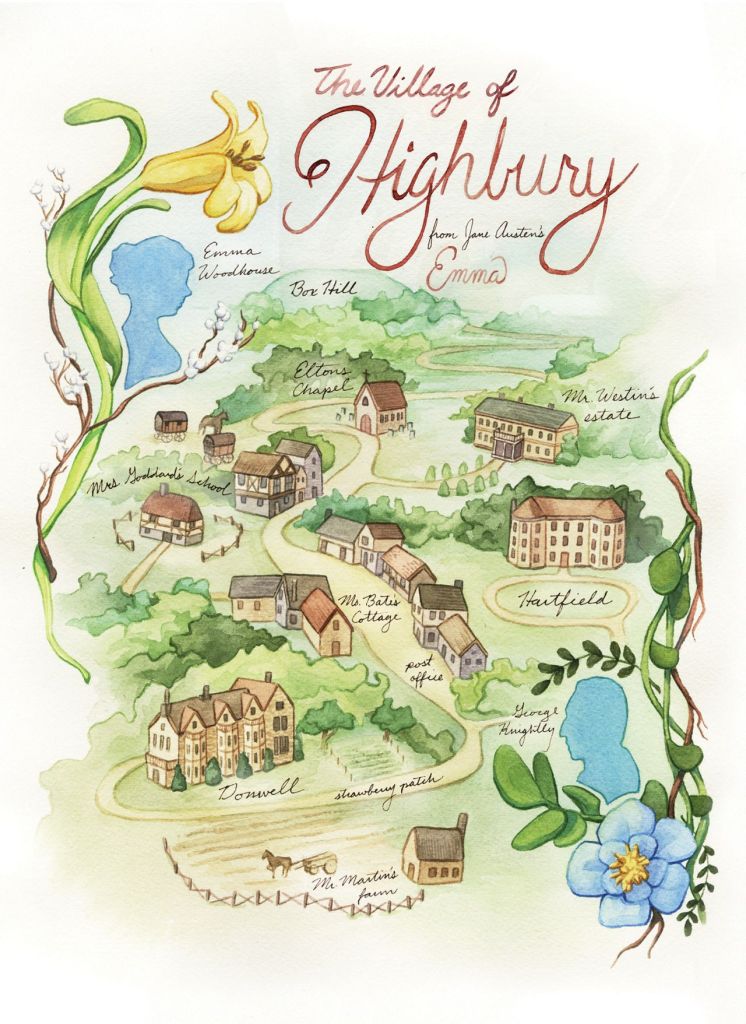
In “The Jews of Donwell Abbey: An Emma Vagary,” the spot light is on Miss Harriet Smith. As stated—so succinctly, I might add—by Mr. Knightley in the original novel, she is the “natural daughter of nobody knows whom.” Austen’s famed protagonist and resident know-it-all, Miss Emma Woodhouse, assumes she knows her prodigy’s genealogy; however, as the story unfolds, her imagination does not serve her well. Yes, I will say it: Miss Woodhouse is rather clueless. More to the point—and the reason for this post—Mr. Knightley’s admonishment provided enough encouragement to write my own version of Austen’s “Emma.”

No, that’s not quite right. I wasn’t encouraged. I was provoked!

In my previous post, I referenced Hansel and Gretel from the famed Grimm’s fairy tale. We all remember how these youngsters left a trail of bread crumbs, hoping others would follow. Whether or not Austen meant to tease future authors of fan fiction with a few suggestions, or hints, is irrelevant. I relished the opportunity to gather said crumbs and gently fold them into a new version, one that incorporated a Jewish storyline. It was a natural progression for me, but I understand that some readers might question the legitimacy of such a plot. They may ask if the Jewish population in Regency England could merit such diversity and inclusion in an Austenesque novel.

The answers were waiting for me as I tumbled down the rabbit hole…

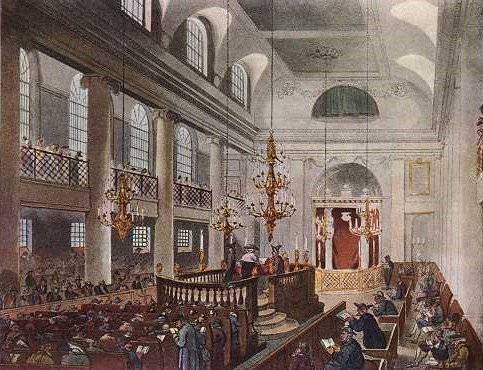
Sometime around 1690—when exiled Jews were allowed to return to England— a synagogue for the Ashkenazi community was constructed in London. At the time, it was known as Duke’s Place Synagogue, and was probably one of the earliest of its kind.

Six or seven years later, additional land was acquired for the establishment of a Jewish cemetery. By 1722, the congregation had outgrown the original structure and a new building was consecrated, thanks mostly to the philanthropy of Moses Hart. Some six decades later, between 1788 and 1790, with the influx of Eastern European immigrants, the Great Synagogue of London was redesigned in order to accommodate its growing numbers. The principal donor, this time, was Judith Levy, daughter of Moses Hart.

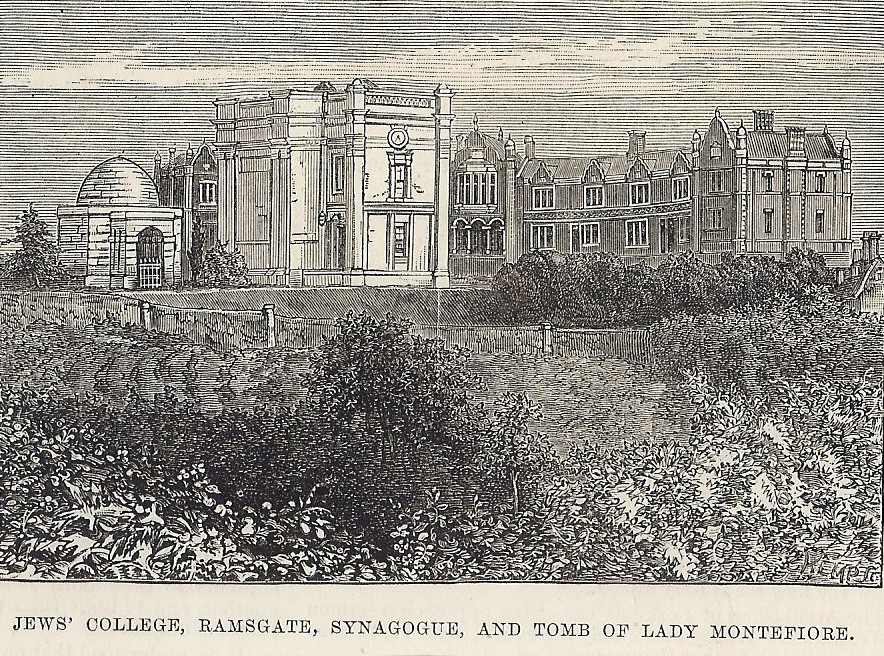
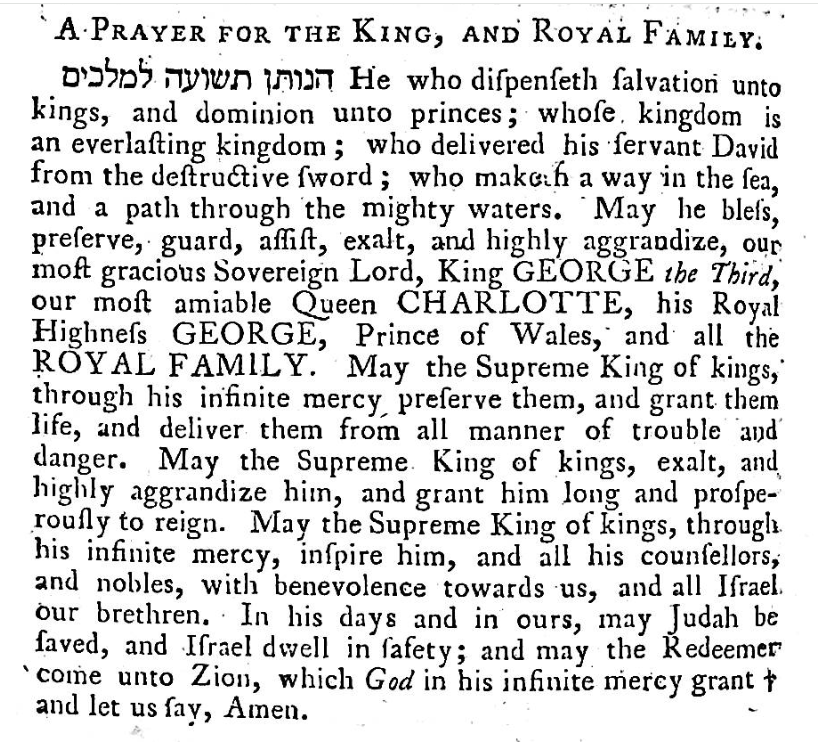
Of course, there were other Jewish communities outside of London. Synagogues, schools, and cemeteries could be found in Cornwall, Dover, Exeter, Plymouth, Ramsgate, and Sussex to name just a few. Prayer boards were typically paced in the entryways of these sacred spaces, the ancient words were made readily available for all who wished to pray on behalf of the royal family.

A Society for Visiting the Sick was established sometime around 1722, as well as A Society for the Cure of the Soul (Hebrath Refuath haNephesh). There was as an Orphan Aid Society (Hebrath Gidul Yethomim) and a society for “dowering poor brides.” Another group helped the destitute with clothing and other provisions, and a Society for Ransoming Captives (Hebrath Pidion Shevuyim) was created to “help those reduced to slavery by the barbarous customs of Mediterranean or Muscovite warfare.”

Such institutions had always formed an important part of the Jewish community, but as Anglo-Jews strove to assimilate, and be accepted in English society, it became evident that something else had to be done in order to retain—and to motivate—the community to remain religiously observant. In 1789, David Levi published a new daily prayer book (a siddur), the first publication of Hebrew liturgy with English translation.

Therefore, the answer to the posited question is: Yes! There was sufficient numbers of Jews to merit a Jewish storyline in an Austenesque novel—if, indeed, one actually needs to rationalize or justify the need for a Jewish storyline, but I digress.

Credit: Pinterest

In fact, the Jewish population of England was over 18,000 by the time Austen introduced her readers to Miss Emma Woodhouse and friends in 1815. By 1880, the number soared to over 60,000! While a normal person might be satisfied with that level of research, I’m here to tell you that my quest was not yet complete.

My ancestors left Imperial Russia somewhere in between 1899 and 1910. They immigrated to Argentina. During that same time period, Ellis Island was receiving wave after wave of immigrants from all across Eastern Europe. But what was going on over in Western Europe, and how could I use those events to get my fictional character, Doctor Yosef Martsinkovsky, to Surrey, England?

Austen fans are sure to know about The Napoleonic Wars, which lasted from 1803-1815. These conflicts had monumental ramifications throughout Europe at large, but the timeframe didn’t coincide with my story. I needed something of similar magnitude; and so, I followed the trail through the rabbit hole once again…

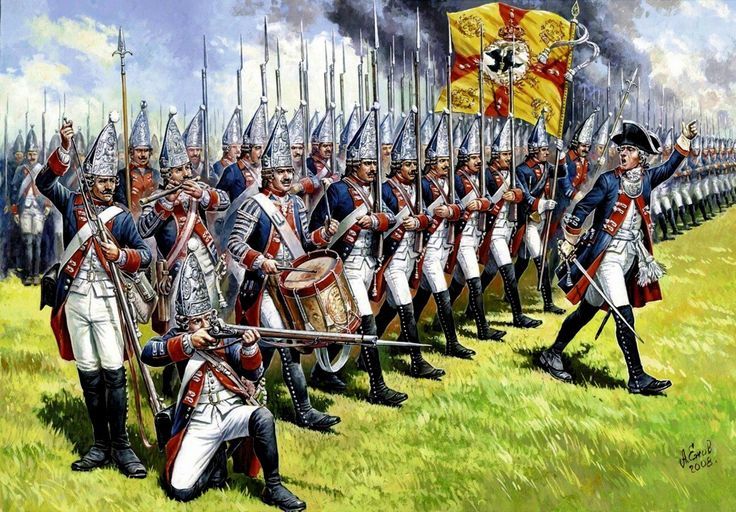
The Seven Years’ War was an attempt to prove dominance. The “usual players” involved included: Prussia, Hanover (a separate state at the time) and Britain battling against Austria, France, Spain and Imperial Russia.

The conflict raged on from 1756-1763, at the same time the British colonies in North America were making their voices heard.

Over in Prussia, Frederick the Great was busy…being not that great. His “Revised General Privilege” doctrine of 1750 allowed for the exploitation of successful Prussian Jews and the persecution of all others. In many instances, the population was worse off than their contemporizes in other lands; and, now — whether facing danger on the battlefield or facing danger at home—these Jewish communities were at the point of extinction.

The Seven Years’ War is often referred to as the first true world war. Upon its conclusion, and after all the treaties were signed, the world was a different place. Taking advantage of the First Partition of Poland in 1772, Frederick the Great expelled thousands of Jews from their homeland. This research, by the way, not only helped draft my outline, but also corroborates my family’s understanding of how our Trupp ancestors migrated from Lithuania to Ukraine. Again…I digress.

Having resolved two points that needed substantiating, I was ready to move on. Please take a moment to enjoy the excerpt below, where Mr. Knightly addresses the party at Hartfield and introduces Doctor Martsinkovsky to one and all.


Excerpt from The Jews of Donwell Abbey: An Emma Vagary :

Mr. Knightley began to pace, attracting the company’s full attention. “My father, the Colonel,” he declared, “owed his life to Doctor Martsinkovsky.”

“You have the right of it, good sir!” cried Mr. Woodhouse.

“Oh, dear! I do hope you will spare us some of the details, Mr. Knightley,” cried Miss Bates. “Pray remember we have yet to dine. Is that not right, Mama?” she said, patting her matriarch’s wrinkled hand. “Would that you could save the details for when you and the other gentlemen are enjoying your port and cigars. We are rather delicate, are we not Mama, and do not wish to hear that which might ruin our appetite.”

Mr. Knightley did not offer a reply, though he did perform a curt bow. Harriet felt a great story was about to unfold as the gentleman began his discourse, inviting one and all to recall the summer of ‘57.

He asked the party to recall how great armies had been on the move, not only on the continent but across the ocean in the Americas. Complex strategies had moved the King’s men like chess pieces upon a checkered board. Mr. Knightley reminded those old enough to remember how Austria united itself with France and how Frederick II, in turn, aligned his kingdom with the English Crown.

“And with that, Prussia’s invasion of Saxony brought the leading nations of Europe to war,” said Mr. Knightley. “Frederick not only required English funds to support his campaign, he required English troops.”

“How could anyone of us forget, sir?” asked Mr. Weston. “Only think of the men we lost—just in this parish alone—I will never forgive the king’s own son for causing so much pain. The coward!”

“Do allow Mr. Knightley to continue, dearest,” said Mrs. Weston, laying a soothing hand upon her husband.

“It is true; the Duke of Cumberland was sent to command the Hanoverian Army. His regiment, the 1st Battalion of Grenadiers, included my father. The Grenadiers were sent to support the Hanoverians—nearly 40,000 strong—to prevent French troops from crossing the Weser River. My father proposed that men be strategically placed to defend the Rhine; however, the duke rejected the plan!” Mr. Knightley’s fist came crashing down upon a side table. “This miscalculation cost them the day and much more.”

“Mr. Knightley, you are not yourself,” said Miss Woodhouse. “I insist you sit down and have a cup of my father’s good wine. If you need to hear my capitulation, sir, here it is: I surrender! There is no need to continue in this manner—all to explain how a foreigner of no consequence came to live among us.”

“Emma, my dear!” cried Mrs. Weston. “That is badly done!”

“How do I offend, Mrs. Weston? As hostess, is it not my duty to see to my guests’ comfort? Why spoil Serle’s dinner with all this talk of war?”

“I fear Harriet has asked one too many questions,” Mrs. Goddard supplied. “Perhaps it would be best, dear, to refrain from posing another.”

“Not at all, Mrs. Goddard; however, in the interest of time, I will endeavor to measure my words and bring closure to the tale,” Mr. Knightley said and bowed to Miss Woodhouse. “The Duke of Cumberland’s hapless orders did indeed lose the battle at Hastenbeck. His retreat, as Mr. Weston intimated, was a matter of shame and needless casualties—among the wounded, of course, was my father.”

“Were his injuries severe, sir?” Harriet asked, unwittingly prolonging Miss Woodhouse’s vexation.

“To be sure, it never fails to astonish how my father survived that day, shattered and beaten as he was.”

“It was all due to the good doctor,” cried Mr. Woodhouse. “I may be in my dotage, but I know what I have seen and the healing I have personally experienced by that man’s hand.”

“Now, Papa, there is no need—”

“Miss Smith,” Mr. Woodhouse continued, “if only I could make you understand the consideration given to cleanliness—the rituals observed by his people. Tell them, Mr. Knightley! Tell them, for my proclivities must always appear foolish to one and all.”

“Oh no, sir!” cried Miss Bates. “That we cannot allow! Is that not so, Mama?” She enunciated loudly into her mother’s ear, though the lady was beside her. “Mr. Woodhouse says he is foolish. Such condemnation of a gentleman we hold in high esteem—why the idea…no! Never that!”

The gentleman waited until the lady had done. Harriet could only admire Mr. Knightley’s patience and solicitude, knowing that the party intended to hear the full of the story and that the gentleman was inclined to comply. In an effort to acknowledge Miss Bates’ protest, Mr. Knightley offered her a brief smile before continuing with his explanation.

“Thanks must be given to the good men who carried their injured to the nearest military outpost, marching across blackened fields littered with the remnants of the battle. When my father awoke, he found himself being prepared for the surgical theatre, such as it was. He noted a surgeon washing his hands as he moved from one patient to the next. The Prussians mocked the man, making gestures and smirking behind his back as he approached my father’s gurney. He, in fact, was not a surgeon, as my father surmised. Yosef Martsinkovsky introduced himself as the physician assigned to the British troops. The Prussians preferred to be attended by their own kind.”

“I do not understand, sir,” said Harriet. “Was he not Prussian, himself?”

“Indeed,” replied Mr. Knightley, glaring at Miss Woodhouse. “He was Prussian by birth; however, the doctor was considered a foreigner because he was an Israelite in faith.”


Read more about the good doctor, Miss Woodhouse, and Miss Smith in, “The Jews of Donwell Abbey: An Emma Vagary.” Get your copy here!

With love,

New Post

The Majesty and Mystery of Nature; Spring in the Southern Hemisphere

As we turn the corner on another winter here in the Northern Hemisphere, and look forward to the next season, I can’t help thinking of my native country. November in Buenos Aires is a sight to behold! While Spring officially starts there in September, the Jacarandás are in full bloom by the time we—here in America, anyway—have taken down the sukkah and have turned our thoughts to all things turkey.

The majestic Jacarandá is native to South America, but it was late in the 19th century when city planners officially introduced the foliage to Buenos Aires. The trees were planted in the city’s Bosques de Palermo in 1875, specifically placed in the Plaza 3 de Febrero to commemorate two famous victories, including the Battle of San Lorenzo (you can read about that particular event in my novel).

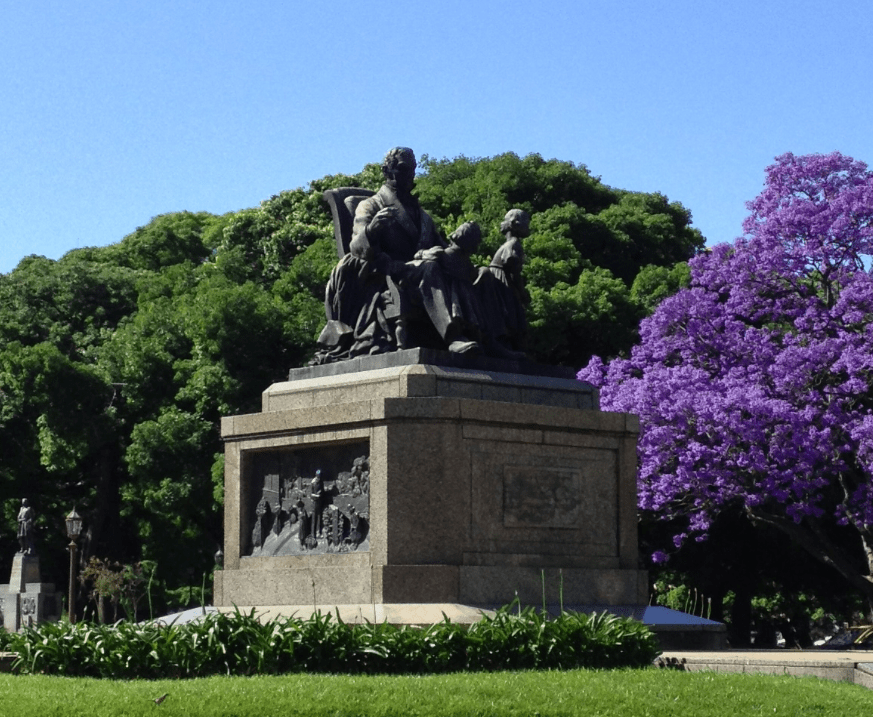
Plaza de San Martin

They can still be found there and throughout the capital, especially in and around Plaza de Mayo, Avenida Roque Saenz Peña and Plaza San Martin.

The English Tower in Buenos Aires

Legend has it that Jacarandás are associated with an Amazonian moon goddess. She symbolizes wisdom and ethics and the blossoms represent good fortune and rebirth. It is no wonder that the trees have become synonymous with the vibrant city of Buenos Aires.

My novel takes place in the Regency era of the Viceroyalty of Rio de la Plata, nearly 65 years prior to the dedication of the famous plaza in Palermo. In Celestial Persuasion, Miss Abigail Isaacs has her first glimpse of the beloved foliage as she approaches her new home in the province of Santa Fe.

A hedgerow of trees, striking in their billowing lilac color, marked the borders of the entire property.”

Of course, once Abigail arrives, she is not only drawn to the spectacular foliage. Curiosity wins out and she is compelled to ask…


As she followed Tati to the granary, she could not help but take notice of a particular fragrance. It was slightly pungent, a sweet scent that had a touch of earthiness. She looked about their surroundings, trying to isolate the origin of the distinct aroma.

“It is the jacarandá, madam.”

“Pardon me?”

“That musky fragrance—it comes from the jacarandá,” offered Tati, pointing to the lilac blossoms.

“I noticed them when we arrived,” replied Abigail. “In truth, one could hardly not take notice. They are quite striking. I cannot imagine what they must look like in full bloom. But pray forgive me, for their name is quite unfamiliar.”

“It is not a Spanish word, it is Guarani—as am I. And you are most astute, madam. The summer foliage is nothing to the blossoms in the spring. Their color changes depending on the sunlight. One moment they appear light blue and the next, they are like a vibrant amethyst.”

“You are a native of this land, then?”

“Yes, madam, but my ancestors were from a place farther north. My people settled here when my grandfather was still a child. I call this place home.” She paused as they came upon the granary. Taking hold of the ladder, she peered upward before turning to face her mistress.

“Madam, I am unable to assist you in this effort. Are you certain you can manage?”

Abigail laughed. “Dear Tati! My brother taught me how to climb trees when I was a young girl. And if you had seen me on the ship as we crossed the great Atlantic, you would not doubt me now! Lead the way, my girl!”

The women made quick work of ascending the ladder; and when Abigail crossed the threshold, she was overcome by the intoxicating scent of wheat that had been recently harvested and stored away. But they had not reached their destination yet. Tati led the way, climbing not one, but two other levels. Abigail had never doubted that her father had been a visionary. That he would have dreamed of living in such a place, surpassed her every imagining. The transformation of the granary into an astronomer’s observatory was incredible, to be sure. The vista was a luxury that surely even Caroline Herschel had not been afforded.

“I shall see every star shining in the night’s sky tonight!” Abigail exclaimed.

“You are truly arandu,” whispered Tati.

“Another word of the Guarani?”

The young woman nodded. “It means one who understands the message of the stars.”

Abigail smiled. “I fear I do not qualify, not yet at any rate. I am seeking to understand, but I am far from anything that would warrant such an accolade. Tell me, for I am curious to know more of your language, what does Tati signify?”

“My true name is Yasitata. My mother spent more than two days in travail before giving birth to me. It was only after she pleaded to the gods and made solemn oaths that I was finally delivered. There was a bright moon that night, causing the stars to shine down upon us. My name pays homage to Yasy, the moon goddess.”

“What a compelling tale. Your mother was a brave woman. No doubt you are as well.” Abigail paused and gave her next words some thought. “I feel that calling you Tati somehow diminishes your noble heritage.”

“Not at all, madam. It is a sobre nombre, a name given in the friendliest of terms. My mother is known as Estella, though her true name is Mbyja, which means “star.” We are quite content to be known by these mundane names, for it does not change how we are known amongst our wise men or our gods.”

They were interrupted by the sounds of the approaching men. The telescope, such as it was, had been mounted on a cart. They would bring up the various parts and assemble the instrument under Abigail’s watchful eye. She recognized the need for furnishings too late. She began creating a list in her mind of everything she would require in order to establish herself properly in her new laboratory. A long table, and a chair or two, would do to start. Naturally, she would require her books and writing materials. It was becoming quite an undertaking, but it would be well worth the effort in the end. Another thought came to her as the men scrambled down the ladders for another load.

“Tati, your people seem to have quite a relationship with the heavenly bodies. It would please me to learn your people’s stories and compare them with my own.”

“Do the English have different stories from those of the Spaniards?”

“I fear much of their wisdom, which stems from peoples of various nations, has been lost over the course of the years. Perhaps lost is not quite accurate. It has diminished or, at the very least, it has been transformed. And Tati, although I was born in England, I am a Jew. My people’s story varies greatly from my Anglican brothers and sisters.  Even our calendars are different, we mark the passage of time based on the cycles of the moon, not of the sun. Tomorrow night, we will celebrate the appearance of the new moon. The celebration of Rosh Chodesh ushers in a new month.”

“Then we have that in common, madam, though we call it Yasy Pyajhu. The concept of a calendar is new to my people, but we have always watched the heavens to understand the passage of time. Our wisemen know after twelve full moons have come and gone, the same climate cycle will return. In the month called June, Eichu appears on the eastern horizon as a great cluster of stars, and my people know that the rains will return. We have a grand celebration known as Arete Guazu in preparation for the planting season.”

“A great cluster of stars? In June, you say?” Abigail’s enthusiasm would not be denied. “But that must be what we call Pleiades. What more? Pray tell me more!”

Tati shrugged, uncertain what exactly to say. It was impossible to relate an entire culture with a few, simple anecdotes. Still, she wanted to please the new mistress who took notice of her and told her the names of the moon phases and the story of the Mborevi Rapee. “My ancestors tell the tale of a nocturnal animal, the tapir, who treads the same path between its den and its food source night after night. The tapir tramples on dry leaves as he treks back and forth. We, here on earth, can see his path as the light of the moon illuminates his tracks. You will surely see The Way of the Tapir this very night; and I promise, you will not require your tools to witness the sight.”

Abigail was astonished. “I thank you for sharing your ancestral wisdom, Tati. The Way of the Tapir must be what we call The Milky Way. And you are correct. I will not need my instruments, for I have witnessed the phenomenon with my own eyes. I have seen it on the ship that brought me here and I have seen it at home in Exeter. And I will gladly observe it from this very spot tonight. One never can tire of seeing God’s magnificent creation.”

“What magic is this? You have seen The Way of the Tapir from your family’s home?”

“It is not magic. It is the same sky, though I was in the north and we are now in the Southern Hemisphere. Our position on earth will change what we can see above, depending on the season and other variables…” Abigail paused and contemplated her words carefully. “Tati, it is not magic. I will teach you, if you wish to learn.”


I hope you have enjoyed this excerpt and the images I’ve shared. Stunning, aren’t they? I never tire of contemplating the majesty and mystery of nature. But did you know, that there wasn’t a word for “nature” in biblical Hebrew? Not being a theologian, I never gave it much thought. However, there has been an ongoing debate on the subject! Apparently, two medieval Jewish luminaries, Rabbi Yehudah ha-Levi and Maimonides, chimed in on the concept of a natural order and the word teva טבע was adopted into the Hebrew lexicon.

This Chabad site provided some interesting information; and so, I read on. Maimonides said, “G‑d is the eternal rock.” Another interpretation of this quote is “G‑d is the form of the world.” The idea was further developed by Rabbi Schneur Zalman of Liadi who taught that every creature, even a rock, has a soul. The soul of a rock, he explained, is the divine spark that brought it into existence in the first place. In retrospect, it appears, that we did have a Hebrew word for nature all along. It is a name of G‑d.

The post goes on to discuss the matter at length, but what are your thoughts on the subject? Let me know in the comments below.