New Post

In Honor of the 250th Anniversary of This Great Nation’s Independence: Let’s Discuss Jewish American Colonists

A candle to one is a candle to many ~ Talmud, Shabbos 23b

I am thrilled to share a first look at my new novel, Kindle the Light of Liberty, arriving on July 4, 2026! As we approach the 250th anniversary of this nation’s Independence, I wanted to write a tribute to the diverse, complex voices of the Revolutionary period—especially the Jewish colonists who fought for a home in the new Republic.

While my characters, Rose Wachsman and Nathan Hirsch, are definitely influenced by the sharp, social wit of Jane Austen, this story isn’t just about parlors and assemblies; it’s about the hidden sparks of rebellion carried by those whom history often overlooks.

Remarkable figures navigated quiet alliances and treacherous loyalties before and after 1776. People such as: Frances Sheftall, Mordecai Sheftall, Haym Solomon, Issac Franks, The Gratz Family, Abigail Minis, Gerhom Mendes Seixas, Jonas Phillips, Moses Michael Hayes, Solomon Bush, and many more! We often focus on the muskets and battles, but liberty was also won in the shadows by men and women of profound faith and courage.

I’ve called this an American Revolution Love Story. I suppose you can interpret that in different ways. There is a familiar Pride and Prejudice trope, certainly, but as Jane Austen wrote, “there are as many forms of love as there are moments in time.” I can think of a few: Love of Country. Love of Heritage. Love of Liberty. 

It is such an honor to celebrate these unsung patriots as we prepare for this massive milestone in our nation’s history! Please look for the book on Amazon this July!
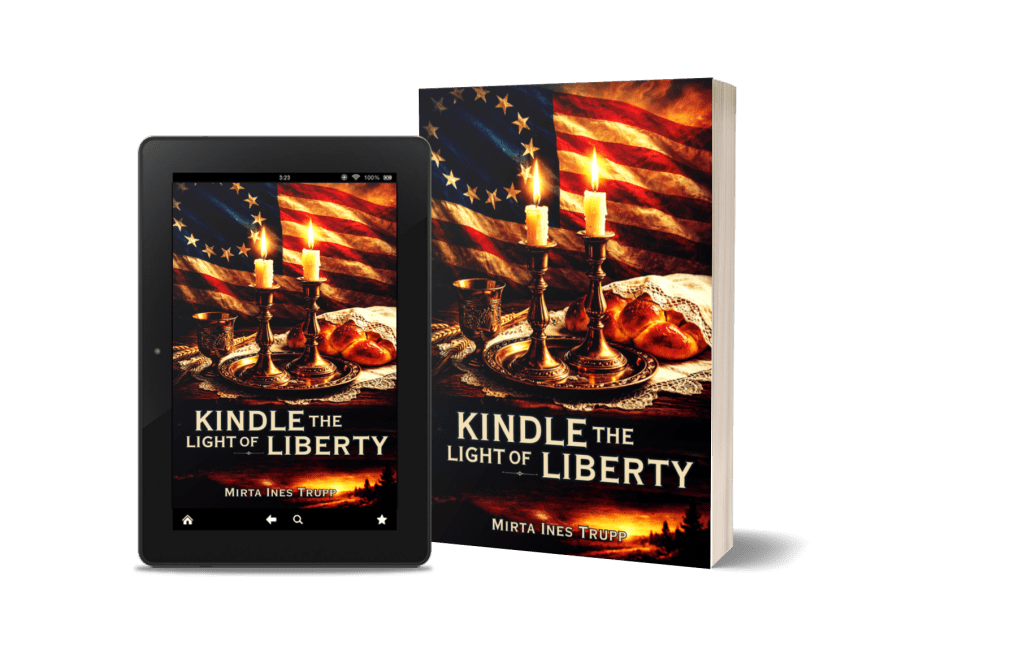
They had no voice. They held no power. Yet they helped decide the fate of a nation.

In the bustling streets of Philadelphia, Rose Wachsman has no time for the rigid expectations of her community—and even less for the infuriatingly reserved Nathan Hirsch.

She is a woman of the hearth, sharp-witted and fiercely loyal to the cause of liberty; he is a man of business and tradition, seemingly more concerned with ledgers than the fires of revolution.

But as the war moves from a tradesman’s chandlery to the parlors of the elite, Rose and Nathan find themselves forced into a dangerous game of intelligence and alliance. In a world that would rather forget their names, they must overcome their own prejudices to discover that their greatest adversary might be their only hope.

New Post

Going Down the Rabbit Hole~ In Pursuit of Jewish Austen Fan Fiction

Have there ever been two siblings more connected than the Austen sisters?

Their mother was known to have said, “If Cassandra were to have her head cut off, Jane would insist on sharing her same fate.

Rabbit Hole Number OneSisters…

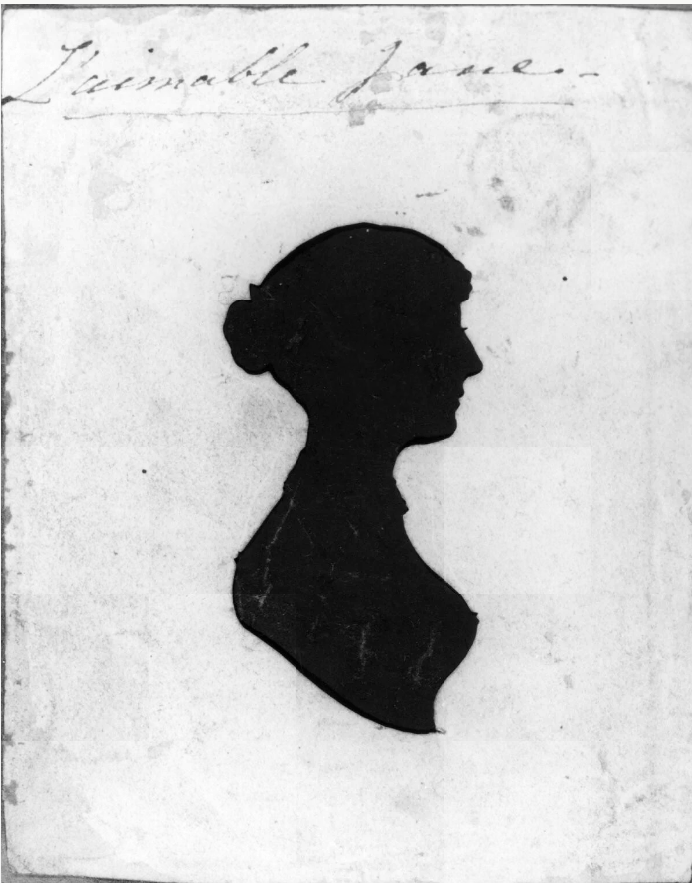
Cassandra Austen
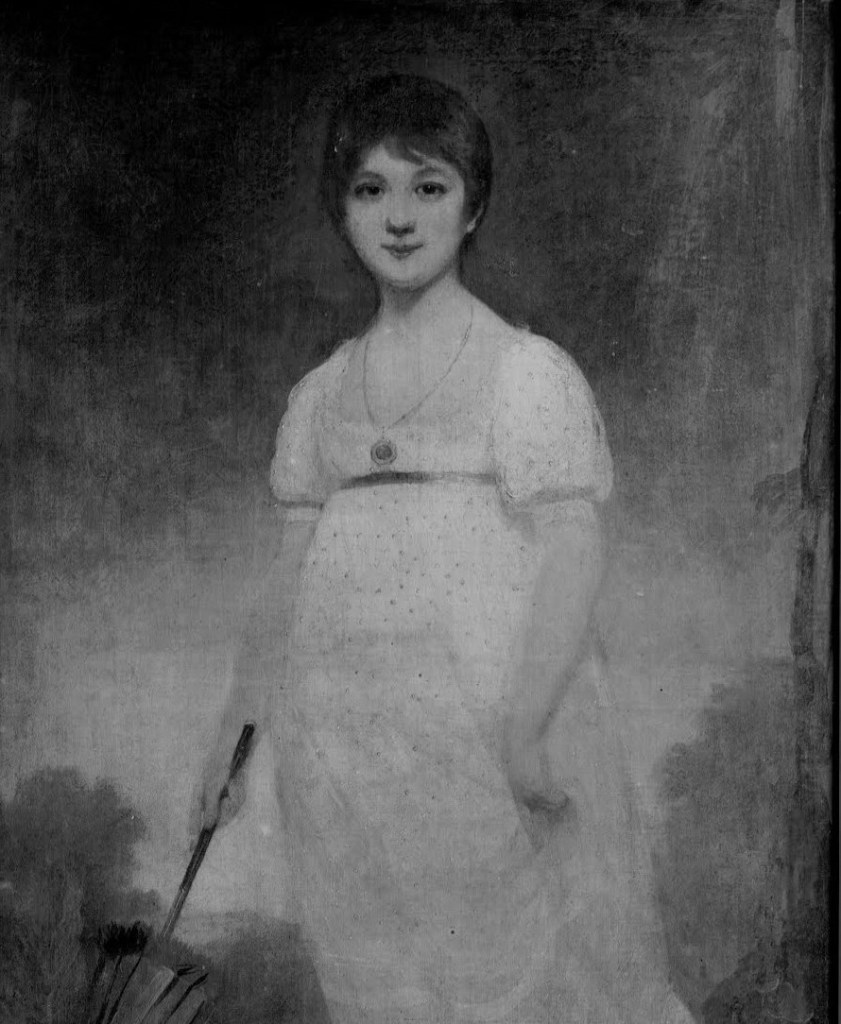
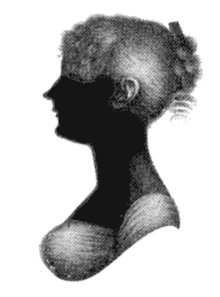
“Possibly” Jane Austen

I am forever delving into history books and Internet sites, going down the proverbial rabbit’s hole in search of enchanting stories of elegant ladies and gentlemen of days gone by…who just so happen to be of the Jewish faith.  I surround myself with Austen’s novels, Regency knickknacks, and Judaic memorabilia in the attempt to weave  something Austenesque with a touch of Yiddishkeit. I strive to become, in some small way, a soul sister to our beloved author.

Follow me, if you can, as I go through this process of finding commonality and concurrence.

Rabbit Hole Number Two:  What is a soul sister? An Internet search provided the following information: Soul sisters have a strong emotional bond with one another. They have common dreams and aspirations and share fundamental life philosophies— despite having no blood relation. 

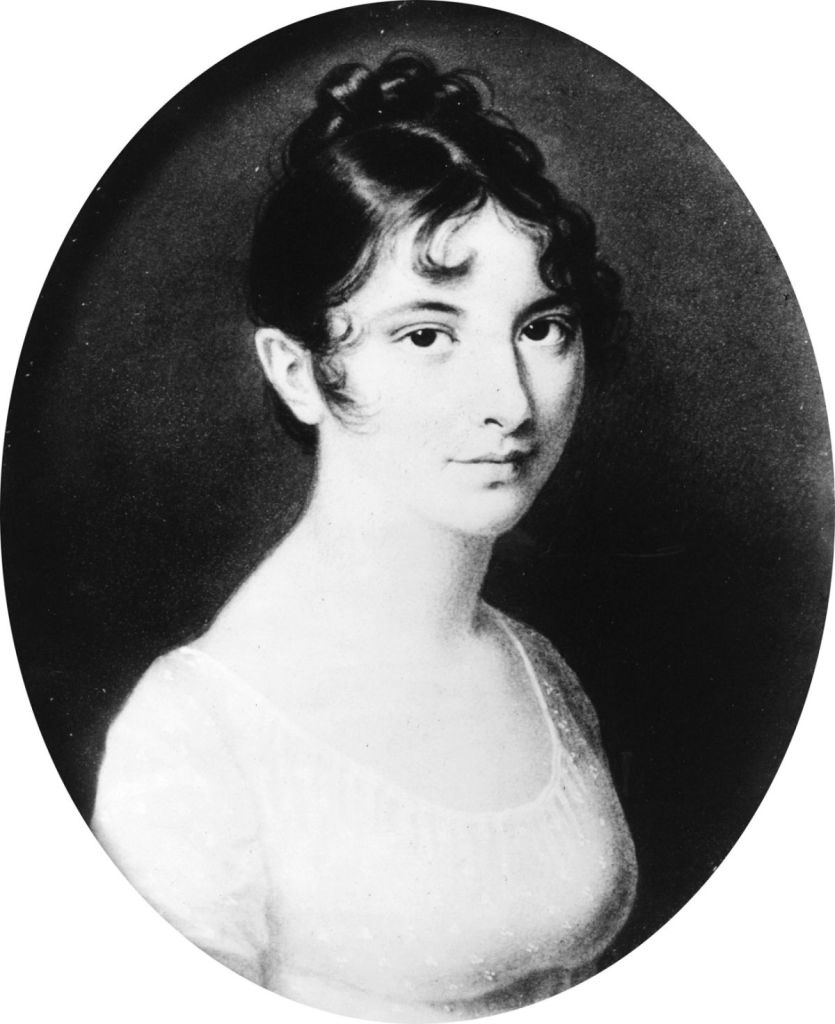
Rabbit Hole Number Three: Who could be considered Jane Austen’s soul sister? I looked for a contemporary— someone who might find herself featured in one of my J.A.F.F. stories. Someone who was like Jane in most every way, but one. After countless hours of research, and untold cups of tea, I found her: Rebecca Gratz.

Are you ready? Here we go…

  • Rebecca Gratz was born in Philadelphia, Pennsylvania, on March 4, 1781, a middle child among twelve children.
  • Jane Austen was born in Steventon, Hampshire, on December 16, 1775, the seventh of eight children.
  • Gratz, a fervent patriot the whole of her life, was accustomed to the highly political atmosphere of a post-revolutionary America. 
  • Austen, accustomed to having her country at war for most of her life, had three brothers serving in the navy and militia. 
  • Gratz abandoned her early poetry and put her literary talent to work supporting both women’s roles and Judaism in America.
  • Austen began her career as an epistolary novelist. Her work has been a lasting influence on British literature; her stories underscored the realities of women’s’ lives.
  • Well-educated for her day, Gratz attended women’s academies and read her father’s extensive library stocked with literature, histories, and popular science.
  • Austen attend schools for girls. She was, however, allowed to use “some of the same school books as the boys” and had “unfettered access” to her father’s library.
  • Rebecca Gratz fell deeply in love with Samuel Ewing, a non-Jewish lawyer and son of the provost of the University of Pennsylvania. Nothing came of it, however, possibly because intermarriage was one step she could not take. When he died decades later, Gratz visited the room where his body lay, leaving three white roses and her miniature on his heart. Gratz would argue that, from what she saw of marriage, it was a state that brought little happiness. “Better to wander alone through the neglected path of single life,” she wrote, “than with an ungenial companion.”
  • Jane Austen was twenty when she met Tom Lefroy, a young man studying to become a barrister. The Lefroy family intervened and separated the pair. She never saw him again; however, in a letter to her sister, Austen related that she had had tea with one of his relatives, “and wanted desperately to ask about him, but could not bring herself to raise the subject.” In 1814, Austen replied to her niece’s request for advice regarding a possible suitor. “Anything is to be preferred,” she said, “or endured rather than marrying without affection.”
  • Rebecca Gratz was a visionary. She became the founder of the American-style “Hebrew school” and developed the prototype for many women’s charitable organizations. She died on August 27, 1869 in Philadelphia, Pennsylvania and was buried at Mikveh Israel Cemetery. Shortly after, her brother, Hyman founded and financed Gratz College, a teachers’ college in Philadelphia in her memory.
  • Jane Austen was a visionary. Lauded as being the first woman to write great “comic” novels, she used humor to explore the individualism of women’s lives. Austen died on July 18, 1817. Her brother, Henry, saw to her burial at Winchester Cathedral. He arranged for the publication of Persuasion and Northanger Abbey and contributed a note, which for the first time, identified his sister as the author of the novels.

Rabbit Hole Number Four:     I put it to you. Are these two ladies, one Anglican and one Jew, not the very personification of soul sisters? Enquiring minds want to know!

Jane Austen- Rice Portrait
Rebecca Gratz

With love,