A candle to one is a candle to many ~ Talmud, Shabbos 23b
I am thrilled to share a first look at my new novel, Kindle the Light of Liberty, arriving on July 4, 2026! As we approach the 250th anniversary of this nation’s Independence, I wanted to write a tribute to the diverse, complex voices of the Revolutionary period—especially the Jewish colonists who fought for a home in the new Republic.
While my characters, Rose Wachsman and Nathan Hirsch, are definitely influenced by the sharp, social wit of Jane Austen, this story isn’t just about parlors and assemblies; it’s about the hidden sparks of rebellion carried by those whom history often overlooks.
Remarkable figures navigated quiet alliances and treacherous loyalties before and after 1776. People such as: Frances Sheftall, Mordecai Sheftall, Haym Solomon, Issac Franks, The Gratz Family, Abigail Minis, Gerhom Mendes Seixas, Jonas Phillips, Moses Michael Hayes, Solomon Bush, and many more! We often focus on the muskets and battles, but liberty was also won in the shadows by men and women of profound faith and courage.
I’ve called this an American Revolution Love Story. I suppose you can interpret that in different ways. There is a familiar Pride and Prejudice trope, certainly, but as Jane Austen wrote, “there are as many forms of love as there are moments in time.” I can think of a few: Love of Country. Love of Heritage. Love of Liberty.
It is such an honor to celebrate these unsung patriots as we prepare for this massive milestone in our nation’s history! Please look for the book on Amazon this July!
They had no voice. They held no power. Yet they helped decide the fate of a nation.
In the bustling streets of Philadelphia, Rose Wachsman has no time for the rigid expectations of her community—and even less for the infuriatingly reserved Nathan Hirsch.
She is a woman of the hearth, sharp-witted and fiercely loyal to the cause of liberty; he is a man of business and tradition, seemingly more concerned with ledgers than the fires of revolution.
But as the war moves from a tradesman’s chandlery to the parlors of the elite, Rose and Nathan find themselves forced into a dangerous game of intelligence and alliance. In a world that would rather forget their names, they must overcome their own prejudices to discover that their greatest adversary might be their only hope.
What’s a nice, Jewish girl to do when the vast majority of the population is snuggling by a roaring fire with Hallmark movies and Dickens’ classics? Well, I’ll tell you. If that nice, Jewish girl happens to write Jane Austen Fan Fiction, she may share a little bit of history on the Jewish Festival of Lights. She may also share a snippet or two from her novels to illustrate the true meaning of the season.
I’ll stop writing in the third person now…
I realize that we’re still in the fall season here in the northern hemisphere, and there are other holidays to commemorate before we head into the darkest part of the year. However, I felt that this post was well-timed as the Jewish community has been experiencing “the darkest part of the year” since the horrific events of October 7, 2023. To date, we are still waiting for all of our hostages to be returned.
In just a few weeks’ time, we will begin preparing our latkes and sufgenyiot for our holiday meals. Dreidels and coins will decorate our tables too. The battles that were won, the significance of the dreidels and coins, the reasons why we eat fried foods—or, even dairy—are all well documented; you can read more about it here.
A Great Miracle Happened There!
Chanukah tells the tale of an impossible victory over the mighty Greek army in the 2nd century. This was a true, historical event—a terrestrial miracle that serves as reminder that Jerusalem and the Temple were lost and recovered due to the Maccabean revolt against tyranny and forced assimilation.
The second miracle of the holiday, however, is not so tangible. It is the story of how a small vial of sanctified oil was able to keep the Temple’s menorah lit for eight days and nights. The flames of the chanukkiah (the Chanukah menorah) speak to faith (emunah) and trust (bitachon). In celebrating this holiday, we are encouraged to emulate these characteristics, even when the world is enveloped in darkness—even when we are heartbroken and our spirits are brought low. As an author of Jane Austen Fan Fiction (J.A.F.F.), I wanted to highlight these themes, and show how I have attempted to underscore their importance in my J.A.F.F. or Jewish Austen Fan Fiction.
חג חנוכה שמח
The Hebrew greeting noted above is transliterated as Chag Chanukah Sameach, which means Happy Chanukah Holiday. No doubt, you have seen many different spellings of Chanukah, Hanukkah, even Januca—as it is written in Spanish. While many people call it a minor holiday—it’s not included in the Torah (the Five Books of Moses a.k.a. Pentateuch)—it has been commemorated by Jews for centuries… even in Jane Austen’s time.
On November 5, 1817, just prior to the holiday season in Regency England, tragedy struck. Princess Charlotte, the Prince Regent’s daughter, and heiress-presumptive to the throne, died after giving birth to a still-born son. The whole of the empire had been following this pregnancy; Charlotte was a favorite amongst the British people and her marriage to Prince Leopold of Saxe-Coburg-Gotha had been a love match. The public were besotted by their fairy-tale union and by what the couple’s future foretold; however, Charlotte’s death at the age of twenty-one threw a stunned nation into deep mourning.
The outpour of grief for the young woman and her child was said to be unprecedented. Mourning protocols were highly respected during this period of time. Needless to say, when the deceased was a member of the royal family, and a favorite at that, the public were united in their sorrow.
“It really was as though every household throughout Great Britain had lost a favourite child.” ~ Henry Brougham
The Royal Exchange, the Law Courts, merchants, tradesmen, and schools closed down. There was a shortage of black cloth, as everyone wished to show their respect by wearing mourning armbands. Jane Austen and her family would have participated in these rituals. Naturally, the Jewish community aligned themselves with their compatriots.
Per the Gregorian calendar, November 19, 1817 correlated to the Hebrew date of the 10th of Kislev, 5578. Prior to the tragic news, Jewish congregations throughout the land would have been planning for the upcoming Festival of Lights; Chanukah falls on the 25th of Kislev. However, all such preparations came to a halt upon receiving the sorrowful news.
On November 19th, a memorial service was organized for “prayer and psalms for the day of grief” in the Great Synagogue, St. James’s Place. Congregants were allowed to “pour out their complaint before the Lord, on the day of burial of H.R.H. the Princess Charlotte.”
Hyman Hurwitz, the head master of a “fashionable” Jewish school at Highgate, composed Mourn the Bright Rose: A Hebrew Dirge and it was chanted to the tune of a well-known composition, typically recited on the Ninth of Av—a tragic and solemn occasion on the Hebrew calendar.
Rabbi Tobias Goodman, known amongst his congregation as Reb Tuvya, spoke on “the universally regretted death of the most illustrious Princess Charlotte of Wales and Saxe-Coburg.” Rabbi Goodman quoted Ecclesiastes in saying, “A good name is better than precious ointment, and the day of death than the day of one’s birth. It is better to go to the house of mourning than to the house of feasting, for that is the end of all men; and the living will lay it to his heart.”
I don’t know what followed. Perhaps the rabbi repeated the time-honored phrase, “Od lo avda tikvatienu,” (our hope is not extinguished) capturing the essence of Chanukah. He might have referenced Joseph and his brothers in Egypt, by saying: “Praiseworthy is he who places his faith in God” and “Remember I was with you.” Whatever else was said that day, I can only imagine the congregation went home with words of consolation and hope.
Jane Austen said, “My characters shall have, after a little trouble, all that they desire.” That speaks to her genius, of course. As in any book, there needs to be an arc to the storyline. There needs to be growth. The heroine must face her fears and rise above the obstacles placed in her path.
Of all my books, I think The Meyersons of Meryton highlights the Chanukah message best. In this story, due to a variety of unforeseen circumstances, Mrs. Meyerson—the rabbi’s wife—and Mrs. Bennet find themselves much in one another’s company. Miss Catherine Bennet (Kitty, as we know her) has endeared herself to the rebbetzin and her young daughter, Rachel. In a rather poignant moment, Kitty makes an emotive declaration and both Mrs. Meyerson and Mrs. Bennet are moved—most profoundly.
The passage below is a snippet of the final chapter, where Mr. and Mrs. Bennet have an interesting exchange.
An Excerpt from The Meyersons of Meryton…
When the happy couples at length were seen off and the last of the party had departed Longbourn, Mr. and Mrs. Bennet were found in the dining room quite alone, sharing the last bit of port between them.
“What shall we do now, Mrs. Bennet, with three daughters married?”
Surprised at being asked her opinion, Mrs. Bennet gave the question some thought before replying. “I suppose we have earned a respite, husband. Let us see what Life has in store for us.”
“No rest for the weary, my dear, for soon Mary will leave us and then Kitty. We shall have to make arrangements for the inevitable. Perhaps you shall live with one of the girls when I am gone and Mr. Collins inherits the place.”
“Mr. Bennet,” she giggled, “you should have more bitachon.”
“I beg your pardon?”
Perhaps it was the port, or perhaps it was pure exhaustion, but Mrs. Bennet found she had no scruple in sharing the entire tale of Chanukah with her most astonished husband. “Pray Mr. Bennet,” she finally concluded, “what was the true miracle of this holiday?”
“The logical answer,” he replied dryly, “would point to the miracle of such a small group of men overcoming a fierce and mighty army.”
“No, that is not it.” She giggled, as a hiccup escaped her lips.
“Well then,” he sighed, “the esoteric answer would point to the miracle of the oil lasting eight nights.”
“No, Mr. Bennet. Again, you are incorrect.”
“Pray tell me, wife, what then was the miracle, for I can see that you may burst with anticipation for the sharing of it!”
“The miracle, sir, was that they had bitachon. I do hope I am pronouncing correctly. At any rate, it means trust. They knew they only had one vial of sacred oil and had no means to create more. They lit the candle and left the rest up to the Almighty. And that is exactly what we should do in our current circumstance.”
“My dear, it is a lovely tale and I am certain that it has inspired many generations before us and will inspire many generations after we are long gone, but it does not change the fact that Mr. Collins is to inherit Longbourn…”
“Longbourn is entailed to Mr. Collins if we do not produce a son.”
“Yes, and well you know that we have produced five daughters, although you are as handsome as any of them, Mrs. Bennet. A stranger might believe I am the father of six!” he said with sincere admiration.
“You flatter me, Mr. Bennet. I certainly have had my share of beauty, but I wish to say…”
“You were but a child when we wed,” he waved her silent, “not much more than Lydia’s age, if I recall. But, my dear, that is neither here or there, for in all this time a son has not been produced and there’s nary a thing to do for it!”
“Mr. Bennet, there is something I have been meaning to tell you. That is, if you could spare a moment of your time—or does your library call you away?”
His wife’s anxious smile made him feel quite the blackguard. Had he not made a promise in Brighton? Did he not vow he would change his ways? Mr. Bennet decided it was high time he put the good rabbi’s advice into practice. Bowing low, he replied, “Madam, I am your humble servant.”
Happier words had never been spoken.
No matter which holiday you celebrate this December, whether the lights of your chanukkiah or the lights of your Christmas tree shine brightly against the dark, wintery nights, I hope your home and your hearts are blessed with peace.
In “The Jews of Donwell Abbey: An Emma Vagary,” the spot light is on Miss Harriet Smith. As stated—so succinctly, I might add—by Mr. Knightley in the original novel, she is the “natural daughter of nobody knows whom.” Austen’s famed protagonist and resident know-it-all, Miss Emma Woodhouse, assumes she knows her prodigy’s genealogy; however, as the story unfolds, her imagination does not serve her well. Yes, I will say it: Miss Woodhouse is rather clueless. More to the point—and the reason for this post—Mr. Knightley’s admonishment provided enough encouragement to write my own version of Austen’s “Emma.”
No, that’s not quite right. I wasn’t encouraged. I was provoked!
In my previous post, I referenced Hansel and Gretel from the famed Grimm’s fairy tale. We all remember how these youngsters left a trail of bread crumbs, hoping others would follow. Whether or not Austen meant to tease future authors of fan fiction with a few suggestions, or hints, is irrelevant. I relished the opportunity to gather said crumbs and gently fold them into a new version, one that incorporated a Jewish storyline. It was a natural progression for me, but I understand that some readers might question the legitimacy of such a plot. They may ask if the Jewish population in Regency England could merit such diversity and inclusion in an Austenesque novel.
The answers were waiting for me as I tumbled down the rabbit hole…
Sometime around 1690—when exiled Jews were allowed to return to England— a synagogue for the Ashkenazi community was constructed in London. At the time, it was known as Duke’s Place Synagogue, and was probably one of the earliest of its kind.
Six or seven years later, additional land was acquired for the establishment of a Jewish cemetery. By 1722, the congregation had outgrown the original structure and a new building was consecrated, thanks mostly to the philanthropy of Moses Hart. Some six decades later, between 1788 and 1790, with the influx of Eastern European immigrants, the Great Synagogue of London was redesigned in order to accommodate its growing numbers. The principal donor, this time, was Judith Levy, daughter of Moses Hart.
Of course, there were other Jewish communities outside of London. Synagogues, schools, and cemeteries could be found in Cornwall, Dover, Exeter, Plymouth, Ramsgate, and Sussex to name just a few. Prayer boards were typically paced in the entryways of these sacred spaces, the ancient words were made readily available for all who wished to pray on behalf of the royal family.
A Society for Visiting the Sick was established sometime around 1722, as well as A Society for the Cure of the Soul (Hebrath Refuath haNephesh). There was as an Orphan Aid Society (Hebrath Gidul Yethomim) and a society for “dowering poor brides.” Another group helped the destitute with clothing and other provisions, and a Society for Ransoming Captives (Hebrath Pidion Shevuyim) was created to “help those reduced to slavery by the barbarous customs of Mediterranean or Muscovite warfare.”
Such institutions had always formed an important part of the Jewish community, but as Anglo-Jews strove to assimilate, and be accepted in English society, it became evident that something else had to be done in order to retain—and to motivate—the community to remain religiously observant. In 1789, David Levi published a new daily prayer book (a siddur), the first publication of Hebrew liturgy with English translation.
Therefore, the answer to the posited question is: Yes! There was sufficient numbers of Jews to merit a Jewish storyline in an Austenesque novel—if, indeed, one actually needs to rationalize or justify the need for a Jewish storyline, but I digress.
Credit: Pinterest
In fact, the Jewish population of England was over 18,000 by the time Austen introduced her readers to Miss Emma Woodhouse and friends in 1815. By 1880, the number soared to over 60,000! While a normal person might be satisfied with that level of research, I’m here to tell you that my quest was not yet complete.
My ancestors left Imperial Russia somewhere in between 1899 and 1910. They immigrated to Argentina. During that same time period, Ellis Island was receiving wave after wave of immigrants from all across Eastern Europe. But what was going on over in Western Europe, and how could I use those events to get my fictional character, Doctor Yosef Martsinkovsky, to Surrey, England?
Austen fans are sure to know about The Napoleonic Wars, which lasted from 1803-1815. These conflicts had monumental ramifications throughout Europe at large, but the timeframe didn’t coincide with my story. I needed something of similar magnitude; and so, I followed the trail through the rabbit hole once again…
The Seven Years’ War was an attempt to prove dominance. The “usual players” involved included: Prussia, Hanover (a separate state at the time) and Britain battling against Austria, France, Spain and Imperial Russia.
The conflict raged on from 1756-1763, at the same time the British colonies in North America were making their voices heard.
Over in Prussia, Frederick the Great was busy…being notthat great. His “Revised General Privilege” doctrine of 1750 allowed for the exploitation of successful Prussian Jews and the persecution of all others. In many instances, the population was worse off than their contemporizes in other lands; and, now — whether facing danger on the battlefield or facing danger at home—these Jewish communities were at the point of extinction.
The Seven Years’ War is often referred to as the first true world war. Upon its conclusion, and after all the treaties were signed, the world was a different place. Taking advantage of the First Partition of Poland in 1772, Frederick the Great expelled thousands of Jews from their homeland. This research, by the way, not only helped draft my outline, but also corroborates my family’s understanding of how our Trupp ancestors migrated from Lithuania to Ukraine. Again…I digress.
Having resolved two points that needed substantiating, I was ready to move on. Please take a moment to enjoy the excerpt below, where Mr. Knightly addresses the party at Hartfield and introduces Doctor Martsinkovsky to one and all.
Mr. Knightley began to pace, attracting the company’s full attention. “My father, the Colonel,” he declared, “owed his life to Doctor Martsinkovsky.”
“You have the right of it, good sir!” cried Mr. Woodhouse.
“Oh, dear! I do hope you will spare us some of the details, Mr. Knightley,” cried Miss Bates. “Pray remember we have yet to dine. Is that not right, Mama?” she said, patting her matriarch’s wrinkled hand. “Would that you could save the details for when you and the other gentlemen are enjoying your port and cigars. We are rather delicate, are we not Mama, and do not wish to hear that which might ruin our appetite.”
Mr. Knightley did not offer a reply, though he did perform a curt bow. Harriet felt a great story was about to unfold as the gentleman began his discourse, inviting one and all to recall the summer of ‘57.
He asked the party to recall how great armies had been on the move, not only on the continent but across the ocean in the Americas. Complex strategies had moved the King’s men like chess pieces upon a checkered board. Mr. Knightley reminded those old enough to remember how Austria united itself with France and how Frederick II, in turn, aligned his kingdom with the English Crown.
“And with that, Prussia’s invasion of Saxony brought the leading nations of Europe to war,” said Mr. Knightley. “Frederick not only required English funds to support his campaign, he required English troops.”
“How could anyone of us forget, sir?” asked Mr. Weston. “Only think of the men we lost—just in this parish alone—I will never forgive the king’s own son for causing so much pain. The coward!”
“Do allow Mr. Knightley to continue, dearest,” said Mrs. Weston, laying a soothing hand upon her husband.
“It is true; the Duke of Cumberland was sent to command the Hanoverian Army. His regiment, the 1st Battalion of Grenadiers, included my father. The Grenadiers were sent to support the Hanoverians—nearly 40,000 strong—to prevent French troops from crossing the Weser River. My father proposed that men be strategically placed to defend the Rhine; however, the duke rejected the plan!” Mr. Knightley’s fist came crashing down upon a side table. “This miscalculation cost them the day and much more.”
“Mr. Knightley, you are not yourself,” said Miss Woodhouse. “I insist you sit down and have a cup of my father’s good wine. If you need to hear my capitulation, sir, here it is: I surrender! There is no need to continue in this manner—all to explain how a foreigner of no consequence came to live among us.”
“Emma, my dear!” cried Mrs. Weston. “That is badly done!”
“How do I offend, Mrs. Weston? As hostess, is it not my duty to see to my guests’ comfort? Why spoil Serle’s dinner with all this talk of war?”
“I fear Harriet has asked one too many questions,” Mrs. Goddard supplied. “Perhaps it would be best, dear, to refrain from posing another.”
“Not at all, Mrs. Goddard; however, in the interest of time, I will endeavor to measure my words and bring closure to the tale,” Mr. Knightley said and bowed to Miss Woodhouse. “The Duke of Cumberland’s hapless orders did indeed lose the battle at Hastenbeck. His retreat, as Mr. Weston intimated, was a matter of shame and needless casualties—among the wounded, of course, was my father.”
“Were his injuries severe, sir?” Harriet asked, unwittingly prolonging Miss Woodhouse’s vexation.
“To be sure, it never fails to astonish how my father survived that day, shattered and beaten as he was.”
“It was all due to the good doctor,” cried Mr. Woodhouse. “I may be in my dotage, but I know what I have seen and the healing I have personally experienced by that man’s hand.”
“Now, Papa, there is no need—”
“Miss Smith,” Mr. Woodhouse continued, “if only I could make you understand the consideration given to cleanliness—the rituals observed by his people. Tell them, Mr. Knightley! Tell them, for my proclivities must always appear foolish to one and all.”
“Oh no, sir!” cried Miss Bates. “That we cannot allow! Is that not so, Mama?” She enunciated loudly into her mother’s ear, though the lady was beside her. “Mr. Woodhouse says he is foolish. Such condemnation of a gentleman we hold in high esteem—why the idea…no! Never that!”
The gentleman waited until the lady had done. Harriet could only admire Mr. Knightley’s patience and solicitude, knowing that the party intended to hear the full of the story and that the gentleman was inclined to comply. In an effort to acknowledge Miss Bates’ protest, Mr. Knightley offered her a brief smile before continuing with his explanation.
“Thanks must be given to the good men who carried their injured to the nearest military outpost, marching across blackened fields littered with the remnants of the battle. When my father awoke, he found himself being prepared for the surgical theatre, such as it was. He noted a surgeon washing his hands as he moved from one patient to the next. The Prussians mocked the man, making gestures and smirking behind his back as he approached my father’s gurney. He, in fact, was not a surgeon, as my father surmised. Yosef Martsinkovsky introduced himself as the physician assigned to the British troops. The Prussians preferred to be attended by their own kind.”
“I do not understand, sir,” said Harriet. “Was he not Prussian, himself?”
“Indeed,” replied Mr. Knightley, glaring at Miss Woodhouse. “He was Prussian by birth; however, the doctor was considered a foreigner because he was an Israelite in faith.”
Read more about the good doctor, Miss Woodhouse, and Miss Smith in, “The Jews of Donwell Abbey: An Emma Vagary.” Get your copy here!
In The Jews of Donwell Abbey: An Emma Vagary, I weave a unique backstory into Jane Austen’s novel and allow Miss Harriet Smith to come to the forefront. Austen gives us a glimpse at this secondary character, this “natural daughter of nobody knows whom.” Readers must form their own conclusions—until the very end, when Austen provides a sentence or two in an attempt to wrap things up. But does she attempt to satisfy our curiosity—or does she mean to tease? In the famous Grimm’s fairy tale, Hansel and Gretel drop crumbs along their trail, leaving a path for others to follow. Can you guess where I’m going with this? Naturally, I had to follow the crumbs Austen left behind. There was another story to tell—I was sure of it—one with new characters and a Jewish storyline.
Austen provides a scenario in “Emma” that set my creative wheels in motion. I don’t want to reveal too much; but, for those of you who have read the original novel, the chapter that sends Mr. Elton off to London with Miss Smith’s portrait in hand provided my first crumb. A plot unfolded easily enough in my mind. The challenge was to ensure that historical events matched Austen’s timeline. You see, in other novels, I’ve used my own family’s immigrant experience to authenticate my protagonist’s journey. However, the exodus from Imperial Russia did not coincide with the Jewish population in Regency England. I had to look elsewhere. The timeframe allowed for a population of a majority of Sephardic Jews and a smattering of Ashkenazim of German descent.
This second crumb sent me whirling further down the rabbit hole until the Weiss family was created and I placed them in London. They were an immigrant family; their original home, I decided, was in the Judengassin—the Jewish ghetto in Frankfurt. I had to find the impetus for their migration, something catastrophic that opened the ghetto gates and allowed for their freedom. And here is the conundrum that all authors face. A plot is conceived, the players are named, but the story cries out for historical accuracy. It may only be a few sentences; but, as any author will tell you, that sense of time and place requires hours and hours of research. And that was precisely what happened to me.
Without batting an eye, I could tell you about the Jewish Colonization Association and the immigration from Imperial Russia to Argentina. I could describe the lives of Jewish gauchos or the “cuentaniks” of Buenos Aires. What I can’t—or couldn’t—do is explain how immigrants fleeing Germany’s infamous Judengasse (Jewish Street) found their way into an Austenesque novel.
In Heinrich Heine’s book, “The Rabbi of Bacherach,” the narrative unfolds in the 15th century where Kaiser Friedrich III and Pope Pius II demand that twenty Jewish families be removed from their homes and resettled in the Judengasse. By the year 1500, approximately 100 people live in the area nicknamed, “The New Egypt.” One hundred people in 14 houses. By 1600, there were 3,000 people living in 197 houses, wooden structures that were crammed together, story upon story until they blocked out the sun, reduced air flow, and created hazards that resulted in massive fires—three of historic consequence in 1711, 1721, and 1774.
Rabbi Naphtali Cohen
Rabbi Naphtali Cohen was called to Frankfurt am Main after his house was destroyed on January 14, 1711. Summoned to testify before the court, it was noted that the fire consumed the entire Jewish ghetto, but the rabbi—known for his Kabbalistic practice—had had the audacity to survive. Not only did he survive, the kabbalist was accused of “preventing the extinguishing of the fire by ordinary means.” The rabbi was accused of witchcraft and summarily thrown into prison. He was set free by renouncing his title and practice.
Juda Low Baruch, otherwise known as the poet, Ludwig Borne, lived in the ghetto during the late 1700s. His memories are bleak, to say the least. “The highly celebrated light of the eighteenth century has not yet been able to penetrate [the Judengasse].” His writings expressed disgust, anger, despair—futility. “If one were to consider play in childhood as the model for the reality of life, then the cradle of these children must be the grave of every encouragement, every exuberance, every friendship, every joy in life. Are you afraid that these towering houses will collapse over us? O fear nothing! They are thoroughly reinforced, the cages of clipped birds, resting on the cornerstone of eternal ill-will, well walled up by the industrious hands of greed, and mortared with the sweat of tortured slaves. Do not hesitate. They stand firm and will never fall.”
Adolf von Knigge, a German author, blamed the horrific living conditions on his Christian brethren. In his work entitled, “The Story of My Life”, he reminds his audience that these Jewish families were once “craftsmen, wine-growers and gardeners.” They once lived freely and contributed to society; however, “ecclesiastical ordinances” reduced them to peddling and to “practices of usury.” The very people who condemned this once-proud society to live in squalor, were the first to criticize and ridicule. For Knigge, these actions were the very antithesis of an enlightened society. His work was known to speak out against “aristocratic courtly culture as [being] superficial, immoderate, and wholly lacking in inner values.”
In his novel, “Labyrinth,” Jens Baggesen describes the inhuman living conditions he witnessed in the Judengassin of Frankfurt. This Danish-German author advocated for German Jews, locked behind ghetto gates night after night, not to mention Sundays and on all Christian holidays. How could an enlightened society allow such a thing? They were denied the pleasure of open air, of walks in the parks and plazas. They couldn’t patronize restaurants or coffee shops, or “walk more than two abreast in the street.” Baggesen leant his voice to the growing movement for civil rights and Jewish emancipation.
Many people have heard the name Rothschild. Mayer Amschel Rothschild and his descendants are very likely the most famous people to have lived in the Judengasse. Their surname evokes images of great wealth and power. For some, the name inspires thoughts of moxie and resourcefulness. For others, it inspires thoughts of greed and manipulation. What is the truth?
By 1560, Mayer’s ancestor, Isak, was confined to living in the ghetto. It was common for residents to be known by their address, so the family surname was most likely taken from the red shield (zum roten schild) that hung at their front door. Isak and his family were known to be pious and relatively successful cloth merchants. By the time Isak died in 1585, he had accumulated an income of 2,700 gulden. His great grandson, Kalman, had an income more than twice as large, and his son, Moses—Mayer Amschel’s grandfather—continued to prosper by not only dealing with silks and other costly materials, but with rare and foreign coins. This was not an unusual practice; Frankfurt was centrally located and was popular with businessmen from various neighboring towns and countries—not to mention noblemen and politicians.
Mayer’s father, successful merchant and patriarch, continued to live in a modest home with his family. It had been designed to suit their business needs, with an office on the ground floor, a kitchen on the first floor, and bedrooms on the top level. Mayer was allowed to attend rabbinical school at Furth, although he later was known to have said that he “only studied his religion in order to be a good Jew.” When both his parents succumbed to an unknown, but inevitable, epidemic that attacked ghetto inhabitants, Mayer’s studies came to end. He returned home for a brief time, before being sent to Hanover to apprentice with his father’s associate, Wolf Jakob Oppenheim.
Mayer was just twelve years of age when his journey into the privileged and elite world began. He learned what it meant to be a “court Jew,” garnering knowledge from Oppenheim’s family, court agents to the Austrian Emperor and the Bishop of Cologne. He learned how to work with aristocrats who were always in the business of buying and selling rare coins, jewels, and medals. In this manner, Mayer returned to Frankfurt, somewhere around 1764, a prosperous and renown businessman. In 1769, he was granted the title of court agent. In August of 1770, at the age of twenty-six, he married his beloved, Gutle, the sixteen-year-old daughter of Wolf Salomon Schnapper, court agent to the Prince of Saxe-Meiningen. All this success, and yet, he and his wife were confined to the ghetto.
Gutle Rothschild
Mayer and Gutle went on to have a large family; nineteen children were born, ten survived. While Gutle managed home and hearth, Mayer continued to grow more prosperous. By the mid-1780s, the Rothschilds had accumulated approximately 150,000 gulden and were able to move into a new home—substantially larger, yet still behind the ghetto gates. The new house, known as “the green shield” (zum grunen schild—they didn’t change their name at this point), was approximately fourteen feet wide. The rooms were narrow and cramped. The children all slept together in the attic. Still, it was considered to be a desirable residence. It had its own water pump! The lavatory was outside in a small courtyard. From these humble beginnings, a powerful and philanthropic family emerged.
Rothschild Coat of Arms 1817
To this day, the Rothschilds are criticized, judged, and maligned. Everyone has an opinion on their legacy. Perhaps, like Rabbi Naphtali Cohen, it would have been better if they had succumbed to their wretched circumstances. Perhaps they should have had the decency to fail miserably. Perhaps it is envy that is behind the contempt for the Jew.
The antisemitism we are living today does not differ much from what we have seen in the past. But that’s why understanding our own history, even in the form of “light” historical fiction or so-called, “Chick Lit” is vital. The past may reveal many injustices, but it also reveals our courage and our determination to survive—and to thrive.
Dignity is a powerful thing. We shall use it to break through the walls of the ghetto and set ourselves free.” – Sara Aharoni
I set out to show you how one simple thought can lead to hours and hours of research. And that, I have done.
I needed to piece together the whys and wherefores in order to bring my fictional Weiss family to London, England. And that, I have done.
I didn’t realize that this post was going to end up being some sort of call to arms. If I have encouraged you to be proud of your heritage, to advocate for justice, to look to your non-Jewish friends for support, to fulfill your dreams and destiny; then, I am glad to say: that I have done! I suppose that’s what happens when you follow one little crumb.
That being said, the original point of this post was to show how all. that. research. led to this short excerpt. I hope you enjoy!
It was September 1794. Hannah Weiss, a young woman who had not yet reached her majority and had no real knowledge of the world beyond the four corners that united her neighborhood, believed herself to be in love with Yaacov Kupperman.
Left quite unrestrained by parents who were otherwise engaged in rebuilding their lives in a foreign land, Hannah and Yaacov’s childhood friendship blossomed. They shared the love of the written word and the love of adventure. Stolen moments were spent sharing tidbits of knowledge, whether acquired from the streets teeming with intriguing activity or from passages within a tattered book. Whispered promises and fanciful dreams became woven into their very existence. It seemed so natural a thing. They spoke of their future lives with the same assurance that their mothers would bake sweet challah for the Sabbath and their fathers would sleep through the rabbi’s sermon the following day. It was inevitable. It was bashert—it was meant to be.
On a cool, temperate evening, unencumbered by chaperones or naysayers alike, the besotted pair anticipated their wedding vows. Yaacov murmured his pledge to be Hannah’s knight in shining armor, such as the men from days of yore. He vowed to protect her, to provide for her. There would be no more talk of the Judengasse, of poverty, or fear. They were English now, and their lives would be the stuff of fairytales.
“You will speak with my papa?” Hannah whispered. “You will come by us for Shabbes?”
Yaacov gently tugged on a golden curl. “Do not speak in that foreign manner, my sweet one. Instead, you should say: Will you come to our house for the Sabbath? We are native Londoners, even if our parents were born in Frankfurt. Let us not speak as if we were still in the ghetto.”
“You would admonish me now?” she bristled. “After we—after just—”
“You are such a little girl! See how you blush!” Bringing her closer, Yaacov whispered, “Never fear, my dear heart. I will speak with your papa and should be pleased to share the Sabbath meal with your family. How else will I earn my mother-in-law’s favor?”
Hannah smiled at his teasing but persisted with her train of thought. “What of your papa? Oughtn’t you speak with him first? Perhaps now, you may become his partner!”
“Perhaps,” he chuckled. “My father certainly has high hopes for the family business. I will speak with him on the morrow after he has broken his fast. Rest assured, my love. We shall be wed before Chanukah.”
Later that evening, Hannah peeked out her window and gazed into the heavens. She sent up a prayer asking for forgiveness. She was not so ill-bred that her earlier actions did not cause her some shame. Perhaps they ought to have waited until after the words had been spoken—after they had stood under the wedding canopy and the rituals had been commemorated.
I shall be married soon enough, and all will be well!
Hannah murmured another grateful prayer, for her dreams would soon be fulfilled. By December, she would recite the blessings over the chanukkiah, the precious heirloom that had been in the family for generations. It would soon be passed on to the newest bride.
September went by in a flurry. October and November, although bathed in vibrant hues of red and gold, foreshadowed the bitterness that was yet to come. Hannah could not take pleasure in the riot of colors that fell upon the city, not when her eyes were clouded with remorse. Yaacov had not come for Shabbes that Friday evening. Indeed, he had not been seen for many months past.
Hannah considered asking for him at synagogue after services or when she encountered Mrs. Kupperman at the butcher, but the unspoken words stayed upon her lips. How would she respond if they questioned her? It was not becoming for a young, unmarried girl to ask after a young man, even if they had been friends and neighbors throughout their youth. People were certain to talk. To be sure, in this matter, there was no distinction between the ghetto of Frankfurt and the streets of London.
Today’s the day! I had planned for a different release date, but KDP (the publishing house for Amazon) works in mysterious ways…who am I to argue with their algorithms and stratagems? I’m happy to release the book on a Tuesday. As I mentioned in a previous post, Tuesdays are special in Jewish tradition. I will take all the extra blessings and positive vibes I can get!
The Jews of Donwell Abbey is a retelling of Austen’s Emma. For those of you not familiar with the original text, allow me to fill in some of the blanks. The novel was first published in December 1815 and is set in the fictional country village of Highbury in England. Austen provided for two principal estates, namely Hartfield—where Emma Woodhouse resides with her father—and Donwell Abbey, the home of Mr. Knightley.
There are, of course, various friends and family members that enliven the story. The Westons, Mrs. and Miss Bates, Miss Fairfax, Mr. Churchill and Mr. Elton are members of the gentility and are all acquainted with Miss Emma Woodhouse, the main heroine of the story. Mrs. Goddard, the Cox family, and the Martins are not of the same social sphere, however they too are showcased in varying degrees. And then there is Miss Harriet Smith.
Harriet Smith is “the natural daughter of nobody knows whom”—a phrase that tells us instantly that this beautiful, yet unsophisticated girl, was born out of wedlock. She is raised in Mrs. Goddard’s school; and, when she completes her studies, Harriet becomes a parlor boarder. That is to say, she remains at the school and helps supervise and teach the younger pupils. Miss Emma Woodhouse takes notice of the charming young lady and takes Harriet under her wing—believing in her heart of hearts, that the girl must be the daughter of a gentleman; and therefore, in need of some guidance.
Which actress portrayed her best?
At the conclusion of her novel, Jane Austen reveals the truth about Harriet’s heritage, albeit the details are brief and wanting. However, in her usual— brilliant—style, the author gently nudges readers to address the many topics that concerned Georgian (Regency) society. Austen explores genteel poverty and elegant economy, such as what the Bates women must experience. The thin line of respectability and acceptance within the social spheres is showcased with the Cox, the Coles, and the Martins. The desperation to marry, and to marry well, is underscored by the ever-looming threat of becoming a governess or worse, yet, a spinster!
As in the past, Austen helped me spin a tale of my own. Harriet’s story, meant to be secondary in nature, moved to the forefront in my mind. The vague commentary about Harriet’s true parentage was thought-provoking to say the least! I couldn’t walk away from the opportunity! The end result is a novel that continues to address taboo subjects, such as the responsibility of caring and raising foster children, the enduring effects of post traumatic stress disorder, religious intolerance, spiritual growth…
Don’t worry! The story continues to be a light and entertaining read. I hope to have mimicked Austen’s touch—you will have to let me know. See what others have been saying here…
It all started—as these things often do—with a “what if…?” Over two years ago, a story plot came to mind for my least favorite Austen novel: Emma. I know I might ruffle some feathers, but I’m not alone in my feelings towards this novel.
I am going to take a heroine whom no one but myself will much like.” ~ Jane Austen
Miss Emma Woodhouse is said to be handsome, clever, and rich, with a comfortable home and happy disposition. She is twenty-one years of age and has lived with very little to distress or vex her. In other words, she comes across as a spoiled brat. She is a snob.
Emma is used to getting her own way, in particular with her father, her governess—actually, with everyone who acknowledges her station in life. She has too much time on her hands and becomes quite a “yachne“—a meddlesome, gossiping busybody (I know you’re thinking of the word “yente,” but that’s a misnomer).
In any event, Austen provides sufficient fodder for her character to evolve and grow. Like other Austenesque protagonists, Emma becomes relatable and, yes, even inspiring. But one question remains: Is Emma Woodhouse the true heroine in this story?
The “what if…?” I contemplated was complicated and required too much thought at a time when I was still fully engaged at my “day job.” Like they say nowadays: I didn’t have the bandwidth to handle another project, so I tucked away my idea for another day. The mind is a funny thing, however—at least, mine is!
Once the idea presents itself, I start visualizing how the story will unfold. I hear the dialogue, I imagine scenes and settings. Of course, this usually takes place at 3:00 in the morning when I’m trying to sleep. It’s exhausting. It’s unrelenting. It doesn’t stop until I start putting my thoughts down on paper.
And so began this latest novel: The Jews of Donwell Abbey: An “Emma” Vagary.
Editorial reviews are hard to come by, especially for an indie author who self-publishes. I have been blessed by an army of beta-readers and volunteers, and by a few generous professionals who provided the following testimonials:
“A creative, heartwarming take on a beloved story, The Jews of Donwell finally gives Harriet Smith her due.” ~ Caroline Warfield, author of An Open Heart, The Entitled Gentlemen series, The Ashmead Heirs series, Children of the Empire series, et cetera
“Trupp has written a charming and entertaining novel with The Jews of Donwell Abbey. A captivating read!” ~ Meryl Ain, author of Shadows We Carry and The Takeaway Men
“Blending Emma with a Jewish story line is an ingenious idea! Fans of Austen, and those who crave Jewish Regency stories rich in Jewish content, will find The Jews of Donwell Abbey an extremely satisfying read. L’ chaim!” ~ Rabbi Jo David (aka Nola Saint James, author of Regency Romances)
“The Jews of Donwell Abbey introduces a colorful dimension of minority identities in Jane Austen’s Emma. Trupp’s orchestration of history and mystery enriches the ongoing collection of stimulating rewrites of classical novels. A gift to Austen fans, it will interest all readers curious about the hidden facets of “proper” social intercourse in Georgian England.” ~ Yael Halevi-Wise, author of Interactive Fictions: Scenes of Storytelling in the Novel, Professor ofJewish Studies and English Literature
“Who could have guessed that under the genteel veneer of Jane Austen’s Regency England lurked secrets beyond what could have been openly addressed at the time? In The Jews of Donwell Abbey, Trupp brings sidekick Harriet Smith to the forefront, her mysterious origins are explained, and her ultimate happy ending turned into a lesson about tolerance, acceptance, and the miracles hidden within mundane lives. The perfect companion piece!” ~ Alina Adams, author of The Fictitious Marquis, Romance Writers of America’s first #OwnVoices Jewish Regency Romance
The book is scheduled to be released on Tuesday, November 5, 2024. Look for it on Amazon! I look forward to hearing (or reading) your thoughts!
Harriet Smith looked around the room she had shared with Miss Martin for these months past. She had been invited to spend the summer holiday with her schoolmates and was made to feel quite at home. Such a simple, yet evocative word. Home. It was the one thing she truly did not have of her own. It affected her keenly to leave just now, especially after the warm reception she had received; however, the circumstances surrounding her abrupt leave-taking were not of her doing. Harriet would have given anything to have remained for the three months complete, but it was a sorrowful event that had brought the visit to an end. The Martins had been thrown into a period of mourning.
Harriet had been roused from her slumber by foreign sounds, having grown accustomed to the natural cacophony of Abbey-Mill Farm. A messenger from the abbey had knocked upon the door, even before the family’s favorite rooster crowed his first morning’s call.
Wiping the sleep from her eyes, Harriet sat up and turned to her bedmate who had been awoken by the persistent rapping as well. Elizabeth bade her to be silent as they heard her brother’s footsteps pass their chamber and down the stairs. The youngest family member, Judith, thankfully remained asleep. She would have caused a great commotion, as was her wont, and they would have been unable to keep their awakened state—and curiosity—unknown.
As it happened, the girls were unable to make out anything of interest, for only a mumbled exchange could be perceived. Elizabeth removed the counterpane and edged her way to the door, placing her ear against the thick wood in the attempt to hear below. Harriet waited abed, holding little hope that her friend’s action would provide any clues. It was only when the messenger took his leave, and the front door was shut closed, that Mr. Robert Martin made his way back up the stairs.
Elizabeth scurried back to Harriet’s side, and pulling the bedlinens back into place, the girls awaited for news of what was amiss. They shared a moment of disappointment when they heard Mr. Martin knock upon his mother’s door. In truth, Harriet was more relieved than disappointed. She would have burned with embarrassment had Mr. Martin seen her in such a state—in her night rail and her hair rolled up in curling paper.
Elizabeth crept up against the door once again. The ploy proved more successful this time as her mother’s chamber was down the hall, and the voices were easily discerned.
“Baruch Dayan Emet,” Elizabeth heard her mother utter.
“Blessed is the Judge of Truth,” Elizabeth and her sister repeated quietly.
“What is it?” Harriet whispered. “What has happened?”
Elizabeth brought her finger to her lips as she pried opened the door, and motioned for the girls to come forward. Huddled together, they peered through the opening and watched Mrs. Martin reach for a sewing kit that had been thoughtlessly discarded atop a chest of drawers.
Withdrawing a pair of scissors from its cover, Mrs. Martin took hold of her son’s shirt collar and made a deep cut. Taking hold of the fabric, Robert deepened the cut with his own hands.
“A time to rend and a time to sew…do you know the verse, Harriet?”
“Yes, of course, I know it. It is from Ecclesiastes, but what does it signify?”
“Someone has died,” cried Judith.
“It could only be one person for Robert to perform such an act,” Elizabeth offered. “Grandpapa…”
Touched by this pronouncement, Harriet moved to embrace her friends, but Mrs. Martin caught sight of her daughters and called them hither.
“Mr. Knightley has sent word this morning,” she began. “Your grandpapa, peace be upon him, is no longer with us—now, now girls—” Mrs. Martin tightened her embrace, “we have been prepared for this eventuality. I beg you, be calm. Grandpapa, no doubt, has been reunited with his son, your own dear father, and your grandmama.”
Mrs. Martin brought a handkerchief to her lips and paused but for a moment. “We must dress and prepare the house. The rabbi will, no doubt, be visiting shortly.”
The family dispersed, each quietly seeing to their morning ablutions. Once dressed, the girls made their way downstairs and looked to their mother for direction. Harriet wished to be of service, though she knew her best efforts would only cause her friends additional work.
During her six-week visit, Harriet had learned that the Martin household was like no other of her acquaintance. The pantry and cupboards, indeed, all kitchen matters, were governed by a particular set of rules. Food preparation was of the utmost importance, as was the observance of the Sabbath, which began on Friday evenings and lasted through dusk the following day.
Unable to control herself, Harriet had asked the girls to explain this strange practice. She smiled now, recalling how Judy had rolled her eyes upon hearing yet another question, but it could not be helped. Harriet had always been a curious creature.
“Mysteries are the bane of my existence!” she had declared on more than one occasion. How she came to live at Mrs. Goddard’s school, she understood, was a mystery that could never be resolved. Therefore, at a very young age, Harriet determined that asking questions was her right—even if impertinent Miss! was often applied to her name.
Today, however, was another matter entirely. The household was in an uproar; the Martins were clearly distressed. Harriet would not add to their discomfort for the world, and so she sat quietly with her cup of tea and waited to be of service, and not a hinderance.
The cottage was not a grand home, not by any means, but Mrs. Martin had made it comfortable and had added feminine touches throughout. A framed mirror of respectable size had been placed by the front door where one could adjust one’s wrap or bonnet. Nonetheless, this instrument of vanity was the first to be draped with linen. The girls covered their hand-held mirrors and placed them face down upon their dressing tables. One’s toilette was not of importance on this sad day.
Mrs. Martin directed her son to gather as many small stools from around the farm that could be found while she swept the better of her two parlors. As mourners, the family would be seated low to the ground; those coming to condole would be offered the finer furniture—the upholstered chairs usually reserved to receive honored guests such as Mr. Knightley or his steward.
At length, Elizabeth put her friend to work, handing over a basket full of fresh eggs.
“Pray, set these to boil in the appropriate pot,” she instructed. “You know which one by now, dear Harriet.”
Before quitting the room, Elizabeth grabbed hold of her friend’s hand. “I know you are bursting with the need to ask your questions, but now is not the time. I promise I will explain it all—perhaps you will not find it that much different from your own family’s mourning rituals.”
These words, no doubt, were kindly meant; nonetheless, Harriet could not help but feel her shame even more profoundly. Whatever was Elizabeth thinking?
Family rituals? She did not have a family—other than Mrs. Goddard and the girls at school. In truth, she was all alone in the world. But it was not her custom to be petulant or dreary, and certainly not when her friends were in crisis.
Harriet gently placed the eggs to boil and was quite pleased, knowing she had chosen the proper pot. Indeed, Mrs. Martin had instructed her upon her first day at Abbey-Mill. The kitchen had been carefully prepared to house two separate sections: one for dairy products and preparation, and another for meat. Explanations as to why had not followed, and Harriet had to tuck her questions away for another time. She had collected a great list of questions during her visit, and it would take another six weeks to address each and every one!
Harriet overheard voices from the parlor as Mrs. Martin sent Judith to find a small table to set outside the door. Elizabeth was to follow with a bowl and pitcher of water. The girls were heard scurrying about, when Harriet heard yet another knock upon the front door. Checking on her pot of boiling water, she wiped her hands on a borrowed apron and peered into the foyer as Mrs. Martin welcomed the visitor.
The gentleman was unknown to Harriet, having never made his acquaintance in Highbury. In truth, upon further inspection, she found him to be oddly fascinating.
Dressed in unrelieved black, his long coat reached down to his calves. His pointed beard, peppered with gray, reminded Harriet of the Martin’s billy goat, and she nearly embarrassed herself by laughing aloud at the thought. She was unable to see the color of his hair, or if he had any at all, for he would not remove his hat—though he was in the presence of ladies. It was altogether strange to note that the man appeared to have ringlets on either side of his face!
Whatever could he be about?
Elizabeth and her sister had taken a seat by their mother’s side and signaled Harriet to join them in the parlor. While Mr. Martin offered the guest their most comfortable chair, Harriet quietly crept in, standing behind the girls in silent solidarity. The man opened a book he had withdrawn from his coat pocket and, speaking in the language that Harriet had grown accustomed to hearing in weeks past, began chanting a mournful prayer.
“Thank you for coming to us so quickly, Rabbi Kolman,” said Mrs. Martin after the family pronounced their amens. “We only just learned the news—you find us in quite a state.”
“One is never sufficiently prepared for these events, Mrs. Martin. Pray, do not make yourself anxious. Doctor Martsinkovsky, of blessed memory, would not burden his family and friends by being ill-prepared—even for his own funeral.” The rabbi allowed himself a slight chortle at his attempt at levity.
“My grandfather was known for his meticulous attention to detail,” said Mr. Martin. “He was the best of men.”
“Indeed. You will find that everything is in order, Mrs. Martin. The burial will take place this afternoon at three o’clock; our small congregation will accompany you during your seven days of mourning.”
“What?” gasped Harriet. “So soon?”
Elizabeth glared at her friend, who immediately understood her blunder. Bowing her head, Harriet silently vowed to say no more.
“Robert,” the rabbi continued, “you will want to unbolt the front door. It will be incommodious to be interrupted by visitors while at evening prayers. Whoever wishes to condole with the family will wash their hands before entering and come in quietly thereafter.”
“Yes, Rabbi Kolman,” replied Robert Martin. “I will see to it.”
“And girls,” the man said, addressing the Martin daughters, “make sure your dear mama does not tire herself with cooking and baking. The women of our congregation will fill the house with enough food to feed an army—certainly enough to last the week of mourning.”
The rabbi rose and shook hands with the man of the house and made for the door. “Remember to exchange your leather boots for other footwear. The weather has been relatively pleasant of late. I doubt you will be plagued with mud or muck. And one more thing! There is to be no shaving nor hair cutting—you young men today seem to have a penchant for fashion rather than following our traditions—for the whole of the week, mind!”
He gave a short bow to one and all before declaring: “May the Almighty comfort you among the mourners of Zion and Jerusalem.”
Taking to her feet upon the rabbi’s departure, Mrs. Martin clapped her hands to rouse the party from their melancholy. “That’s it, then,” said she. “Let us finish preparing ourselves…”
Another knock upon the door, however, interrupted Mrs. Martin’s directive. Harriet hoped whomever it was came bearing good news. She watched as Mr. Martin made for the door once again and was astonished to see Miss Emily Bickerton, her classmate, standing there. Sitting atop the pony trap was Peter, Mrs. Goddard’s manservant.
“Why, Emily!” cried Harriet. “Whatever do you do here?’
The young lady, known to Elizabeth and Judith Martin, for the foursome were at school together, was asked to enter and offered a glass of cool lemonade. This she was tempted to accept—the morning sun had taken its toll, even on the short ride—however, Emily Bickerton had been given a task, and she meant to discharge it with alacrity.
“Begging your pardon, Mrs. Martin,” she began and offered a quick bob of a curtsey. “I should be happy to take refreshment with you and my friends some other time. Mrs. Goddard has sent this note for you, ma’am.”
Having made her little speech, and handing over the missive, Emily turned to her classmates and took hold of their hands. “Harriet is to return with me,” said she. “Word was received that the doctor had passed—Oh! Please accept my condolences—Mrs. G. thought it best that Harriet return home.”
“Oh, no!” cried Elizabeth, her sister joining in unison. Even Mr. Martin seemed disappointed as his shoulders drooped even further, though he did not give voice to his objection.
Harriet felt herself blush. How kind they were to make such a fuss on her behalf. But she felt it only right to pack her things and return to school. Surely, she would only be in the way, and the family ought to have some privacy at such a time.
“Miss Smith,” said Mrs. Martin, as Harriet made for the staircase, “our present circumstances must draw your visit to a close, but you are such a sweet, unassuming girl, I know you will understand.”
“Pray, ma’am, be at ease. Naturally, I understand and should not wish to inconvenience you at such a time.”
“Our tradition requires us to observe certain practices, my dear, beginning with the full state of mourning for a week complete. Perhaps, after the following thirty-day period, when our restrictions are lessened, you girls may make arrangements to meet—certainly, you shall see each on Market Day or a visit to Ford’s.”
“Robert, now you must say something,” Judith decreed. “Lest Harriet feel she is not welcome by the whole family!”
Mr. Martin, it seemed, had no notion that he, too, was expected to add his farewell remarks. Caught unaware, he mumbled, “Miss Smith is always welcome at Abbey-Mill.”
As a woman, an immigrant, and a Jew, I found that following in Jane Austen’s footsteps helped me find my voice. I have written several novels that try to emulate Austen’s tone and that reflect her era, all while incorporating my heritage and Judaic storylines.
I choose to incorporate Jewish protagonists into these beloved classics not to try to change Austen’s characters—or to change the happily-ever-after events we Janeites have grown to love—but to emphasize the fact that we. were. there. Whether in the upper echelons or as entrepreneurs, manufacturers, tradesmen, or farmers, Jews were intertwined in the English tapestry.
I read Austen and many of her contemporaries—as well as many J.A.F.F. (Jane Austen fanfiction) authors—for entertainment, for escape, for inspiration. I know some readers may feel that including Jews in J.A.F.F. is beyond the scope of what Austen intended. There is no reason to believe that she had ever met a Jew or knowingly interacted with one. My novels hope to show how natural a thing it might have been by incorporating Jewish storylines and showing different characterizations of a culture so often maligned.
If readers search for Jewish historical fiction on Amazon, they will be inundated with Holocaust or WWII novels. They will find novels set during the Spanish Inquisition or from the biblical era. There are classics written by Chaucer, Shakespeare, and Dickens that include Jews characters. There are Regency novels written by modern-day authors such as Georgette Heyer that do the same; however, these books are disappointing to say the least—insulting and hurtful would be more to the point. The bigotry and intolerance of yesteryear has no place in today’s society; and yet, it still exists.
In the aftermath of the horrific events of 2023-2024, we Jews are preparing for the High Holy Days or the Days of Awe—Yamim Noraim. Though our hearts are broken, we prepare for a new year. Though we are grief stricken, we prepare for a new beginning. You may ask: How can you think of promoting a book at a time like this? Why even bother writing Jewish Austen Fan Fiction? The answer to that question can be found on my bookshelves and on my reading tablet.
Austen wrote with humor and sarcasm, but she didn’t shy away from powerful subjects. She touched upon hard-hitting societal issues such as the inequality between the have and have-nots; the dangers of childbirth and other health concerns that are treatable today; mental health, premarital sex and unwanted pregnancies, alcohol abuse and debauchery, the lack of opportunities and/or choices for women; the devastation of the Napoleonic Wars, etc.
Think only of the past as its remembrance gives you pleasure.”
We are shaped by our history, the good times and the bad. What has been done can’t be undone; however, with this quote, Austen encourages to be deliberate in our recollection. She reminds us to look back on the “good ol’ days” with nostalgia, choosing to recall only those memories that inspire hope. It is this attribute to focus on joyous occasions, on achieved dreams and accomplishments, that propels us forward and motivates us to persevere.
I write Jewish Austen Fan Fiction because that’s what I like to read. I write it for other Jewish women to provide them with a choice—to read something joyful, something light and entertaining. I write it for non-Jews too! I write it because we do not exist in a vacuum, all of our collective experiences matter.
In Judaism, Tuesday (Yom Shelishi) is a special day of the week. It is not uncommon to see weddings held on Tuesdays. Grand Openings are often scheduled for this day, as are the first day of school or summer camp, etc.
What other event may be scheduled for a Tuesday?
Hmm? How about a cover reveal? What about a book release? Yes, and yes! Like the double portion in the Torah…ki tov (for it is good)! Look for the cover reveal of my new book on Tuesday, October 1, 2024 and, with God’s help, the book release on Tuesday, November 5, 2024 (yes, that Tuesday).
Here is a little snippet to entice you:
Prior to beginning a new year at Mrs. Goddard’s School for Girls, Miss Harriet Smith spends the summer months with the Martin family at Abbey-Mill Farm—a house of Israelites, or is it Hebrews? Would it be impolitic to call them Jews? It matters not, for Harriet finds contentment there. And, if her heart betrays her with stronger feelings for Mr. Martin than she ought to have, they are hers alone.
Alone… a common enough phrase for the natural daughter of nobody knows whom. But when Miss Emma Woodhouse requires a new friend to guide and mold, Harriet suddenly finds herself in the midst of one imbroglio after another. Forbidden assignations, sentimental blunders, and questions abound!
Be it through gossip or vengeance—or small-minded people, “the instruments of darkness tell us truths.” Will Harriet remain encumbered to her mysterious past, or will astonishing discoveries provide the fulfillment she long desired?
I hope you’ll help me spread the word!
I wish all who celebrate: Shana Tova Umetuka (A sweet and happy new year)! May God hear our prayer! May the hostages be released and may we all be blessed with peace.
To commemorate Argentina’s celebration of the May Revolution (el 25 de Mayo), I’m sharing a few images and various snippets from Celestial Persuasion that highlight Jose de San Martin~ Liberator of South America. I hope you enjoy the post, and as my compatriots say, “Viva la Patria!”
Excerpt ***
“Do allow me the honor, your lordship, to further expound on the matter,” said San Martín, his speech colored with a Spanish flair. “Madam, many of my companions were born in the Viceroyalty of Río de la Plata. At a very young age I was sent to Spain to complete my education and have pursued a military career as my father wished. I met Lord Fife and several other men of his acquaintance shortly after being discharged from duty. They spoke to me of a movement growing in my native land, of the struggle to gain independence from the mother country. With the earl’s aid and that of his friend, Sir Charles Stuart, I have come to England to meet other South American-born patriots who wish to free themselves from the Spanish crown and form individual republics.”
“Miss Isaacs, this man, who stands so humbly before you, was named an Adjunct General before his honorable discharge,” Lord Fife declared. “You must understand, San Martín is a South American by birth, a freedom fighter by instinct, and a republican by conviction.”
You will be what you must be, or else you will be nothing.”
Jose de San Martin
Excerpt ***
Lord Fife returned to his home, at length, with Mr. San Martín in his company. After a brief conference with Pearson, the earl was directed to his library and could not contain his amusement at the scene unfolding there. Mr. Gabay stood at the head of the desk, holding down a section of a large map, while Abigail immobilized the opposite corners. Mrs. Frankel, peering through a quizzing glass, leaned over the parchment; and, using an ornamental pen knife as a guide, delineated a path from England to the Southern Hemisphere.
“What have we here?” the earl quizzed. “Are we planning to invade at dawn?”
After the pleasantries and salutations had been completed, Abigail approached her host. “Pray forgive our intrusion into your sanctuary, my lord. I discovered this rather extraordinary atlas yesterday afternoon. I could speak of nothing else as we dined this evening; and as Mrs. Frankel showed an interest in studying its contents, I suggested we take a second look.”
“Indeed? May I ask why?”
Abigail raised her chin with not a little pride. “I have made my decision, my lord. I am determined to accept the proposal that has been put before me. I would, however, ask that Mrs. Frankel be permitted to accompany me on this adventure. We are as much as family as any blood relation, and I should like it of all things.”
“By all means. The arrangements will be made as you prescribe. I congratulate you on your resolve, Miss Isaacs.”
“May I impose further on your generosity, your lordship? May I count on your continued assistance whilst we prepare for such a monumental undertaking? Having no previous experience in the matter of travel or emigration, nor any connections in the society which I am about to enter, your guidance would be most welcome.”
“His lordship has graciously offered to supply me with letters of introduction,” said Mr. San Martín. “I have been away from home for many years and will need to move in certain circles if I wish to be of any use. Lord Fife will do no less on your behalf, of that I am certain.”
“Rest assured, madam. I will make all the necessary arrangements, and of course, Mr. Gabay and Mr. San Martín will escort you on your voyage. You needn’t fear on that score,” replied Lord Fife. Delighted and relieved with the young lady’s decision, he would have granted her anything in order to keep his word to Jonathan Isaacs.
Excerpt***
Mr. San Martín spotted Abigail and Mrs. Frankel as they made their way to disembark. Executing a crisp bow, he reached for Abigail’s gloved hand and brought it to his lips. “I fear I have been remiss in my duties, Miss Isaacs. Pray forgive my inattentiveness throughout the voyage, but I have been much engaged with matters of La Logia.”
“I understand completely, sir,” replied Abigail. “I wish you great success and hope that we meet again.”
“Of that, there can be no doubt, madam. The society of Buenos Aires is such that our paths will indubitably cross. Ah—good,” he said, upon espying Mr. Gabay’s person looming above the other passengers. “Your escort arrives.”
Abigail peered over her shoulder and saw the gentleman approaching. She had no wish to be escorted by Mr. Gabay; nonetheless, she would have to concede. It would not be reasonable, nor proper, for two women alone to roam about the foreign city.
The gentleman came up to the party and bowed his greeting; but before San Martín made mention of his plan, Mr. Gabay had his arrangements at the ready. “Miss Isaacs, when we were last at port, I took the liberty of dispatching a letter to your new staff at Casa Encantador. The majordomo, Bendoza, and your housekeeper, Señora Tavares, will be awaiting your arrival. I anticipate meeting your man on the docks once we have our papers reviewed and certified.”
Pursing her lips, Abigail allowed herself a moment to recognize the benefits to this design. She would have preferred to have been consulted, but there was no arguing the point at this time. It was very likely his lordship’s doing after all.
“Excellent,” said Mr. San Martín. “That will allow for Miss Isaacs to settle in to her new lodgings while you and I meet with the officials of the Triumvirate.”
Abigail nodded her acquiescence and watched as Mr. Gabay forged ahead of the line. Clapping his hand upon Mr. Alvera’s shoulder, he joined his friend and his wife as they left the ship. While Mrs. Frankel fretted about being lowered onto the awaiting boat, Abigail became aware of a group of men waiting upon the docks. They appeared eager to set upon the arriving passengers. Bringing a well-used spyglass to her eye, Abigail was able to observe that they held writing instruments and were diligently scribbling in their books.
When Mr. San Martín set foot on the dock, several of the men let out a cheer of welcome. The fanfare came as a bit of surprise, for Abigail had understood that the gentleman had been away from these shores for the vast majority of his life. She failed to take into account that San Martín’s heroics had inspired much enthusiasm in the hearts of the criollos, and his arrival merited the spirited reception.
More noise occurs from a single man shouting than a hundred thousand who remain silent.”
Jose de San Martin
Excerpt ***
Abigail followed Mr. Thompson’s gaze, as did his wife. Mr. San Martín appeared to be deep in conversation with another guest. This alone did not warrant much surprise; however, behind the elder gentleman sat a young lady of fourteen or fifteen. Abigail recognized the look in the girl’s eyes. She was besotted.
Mrs. Thompson did not scruple to show her amusement. “Come my friend.” She arose and looped her arm through Abigail’s. “It is time you met the others,” said she and they walked across to the other side of the room.
Feeling quite out of place, but wishing to complete her duties as duenna, Mrs. Frankel silently followed the pair. The threesome stopped short as they approached a grand lady who peered at them from over her fluttering fan.
“Toma,” said Mariquita, “if you are warm, why do you sit by the fire?”
“It is not the fire that has my blood boiling!” answered the lady, glaring at her daughter.
“Do calm yourself and allow me to introduce my new friend. Miss Isaacs has recently arrived from England.”
The woman bowed her head in recognition as Abigail and Mrs. Frankel curtsied.
“This is Señora Tomasa Francisca de Escalada,” the hostess supplied, “but I just call her Toma.”
“You may call me Señora Escalada,” the lady rejoined, looking pointedly at the newcomer. “Really, Mariquita! Though we are far from genteel society, we need not lose all sense of decorum.”
“It is my pleasure to meet you, Señora Escalada,” Abigail carefully replied. “May I introduce my companion and dear friend, Mrs. Frankel?”
The lady made a small gesture, but said no more on the subject. Her mind, and her keen eyes, were focused elsewhere. “Look at him. What is Antonio thinking, allowing María to be in such close proximity to a stranger?”
“Mr. San Martín is a guest in my home; and I can assure you, María is quite safe.”
Señora Escalada only plied her abanico with greater vigor. “Yes, but who is he to be introduced to my daughter?”
“Let me explain to Abigail, poor dear, for she is new to our society and does not realize her good fortune in sharing her tea with such a grand dame!” said Mariquita, laughing. “That young lady is María de los Remedios. Her father, Antonio José Escalada, is a prosperous merchant and was also Chancellor of the Royal Audience. The girl has only known the best of families, which is why her poor mama is having a fit of the vapors.”
Abigail nodded and said no more. What could she say? What would Señora Escalada think of her own pedigree? Would the lady be offended if she knew she was taking tea with the daughter of an insignificant country physician? Abigail’s thoughts were interrupted by her hostess’s conversation.
“San Martín has been well received by the members of the First Triumvirate,” said Mariquita. “The lieutenant-colonel’s experience in fighting against Napoleon’s armies will be of great benefit to our cause, or so I am told.”
“But who are his people? He is no peninsular, to be sure! And you forget, my dear. We have just celebrated María’s fiesta de quinceañera. That officer must be at least twenty years her senior!”
Excerpt ***
“It seems you are not without admirers, my dear. Mr. Gabay came round to look after my comfort; but to my mind, he only remained by my side to better observe you. I daresay he was none too pleased that the lieutenant claimed the first dance. In fact, I believe the good man was envious.”
“Mr. Gabay, who would laugh and torment me at my every turn, envious? Not he!”
“Naturally, you have much in common with the lieutenant…”
“Apparently not enough.” She laughed. “Frankie dear, Lieutenant Kaunitz is to be married. To Miss Mathilda Kendall.”
“Never say so! How did this come about?”
“It seems they were much together on the George Canning.”
Mrs. Frankel brought her cup to her lips but thought the better of it, and set it down once more. “But whatever do they have in common?”
“It seems the gentleman read to her whilst she was convalescing. I suppose Miss Mathilda’s penchant for flora and fauna increased exponentially with each tutorial.”
“Then it would appear the alteration from teacher to suitor was complete. Pray what alteration must Raphael undergo to be viewed as a suitor?”
“Raphael, is it?” Abigail sighed. “I ought to be ashamed of you, Frankie, but I will forgive this contravention of propriety as I believe you are reminded of another gentleman of our acquaintance. Someone whom we all admired and came to regret.”
“I cannot know of whom you speak, my dear.”
“Come now. You know very well I speak of Mr. Bloom. Aside from the physical differences between the two gentlemen, I fear, they are one and the same.”
“Your Mr. Bloom is the handsomest of men to be sure.”
“Please Frankie, lower your voice. I would not wish someone to overhear such nonsense. My Mr. Bloom indeed.”
Mrs. Frankel did not expand on her commentary and Abigail was entirely disinclined to pursue the matter. Mr. Gabay, who had just then been approaching their têtê-a-têtê with refreshments in hand, and did in fact overhear the comment, retreated undetected as the astonished assemblage observed Mr. San Martín lead a blushing María de los Remedios onto the dance floor.
“There now,” said Abigail. “If you must indulge your romantic sensibilities, pray turn your attention to that young couple. Judging by the reaction of the general assembly, theirs will be the stuff worthy of one of your novels.”
This month, the British empire suffered a tremendous loss. I dare say, the world at large lost a dedicated and devout leader. Queen Elizabeth’s death touched people from all walks of life, none more so than the Jewish community under her protection.
For over seventy years, congregations across the land concluded their Sabbath service praying that “He who gives salvation to kings and dominions to princes, guard her and deliver her from all trouble and sorrow.” But Jewish prayers for the monarchy, or for any ruling government, are not unusual. After the Israelites first expulsion from Jerusalem in 586 B.C.E., the prophet Jeremiah urged the community to pray to the Lord in order for Him to guide their foreign rules with wisdom and compassion. These prayers were eventually incorporated into the siddurim (weekly prayer book) in the 14th century.
However, the supplications were not solely reserved for the Sabbath service. In England, any royal event may have called the community to prayer. Indeed, if Jane Austen attended a Jewish service in 1787, she would have heard a prayer calling for the preservation of King George lll “from the hands of an assassin.” And in 1817, while the empire mourned the death of Princess Charlotte, Hyman Hurwitz composed Israel’s Lament: Mourn for the universal woe, With solemn dirge and fault’ring tongue, For England’s Lady is laid low, So dear, so lovely, and so young!
Of course, there were occasions for happier prayers, such as the Golden Jubilee of Queen Victoria in 1887 and that of Queen Elizabeth II in 2002 and again in 2022.
Her crown is honor and majesty; her scepter, law and morality. Her concern has been for welfare, freedom and unity, and in the lands of her dominion she has sustained justice and liberty for all races, tongues and creeds.”
Rabbi Ephraim Mirvis, the Chief Rabbi of the United Kingdom and the Commonwealth
Did you know that the concept of jubilee hails from the Torah (Pentateuch)? According to the Book of Leviticus, a commemoration was held at the end of seven cycles of shmita (sabbatical years). Slaves or prisoners would be freed, debts would be forgiven and “the mercies of God would manifest.” The sounding of a ram’s horn (a shofar) would proclaim the celebration. In fact, the ancestral summons was used to announce a variety of events, including a king’s coronation or the proclaiming of a period of mourning—so apropos during these sad days of September.
This is the moment history stops; for a minute, an hour, for a day or a week; this is the moment history stops.”
BBC NEWS
If we were living in biblical times, the shofar would have certainly announced this momentous occasion and the community would have responded in kind. Today, Jews worldwide recognize the cry of Tekiah as the call to prepare for the new year and the Day of Atonement.
For over 5,700 years during the month of Elul (which usually falls during August or September in the Gregorian calendar), the piercing sound of the shofar has beckoned us to examine our behavior—to ask for forgiveness and to prepare to make amends for the new year.
I came across another blog post about Anglo-Jewry while preparing this article. Naturally, it led me to another post where I discovered an interesting historical figure by the name of Solomon Bennett. For a variety of reasons, Mr. Bennett made it his life’s work to torment Solomon Hirschell, the Chief Rabbi of the German and Polish Jews of England. To be honest, I would say that both Solomon Bennett and Solomon Hirschell were full of themselves! If ever anyone ought to have heeded the sound of the shofar…The series of events that transpired between these two men borders on the ridiculous. Therefore you cannot fault me, dear reader, for immediately envisioning Mr. Collins and Mr. Bennet of Austen’s Pride and Prejudice.
Mr. Collins is a clergyman. He is tall and maintains formal manners; he comes across as pompous and grave. He takes great pains to inform everyone about his social status, which mostly stems from his noble patroness. Mr. Collins is excessive in his compliments and excessively snobbish. His counterpart is Mr. Bennet of Longbourn. This landed gentleman has a sarcastic, cynical sense of humor which he purposefully uses to irritate his prey. However, his dry wit and composure in the midst of mayhem serves him ill, for Mr. Bennet is weak and largely ineffective as a husband, father, or property owner.
Solomon Hirschell
I now present Rabbi Solomon Hirschell. He was said to be a tall and imposing sort of man. He was a traditionalist and did not apologize for wanting to maintain ancient standards and customs. The rabbi liked to boast of his long line of impressive ancestors and benefactors, such as Sir Moses Montefiore and the Goldsmids. Although he had no formal secular education, Hirschell was proud of his Talmudic training and made it known that he possessed an impressive rabbinic library.
In 1811, the European Magazine published an interview with the clergyman. Hirschell proclaimed that he was direct descendant of the royal house of David. He believed his election as chief rabbi to be a natural turn of events. His fiercest enemy, Solomon Bennett, had a field day with that announcement. An author, artist, and a Hebrew scholar in his own right, Bennett publicly ridiculed the rabbi by declaring that he was only given the position due to his connections. But it didn’t end there. He claimed that Hirschell was barely competent in the English language and that he hid behind his father’s precious library to mask his illiteracy.
Of one thing you may be assured, Hirschell could only have known my English publications at second hand because he could not even understand them in the original language, of which his knowledge is so slender.”
Bennett continued to write scathing remarks about the shocking lack of rabbinical publications put out by the Hirschell administration. The Magna Bibliotheca shows that the chief rabbi only published three sermons. Of note: one marked the battle of Trafalgar in 1805 and another, which warned the community against sending their children to secular schools. The rabbi was so set in his ways, the sermons were given in Yiddish and had to be translated into English for publication.
Sometime around 1815, Rabbi Hirschell endorsed a book of Jewish studies written by another Solomon —Solomon Jacob Cohen. Bennett was highly critical of the work and published a 66-page pamphlet where he called the rabbi “a proud, savage, and tyrannical Pontiff…in his orthodox piety on the one hand, and his ignorant malice on the other.”
Solomon Bennett
The public did not appreciate Bennett’s wit and he did not succeed in defaming his nemesis. In fact, the project was a complete failure and Bennett lost money— a £100 to be exact. Short of funds, he was unable to pay his publishers and was sent to debtor’s prison—blaming Hirschell for his misfortune all along the way.
For all that was said against him, Rabbi Hirschell appeared to hold England dear. In one particularly poignant speech, the rabbi expressed his gratitude that “providence permitted me to return to this my beloved native Land.” During the Napoleonic wars, Hirschell encouraged his congregants to enlist and to serve their adopted nation. It was also said that the rabbi secured permission for Jews to “stay away from church parades and to be sworn upon the Book of Leviticus—instead of the New Testament.” This was in keeping with his lack of interaction with his Christian counterparts and his sermons against the newly established Reform movement. On the other hand, Hirschell was known for his charitable organizations and worked to help the relatively newer community of Eastern European Jews.
In 1811, he aided the Westminster Jews’ Free School to open its doors. In 1817, the Jews’ Free School was founded. In 1820, the Western Institute for Clothing and Apprenticing Indigent Jewish Boys was opened; and in 1824, the Society for the Relief of Indigent Poor began providing widows with five shillings per week.
During his administration as chief rabbi, the problem of poverty was investigated, reforms were suggested, and solutions were implemented (certainly not in keeping with a Mr. Collins). In the face of these good deeds, Mr. Bennett’s cynicism should not have prevailed; however, it did. To this day, Solomon Hirschell’s legacy remains tainted. He has been labeled as a pompous, unwavering traditionalist, ignorant and out of touch.
Without wishing to overstep the boundaries of a simple blogger (who has no right to sit in judgment), it would seem that the call of Tekiah fell upon deaf ears with these two men. Talk about pride and prejudice! Perhaps they ought to have heeded Elul’s message; they should have recognized the error of their ways and made amends. History might have been kinder to both if the had learned to compromise a bit; but to paraphrase Jane Austen’s Northanger Abbey, I leave it to be settled, by whomsoever it may concern, whether the tendency of these two gentlemen is to recommend tyrannical rivalry or reward stubborn constancy.
May the sound of the shofar awaken us to be kind to one another and to cherish the moments that make up the days of our lives. May we all be inscribed in the Book of Life and may the new year be blessed with health, happiness and goodwill.

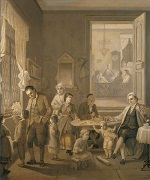

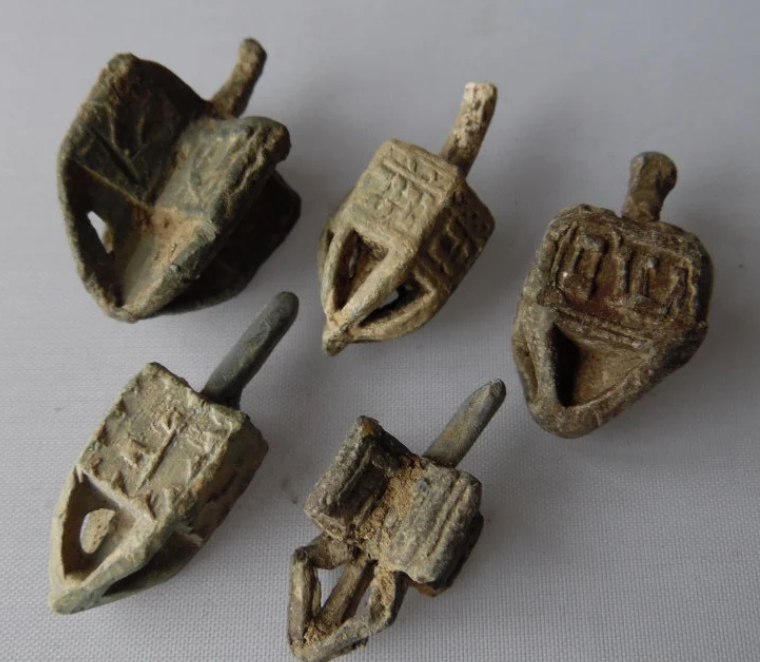
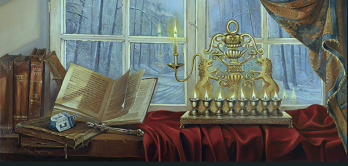
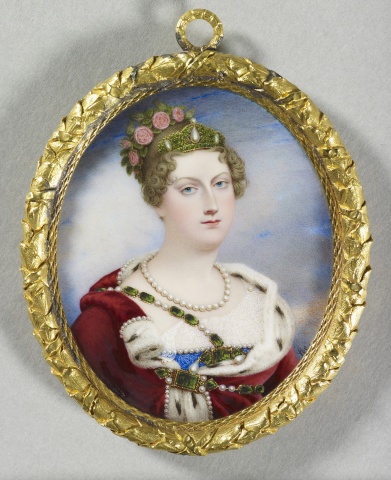
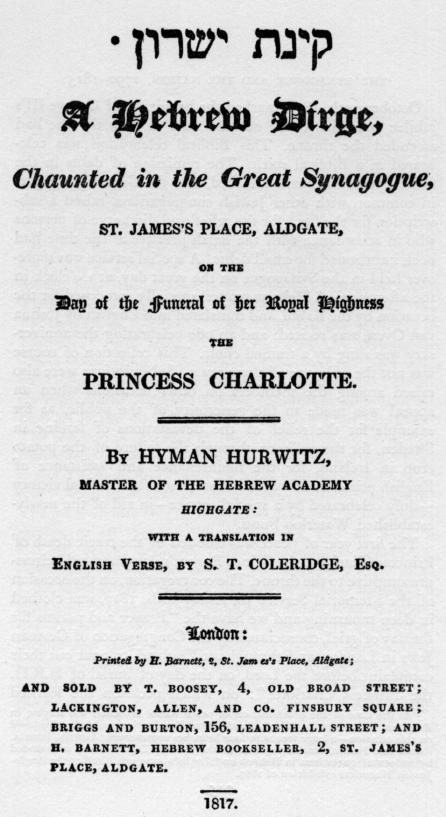
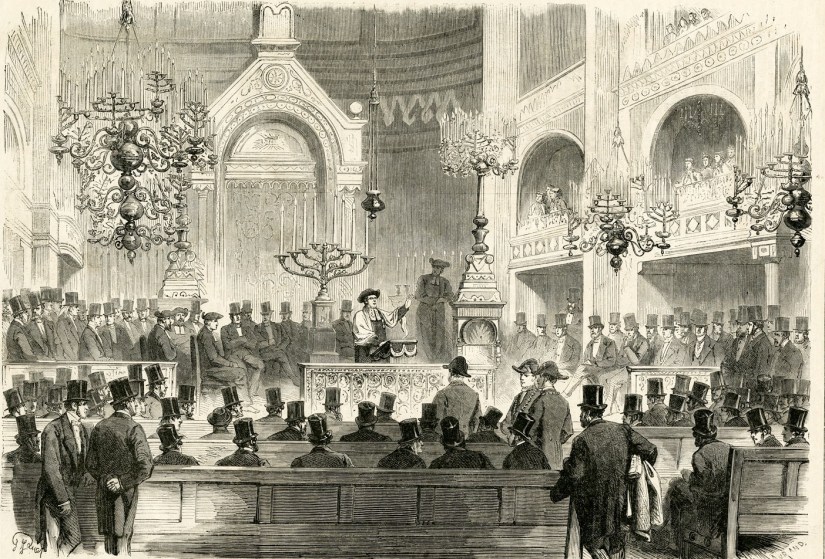

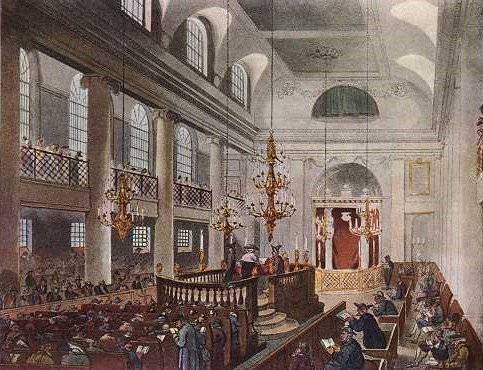
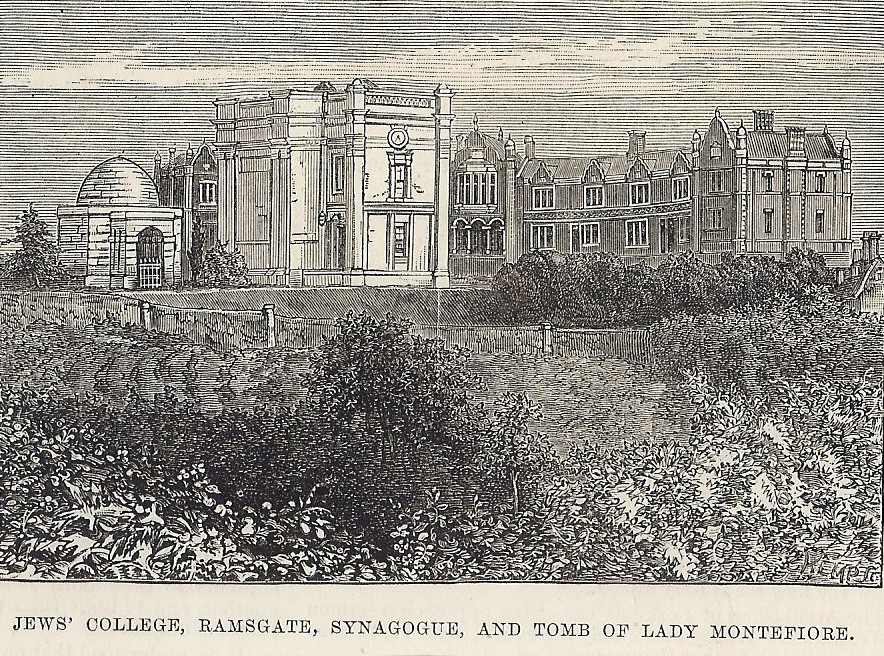
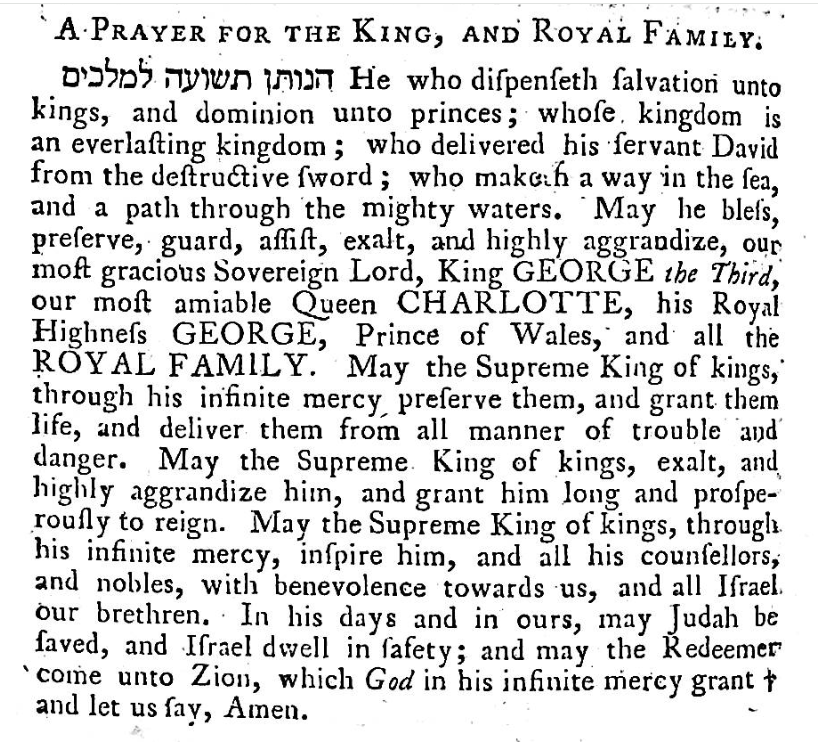


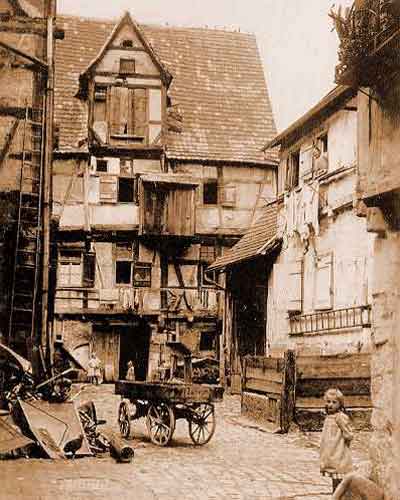
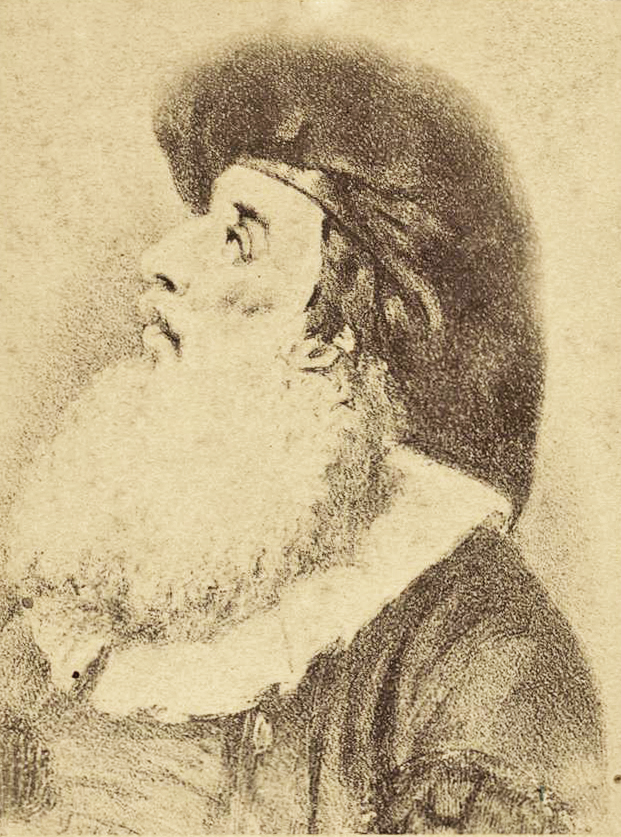
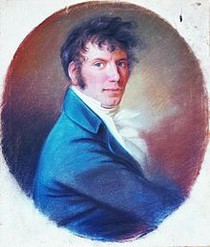
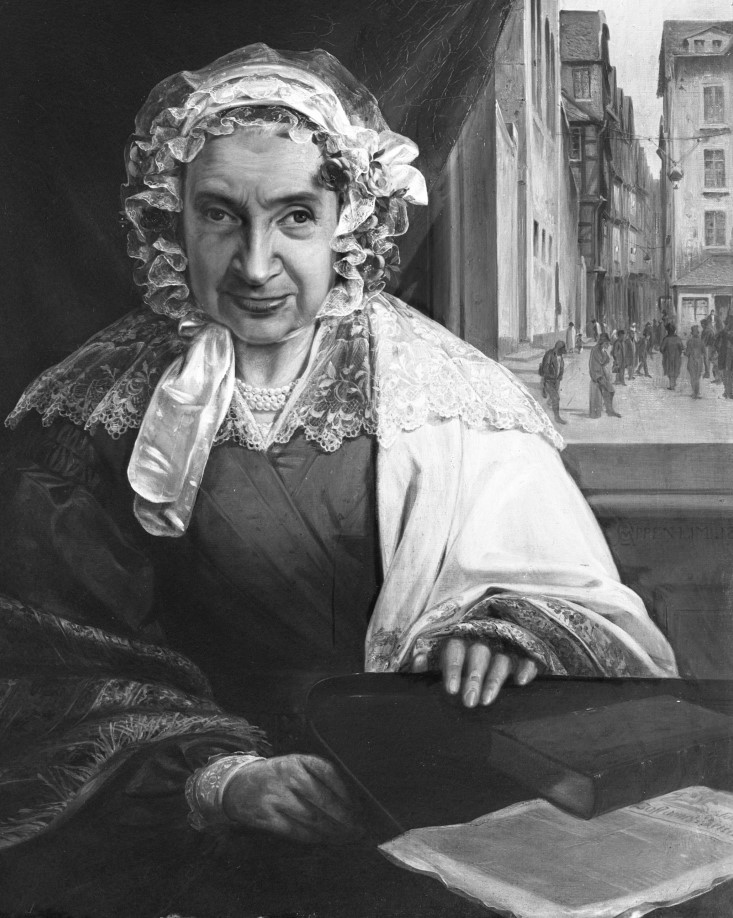



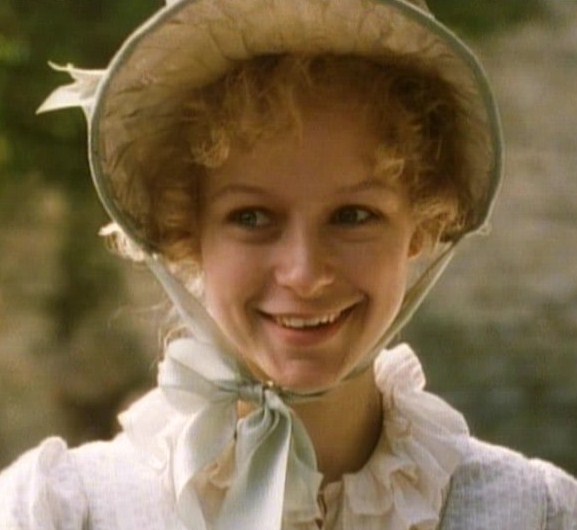
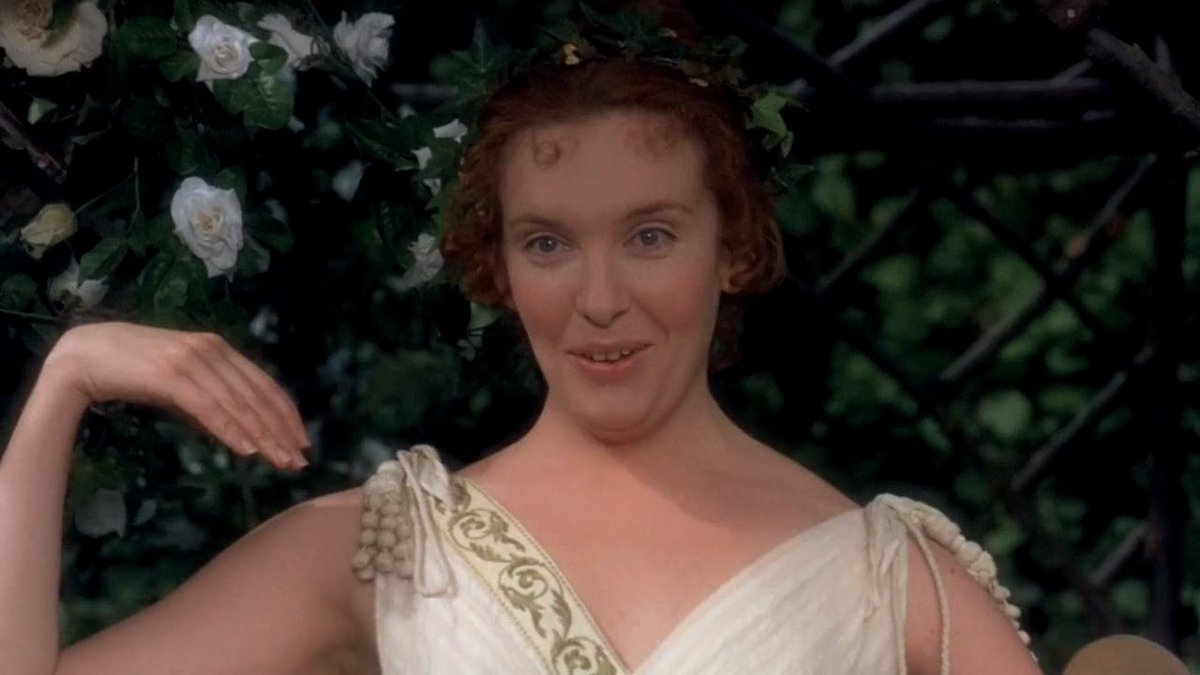
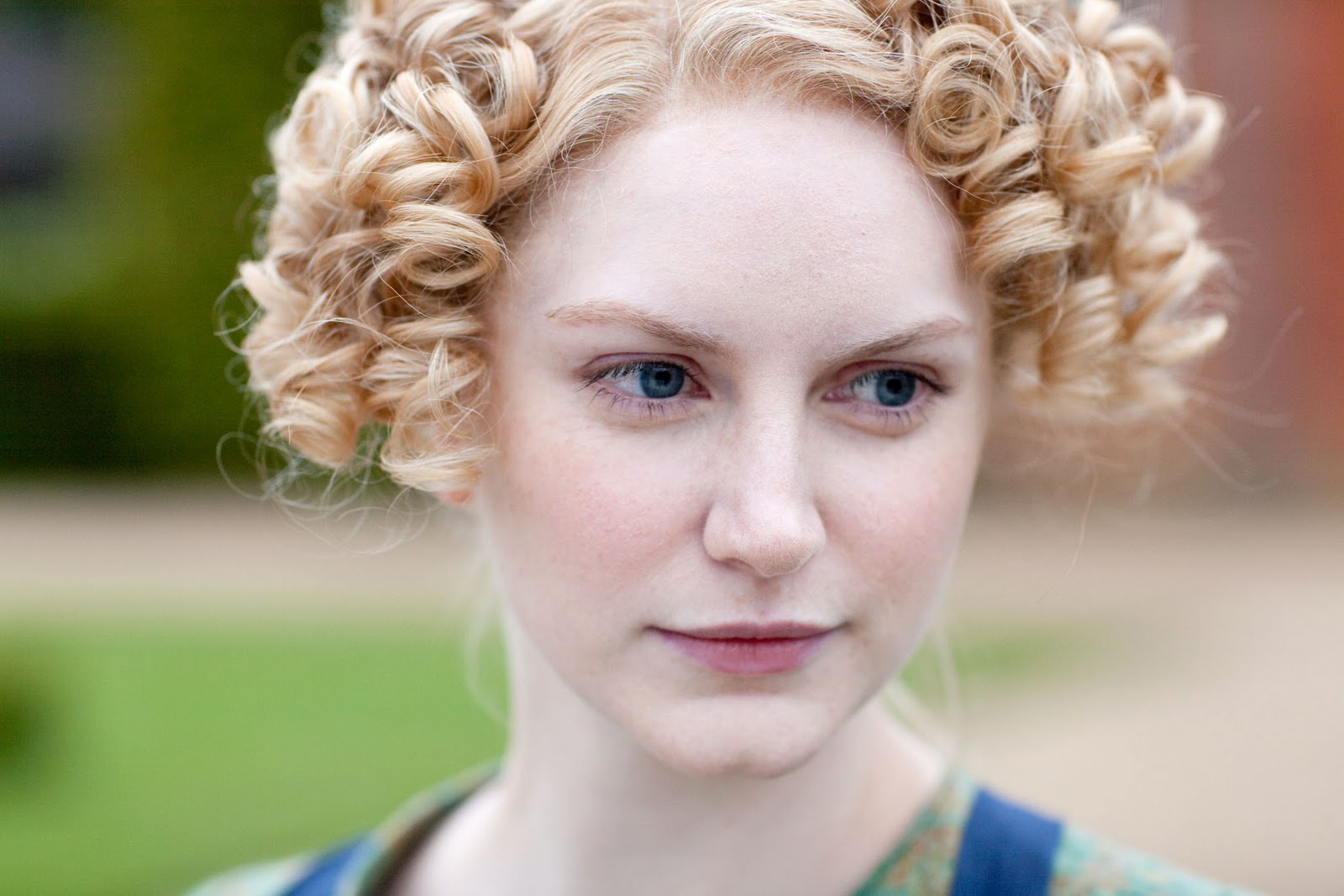
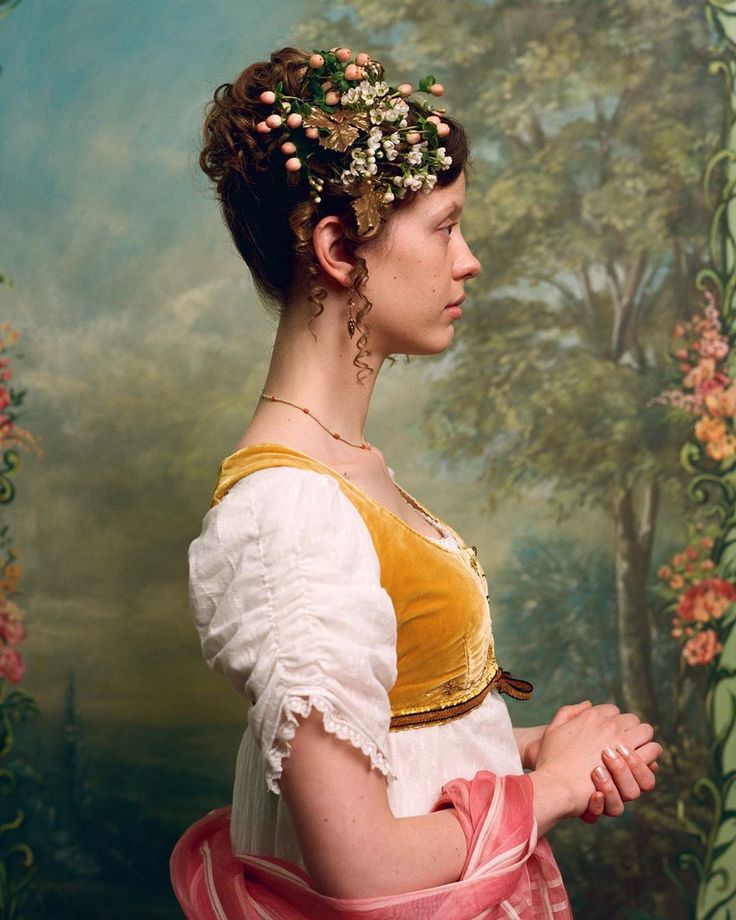
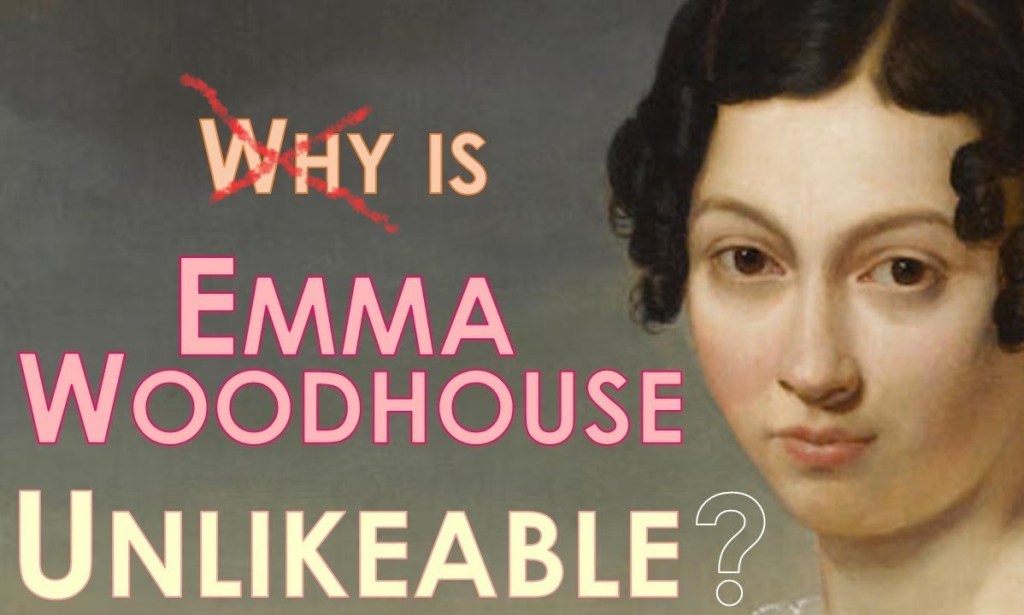


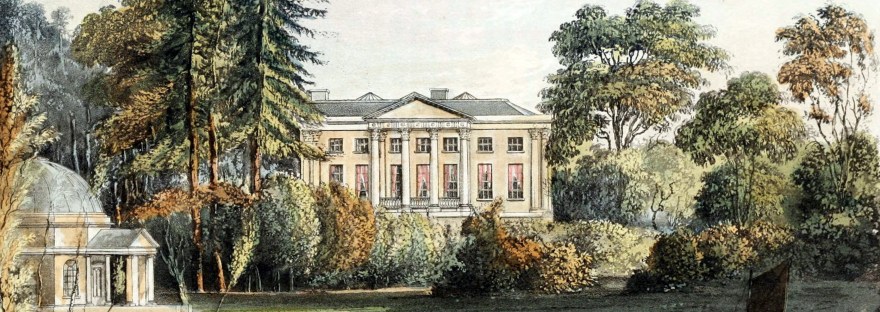





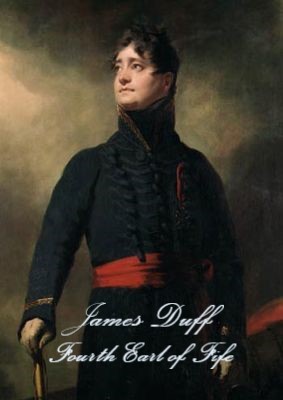
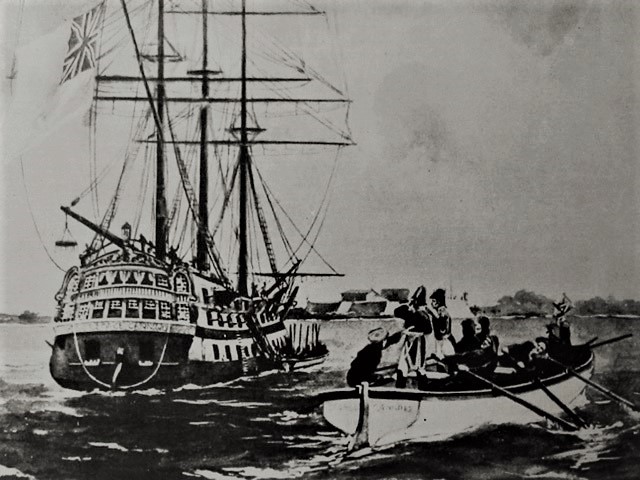
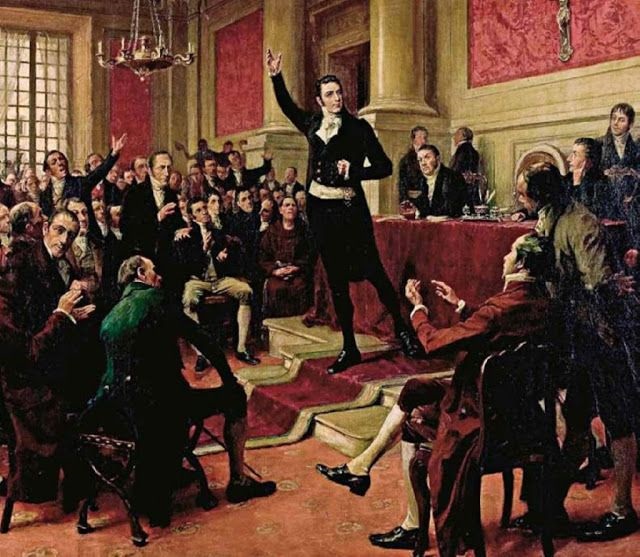
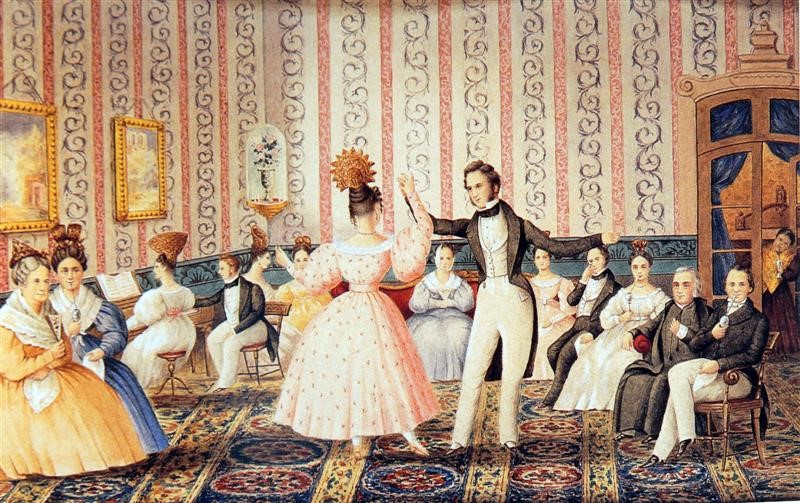
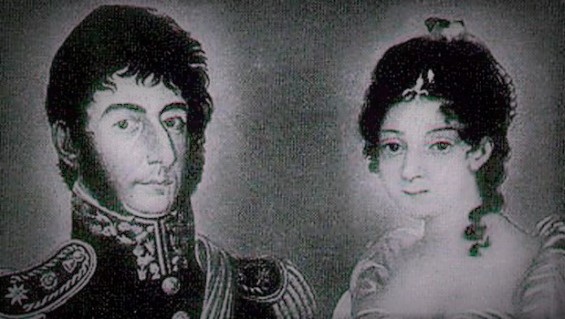
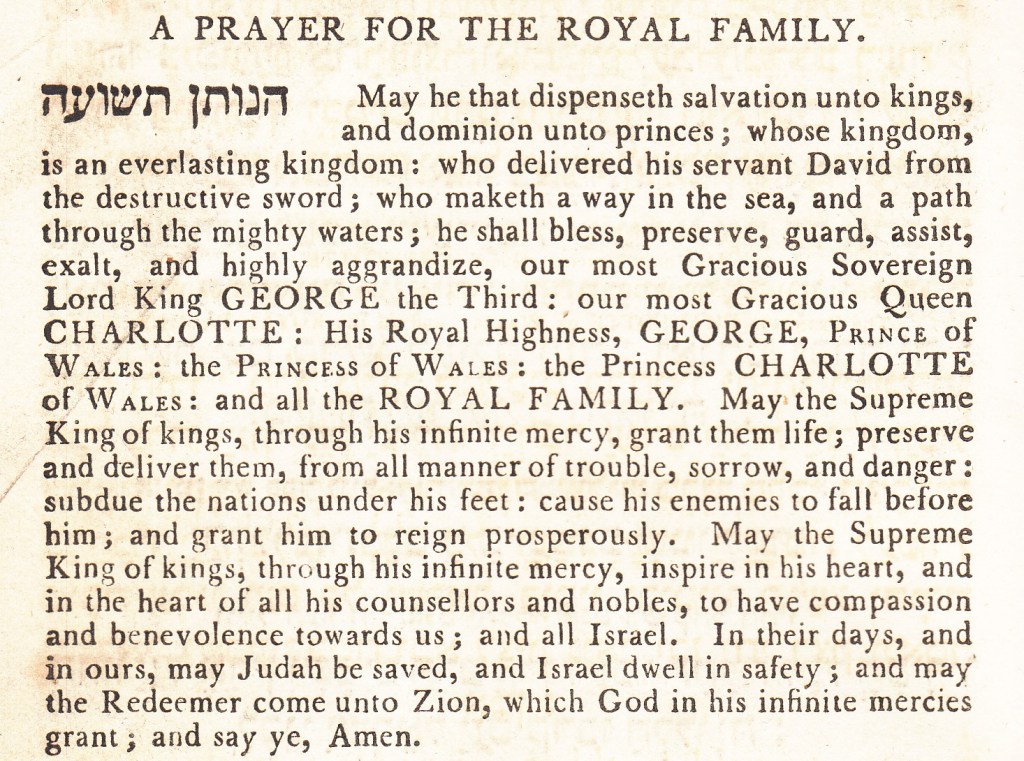
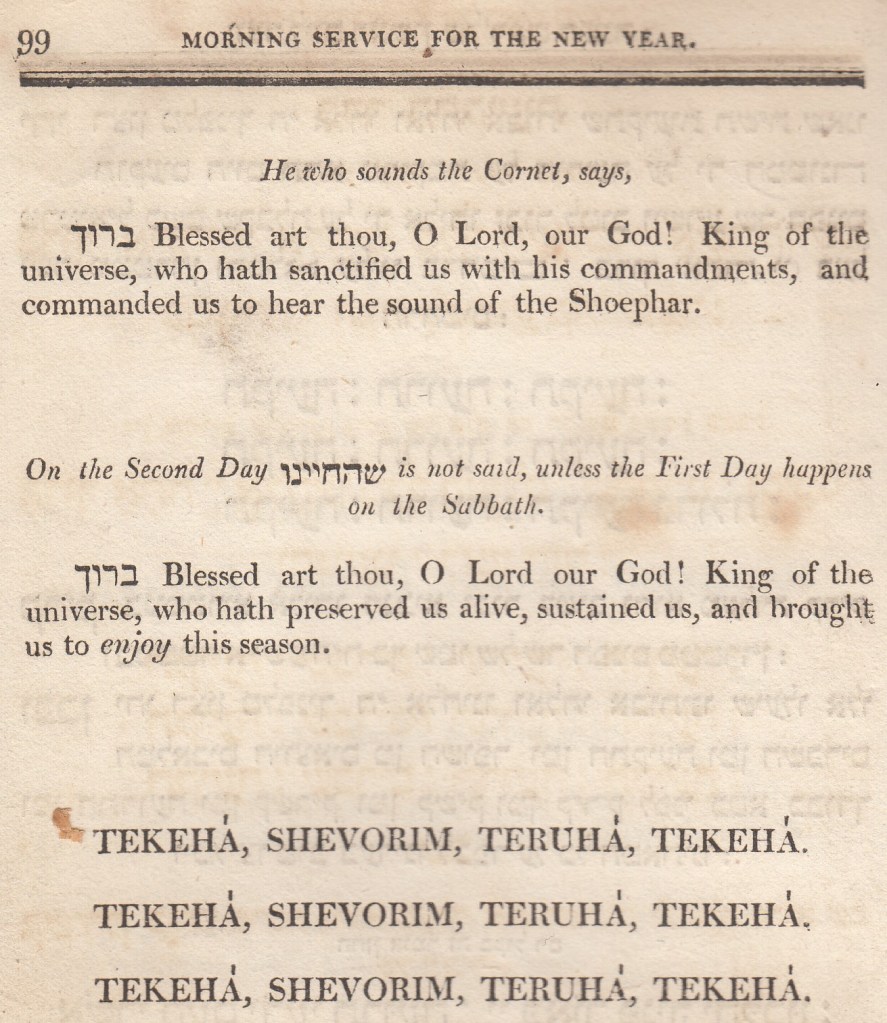
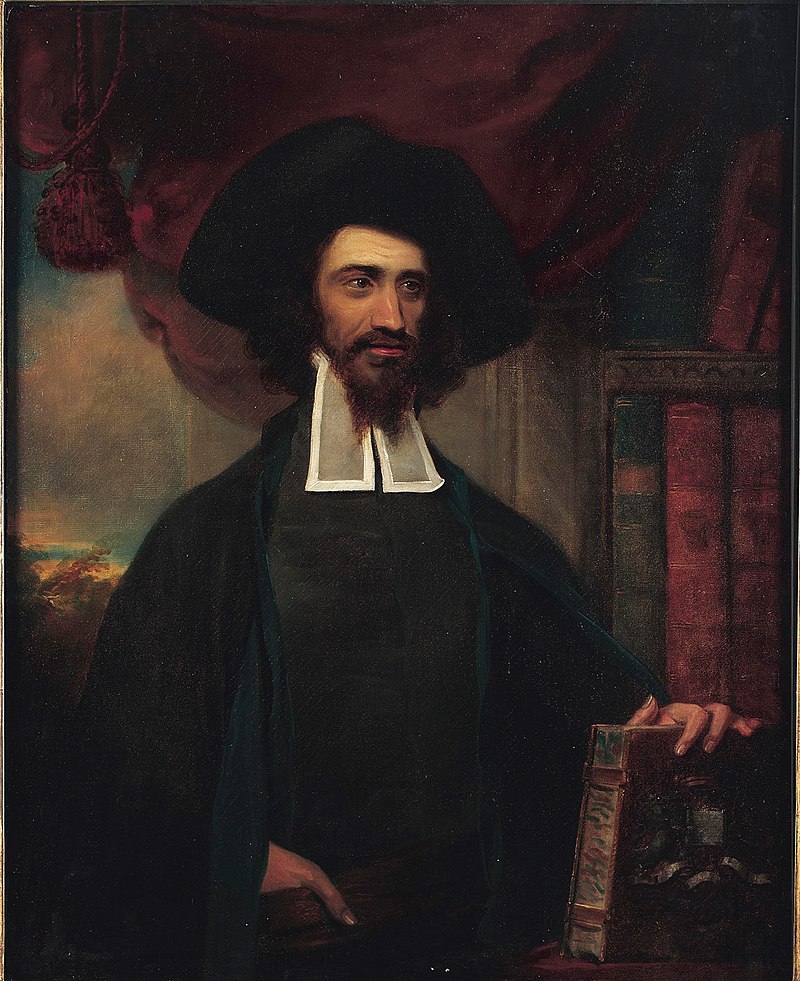
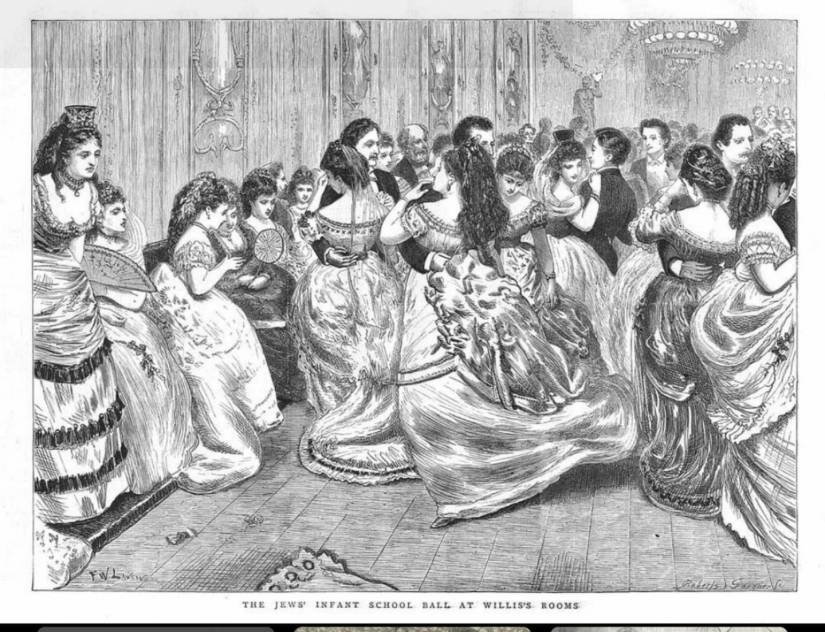
 Mirta Ines Trupp~ Author