New Post

Jane Austen and thoughts for Rosh Hashanah…

As a woman, an immigrant, and a Jew, I found that following in Jane Austen’s footsteps helped me find my voice. I have written several novels that try to emulate Austen’s tone and that reflect her era, all while incorporating my heritage and Judaic storylines.

I choose to incorporate Jewish protagonists into these beloved classics not to try to change Austen’s characters—or to change the happily-ever-after events we Janeites have grown to love—but to emphasize the fact that we. were. there. Whether in the upper echelons or as entrepreneurs, manufacturers, tradesmen, or farmers, Jews were intertwined in the English tapestry.

I read Austen and many of her contemporaries—as well as many J.A.F.F. (Jane Austen fanfiction) authors—for entertainment, for escape, for inspiration. I know some readers may feel that including Jews in J.A.F.F. is beyond the scope of what Austen intended. There is no reason to believe that she had ever met a Jew or knowingly interacted with one. My novels hope to show how natural a thing it might have been by incorporating Jewish storylines and showing different characterizations of a culture so often maligned.

If readers search for Jewish historical fiction on Amazon, they will be inundated with Holocaust or WWII novels. They will find novels set during the Spanish Inquisition or from the biblical era. There are classics written by Chaucer, Shakespeare, and Dickens that include Jews characters. There are Regency novels written by modern-day authors such as Georgette Heyer that do the same; however, these books are disappointing to say the least—insulting and hurtful would be more to the point. The bigotry and intolerance of yesteryear has no place in today’s society; and yet, it still exists.

In the aftermath of the horrific events of 2023-2024, we Jews are preparing for the High Holy Days or the Days of Awe—Yamim Noraim. Though our hearts are broken, we prepare for a new year. Though we are grief stricken, we prepare for a new beginning. You may ask: How can you think of promoting a book at a time like this? Why even bother writing Jewish Austen Fan Fiction? The answer to that question can be found on my bookshelves and on my reading tablet.

Austen wrote with humor and sarcasm, but she didn’t shy away from powerful subjects. She touched upon hard-hitting societal issues such as the inequality between the have and have-nots; the dangers of childbirth and other health concerns that are treatable today; mental health, premarital sex and unwanted pregnancies, alcohol abuse and debauchery, the lack of opportunities and/or choices for women; the devastation of the Napoleonic Wars, etc.

Think only of the past as its remembrance gives you pleasure.”

We are shaped by our history, the good times and the bad. What has been done can’t be undone; however, with this quote, Austen encourages to be deliberate in our recollection. She reminds us to look back on the “good ol’ days” with nostalgia, choosing to recall only those memories that inspire hope. It is this attribute to focus on joyous occasions, on achieved dreams and accomplishments, that propels us forward and motivates us to persevere.

I write Jewish Austen Fan Fiction because that’s what I like to read. I write it for other Jewish women to provide them with a choice—to read something joyful, something light and entertaining. I write it for non-Jews too! I write it because we do not exist in a vacuum, all of our collective experiences matter.

In Judaism, Tuesday (Yom Shelishi) is a special day of the week. It is not uncommon to see weddings held on Tuesdays. Grand Openings are often scheduled for this day, as are the first day of school or summer camp, etc.

What other event may be scheduled for a Tuesday?

Hmm? How about a cover reveal? What about a book release? Yes, and yes! Like the double portion in the Torah…ki tov (for it is good)! Look for the cover reveal of my new book on Tuesday, October 1, 2024 and, with God’s help, the book release on Tuesday, November 5, 2024 (yes, that Tuesday).


Here is a little snippet to entice you:

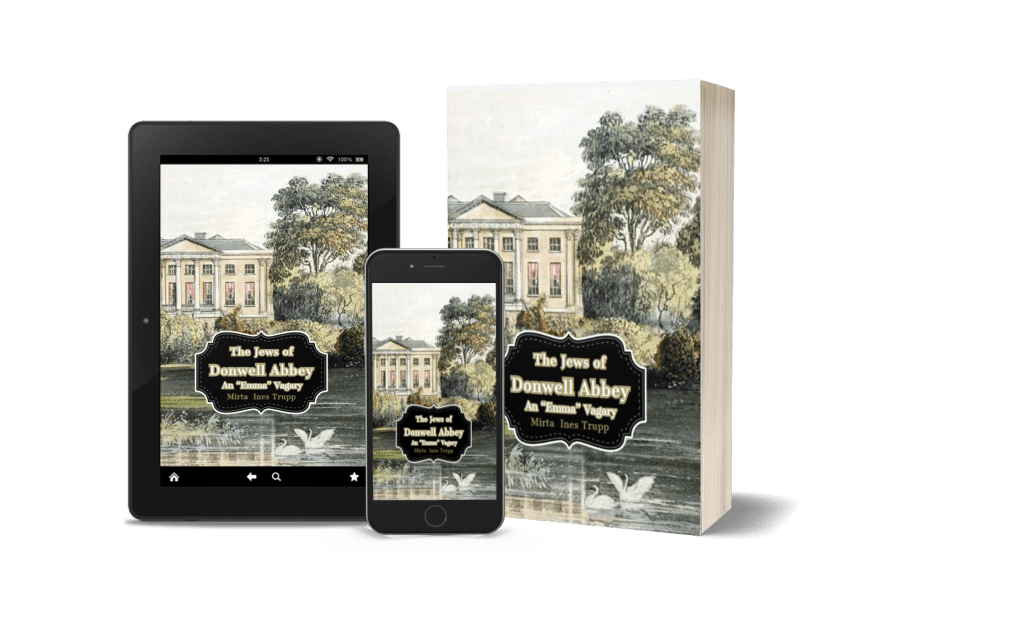
Prior to beginning a new year at Mrs. Goddard’s School for Girls, Miss Harriet Smith spends the summer months with the Martin family at Abbey-Mill Farm—a house of Israelites, or is it Hebrews? Would it be impolitic to call them Jews? It matters not, for Harriet finds contentment there. And, if her heart betrays her with stronger feelings for Mr. Martin than she ought to have, they are hers alone.

Alone… a common enough phrase for the natural daughter of nobody knows whom. But when Miss Emma Woodhouse requires a new friend to guide and mold, Harriet suddenly finds herself in the midst of one imbroglio after another. Forbidden assignations, sentimental blunders, and questions abound!

Be it through gossip or vengeance—or small-minded people, “the instruments of darkness tell us truths.” Will Harriet remain encumbered to her mysterious past, or will astonishing discoveries provide the fulfillment she long desired?


I hope you’ll help me spread the word!

I wish all who celebrate: Shana Tova Umetuka (A sweet and happy new year)! May God hear our prayer! May the hostages be released and may we all be blessed with peace.

New Post

Pardon me, but do you Bujo?

You did a double take, didn’t you? Hehehe…you thought I said Buju.

Sorry. You must be thinking of another Jewish blogger. I said Bujo

If you’re still with me and asking, “But what is Bujo,” let me direct you to this article that states: ”Bullet Journal® (aka Bujo) is a mindfulness practice designed as a productivity system. It will meet you wherever you are to help you write a better life. All you need is pen and paper.”

Nu? Sound familiar? It certainly is in keeping with my latest publication that speaks to being more mindful, more productive, more like the Eshet Chayil (Woman of Valor) that you aspire to be. More than that, it is in keeping with the Jewish practice of Mussar. The tradition encourages us to refine ourselves, to cultivate a connection to our higher being. 

According to this My Jewish Learning post, Rabbi Elya Lopian said that the ancient ritual of accessing, and incorporating, virtue-based ethics is “teaching the heart what the mind already understands.” Meditation is certainly one form to transcend to a better sense of self. Another method is through journaling.

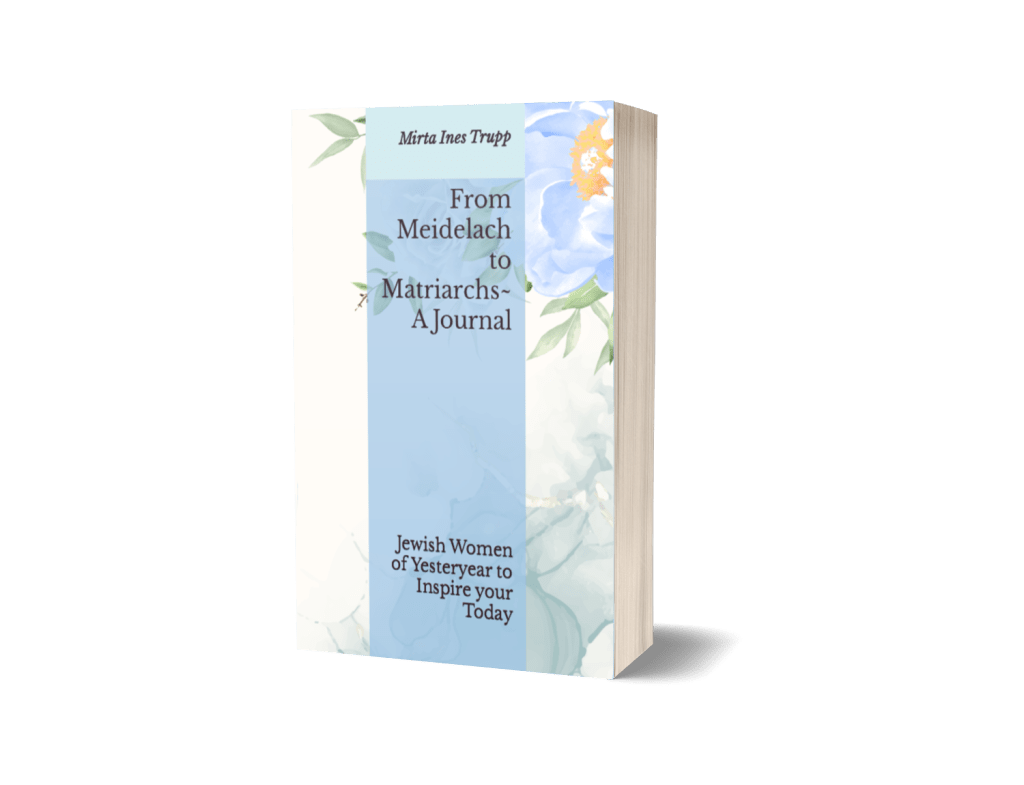
The paperback version of From Meidelach to Matriarchs: A Journal provides space for your thoughts, notes, and yes, even art work. I thought I was being so clever! I imagined readers adding sticky notes with motivational reminders and inspirational pictures from magazines or Pinterest…

However, many of you Wonder Women have asked if the journal is available as an eBook, because, you know, you are busy, you’re on the go! Honestly, I was stumped! How would you be able to activate the “right side of your brain”—the creative part of you that likes to use colored pencils and doodle while you draft your thoughts, make your lists, and plan out strategies—on your phone, tablet, or Kindle reader?

We don’t want to push our ideas on to customers, we simply want to make what they want.”

Laura Ashley, designer and businesswoman

It only makes sense to give the customer what they want, so I’m setting out to publish an eBook version as you’ve requested. It will have the same content—the history of 100 Jewish women and the questions and/or prompts for you to consider—however, as you might have guessed, it won’t have the “space” for your thoughts. You’ll have to provide that by keeping a note pad or notebook close at hand.

I will leave it to you to doodle away and add color or cutouts for your inspiration. That’s a happy compromise, I believe, and I’m confident that you’ll enjoy the experience! Because, at the end of the day…

With love,
New Post

A Daily Motivational Journal

I’ve been writing about my upcoming release for a few weeks now. I’ve called it a Daily Journal, a Daily Devotional, even a Motivational Journal. I talked about expressive writing, introspection, and guidance for your spiritual journey. Are you asking yourself, “So, what is it exactly?”

With Publication Day fast approaching, I thought I’d share an example of just one of the ladies showcased in From Meidelach to Matriarchs: A Journal~ Jewish Women of Yesteryear to Inspire your Today.

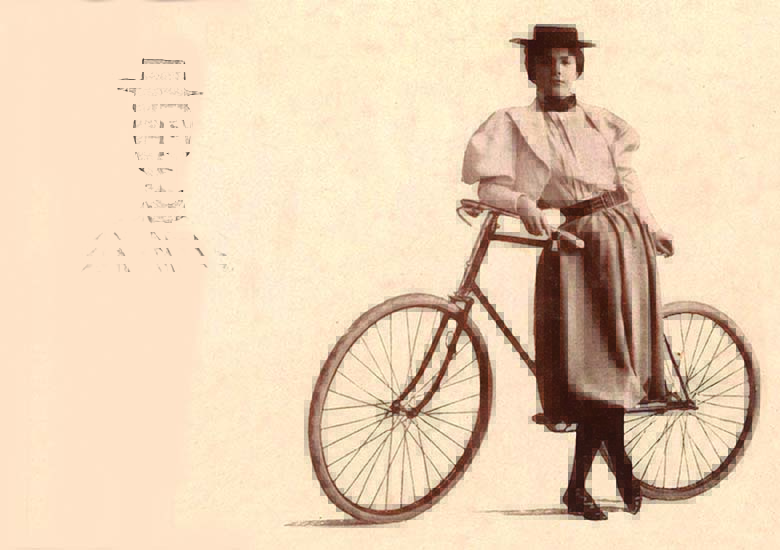
Let me introduce you to Annie “Londonderry” Kopchovsky ~ 1870-1947

Annie was born in Latvia to Beatrice and Levi Cohen. When she was five years old, her family immigrated and settled in Boston. At the age of eighteen, she married Simon Kopchovsky. She had three babies within four years, yet, indomitable Annie held down a job selling advertising space for Boston newspapers. In 1894, two men placed a bet on whether a woman could travel the world alone on a bicycle. Annie was quoted as saying, “I didn’t want to spend my life at home with a baby under my apron every year,” and she submitted her name for consideration.

The mother of three—Annie had no previous cycling experience—was accepted to take on the challenge. The rules required that the contestant finish her journey within fifteen months, start off penniless, and earn $5,000 along the way. Annie put her advertising skills to work. She hung a sign on her bike advertising the Londonderry Lithia Spring Water Company. That is how Annie “Londonderry” was officially born.

Although she sailed for large portions of her journey, she fulfilled the requirements and cycled alone with a pearl revolver for protection. She returned home just under the allotted time to collect the $10,000 prize. In 1895, Annie became the first woman cyclist to travel around the world. Soon after, the family moved to New York. She wrote an article for “New Woman” that stated, “I am a journalist and ‘a new woman,’ if that term means that I believe I can do anything that any man can do.”


Now, just as I have done in the journal, I will share some questions for you to ponder:

Question Number One:

“A Jew must know that when he goes from one place to another, he is not going on his own, but he is being directed from Above.” (The Baal Shem Tov) Was Annie on a mission for G-d? Do you feel the Hand of G-d directing you?

Question Number Two:

A Chabad post postulated that, like a bike, our lives are also made up of multiple parts—most importantly, two parents and G-d. We do are best in the balancing act we call Life. But while we’re enjoying the ride, we must keep in mind that it’s not all our own doing. We must always remember who sustained us, molded us, inspired us to keep on pedaling. Who’s riding in tandem with you?

Question Number Three:

What does Annie’s story teach us about breaking barriers?

Question Number Four:

What are other “take-aways”? In other words, are you inspired to jot down any other thoughts that have come to mind?


So there you have it! An example of what you can expect when you pick up your own copy.

I’ve provided you with one hundred fabulous women. We will meet the meidelach, young women just getting started and trying to figure things out, and the matriarchs who are shouldering the burdens of life and leading by example. I will share a brief snippet of their stories, one woman for the next one hundred days. One hundred opportunities to inspire your thoughts, your creativity, your philanthropy, your Jewish observance or your Jewish identity.

What do you think? Are you interested? Are you up for the challenge?

I hope so! Until next time…

New Post

A Daily Devotional-ish

As a great fan of Jane Austen, it is not hard to imagine that I devour all sorts of material about the author and her life. Jane was the daughter of an Anglican clergyman. Her novels, as well as her personal correspondence highlight her connection to her faith. In reading fan-fiction, and following like-minded authors who are fans of Austen’s work, I’ve come across the practice of keeping a devotional. To be honest, I had to do some research on the subject. I thought it might just be a Christian practice. But, as I worked on my latest project, From Meidelach to Matriarchs: A Journal~ Jewish Women of Yesteryear to Inspire your Today, I found that I crafted something definitely Jew-ish.

Everyone likes to go their own way~ to choose their own time and manner of devotion.”

Jane Austen

Keeping a devotional journal is a way to reflect on your principles and what’ve you’ve gleaned from religious practice, readings, lessons, etc. It can help you focus on certain topics. It can help you track your progress while you set out on a spiritual journey.

Use it to:

Reflect, write down your thoughts, and apply the lessons

Write a prayer of your own

Set spiritual goals

Get creative

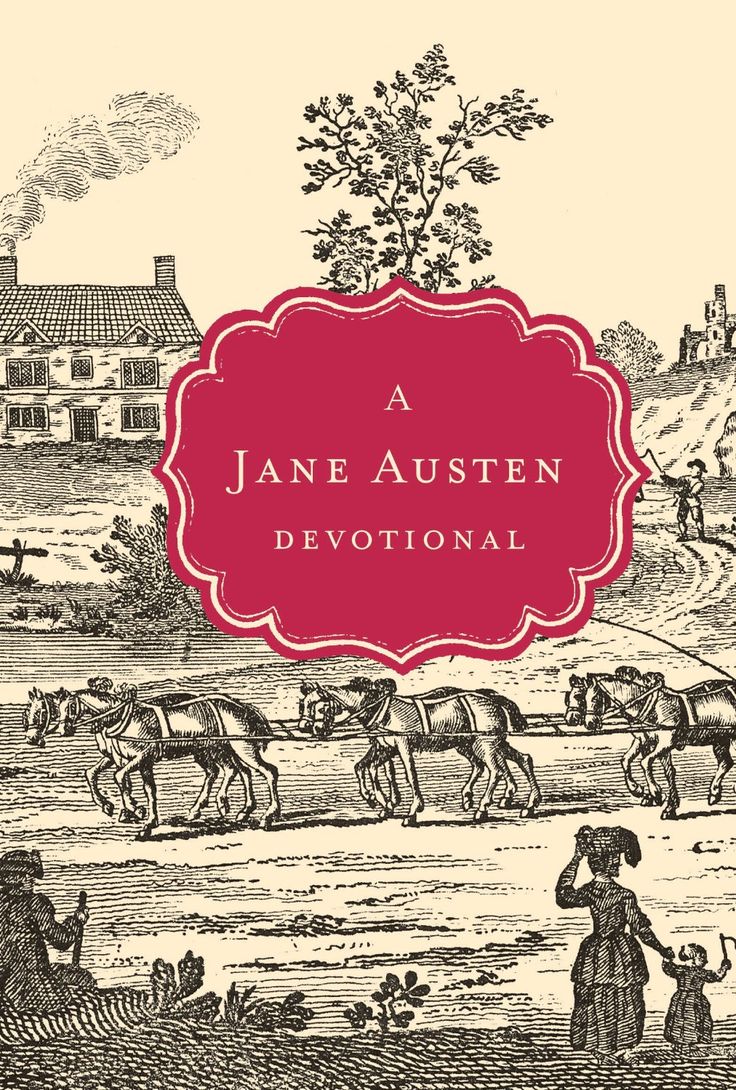
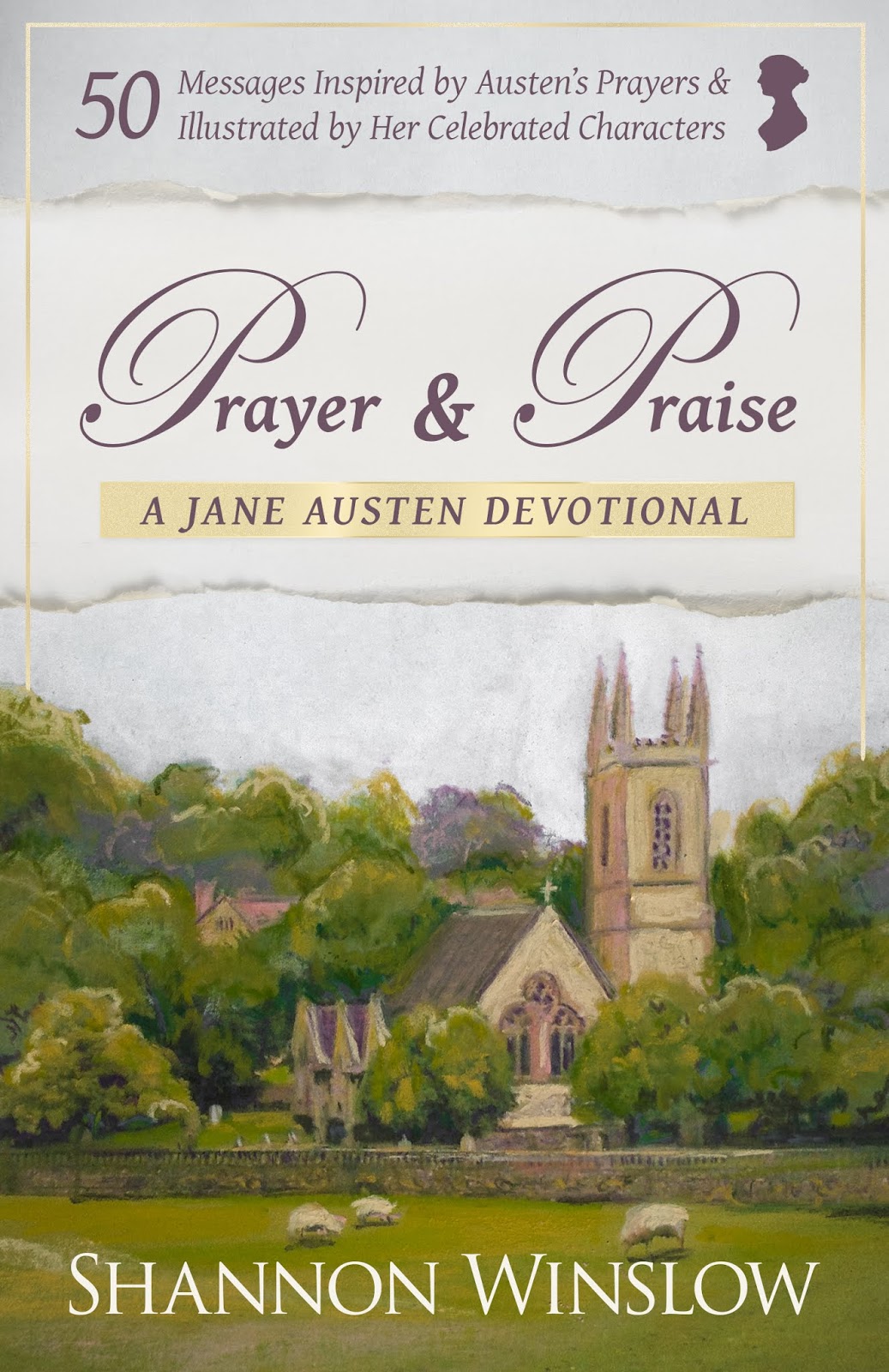
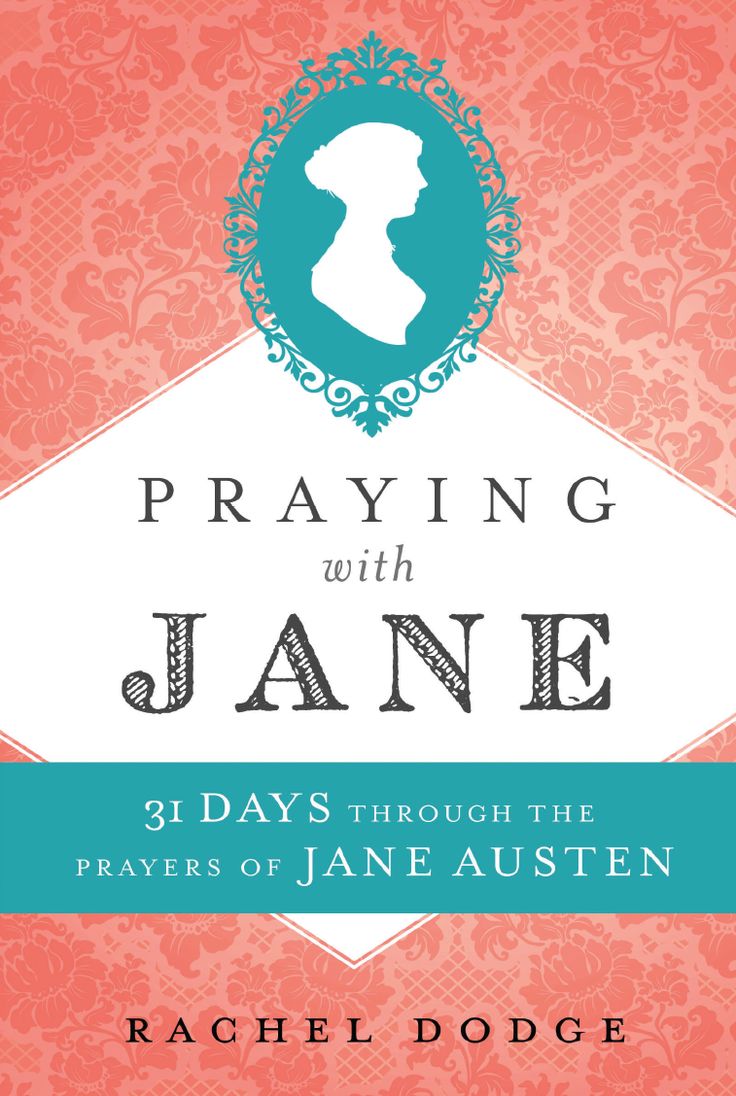
Here are three samples of non-Jewish authors who’ve done just that with their own Jane Austen devotional journals:

Credit to : Thomas Nelson, Shannon Winslow, and Rachel Dodge

I know what you’re thinking. You’re already coming up with excuses.

Excuse #1: It doesn’t sound quite… kosher.

Some people pray and recite psalms and proverbs on a daily basis. Others say the words that in their hearts and minds. Some people attend services every week. Others only go to synagogue during the High Holidays. As Jews, we have rituals such as our morning prayers, tefillin, and blessings of thanksgiving. We do charitable work. We light our Shabbes candles. A devotional journal can be another ritual or tool in our spiritual connection.

Excuse #2: Ugh! I’m not interested in Jane Austen.

News flash: This journal is actually not at all related to Jane Austen.

Excuse #3: You’re too busy for another commitment.

What if you change your mindset and think of this as a self-care moment—a special treat, like a mani-pedi or meeting a friend for tea? What if you choose to use this journal, not only for its entertainment value, but to nourish your neshama, your Jewish soul? Here are some suggestions that you might find helpful:

Make an Appointment~ This is your time to reconnect

Decide on a timeframe~ Set a realistic amount of time aside. 15 minutes?

Choose a Place~ Set up a cozy nook, have a pen, highlighter, etc. handy

Be flexible ~ Life happens! Be kind to yourself and adjust as necessary

Publication day is fast approaching! Stay tuned and follow this page for release updates.

With love,
New Post

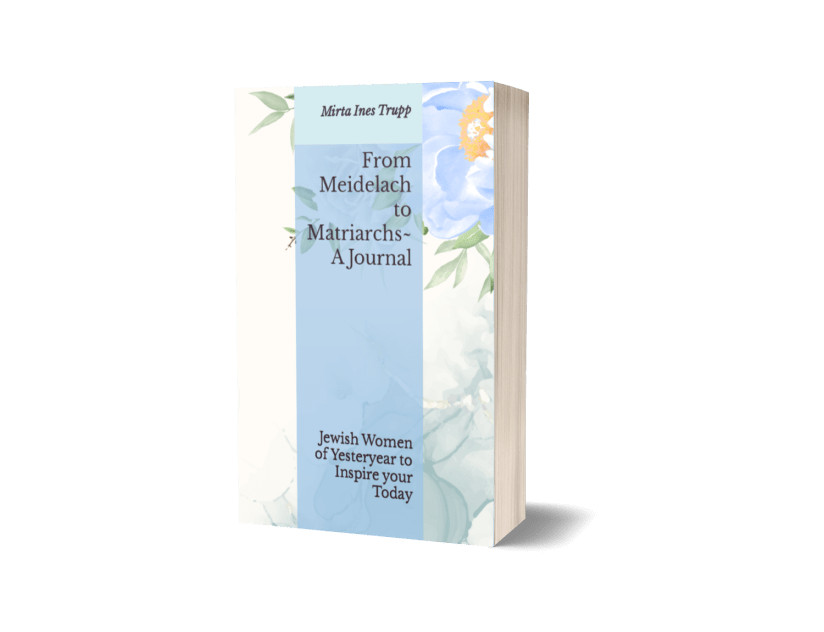
Cover Reveal~ A Daily Journal for Jewish Women

The last blog post discussed the concept of expressive writing and my hopes for publishing something unique and thought provoking. This project is not a historical fiction based in Russia or Argentina. It’s not a Regency Romance in keeping with my love for Jane Austen. My sixth publication is a daily journal about—and more importantly, for—Jewish women. It will provide a bit of structure and a comfortable environment to reflect upon historical accomplishments, religious identity, moral questions, life cycle events, and so much more.

If you were to search for a daily journal on Amazon, the results would be staggering. As a matter of fact, in recent years the market has been overwhelmed with these so-called low content publications. These books have minimal, or even, no content— just pages of empty lines waiting to be filled with the consumer’s own thoughts. The author provides a quote or a simple phrase as motivation, but that’s about it. I’ve crafted something a bit different.

Technically, my project is considered medium content. There is some repetition in that I have provided space for you, the consumer, to write. However, rather than offering a quote or prayer as inspiration, I have provide a brief synopsis for each of the one hundred women showcased in the journal. After each snippet of history, there are three thoughtfully constructed questions to help you navigate through your thoughts and strengthen your resolve, your point of view—your faith.

Another factor that differentiates my project from other journals is that it’s specifically geared towards Jewish women. Naturally, everyone is welcome to enjoy it and learn from it. I believe any person of faith would find the journal an enlightening and useful tool. That being said, the P.O.V. for this project (Point of View—that’s me trying to show off my author’s vocabulary) is unapologetically Jewish. Jennifer Wulff, Certified Spiritual Director, believes that, “Expressive journaling becomes a sacred and holy space, where you can explore your deepest questions and strengthen the connections between yourself and the Divine.” Now, more than ever, it is important to find our own voice. To look back with pride and to look forward without fear. To be comfortable in our own skin.

Shoyn! (as my bobe used to say) Enough already! I promised a cover reveal. So, here it is:

Nu? What do you think? Let me know in the comments below. Publishing Day is fast approaching! I look forward to hearing from you soon.

With love,
New Post

Sound the Shofar! This Jewish Historical Fiction Author Reflects Upon the Season

This month, the British empire suffered a tremendous loss. I dare say, the world at large lost a dedicated and devout leader. Queen Elizabeth’s death touched people from all walks of life, none more so than the Jewish community under her protection.
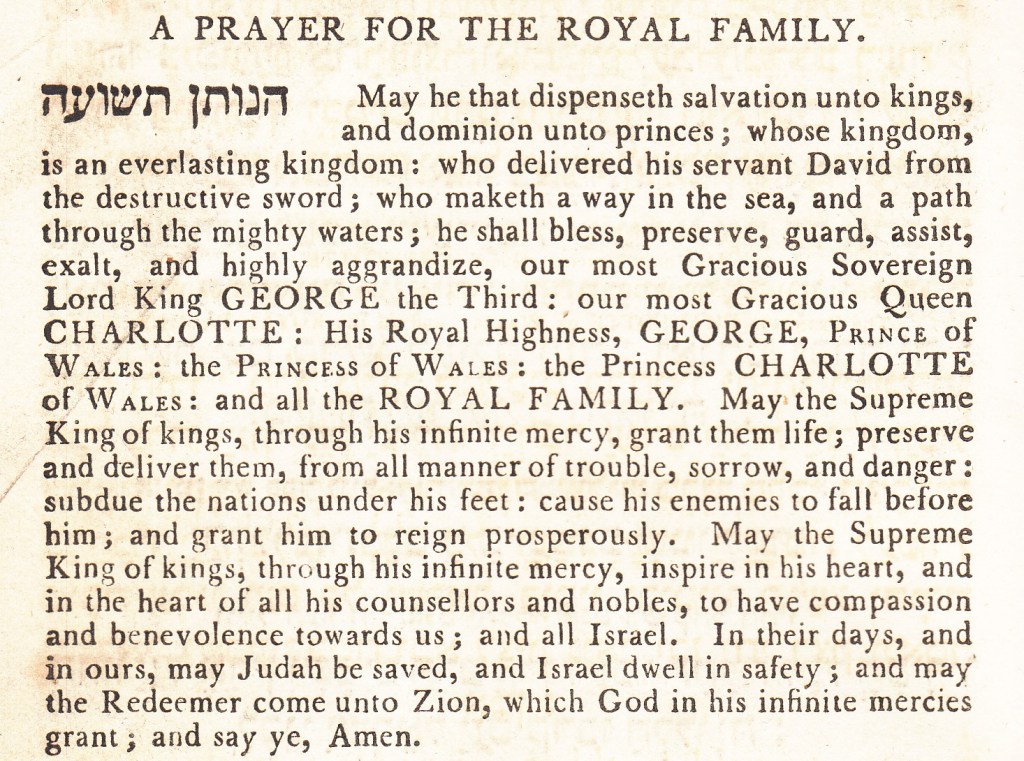
For over seventy years, congregations across the land concluded their Sabbath service praying that “He who gives salvation to kings and dominions to princes, guard her and deliver her from all trouble and sorrow.” But Jewish prayers for the monarchy, or for any ruling government, are not unusual. After the Israelites first expulsion from Jerusalem in 586 B.C.E., the prophet Jeremiah urged the community to pray to the Lord in order for Him to guide their foreign rules with wisdom and compassion. These prayers were eventually incorporated into the siddurim (weekly prayer book) in the 14th century.
However, the supplications were not solely reserved for the Sabbath service. In England, any royal event may have called the community to prayer. Indeed, if Jane Austen attended a Jewish service in 1787, she would have heard a prayer calling for the preservation of King George lll “from the hands of an assassin.” And in 1817, while the empire mourned the death of Princess Charlotte, Hyman Hurwitz composed Israel’s LamentMourn for the universal woe, With solemn dirge and fault’ring tongue, For England’s Lady is laid low, So dear, so lovely, and so young! 

Of course, there were occasions for happier prayers, such as the Golden Jubilee of Queen Victoria in 1887 and that of Queen Elizabeth II in 2002 and again in 2022.  

Her crown is honor and majesty; her scepter, law and morality. Her concern has been for welfare, freedom and unity, and in the lands of her dominion she has sustained justice and liberty for all races, tongues and creeds.” 

Rabbi Ephraim Mirvis, the Chief Rabbi of the United Kingdom and the Commonwealth

Did you know that the concept of jubilee hails from the Torah (Pentateuch)? According to the Book of Leviticus, a commemoration was held at the end of seven cycles of shmita (sabbatical years). Slaves or prisoners would be freed, debts would be forgiven and “the mercies of God would manifest.” The sounding of a ram’s horn (a shofar) would proclaim the celebration. In fact, the ancestral summons was used to announce a variety of events, including a king’s coronation or the proclaiming of a period of mourning—so apropos during these sad days of September.

This is the moment history stops; for a minute, an hour, for a day or a week; this is the moment history stops.”

BBC NEWS

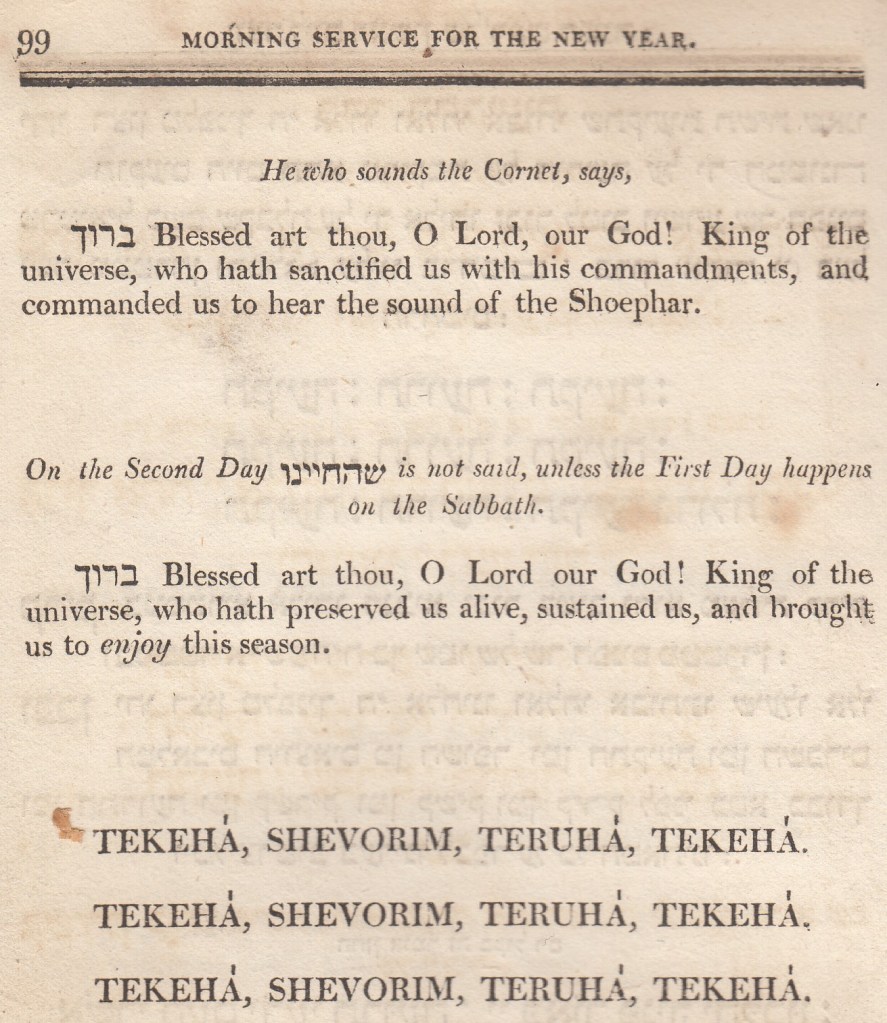
If we were living in biblical times, the shofar would have certainly announced this momentous occasion and the community would have responded in kind. Today, Jews worldwide recognize the cry of Tekiah as the call to prepare for the new year and the Day of Atonement.

For over 5,700 years during the month of Elul (which usually falls during August or September in the Gregorian calendar), the piercing sound of the shofar has beckoned us to examine our behavior—to ask for forgiveness and to prepare to make amends for the new year.

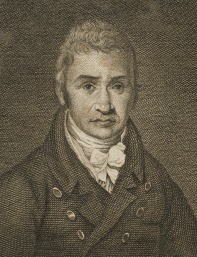
I came across another blog post about Anglo-Jewry while preparing this article. Naturally, it led me to another post where I discovered an interesting historical figure by the name of Solomon Bennett. For a variety of reasons, Mr. Bennett made it his life’s work to torment Solomon Hirschell, the Chief Rabbi of the German and Polish Jews of England. To be honest, I would say that both Solomon Bennett and Solomon Hirschell were full of themselves! If ever anyone ought to have heeded the sound of the shofar…The series of events that transpired between these two men borders on the ridiculous. Therefore you cannot fault me, dear reader, for immediately envisioning Mr. Collins and Mr. Bennet of Austen’s Pride and Prejudice.

Mr. Collins is a clergyman. He is tall and maintains formal manners; he comes across as pompous and grave. He takes great pains to inform everyone about his social status, which mostly stems from his noble patroness. Mr. Collins is excessive in his compliments and excessively snobbish. His counterpart is Mr. Bennet of Longbourn. This landed gentleman has a sarcastic, cynical sense of humor which he purposefully uses to irritate his prey. However, his dry wit and composure in the midst of mayhem serves him ill, for Mr. Bennet is weak and largely ineffective as a husband, father, or property owner.

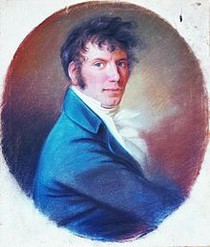
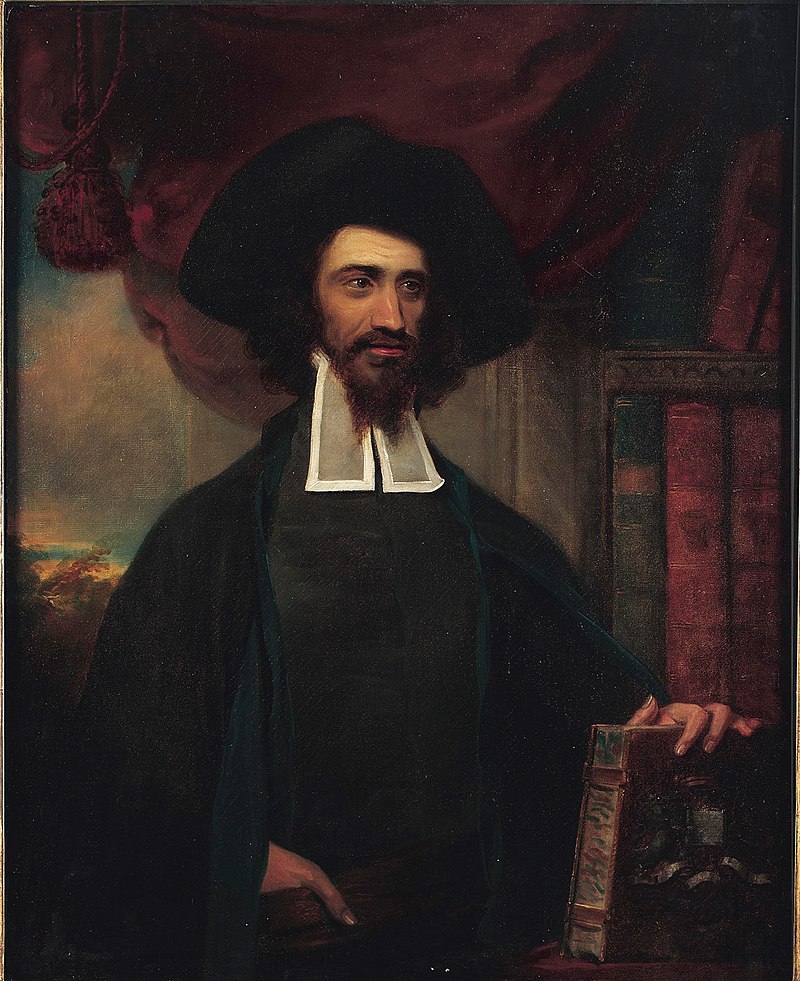
Solomon Hirschell

I now present Rabbi Solomon Hirschell. He was said to be a tall and imposing sort of man. He was a traditionalist and did not apologize for wanting to maintain ancient standards and customs. The rabbi liked to boast of his long line of impressive ancestors and benefactors, such as Sir Moses Montefiore and the Goldsmids. Although he had no formal secular education, Hirschell was proud of his Talmudic training and made it known that he possessed an impressive rabbinic library.

In 1811, the European Magazine published an interview with the clergyman. Hirschell proclaimed that he was direct descendant of the royal house of David. He believed his election as chief rabbi to be a natural turn of events. His fiercest enemy, Solomon Bennett, had a field day with that announcement. An author, artist, and a Hebrew scholar in his own right, Bennett publicly ridiculed the rabbi by declaring that he was only given the position due to his connections. But it didn’t end there. He claimed that Hirschell was barely competent in the English language and that he hid behind his father’s precious library to mask his illiteracy.

Of one thing you may be assured, Hirschell could only have known my English publications at second hand because he could not even understand them in the original language, of which his knowledge is so slender.”

Bennett continued to write scathing remarks about the shocking lack of rabbinical publications put out by the Hirschell administration. The Magna Bibliotheca shows that the chief rabbi only published three sermons. Of note: one marked the battle of Trafalgar in 1805 and another, which warned the community against sending their children to secular schools. The rabbi was so set in his ways, the sermons were given in Yiddish and had to be translated into English for publication.

Sometime around 1815, Rabbi Hirschell endorsed a book of Jewish studies written by another Solomon —Solomon Jacob Cohen. Bennett was highly critical of the work and published a 66-page pamphlet where he called the rabbi “a proud, savage, and tyrannical Pontiff…in his orthodox piety on the one hand, and his ignorant malice on the other.” 

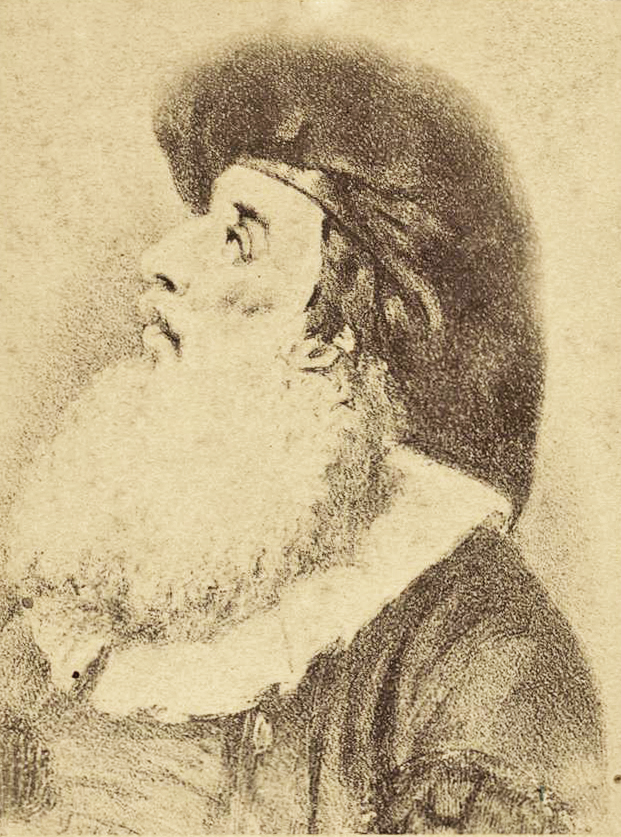
Solomon Bennett

The public did not appreciate Bennett’s wit and he did not succeed in defaming his nemesis. In fact, the project was a complete failure and Bennett lost money— a £100 to be exact. Short of funds, he was unable to pay his publishers and was sent to debtor’s prison—blaming Hirschell for his misfortune all along the way.

For all that was said against him, Rabbi Hirschell appeared to hold England dear. In one particularly poignant speech, the rabbi expressed his gratitude that “providence permitted me to return to this my beloved native Land.” During the Napoleonic wars, Hirschell encouraged his congregants to enlist and to serve their adopted nation. It was also said that the rabbi secured permission for Jews to “stay away from church parades and to be sworn upon the Book of Leviticus—instead of the New Testament.” This was in keeping with his lack of interaction with his Christian counterparts and his sermons against the newly established Reform movement. On the other hand, Hirschell was known for his charitable organizations and worked to help the relatively newer community of Eastern European Jews.

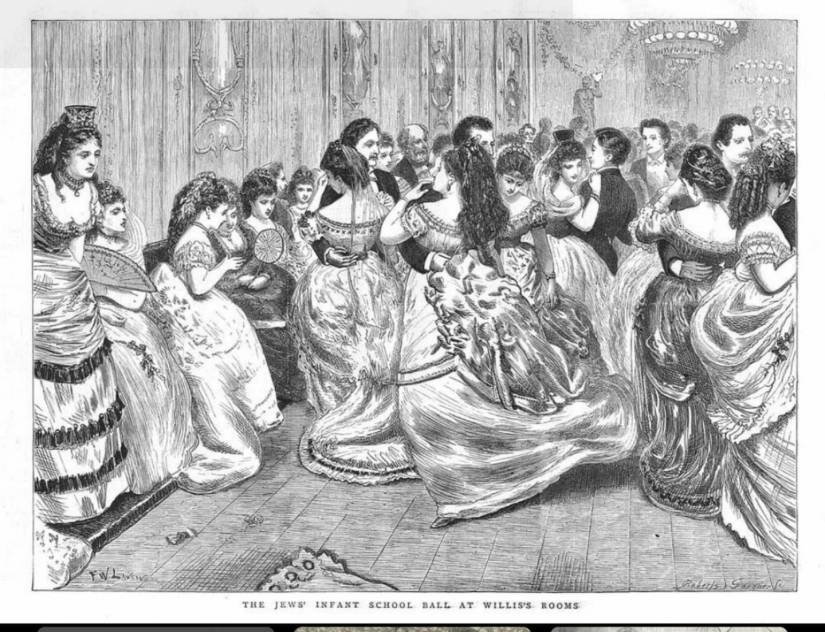
In 1811, he aided the Westminster Jews’ Free School to open its doors. In 1817, the Jews’ Free School was founded. In 1820, the Western Institute for Clothing and Apprenticing Indigent Jewish Boys was opened; and in 1824,  the Society for the Relief of Indigent Poor began providing widows with five shillings per week.

During his administration as chief rabbi, the problem of poverty was investigated, reforms were suggested, and solutions were implemented (certainly not in keeping with a Mr. Collins).  In the face of these good deeds, Mr. Bennett’s cynicism should not have prevailed; however, it did. To this day, Solomon Hirschell’s legacy remains tainted. He has been labeled as a pompous, unwavering traditionalist, ignorant and out of touch.

Without wishing to overstep the boundaries of a simple blogger (who has no right to sit in judgment), it would seem that the call of Tekiah fell upon deaf ears with these two men. Talk about pride and prejudice! Perhaps they ought to have heeded Elul’s message; they should have recognized the error of their ways and made amends. History might have been kinder to both if the had learned to compromise a bit; but to paraphrase Jane Austen’s Northanger Abbey, I leave it to be settled, by whomsoever it may concern, whether the tendency of these two gentlemen is to recommend tyrannical rivalry or reward stubborn constancy.

May the sound of the shofar awaken us to be kind to one another and to cherish the moments that make up the days of our lives. May we all be inscribed in the Book of Life and may the new year be blessed with health, happiness and goodwill.

New Post

Shabbat Shalom~ Commentary from a Jewish Regency Romance Author on Celebrating Independence Day

Here in the United States of America, we will soon celebrate the 246th anniversary of our independence. And as a grateful immigrant, I will soon be celebrating my 60th year in this great nation. The blessings are boundless; a deep sense of pride and patriotism continues to fill my heart.

I come from a long line of immigrants. I wish I could trace my lineage with some level of accuracy beyond that which I know: Russian Jews that settled in Argentina thanks to Baron Hirsch and the Jewish Colonization Association. My family later immigrated to the U.S. and I’ve spent a life time explaining, to all who ask, why there are blue-eyed Jews that speak Spanish.  I try to explain the diaspora. I try to explain the complex history of our immigration. I try to explain that there have been Jews in South America since 1492… “when Columbus sailed the ocean blue.” Quite often, this fact is met with shock. Quite often, this fact only brings up the next question:

How long have Jews been in the good ol’ USA?

As a history buff and a great fan of historical fiction, these questions—for the most part—please me. It is a subject near and dear to my heart! But it is for that very reason, that these questions are also bittersweet. Most people have some understanding, or knowledge, of the massive wave of immigration in the early 20th century. Stories of Ellis Island have been made popular and encompass the history of many peoples that came to these shores. But the story of Jewish immigration doesn’t begin with familiar scenes from “Fiddler on the Roof” or “Yentl.” Here’s a fact for you: Jews have been in both North and South America since the fifteenth century. They found their way here escaping the Spanish Inquisition; however, there is documented proof of observant Jews in colonial America. In fact, it is estimated that there were approximately 2,000 Jews living here and at least seven Sephardic (Iberian Peninsula Jews) congregations. Congregation Shearith Israel was founded in New York City in 1655. Rhode Island’s Yeshuat Israel in Newport began 1658. Congregation Mickve Israel served the people of Savannah, Georgia as early as 1733.

These Jews were from all across Europe. Their list of reasons for leaving hearth and home were the very same that other immigrants could enumerate. They sought freedom. They sought prosperity. They sought peace of mind. And when the colonies united against England, these Jewish immigrants answered the call in some form or fashion.

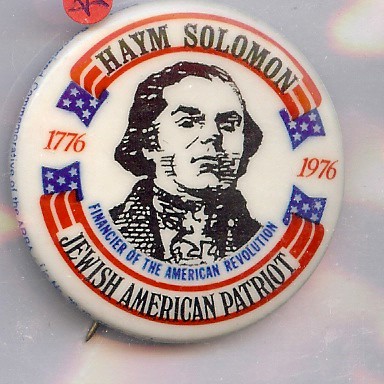
Haym Salomon rendered immeasurable service to the Revolution by providing financial support in desperate times. His service to this nation should be heralded by all. Aaron Lopez of Newport and Isaac Moses of Philadelphia also had the means to assist the cause. Risking their source of revenue, as well as their lives, these merchants sailed their own ships past British blockades and brought clothing, guns, and food to deprived soldiers. Many other Jewish patriots took up arms. In South Carolina, for example, one troop had so many Jewish soldiers, they were dubbed the “Jews’ Company.” In 1776, Francis Salvador, the first Jewish State Legislator of South Carolina, was killed fighting against Loyalists and their Cherokee allies.  In 1777, Lieutenant Solomon Bush discovered a spy in George Washington’s headquarters. The lieutenant was taken prisoner by the British, although he was later released.

Needless to say, women also supported the cause. Abigail Minis was a prominent businesswoman in Georgia during the American Revolutionary War. Left a widow at a young age, she took charge of the family finances. A patriot, Minis also put her hospitality and resources to good use— earning fame and admiration amongst the troops. Legend has it that Mrs. Minis met George Washington in 1791 when he visited her tavern in Savannah. Unfortunately, that can’t be confirmed. Her daughter, Leah, however did meet with the president years later. Mrs. Minis was 91 years of age at the time. She was surely kvelling at that honor, as any mother would!

The Mill Street synagogue was a central anchor for the Jewish community in the city of New York since its founding in 1730. In 1766, Gershom Mendes Seixas became the hazzan, or cantor, of the congregation. Although he was not an ordained rabbi, he lead the Jewish community and encouraged their integration into their new society. He was an ardent patriot and supported the cause; and when the British captured New York, Mendes Seixas led the congregation to its temporary home in Philadelphia.  

In the Post-Revolutionary period, Mendes Seixas strived to undergird the patriotism felt by the Jewish community. To reinforce their significance in the American tapestry, he wrote President Washington and asked for a statement of recognition—and reassurance—from the new government.

Deprived as we heretofore have been of the invaluable rights of free Citizens, we now (with a deep sense of gratitude to the Almighty disposer of all events) behold a Government, erected by the Majesty of the People—a Government, which to bigotry gives no sanction, to persecution no assistance—but generously affording to All liberty of conscience, and immunities of Citizenship: deeming every one, of whatever Nation, tongue, or language, equal parts of the great governmental Machine

In probably one of the most important presidential letters in American history, Washington wrote back.

It is now no more that toleration is spoken of as if it were the indulgence of one class of people that another enjoyed the exercise of their inherent natural rights, for, happily, the Government of the United States, which gives to bigotry no sanction, to persecution no assistance, requires only that they who live under its protection should demean themselves as good citizens in giving it on all occasions their effectual support. . .

May the children of the stock of Abraham who dwell in this land continue to merit and enjoy the good will of the other inhabitants—while everyone shall sit in safety under his own vine and fig tree and there shall be none to make him afraid.

May the father of all mercies scatter light, and not darkness, upon our paths, and make us all in our several vocations useful here, and in His own due time and way everlastingly happy...”

This message highlights an extraordinary moment in history and for American Jewry. Here, in this great country, we were given freedom of speech, freedom of religion, freedom of enterprise. And as an immigrant, I know that freedom is rare and fragile. On this Shabbat, and on this anniversary of independence, I simply wanted to acknowledge that fact and say thank you. God Bless America!

God bless America,
land that I love.
Stand beside her
and guide her,
through the night with a light from above.
From the mountains
to the prairies
to the oceans white with foam,
God bless America,
my home sweet home,
God bless America,
my home sweet home.

גאָט בּענטש אַמעריקע,
לאַנד װאָס איך ליבּ,
שטײזע בּײַ איר,
מַדְרִיךְ זײַ איר
איבּראל לײַכט א שטראל אונז צוליבּ
פון די בּערג בּיז
צו די פּרײריעס
בּיז די יאמן װײַס מיט שױם
גאָט בּענטש אַמעריקע,
מײַן זיסע הײם
גאָט בּענטש אַמעריקע,
מײַן זיסע הײם

New Post

Finding the Yiddishkeit in my Jane Austen Fan Fiction

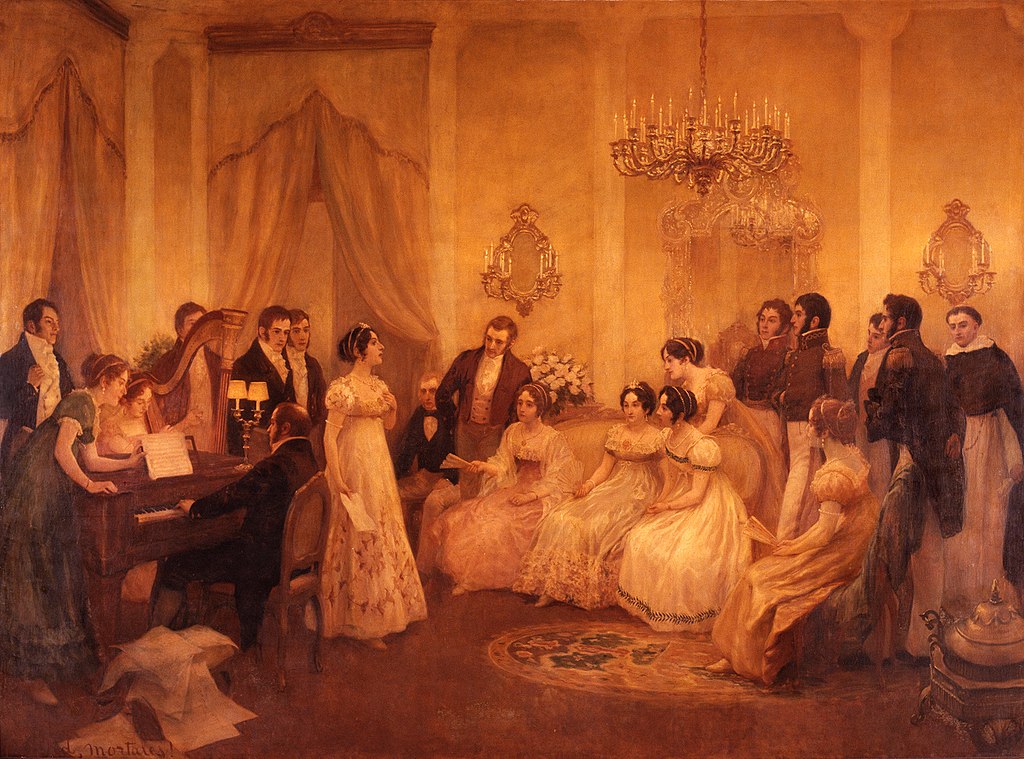
As some of you may know, I set out to write Celestial Persuasion when I came across this painting of Mariquita Sanchez de Thompson. This scene depicts the moment when the Argentine national anthem was sung for the very first time.

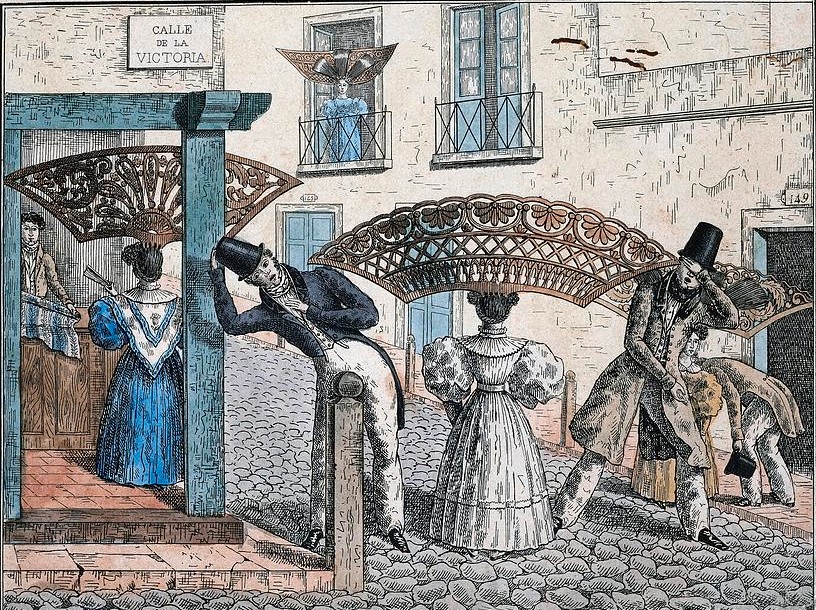
The image of ladies and gentlemen in Regency attire was far from what I had expected to find in colonial Argentina. To tell the truth, I would have expected full crinoline skirts and impressive peinetas, such as we find in the satirical work of Cesar Hipolito Bacle.

By delving into the aftermath of the May Revolution of 1810, I discovered that the aristocracy of Buenos Aires was more inclined to follow the fashion trends of Paris or even London. The influence coming from across the pond was not to be denied!

I began connecting the dots and weaved a tale that included English noblemen and naval officers, along with the liberator of Spanish America: Jose de San Martin. Establishing a friendship in between Jane Austen’s Captain Wentworth and my own fictional character, Jonathan Isaacs, was the next step in the process.

Next, I began looking to incorporate that bit of yiddishkeit that is so crucial to my work. For example, I wanted to ensure that the Jewish holidays mentioned throughout the novel occurred in accordance to the Hebrew calendar. In the prologue, Abigail Isaacs writes to her brother, describing their father’s passing—just prior to his favorite holiday: Pesach (Passover).

I must assume that you have not received my news from home, and knowing how you are impatient with all but the essentials, allow me to put it to you in words so familiar they could be your own: our dear papa died on March 26th on the eve of Rosh Chodesh—sadly a little more than a week before his favorite holiday. He had been looking forward to leading the Passover seder this year; but then again, he had been unwell for several months and refused to change his habits.

Rosh Chodesh is mentioned several times throughout the novel, as are other holidays, such as the High Holy Days and Chanukah. I suppose I could have picked any date when these events “usually” occur; but it was important to be accurate, particularly when it came to a certain battle that took place on February 3, 1813. Hopefully, the following snippet helps to explain…

“San Martín plans to engage with a Spanish royalist force in one month’s time,” he muttered beneath his breath. “When do you expect to travel to witness your monumental natural event?”

She grimaced at the small sound emitting from her lips. “I must be in residence at the beginning of the month, though I do not believe it is any of your concern.” Rethinking her statement, Abigail’s voice grew with enthusiasm. “Mr. Gabay!” she exclaimed, “has he chosen the exact date?”

“You cannot imagine that I would share that information, Miss Isaacs.”

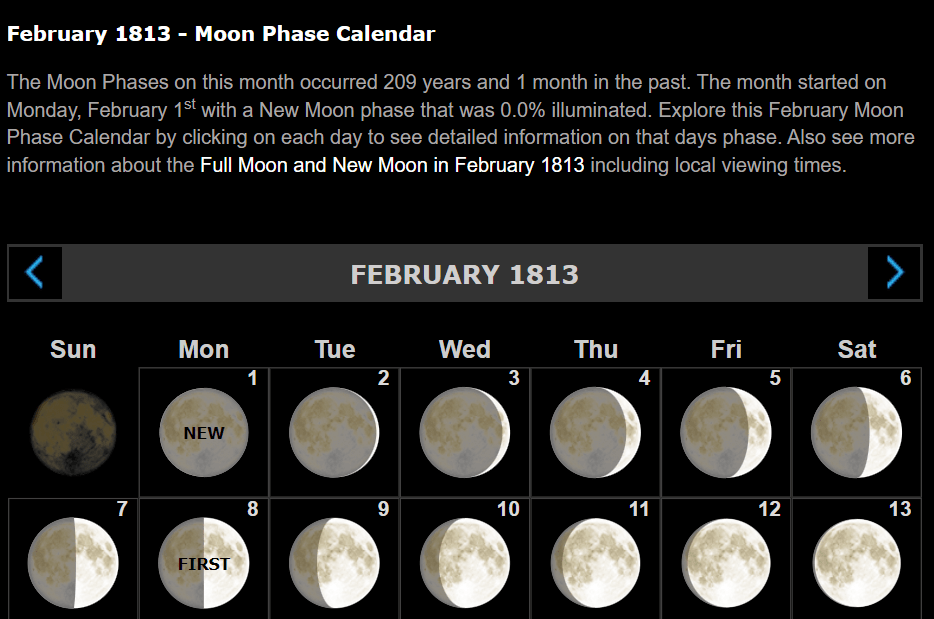
Vehemently she shook her head. “I care not for your confidences, at least for the reasons you may suspect. I only ask that you heed me, sir. I must be in Rosario for Rosh Chodesh. There will be a new moon on the first of February. The night’s sky will be sufficiently darkened to allow for maximum visibility of galactic activity. Do you understand my meaning?”

The Battle of San Lorenzo was a turning point for the rebels fighting the Spanish crown. If I wanted to showcase the event in my story—and have it coincide with Rosh Chodesh—it had to be… kosher. I knew I had to get it right! First, I researched the status of the moon phase in February 1813. I found that information here and here. Then, I checked to see if the Gregorian calendar aligned with the Hebrew calendar. I found that here and here. It worked out!

Throughout the story, we follow Abigail as she celebrates Shabbat and Havdalah. Granted, her family is no longer as pious as when her mother lived. Nevertheless, when Abigail is called to London to meet Lord Fife, she ensures to take her ritual items. And when she and Mrs. Frankel find themselves aboard a frigate sailing across the Atlantic, I made sure to incorporate an every day nautical item into a pivotal scene.

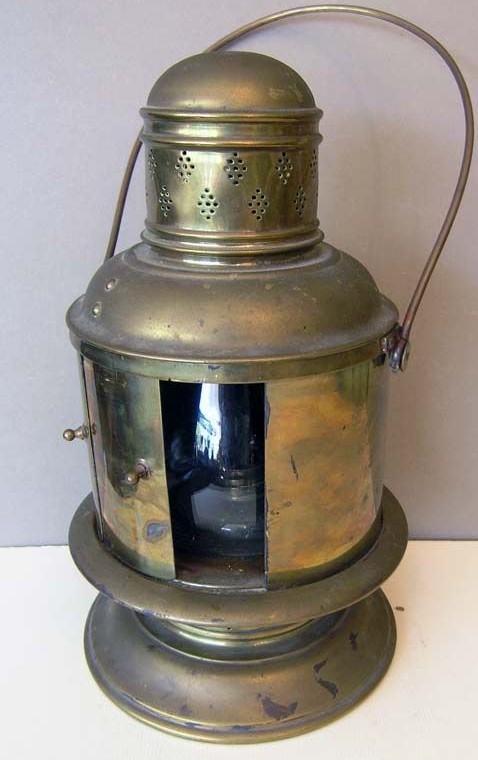
Wrapping up warmly in her darkest cape, Abigail reached for the lantern perched above the dresser. It was the same lantern she and Mrs. Frankel had been instructed to use for the Sabbath, for it came equipped with a sliding shutter to darken the room without extinguishing the candle. Abigail smiled, recalling the cabin boy’s shock at their request to kindle the Shabbos candles whilst aboard the ship. He had gone on for nearly a quarter of an hour outlining the hazards and noting the fire stations that equipped every passageway in the event of a crisis...

Abigail had been correct in her estimation. The men were gallivanting en masse at the forecastle and she could remain in peace to the aft. She allowed herself to be guided by the lantern’s light but closed the shutter when she reached her chosen destination and waited for her eyes to grow accustomed to the darkness. In truth, it was a perfect night for stargazing as they had just entered into the new moon phase. Without the moonlight, the galaxy’s core was visible in all its splendor, and Abigail stood immobile in awe of the spectacle before her.

How many minutes had transpired, she could not say for certain. She felt tears trickle down her cheeks, but she could not be bothered to wipe them away. How she longed to share the moment with Jonathan! Not to scribble down the longitude and latitude of their location. Not to calculate or measure, but simply to stand and observe the immensity of it all and to understand her place in the universe. Her tears had dried where they had fallen, but with the wind picking up, she could once again feel bits of salt water on her cheeks as the waves began to swell. It was not until she heard the men shouting and witnessed the crew running hither and thither that Abigail was obliged to return to her room.

She retraced her footsteps to find the ladder once more. The descent, she hoped, would prove to be easier; but as she stepped down off the last rung, the wind and waves combined and exerted such a force on the ship that Abigail lost her balance. With flailing hands she attempted to seize hold of something that would steady her feet; but the action cost her dearly, for the lantern slipped from her grasp and the candle was extinguished. She crept along the passageway, holding on to the walls, helpless in the dark, until the ship pitched suddenly and she felt herself tumble forward.

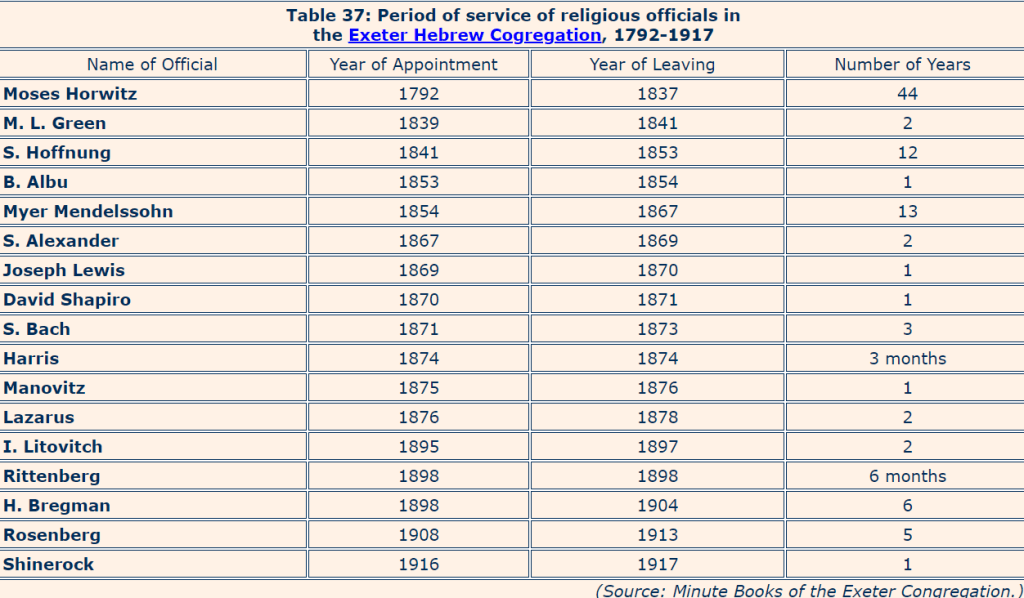
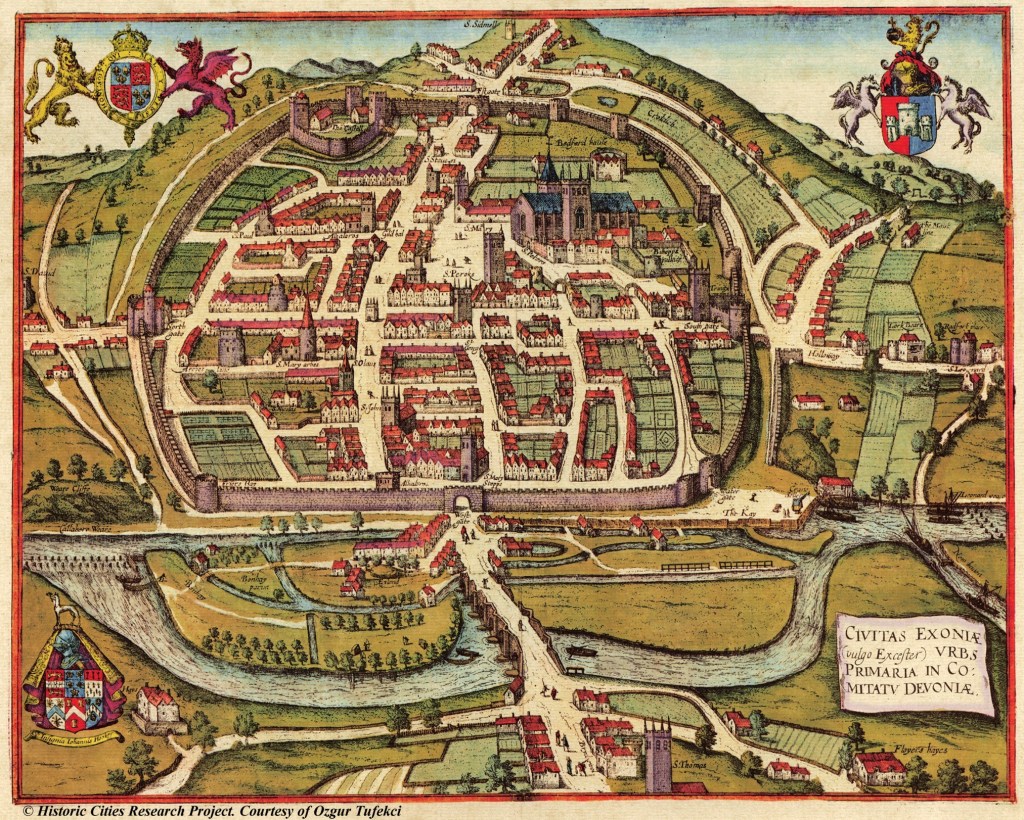
As my outline began unfolding, I found that I quite liked the town of Exeter for the Isaacs family. The obvious problem was that I knew next to nothing about Devonshire as it related to Jews. Imagine my delight when I came across the wealth of information located here and here. Actually, there are pages and pages of data relating to the Jewish history in this particular county. I not only discovered the location of Exeter’s synagogue, but its officiant as well. Naturally, I had to showcase Abigail’s relationship with her rabbi and her place of worship.

In addition, this map created by Braun & Hogenberg in 1617 helped me visualize the Isaacs hometown.

Approaching the mile mark, she passed St. Thomas’s chapel and the many farms that dotted Byrd’s Lane. Abigail was flooded with bittersweet memories and recalled walking toward the synagogue, her small hand held by her mother, while Jonathan raced ahead and her father followed behind at a leisurely pace. They would meet friends along the way, and the adults would catch up on the weekly gossip before entering the house of worship. Ezekiel and Kitty Jacobs, her parents’ closest friends, had been amongst the founders of the synagogue, for they applied to St. Mary Arches Church to lease the ground for its erection. Whenever Jonathan would complain of the rabbi’s lengthy sermons, Mr. Jacobs would tell the story of the synagogue’s consecration.

Lastly, I wanted my story to lay the foundation for the establishment of the Jewish Colonization Association. Headed by financier and renown philanthropist, Baron Maurice von Hirsch and his wife, Baroness Clara, this organization was created decades after Argentina’s declared independence. However, had it not been for such forward thinking individuals such Wilhelm Loewenthal, a Romanian doctor conducting research in the area, Rabbi Zadoc Kahn, Chief Rabbi of Paris, or my fictional Lieutenant Gabay with his pipe dreams, who is to say if the seeds of change would have come to fruition.

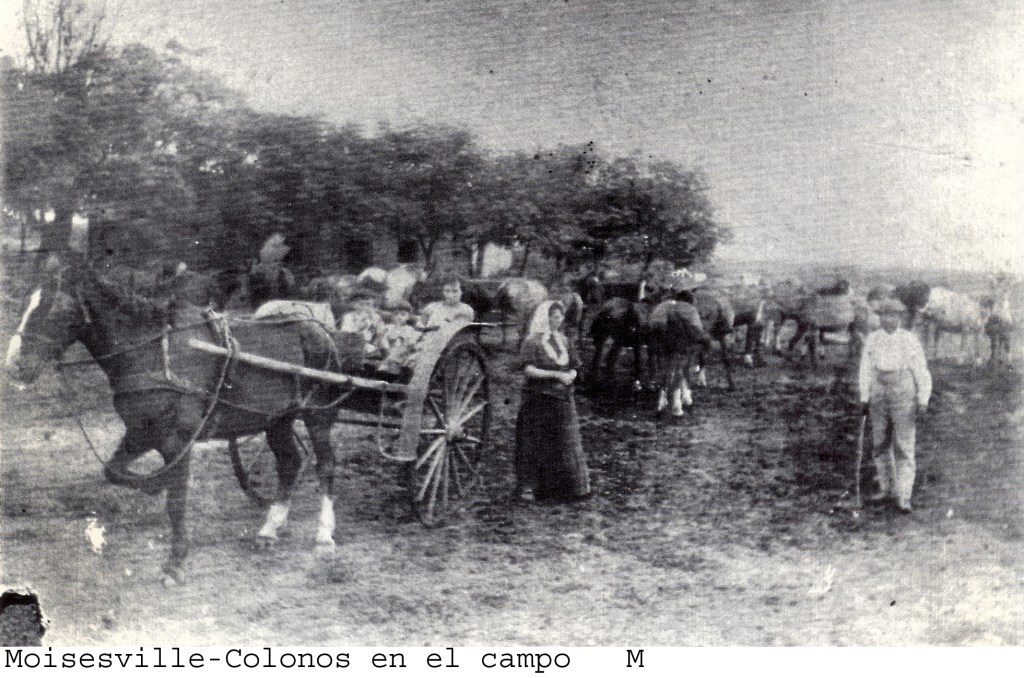
The Battle of San Lorenzo took place in 1813 in the province of Santa Fe. A little over 70 years later, a group of Jews escaping pogroms and persecution in Imperial Russia settled in a town about three hours away from that battlefield. They named their new home Kiryat Moshe, or Town of Moses, to honor Maurice Hirsch. The land agent, who may or may not have been of French origin, registered the name to his own liking and the town became known as Moisés Ville. The inhabitants, these so-called Jewish gauchos, were the first to create a Jewish agricultural colony in Argentina. Of course, my characters had no notion of what was to come, but they had hope.

Captain Wentworth, my last piece of news may be the greatest surprise of all. Mr. Gabay and I shall not reside in Buenos Aires for long. When the fight for independence has been won, my Mr. Gabay—who never intended to make the military his career—will resign his commission. We shall repair to my father’s property in Rosario, where I will be at liberty to continue my research and Mr. Gabay will begin his work in helping the Jewish communities of the Russian Empire. Santa Fe is a wide and open land. Refugees of all faiths and backgrounds may surely make this place their new homeland and dwell in peace without persecution. Praise God, everything does indeed happen for a reason.

Thanks for stopping by. I hope you enjoyed the post!

Until next time,

New Post

Jane Austen & Jewish Themes Part V~ Delving into Diversity

I’ve been addressing Jane Austen’s work and the correlating themes found in Judaic text. The reason for this exercise stems from my desire to find historical fiction or historical romance novels that contain a modicum of Judaica. Of course, Austen’s work isn’t considered historical fiction. Her stories were contemporary; her readers would have recognized their world amongst the backdrop of her settings. But that’s not my point. Sorry!

While I have scoured endless book titles and conducted mind numbing Internet searches in the hopes of finding some hidden gem, I have very little to show for my effort. That was the impetus to take pen in hand, so to speak, and to write my own fanfiction. And why not? Jane Austen’s work continues to inspire and entertain a diverse, world-wide audience. We are presented with modern interpretations of her classics novels, time-travel storylines, and narratives that focus on any number of ethnicities and cultures. Evidently, our thirst for new and tantalizing Austenesque plots and themes is not so easily quenched! And for this particular reader, it seemed only logical that the Jewish community be represented in Austen’s fandom.

That being said, I am not an advocate of racelifting. By that I mean, I have no need to replace a character’s Anglican faith for Judaism. I am satisfied with the introduction of Jewish protagonists and themes that are a true reflection of our community as a whole. For other authors and readers, I understand that it is imperative to see a Jewish character cast in the original role. And that’s okay. That’s the magic of fanfiction. In The Meyersons of Meryton, I introduce a rabbi and his family to Austen’s fictional town in Hertfordshire. In Celestial Persuasion, I create a friendship in-between Captain Wentworth and the Isaacs siblings that stretches far beyond England’s shores. With Destiny by Design~ Leah’s Journey, I showcase a story that is loosely based on my ancestors’ experiences. Although this novel is not a J.A.F.F. (Jane Austen Fan Fiction), there is a definite nod to the author and her work. These novels, along with my first title, Becoming Malka, are my small contribution to the lesser known genres of Jewish Historical Fiction and Jewish Historical Romance.

As we are now officially in the “holiday season,” there is an opportunity to address diversity and Jewish characters in other forms of entertainment. For example, Hallmark has attempted to incorporate Jewish storylines and characters in their holiday lineup. These shows are a bit cringe-worthy, I’ll admit it, but at least they’re trying. I’d encourage them to try a little harder. While I do want to see Jewish representation in these soapy movies, I do not want to see Hanukkah downgraded to a Christmas-wanna-be. The whole point of the Maccabean revolt was not to assimilate to the dominating culture. It is a fine line, I understand. Hallmark can do better.

Over at Disney, we were introduced to a Jewish heroine for one episode of Elena of Avalor. The character is supposed to be a Sephardic princess, but she uses Yiddish terminology and speaks of Ashkenazi traditions. And, I’m sorry to say, the princess is not very attractive. Like the folks over at Hallmark, the imagineers could have put forth more effort. This piece needed a little more research into the character’s cultural background and a lot more generosity in developing her aesthetic. Perhaps they could have taken a page from the variety of diverse characters showing up in other animation, comics, and television series and given the Jewish community a proper heroine.

And speaking of television, did you hear the collective “oy!” when fans of Downton Abbey found out that Lady Crawley’s father was Jewish? The writers did not stop there. The series also introduced a Jewish family of the upper echelons of society. Apparently, Lord Sinderby’s family had fled the pogroms and persecution of Imperial Russia some sixty years ago. Sparks fly when his son, Ephraim (he goes by his second name, Atticus) meets and falls in love with Lady Rose…who is not Jewish. This all-too-familiar predicament, as well as other issues of anti-Semitism in Edwardian England, are brought to the forefront. While I was not entirely pleased with the outcome, I was glad that at least our community’s presence was addressed.

With the success of Sanditon and Bridgerton—and the plethora of costume dramas in the world today— it seems clear we are in need of the escapism that these shows provide. We fantasize and yearn for the days of polite society and social graces. How much more pleasing is it to read a novel or watch a show that allows one to identify with a character— someone who stands to represent one’s community, one’s values, and heritage in a positive light? It is time to come out from the shadows of the likes of Heyer, Dickens, and Shakespeare. Their Jewish characters were cliché and demeaning. The Jewish community has played a proud and active role in nearly every culture around the world. We are connected to that history by a chain that spans over five thousand years.

Jane Austen certainly instilled her biblical knowledge and values into her novels. She commented on societal issues with her wit and keen power of observation. Her readers, no doubt, recognized and identified with these truths. If one of my books brings a sense of connection, a sense of community, a sense of pride to a Jewish reader, I would have fulfilled my goal. My books are a link in that ancient chain. They are another opportunity to say: Hineini —I am here. We are here. And we’re not going anywhere.

Chag Chanukah Sameach!

New Post

The Ongoing Journey of an “Indie” Author

It would be funny, if it wasn’t a little… demoralizing. The conversation starts off well enough:

“What do you do?”

“I’m an author. I’ve written five books.”

“Oh wow! That’s amazing! How did you manage to get published? I hear it’s kind of rough out there.”

“I self-published. I’m an independent author.”

“Oh…that’s cool.”

Then comes that awkward moment where you see the admiration slowly fade away. It’s replaced with a smile and a nod…and a look that says: She can’t be any good if she can’t get a publisher to take on her work.

When you say that you’ve self-published, people tend to think of poorly formatted, unedited manuscripts, and ugly covers. But with the advent of various mediums, such as the Amazon platforms, authors have found the means to publish quality work. These pioneers have slowly begun to reverse the stigma attached to being an independent. That being said, even an indie author needs to collaborate with others in order to produce a marketable book. At minimum, they will need to consult with beta-readers; and if the budget allows, a proofreader, a copy editor, and a designer are highly recommended. And then there is the small matter of marketing and promoting.

In my experience, the marketing component is the hardest part of all. It requires not only creativity and aplomb, but hours and hours of dedicated time on social media, interacting with potential customers, participating in blog tours and interviews, and well…truthfully, trying not to pester your friends and family with requests to LIKE, SHARE, and spread the word. Unbeknownst to many readers, even if one chooses the “traditional” route, publishing houses rely on the author to assist with sales these days. There’s just no escaping the task.

Given the fact that I’m still working at my day job, I try to utilize social media platforms that have proven to give me the best results. I started this blog and am so grateful for those who have joined me here. During my time on Facebook, I had over 1,500 followers; but due to that site’s policies and algorithms, it wasn’t productive or cost effective. I’ve had more success on Goodreads, and less so on Pinterest and Instagram. Recently, I joined the ranks of other authors, traditional and independent, on BookBub. I’ll have to see how that goes, but of course that entails more pestering. If you are a reader and utilize that site, please follow me on BookBub. And yes…please spread the word.

Thank you!